
Garden fences are designed to withstand the British weather, but over time they inevitably begin to deteriorate. Exposure to wind, rain, and changing temperatures gradually weakens timber structures. This guide helps you spot the signs, understand the best timing for replacement, and explore options for maintaining privacy and curb appeal in your garden.
The Challenge of UK Weather on Fences
For homeowners across Britain, a sturdy fence is more than just a boundary marker. It provides privacy, security, and a frame for garden design. Yet the climate, wet winters, gusty springs, and fluctuating temperatures, takes its toll. Recognising When Should You Replace Your Garden Fence? early can save money and prevent more extensive damage. In this post, we’ll explore common indicators of deterioration, discuss why replacement is often the most practical long-term solution, and offer guidance on choosing new fencing that fits your needs and style.
Signs Your Fence is Reaching the End of Its Lifespan
Leaning Fence Posts
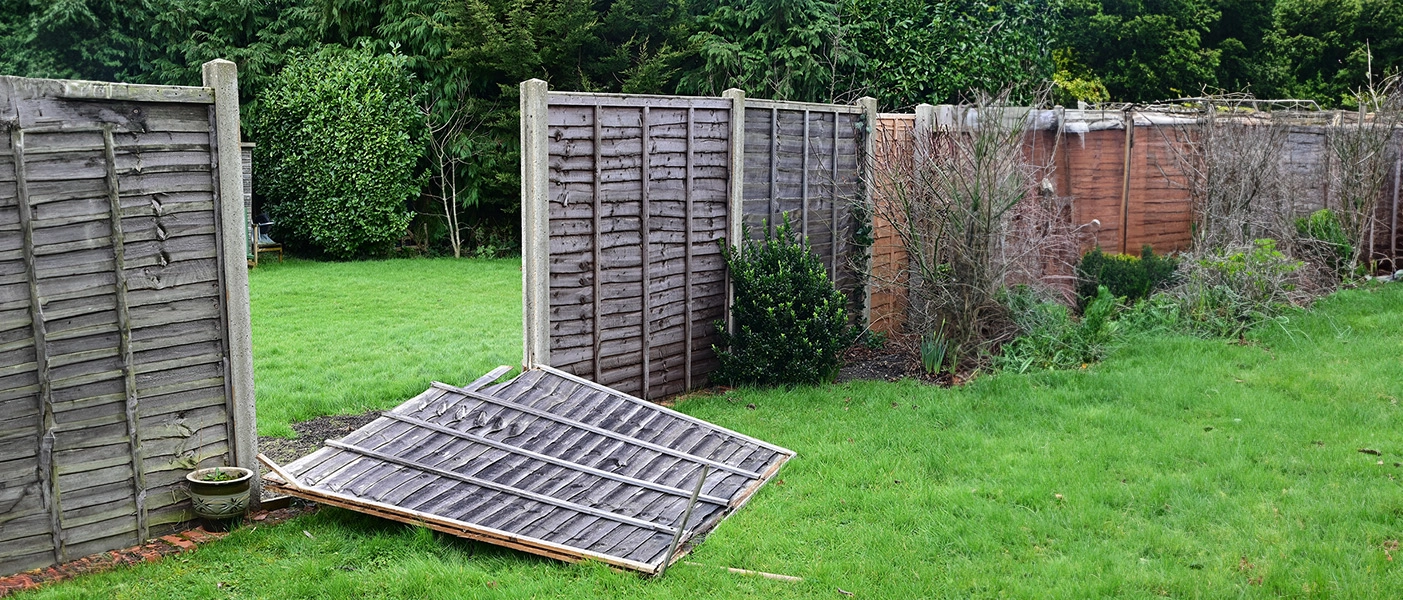
One of the first signs that a fence may need replacing is leaning fence posts. When posts become loose or rotten, the entire structure can lose stability. If you notice gaps between panels and posts or the fence wobbles when you push on it, it’s time to assess more thoroughly. Loose posts often indicate internal decay or rot, which weakens the frame and compromises security.
Cracked or Broken Panels
Cracked or broken panels are another common sign that the fence is reaching the end of its lifespan. Damage can result from high winds, impacts from garden furniture, or the natural drying and swelling cycles of timber. Over time, small cracks can widen, letting moisture penetrate deeper into the wood and accelerating deterioration.
Rotting Timber and Moisture Damage
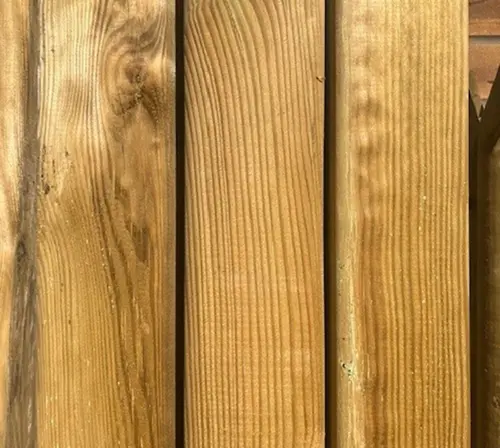
Rotting timber is a major indicator that replacement may be necessary. Once moisture penetrates the wood, it can spread quickly and weaken the overall strength of the fence. Soft, crumbly wood, mould growth, or a musty smell are red flags that timbers have begun to degrade beyond simple repair.
Widespread Deterioration Versus Localised Repairs
Although minor damage can sometimes be repaired, widespread deterioration usually means that replacing the fence is the most effective long-term solution. If several panels, posts, or rails show signs of decay, reconditioning the entire structure can become inefficient and costly compared with installing a new fence.
How to Decide – Repair or Replace
Assess Structural Integrity
Begin with a physical check: push on posts, listen for hollow sounds in timber, and inspect for soft spots. If basic repairs would require frequent maintenance, or if the fence no longer provides the privacy and security you expect, replacement is a sensible choice.
Consider Cost and Longevity
Minor fixes such as replacing a few panels or re-securing posts might be cheaper in the short term, but extensive rot or warped timber can undermine value over time. Compare the total cost of repairs versus a new installation, factoring in durability, warranty, and the look you want for your garden.
Aesthetics and Functionality
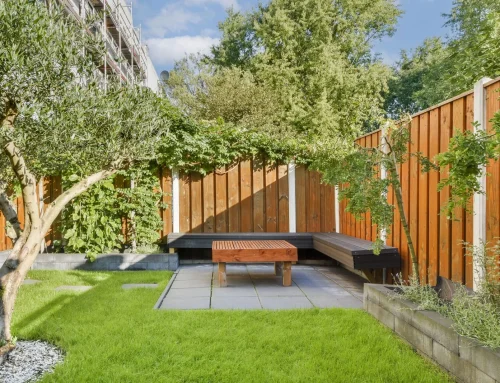
New fencing doesn’t just restore function; it refreshes the garden’s appearance. If you want improved security, reduced gap visibility, or a specific look to match your gate style, selecting the right fencing can transform your outdoor space.
Selecting Your Replacement Fence
Material Choices
- Timber remains popular for its natural look, ease of installation, and versatility. When choosing timber, consider pressure-treated options to resist rot and moisture.
- Alternative materials such as recycled plastic or composite can offer low maintenance and longer lifespans, though they may have different aesthetics.
Panel Style – Decorative Fence Panels and Gates
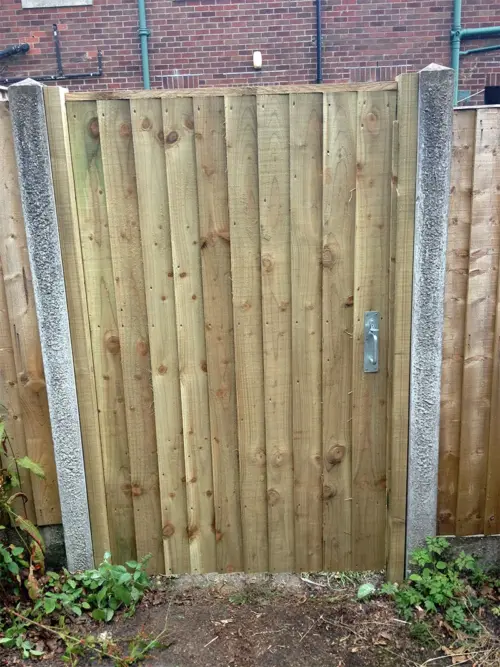
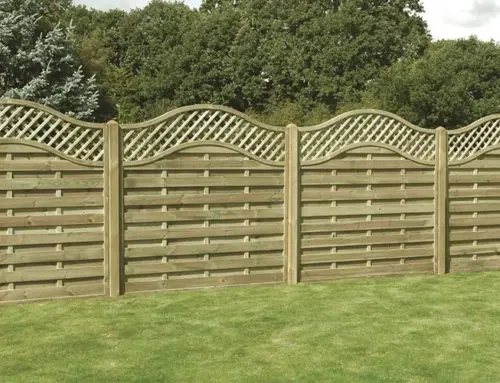
- Decorative Fence Panels come in various patterns and finishes, allowing you to tailor the fence to your garden design.
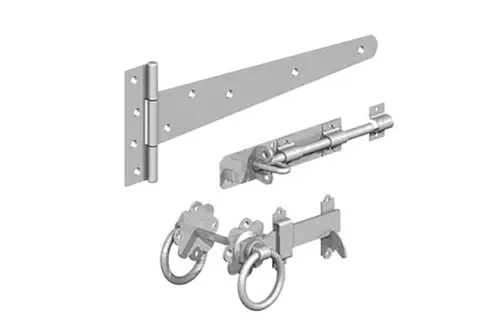
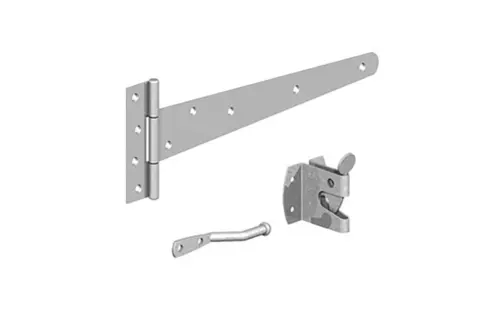
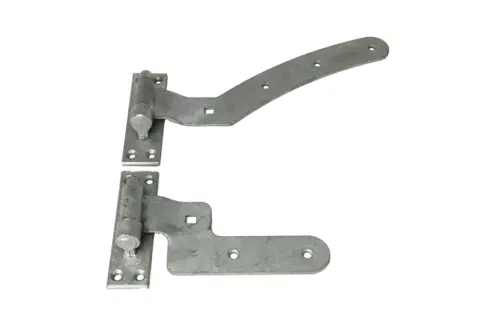
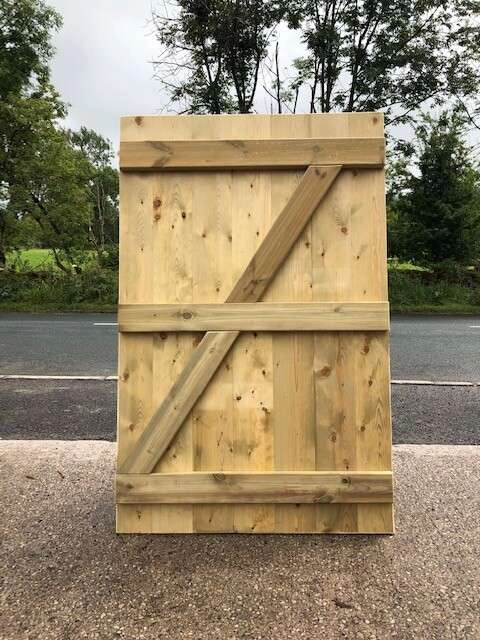
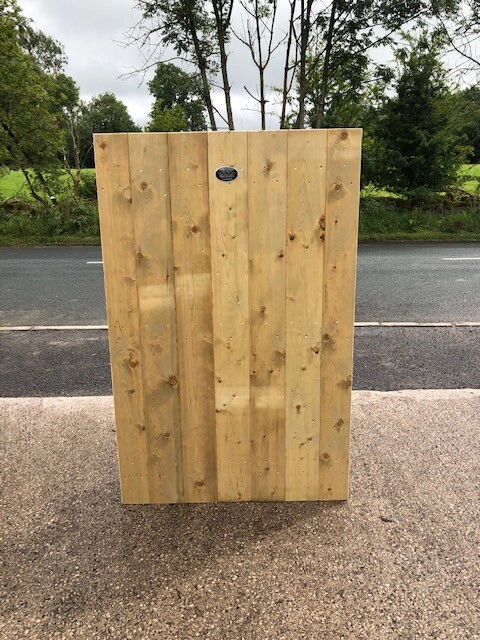
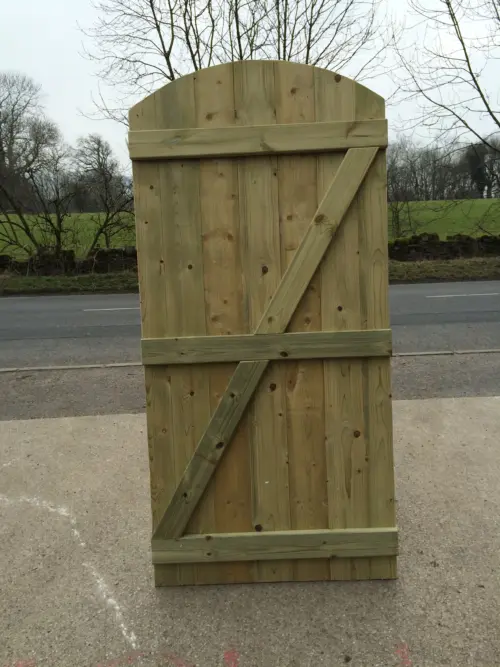
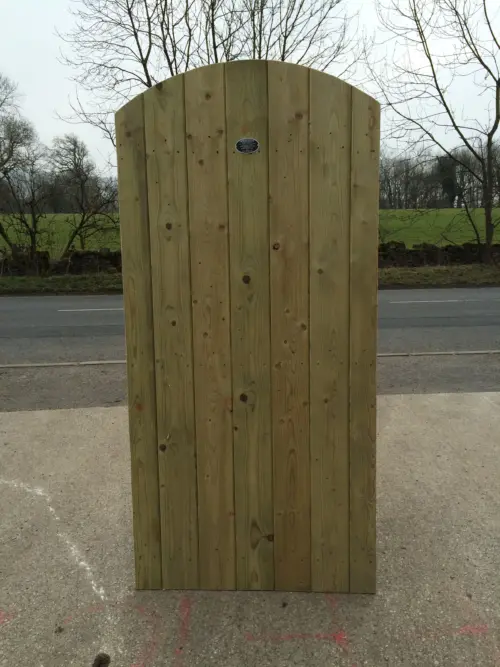
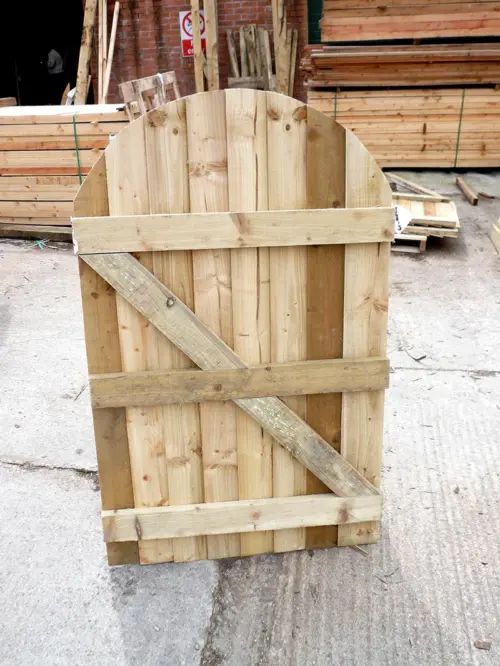
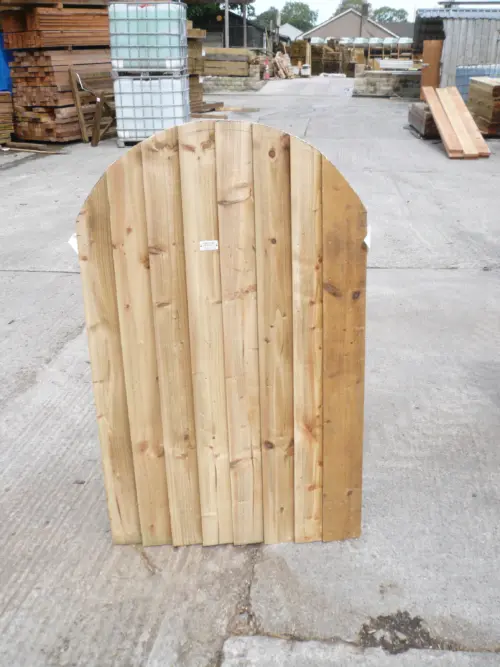
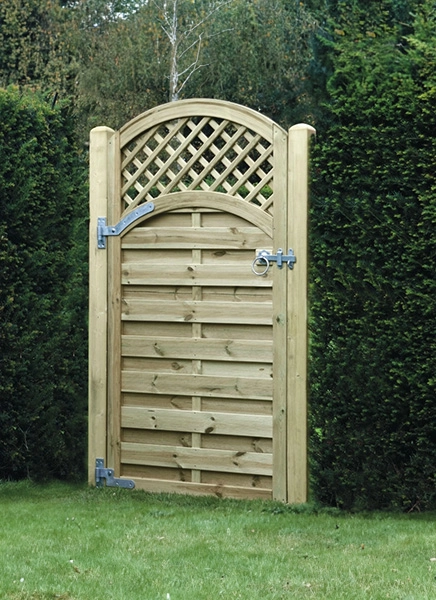
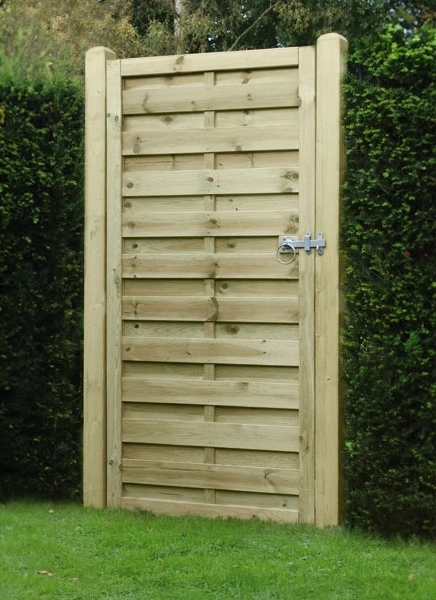
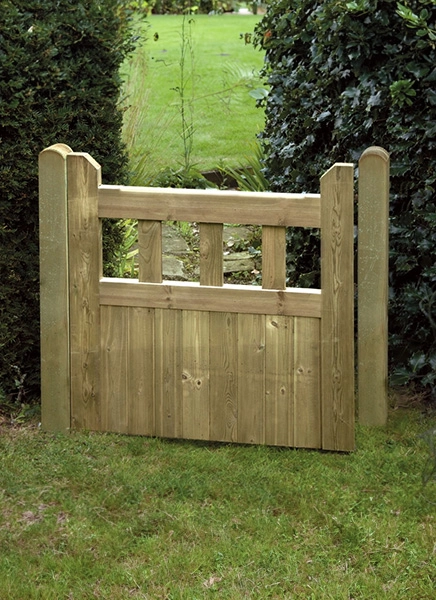
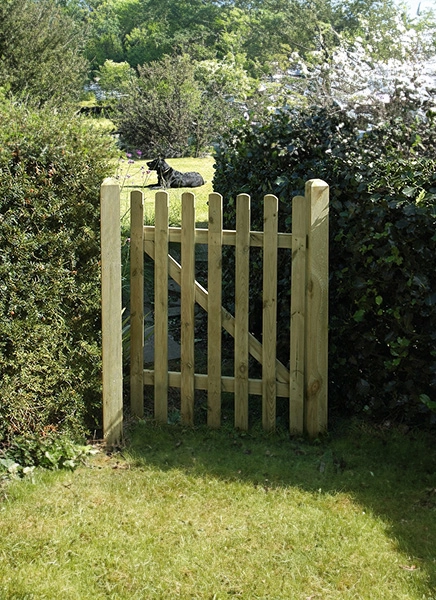
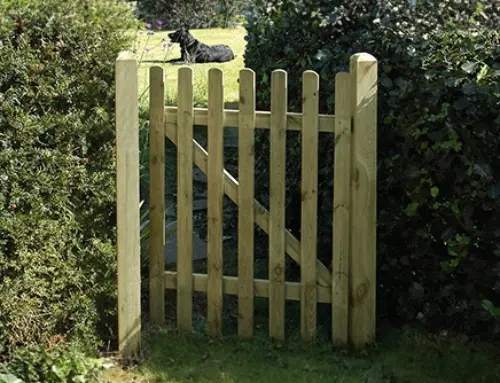
- Decorative Garden Gates and Traditional Garden Gates add character while maintaining boundary security. If you favour a classic look, a traditional gate style can harmonise with period properties or cottage gardens.
Height and Privacy
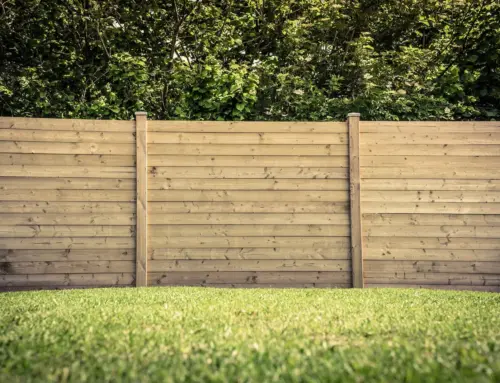
- A 6ft fence panels height is a common choice for enhanced privacy and security, especially in exposed areas. However, check local regulations or homeowners’ association guidelines before installation.
Installation Considerations
- Ensure posts are properly set and trellised if needed. Proper alignment and level installation prevent future leaning and wind damage.
- Use appropriate fixings and weatherproof treatments to extend life, particularly in damp British climates.
March – A Practical Time to Plan
March is often an ideal time to assess fencing conditions after winter and plan any necessary replacements before the busy spring gardening season begins. With milder days on the horizon and longer daylight, you can schedule installation, organise materials, and prepare the boundary area for works. Early planning helps you avoid delays and reduces the window of vulnerability when storms are still possible.
Maintenance Tips to Extend Fence Life
- Regular inspections after winter storms can catch issues early.
- Re-treat timber with a weatherproof seal or stain to resist moisture and UV damage.
- Promptly replace damaged posts and panels to prevent further structural weakening.
- Clear vegetation away from the fence to reduce moisture retention and root pressure.
A well-maintained garden boundary enhances privacy, security, and curb appeal. By recognising the signs that indicate When Should You Replace Your Garden Fence? and weighing repair versus replacement, you can make informed choices that save money and protect your outdoor space in the long run. If you opt for replacement, choose sturdy posts, durable decorative fence panels, and fitting decorative garden gates or traditional garden gates to achieve a cohesive, stylish finish. With timely planning, especially in March, your new fence will stand strong against the British weather and keep your garden looking its best for years to come.