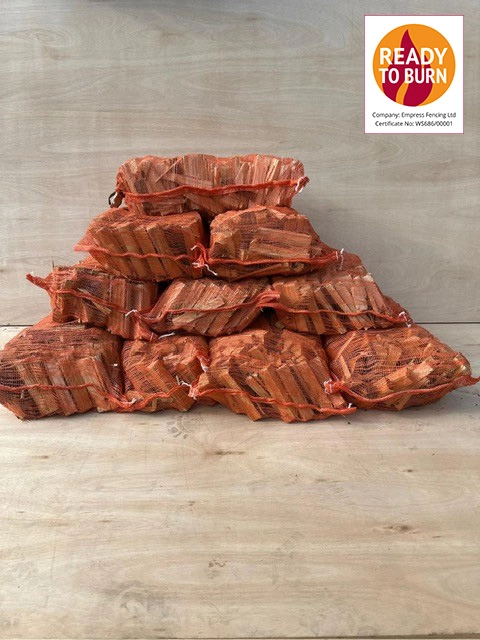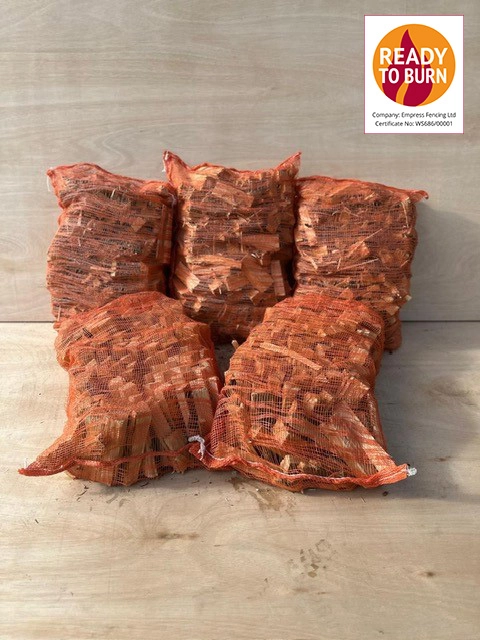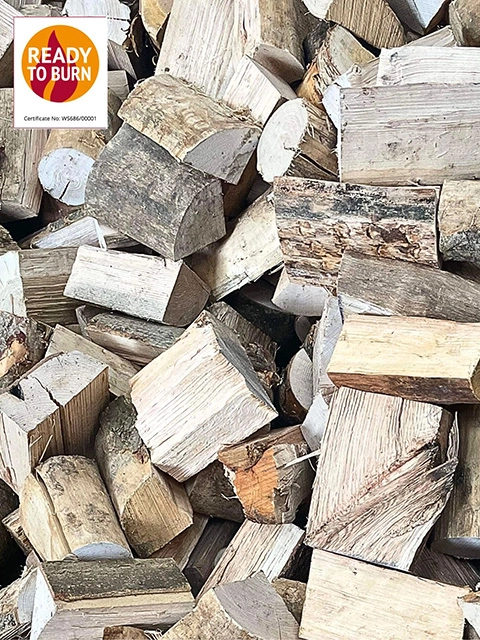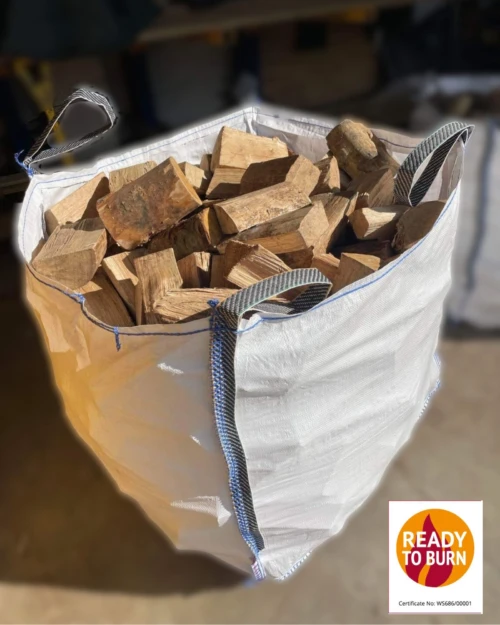

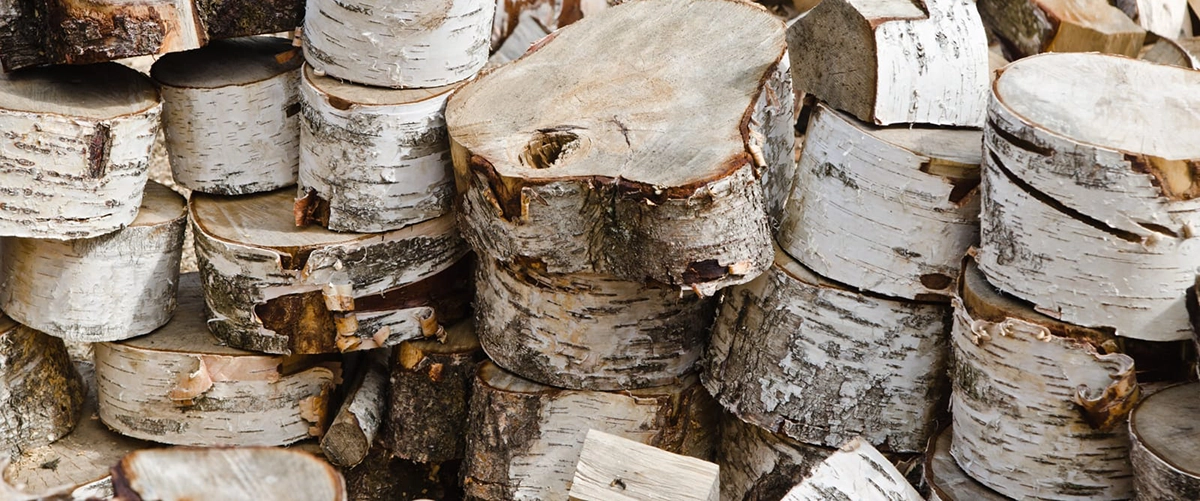
When people think about sustainability, firewood often gets overlooked. In reality, buying logs locally can be one of the most environmentally responsible heating choices you can make. By prioritising local suppliers and locally sourced logs, households can cut emissions, support sustainable woodland management, and enjoy a warmer home with a smaller ecological footprint. In this post, we’ll explore how and why local logs are a greener option, with practical tips for choosing and using locally sourced firewood.
Seeing the forest for the trees
Sustainability is a web of interconnected choices, from energy efficiency to supply chains. One practical, often underestimated piece of the puzzle is the logs delivered you burn during colder months. Local logs aren’t just convenient; they’re a tangible way to reduce transport miles, support responsible sourcing, and enjoy cleaner burning. If you’ve ever wondered whether buying logs locally truly makes a difference, the answer is yes. It’s a straightforward, local-first approach that aligns with broader environmental goals.
Reduced transport miles – Local logistics matter
One of the strongest environmental arguments for buying logs locally is the reduction in transport miles. When firewood travels shorter distances, from a nearby woodland, a local racker, or a small timber yard, it means fewer fossil-fuel-powered journeys. Fewer miles on the road translates to lower greenhouse gas emissions and reduced air pollution. This is especially significant in rural and semi-rural areas where longer distribution chains can multiply fuel use.
- Local suppliers typically operate within a tight radius, often delivering within a few hours or a single day.
- Shorter journeys also reduce road congestion and wear on infrastructure, which in turn lowers maintenance costs and energy use.
- For households aiming for a genuinely low-carbon heating solution, local logs offer a clear advantage over mass imports shipped across long distances.
By choosing local suppliers, you’re supporting a shorter, simpler logistics network that is easier to audit for sustainable practices.
Responsible sourcing – Wood from managed woodland and waste streams
Local firewood often comes from sources that prioritise responsible woodland management. This can include:
- Managed woodland – Timber is harvested in cycles that maintain biodiversity, protect soil health, and ensure regeneration.
- Tree surgery waste – Prunings, branchwood, and other byproducts from urban and peri-urban tree work can be chipped or cut into usable logs, reducing waste.
- Sustainable forestry – Local foresters may follow third-party certification schemes and adhere to best practices that protect water, soil, and wildlife.
Choosing locally sourced logs gives you visibility into where the wood comes from and how it was produced. This transparency is harder to achieve with mass imports, where you may be uncertain about certifications, replanting commitments, or compliance with sustainable harvesting rules. When you buy logs locally, you can ask questions about harvest methods, stock rotation, and waste utilisation, and often receive a direct, knowledgeable response from the supplier.
Efficient burning – Quality, moisture, and cleaner air
Another key benefit of local logs is the potential for more efficient burning. Properly dried logs Ready to Burn cleaner and more efficiently, producing less smoke and particulate pollution. When you buy locally, you’re more likely to receive guidance from the supplier on:
- Seasoning and moisture content – Kiln-dried or well-seasoned wood typically has a moisture content around 20% or lower, which burns more completely and reduces creosote buildup in chimneys.
- Species mix – Local suppliers often stock hardwoods and mixed species that are well-suited to efficient burning in your stove or fireplace.
- Storage advice – Local knowledge can help you store wood to prevent mold and decay, preserving heat value.
Efficient burning means you get more heat per log and fewer emissions per unit of heat produced. This is beneficial for indoor air quality and for the broader atmosphere.
Supporting sustainable practices – Local economies and environmental stewardship
Buying local logs supports responsible woodland management and keeps environmental impact low in several ways:
- Local stewardship – When communities invest in local woodlands, there is a greater incentive to maintain biodiversity, manage invasive species, and protect habitats.
- Waste reduction – Utilising tree surgery waste and other byproducts for firewood reduces landfill waste and encourages circular economy practices.
- Economic resilience – Local suppliers often reinvest profits into the community, funding reforestation projects and woodland maintenance.
This approach aligns with broader sustainability goals, including reducing transport emissions, promoting responsible sourcing, and fostering resilient local economies.
Practical tips – How to choose and use locally sourced logs
To maximise the environmental benefits of buying logs locally, consider the following practical steps:
- Ask about sourcing – Inquire where the wood comes from and whether it’s from managed woodland, tree surgery waste, or certified sustainable forestry.
- Check moisture content – Look for logs that are well-seasoned or kiln-dried to ensure efficient burning.
- Prefer local species mix – A mix of hardwoods and softwoods can provide steady heat, but ensure the wood is dry and suitable for your appliance.
- Inspect for pests – Avoid logs that show signs of pests or mould to prevent problems in storage and indoor air quality.
- Store properly – Stack in a dry, well-ventilated area off the ground. Use a cover that protects from rain but allows airflow.
Local logs aren’t just convenient, they’re a greener choice too. By choosing locally sourced wood, you reduce transport miles, support responsible sourcing practices, promote efficient burning, and contribute to sustainable woodland management. It’s a simple, practical step households can take to shrink their environmental footprint while keeping homes warm and comfortable.
If you’re building a sustainable heating plan, start with a conversation with a local supplier about where their logs for sale come from and how they’re handled. Remember the core idea – Why Buying Logs Locally Is Better for the Environment is not just a slogan, it’s a viable pathway to lower emissions, healthier local ecosystems, and stronger communities. Embrace the local option, and you’ll likely notice benefits in cost, air quality, and the satisfaction of supporting responsible woodland stewardship.
For logs for sale Blackburn, logs for sale Burnley, logs for sale Darwen, logs for sale Rossendale, logs for sale Accrington, logs for sale Colne, logs for sale Nelson or logs for sale Clitheroe order online below.