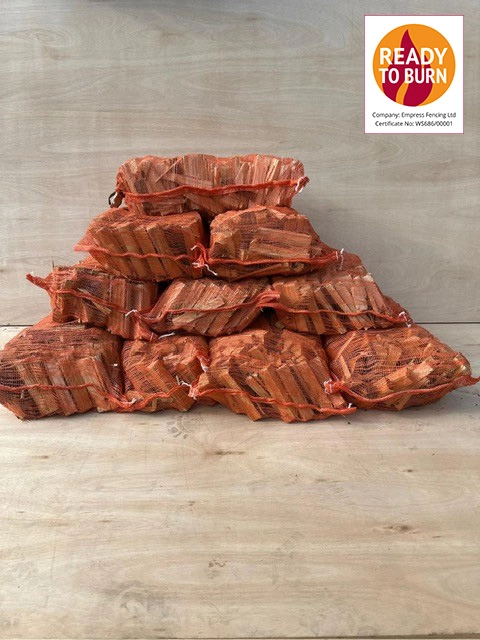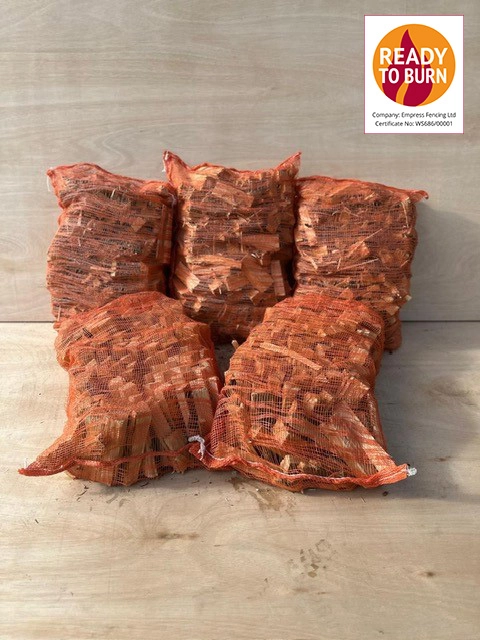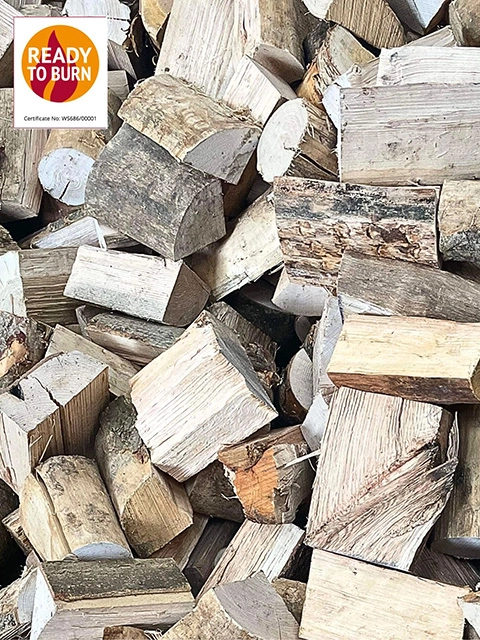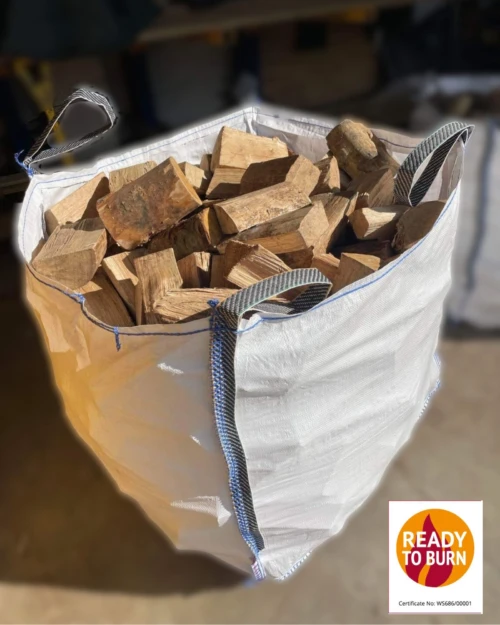

As energy markets shift and prices fluctuate, firewood remains one of the most dependable ways to heat your home during winter. With growing concerns about energy security, homeowners are turning to a classic solution – firewood. It offers immediate warmth, greater control over your heating, and resilience during power outages. In this post, we’ll explore why firewood stays relevant, how to maximize its effectiveness, and practical steps to ensure you’re prepared all season long.
The Case for Firewood in Modern Winter Heating
Despite changes in energy markets, firewood has stood the test of time as a reliable winter fuel. It provides several advantages that many modern heating systems struggle to match. Firewood gives you a more tangible sense of control over your heating costs and comfort, allowing you to manage warmth where you need it most. This makes it an attractive option for households seeking greater independence from energy suppliers, without sacrificing comfort during the coldest months.
In this post, we’ll cover –
- Why firewood remains a practical, proven winter heating choice
- How firewood enhances resilience during power cuts
- The strategic planning that helps you enjoy peace of mind when temperatures drop
- Tips for storage, safety, and efficient burning to get the best heat from your split logs
The Reliability and Independence Firewood Offers
Why Firewood Is Still One of the Most Reliable Winter Fuels Firewood stands out because it is a local, storable energy source. Unlike gas or electricity, which rely on external suppliers and infrastructure, you can build a personal supply of firewood that’s ready when you need it. This independence translates into several concrete benefits:
- Less reliance on energy suppliers – By maintaining a healthy stock of seasoned logs delivered, you reduce your exposure to price spikes and supply disruptions.
- Immediate, controllable heat: A stove or open fire provides warmth exactly where you need it, and you can modulate the flame and air supply to dial in the level of heat.
- Power-outage resilience – Unlike electric heating systems, firewood keeps your home warm even during outages, providing a critical safety margin when the grid goes down.
Best results come from planning ahead, so you’re not scrambling when a cold snap arrives. A well-planned wood supply means you can stay comfortable without scrambling for fuel or paying premium prices at peak demand.
Planning Ahead – Stock, Storage, and Seasonal Preparation
Firewood is most effective when you approach it as a seasonal project rather than a one-off purchase. Planning ahead helps ensure you have a steady supply of dry, well-seasoned logs throughout winter. Consider these practical steps:
- Estimate your heat needs – Assess the size of your living space, the efficiency of your stove or fireplace, and typical winter temperatures in your area. This helps you determine how much firewood you’ll need.
- Source wisely – Choose locally-sourced hardwoods where possible for longer burn times and better heat output. Softwoods can be useful for kindling and quick-starting fires but may require more frequent replenishment.
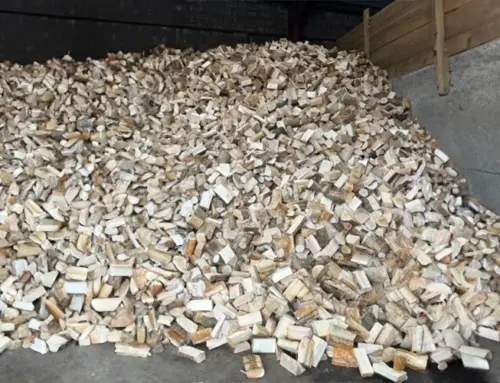
- Season and dry properly – Firewood should be seasoned for at least six months to a year, depending on the species and local climate. Split logs shed moisture more efficiently, resulting in better combustion and less creosote buildup.
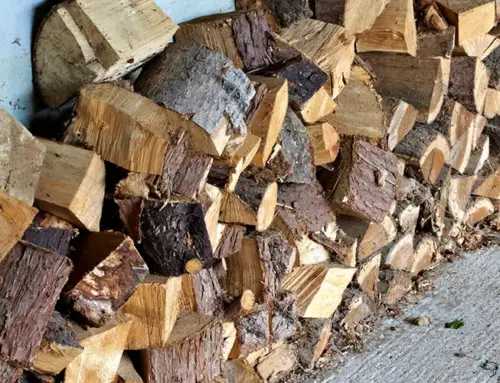
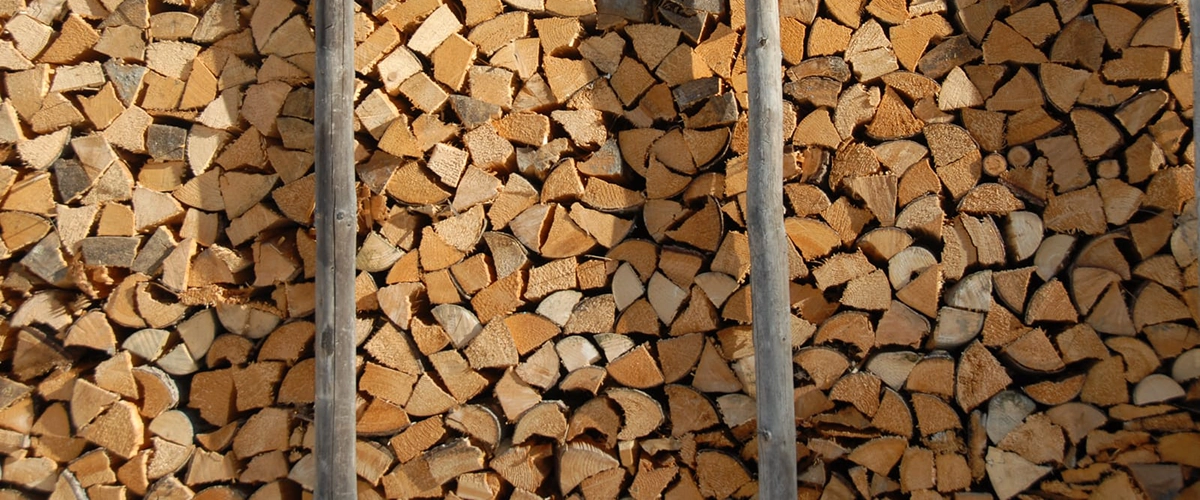
- Store safely – Stack firewood off the ground on a well-ventilated rack or rack system. Keep it protected from rain but allow air to circulate. A dry, sheltered location reduces weight loss and helps logs burn more consistently.
Maximizing Efficiency – How to Burn Firewood Safely and Effectively
To get the best heat from your firewood, follow best practices for combustion, safety, and maintenance:
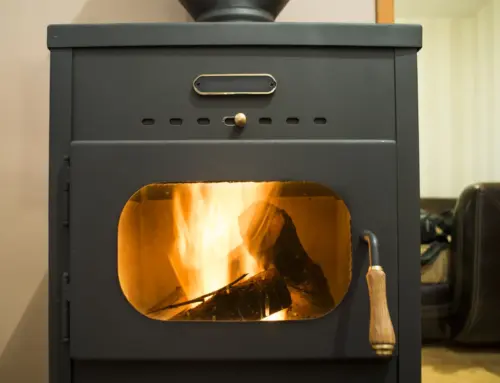
- Use the right equipment – A well-maintained stove or fireplace, proper chimney clearance, and a functioning damper are essential for efficient burning.
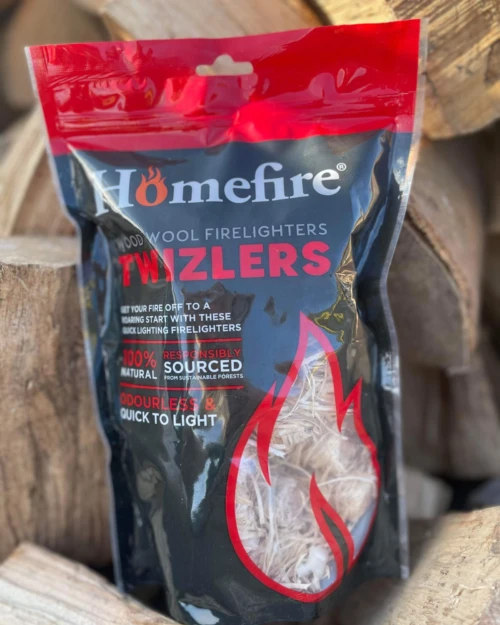
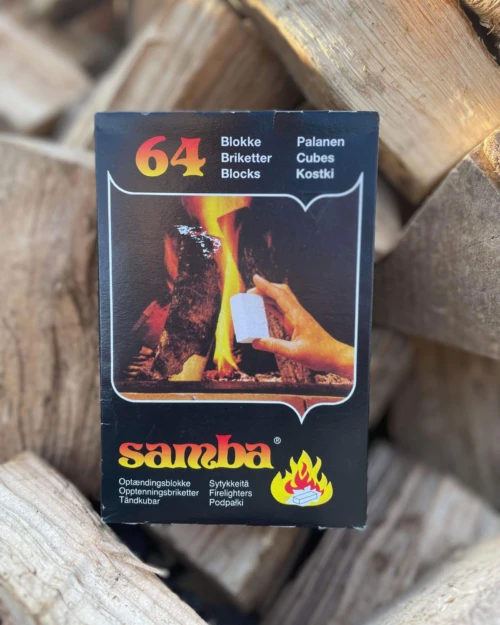
- Start with kindling and dry logs – Use small kindling to ignite dry, seasoned logs. Once established, gradually add larger logs to maintain a steady burn.
- Control heat with airflow – Opening or closing the air vents regulates flame height and Ready to Burn rate. For longer, steadier heat, aim for a slow, controlled burn rather than rapid, high-temperature flames.
- Emission considerations – Efficient burning reduces smoke and creosote buildup, which protects your chimney and improves indoor air quality.
- Regular maintenance – Clean the chimney and stove regularly, inspect gaskets, and have your chimney professionally inspected at least annually.
Firewood and Modern Living – Balancing Tradition with Convenience
Firewood fits neatly into a modern, energy-conscious lifestyle. It complements other heating strategies and provides a robust alternative when gas or electricity prices rise. For households interested in reducing reliance on external energy suppliers, a mixed approach often makes the most sense –
- Use firewood as the primary heat source during the coldest periods, with supplementary heating from efficient electric or gas systems as needed.
- Invest in insulation and sealing improvements to reduce overall heat loss, making the most of every log.
- Consider a backup plan for weekends or extended outages, such as a portable heater designed for safety and reliability, to bridge gaps if the wood supply temporarily runs low.
Safety, Environment, and Community Considerations
While firewood is a dependable winter fuel, it’s important to approach burning with safety and environmental responsibility in mind:
- Air quality and smoke – Choose seasoned wood to minimize smoke and volatile emissions. Burn cleanly and follow local guidelines on wood burning during restricted periods.
- Carbon footprint – While wood is renewable, its harvest and transport have environmental impacts. Local sourcing and efficient burning help reduce the overall footprint.
- Community resources – If you live in a community with wood-sharing programs or local sawmills, you may access affordable sources while supporting local businesses.
Firewood remains a practical, proven winter heating choice that offers immediate, controllable warmth, resilience during power cuts, and a degree of independence from fluctuating energy prices. By planning ahead, stocking a reliable supply of seasoned logs for sale, and maintaining safe, efficient burning practices, you can enjoy peace of mind when temperatures drop and cold nights demand reliable heat.
In an era of dynamic energy markets, firewood serves as a steadfast alternative that couples traditional comfort with practical independence. As long as you commit to smart storage, regular maintenance, and prudent use, firewood will continue to be one of the most reliable winter fuels for years to come.
For logs for sale Blackburn, logs for sale Burnley, logs for sale Darwen, logs for sale Rossendale, logs for sale Accrington, logs for sale Colne, logs for sale Nelson or logs for sale Clitheroe order online below.