
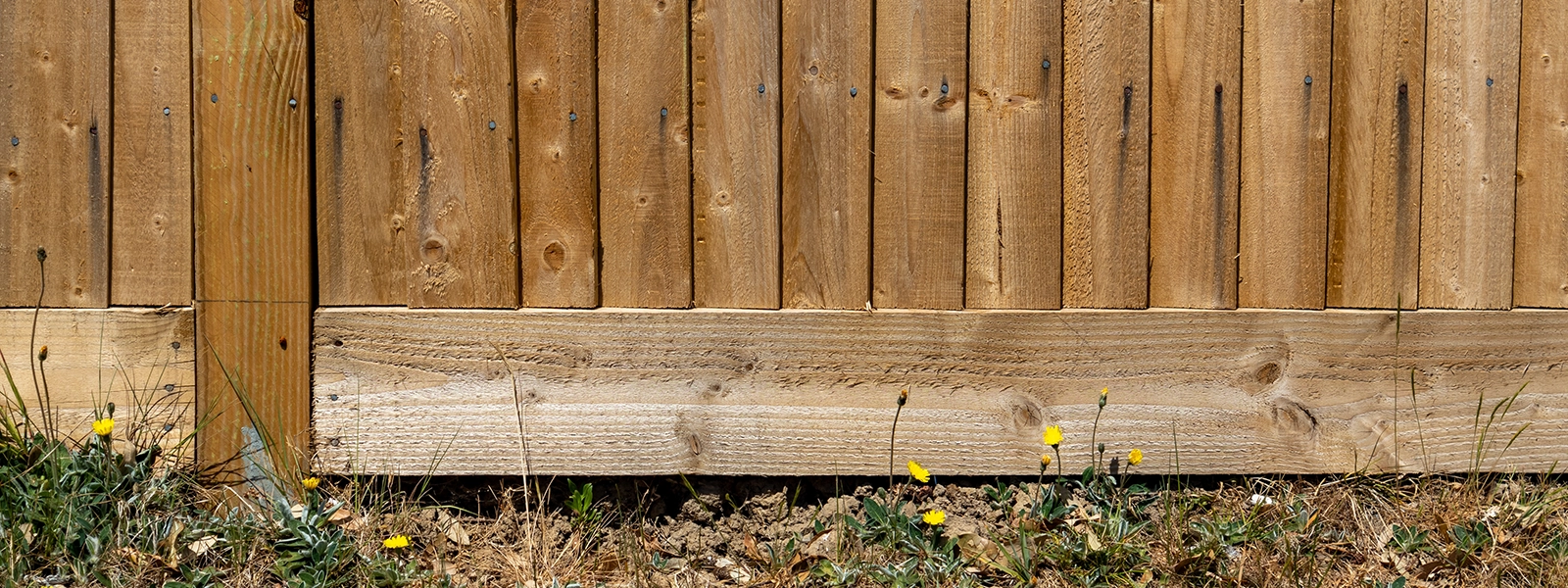
Gravel boards are often overlooked when planning fencing, but they play one of the most important roles in protecting your investment. The bottom of a fence panel is the most vulnerable area. Constant contact with damp soil and splashback from rain accelerates rot. Over time, this weakness can undermine the structure and shorten the lifespan of the entire fence. By understanding how gravel boards work and where they fit into your overall fencing project, you can save time, money, and effort in the long run.
Why gravel boards matter
Gravel boards act as a barrier between the ground and the timber panel. By lifting the panel slightly above soil level, they reduce moisture absorption and prevent premature decay. This is especially important in gardens with heavy clay soil, poor drainage, or shaded areas where the ground rarely dries out fully. In these conditions, without protection, timber components absorb more moisture, leading to swelling, rot, and a less secure fence.
There are two common types of gravel boards: timber gravel boards that are treated for durability and concrete gravel boards, which offer maximum longevity and rot resistance. Each option has its advantages, and your choice often depends on the look you want, the level of maintenance you’re prepared to undertake, and the local climate.
Timber gravel boards versus concrete gravel boards
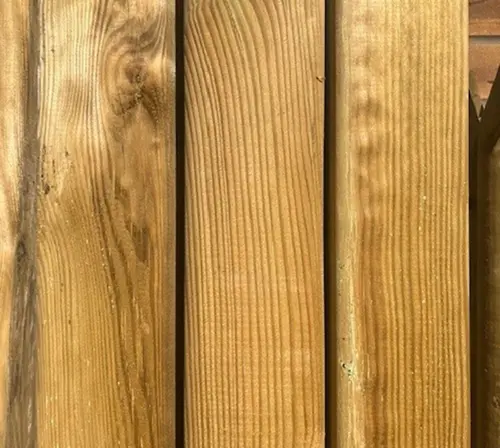
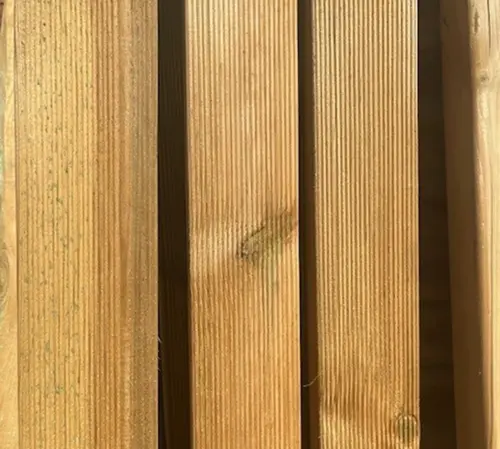
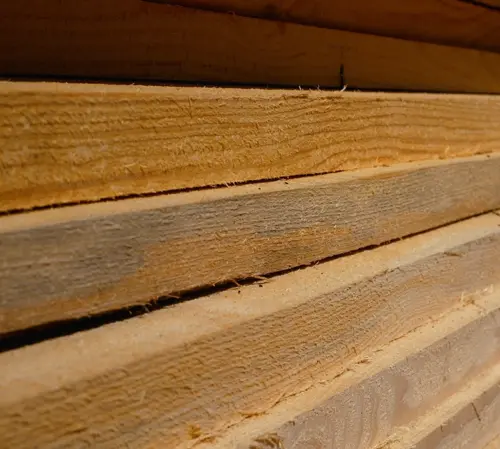
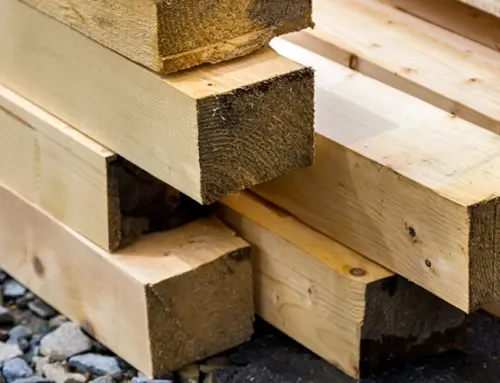
- Timber gravel boards: Treated timber can provide a more uniform appearance when paired with wooden posts. They blend seamlessly with traditional timber fencing and can be a cost-effective option. With proper treatment and regular maintenance, timber boards can last a considerable time, and they’re generally easier to cut and install for DIY enthusiasts.
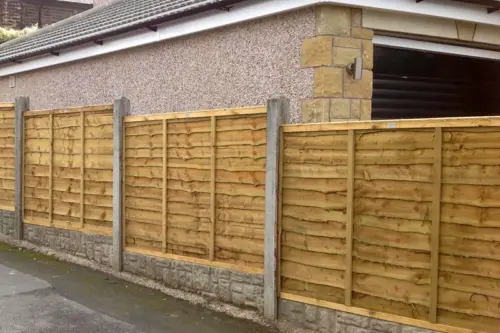
- Concrete gravel boards: Concrete offers superior durability and virtually eliminates rot risk entirely. If you live in a region with persistent dampness, very poor drainage, or high rainfall, concrete boards can be a long-term solution that reduces maintenance. They are usually heavier and may require more robust fixing, but they tend to withstand ground moisture for decades.
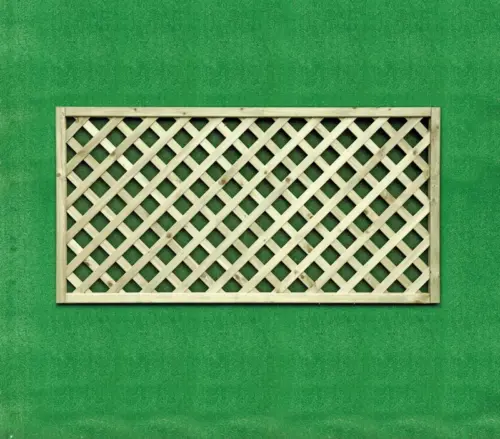
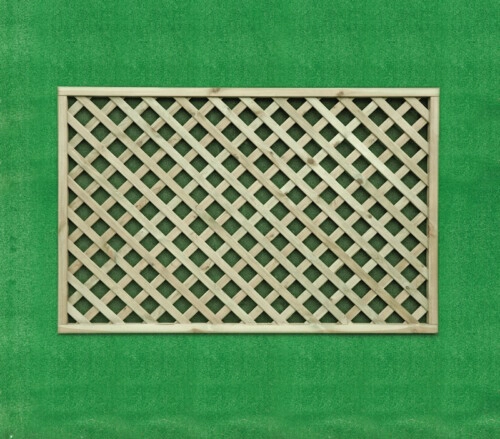
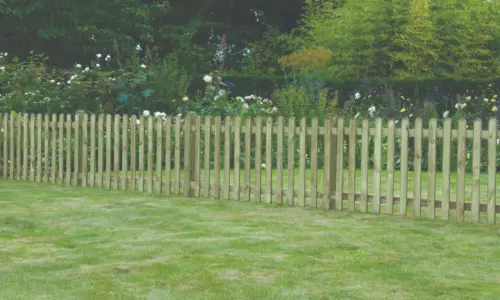
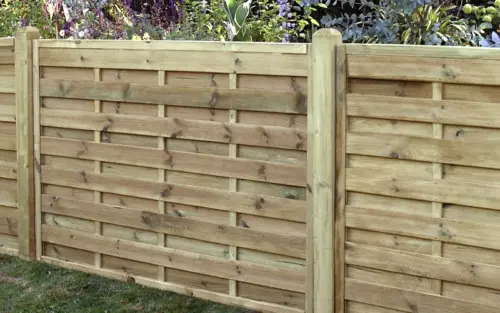
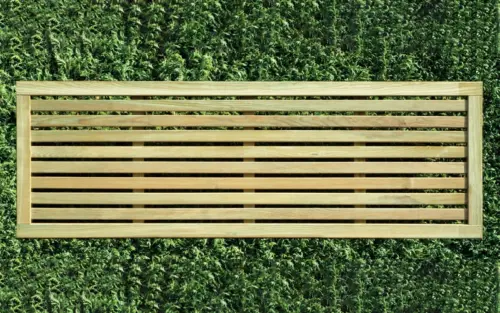
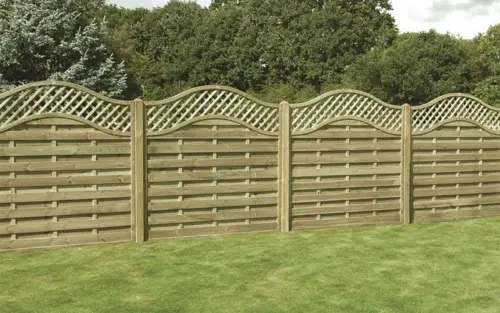
Your decision may also be influenced by the style you’re aiming for. Some decorative garden gates and decorative fence panels pair nicely with timber gravel boards due to their consistent natural look, while others prefer the stark, durable appearance of concrete.
Installing gravel boards – a smart investment
Installing gravel boards at the time of fence installation is a small additional investment that can significantly extend fence’s lifespan. The upfront cost is quickly offset by reduced maintenance needs and fewer early repairs. When planning, consider the following:
- Height and positioning: Gravel boards should sit just above the ground level to keep the timber panel out of direct contact with damp soil. Ensure the board aligns with the bottom of your fence panels and posts for a clean, professional finish.
- Fixings and durability: Use weather-resistant fixings designed for exterior use. For timber boards, galvanised or stainless steel screws and nails help prevent corrosion. If you’re using concrete boards, ensure your posts are securely anchored and compatible with the board thickness.
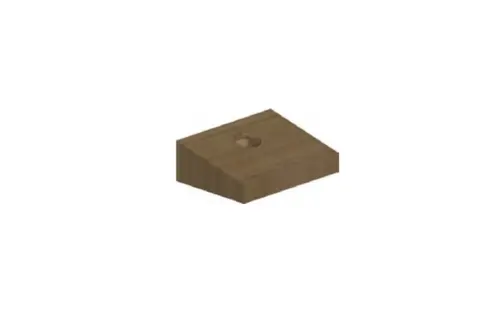
- Ground conditions: In soils with heavy clay or poor drainage, you may want to add a small sloped base or a moisture barrier beneath the gravel board to further reduce moisture transfer to the timber.
Retrofit options – upgrading existing fencing
Even retrofitting gravel boards to existing fencing can improve durability. This is a practical upgrade for homes with long-established fences or where soil conditions have changed over time. Steps typically involve:
- Assessing the current fence condition and ensuring it’s structurally sound enough to support an added board.
- Selecting the appropriate gravel board type (timber or concrete) and measuring for a precise fit.
- Preparing the ground and posts, ensuring a level surface so the board sits correctly.
- Fixing the gravel boards securely to the posts using corrosion-resistant hardware.
- Checking for even gaps and a neat finish to maintain the fence’s appearance, especially if you have decorative panels or decorative garden gates.
Practical tips for longevity
- Choose high-quality materials: Opt for pressure-treated timber or a reputable concrete product to maximise longevity.
- Maintain the fence: Regularly inspect for loose fixings, cracks in the gravel boards, or any signs of moisture damage to the panels above.
- Protect the aesthetics: If you value a consistent look, timber gravel boards offer a natural appearance that blends with wooden posts and decorative fence panels. For a more rugged, durable finish, concrete boards may be preferable.
- Consider drainage: If your garden has persistent dampness or shaded areas, improving drainage around the fence line can complement the protection offered by gravel boards.
Protecting the base of your fence is one of the simplest, most effective ways to ensure it stands strong for years to come. Gravel boards, whether timber or concrete, provide a practical barrier that reduces moisture absorption, minimises rot, and extends the life of your fence. Whether you’re installing 6ft fence panels for a medium-sized garden or choosing decorative panels to accent your landscape, the right gravel board choice can align with your style while delivering lasting durability. If you’re considering decorative garden gates or a cohesive look with your fence posts, gravel boards are a small detail with a big payoff. Investing now in gravel boards is a smart move for any homeowner seeking long-term value and dependable performance from their fencing.