
If your stove isn’t producing the heat you expect, or the glass keeps blackening, the issue is often the firewood rather than the stove itself. Many problems blamed on appliances are actually caused by poor-quality logs. In this guide, we’ll explore how the quality and handling of firewood can dramatically affect stove performance, and what you can do to fix it.
The surprising culprit behind stove performance
When temperatures drop and you light a fire, your first instinct is to check the stove’s settings, seals, and ventilation. But the real driver of warmth and efficiency might be the logs you’re burning. Logs with high moisture content, uneven sizing, and other quality issues can undermine heat output, increase smoke, and create stubborn soot deposits. By understanding the role of wood quality, you can often restore stove performance without costly upgrades or extensive maintenance.
Keywords to keep in mind as you read – Why Your Stove Isn’t Performing Properly (And It Might Be the Logs). This title-conscious phrase captures the core idea – the logs are often the missing link between expectation and reality when it comes to stove heat and cleanliness.
High moisture content, water in the wood weighs you down
- What happens – Logs with too much moisture struggle to burn efficiently. Instead of producing heat, energy is spent driving water out of the wood. This results in weak flames, lower temperatures, and more smoke.
- Consequences – A damp fire leads to cooler rooms, more frequent refuelling, and increased creosote formation in the flue. The glass can accumulate soot more rapidly, requiring more frequent cleaning.
- What to look for – Freshly cut logs that feel cool to the touch inside a bundle, or logs that emit a hissing sound when broken. If you can’t readily identify moisture by feel, a moisture meter can be a worthwhile investment.
- The fix – Use properly dried, seasoned logs with a moisture content around 15%–20% for many stoves (check your stove’s manual for exact recommendations). Allow wood to season for at least six months to a year, depending on species and climate. Store logs delivered in a dry, well-ventilated area off the ground and covered on top to protect from rain but not sealed, which keeps air circulating.
Inconsistent log sizes, airflow matters for clean burning
- What happens – Uneven or oversized logs restrict airflow, making it difficult for fires to burn cleanly. When air cannot circulate efficiently, combustion becomes incomplete, producing more smoke and less heat.
- Consequences – Inconsistent sizing can lead to fluctuating heat levels, stubborn fuel gaps, and more frequent adjustments of the damper. The result is a less predictable fire and a messier stove interior.
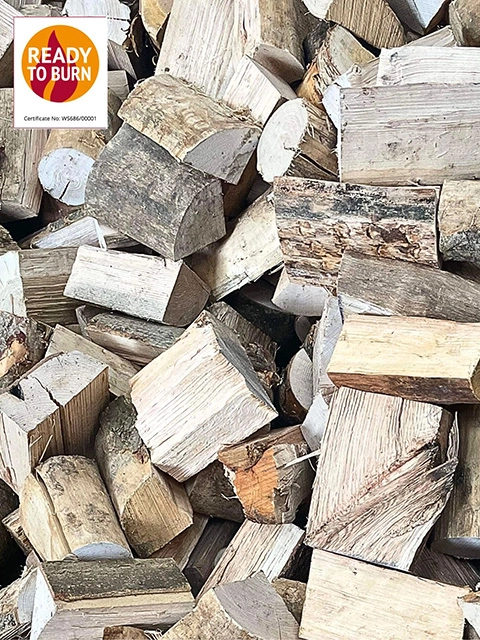
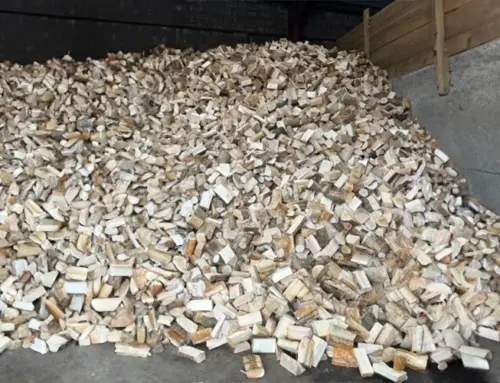
- What to look for – A mix of sizes within a stack, with some logs too thick to fit efficiently in the grate or chosen burning chamber. Chainsaw-cut uniform pieces are ideal, but even hand-cut logs can be manageable with consistent dimensions.
- The fix – Aim for consistent log sizing. Cut logs into uniform lengths and, where possible, into uniform diameters. A standard approach is to split larger logs into quarters or halves to create a steady fuel stream that promotes steady airflow and easier control.
Excess soot and tar build-up, the wood quality impact
- What happens – Poor logs create soot and tar deposits inside the stove and flue. These byproducts reduce efficiency and increase maintenance needs.
- Consequences – Soot buildup can impair heat transfer, block air paths, and raise the risk of chimney fires. Tar deposits can coat the glass, causing permanent blackening that’s hard to remove.
- What to look for – A rapid accumulation of blackened glass, reduced flame clarity, or a smoky, acrid smell even when the stove is well-ventilated.
- The fix – Cleanliness starts with better logs. High-quality, well-seasoned logs burn cleaner with less soot. Regular stove maintenance remains essential, but choosing logs with the right moisture and density reduces the rate of deposit formation.
The simple fix, switching to properly dried, high-quality logs
- The core solution – Switching to properly dried, high-quality logs often restores stove performance immediately. You can expect improved heat output, easier ignition, and less frequent cleaning when you switch to logs with appropriate moisture content and uniform sizing.
- Practical tips – Buy from reputable suppliers who store logs off the ground and provide clear moisture content details.
- Request species that season well in your climate; hardwoods like oak, beech, or birch often burn longer and hotter when properly seasoned, though availability and cost vary by region.
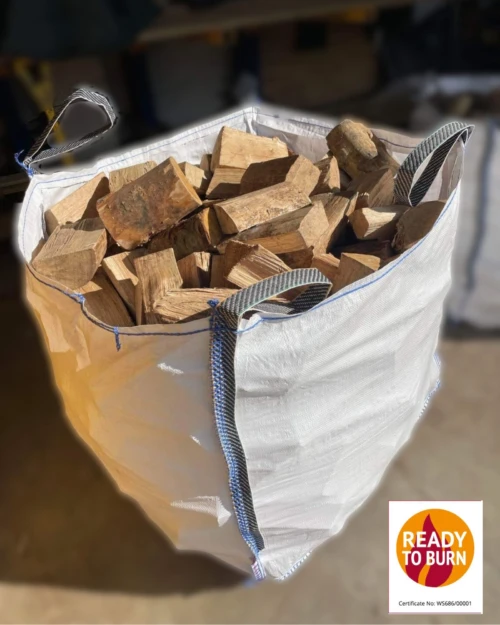
- Stage your wood supply – having a mix of seasoned logs Ready to Burn reduces the temptation to burn unseasoned wood to save money, which only harms performance.
- Practice proper stacking – stack logs in a crisscross or open-stack pattern to promote air flow and even drying inside the pile.
- What to measure success by – Consistent flame colour, stable heat output, minimal glass soot, and lower creosote buildup in the flue after several weeks of proper wood use.
Choosing the right logs for sale, getting the right finish for your stove
- The buying decision – When choosing logs for sale, consider moisture content, wood species, and log sizing. The right combination can make a bigger difference than upgrading your stove.
- How to evaluate suppliers – Look for certification or clear moisture readings, ask about seasoning practices, and inquire about delivery conditions or storage recommendations. Reputable suppliers will be transparent about the wood’s age and dryness.
- Long-term savings – While high-quality logs may have a higher upfront cost, they can reduce fuel consumption, lower cleaning and maintenance needs, and extend the life of stove components by reducing tar buildup.
Practical steps you can take today
- Step-by-step checklist –
- Inspect the current logs – check moisture, uniformity, and size.
- Replace damp or inconsistent logs with dry, evenly sized pieces.
- Ensure proper air supply – keep vents and doors adjusted for efficient combustion.
- Schedule a chimney sweep if you notice excessive soot or creosote buildup.
- Maintain a log stock that matches your stove’s recommended moisture content.
- Quick wins – A small amount of properly dried, high-quality logs can transform a marginally performing stove into a reliable heat source within a few fires.
Why Your Stove Isn’t Performing Properly (And It Might Be the Logs) captures a simple truth – the quality and handling of firewood often outshine the stove itself when it comes to performance. High moisture content logs for sale, inconsistent log sizes, and excessive soot due to poor wood can all undermine efficiency and comfort. By switching to properly dried, high-quality logs and paying attention to sizing and storage, you can restore heat output, reduce cleaning, and enjoy a cleaner, more efficient burn. The next time your stove seems stubborn or smoky, start with the logs, you may find the solution is quicker and more affordable than you expect.
For logs for sale Blackburn, logs for sale Burnley, logs for sale Darwen, logs for sale Rossendale, logs for sale Accrington, logs for sale Colne, logs for sale Nelson or logs for sale Clitheroe order online below.