
If you’ve been looking for logs for sale in recent years, you’ll have seen the phrase ready to burn used more often. This isn’t just marketing hype; it’s part of UK wood fuel regulations designed to improve air quality. So what does “ready to burn” really mean, and why should you care? This article unpacks the concept, explains the regulations, and helps you make smarter choices about your firewood.
The shift toward cleaner burning
In many homes, the fireplace or wood-burning stove is a beloved feature, delivering warmth and a comforting ambience. However, the way we fuel those fires can have a big impact on indoor comfort, chimney maintenance, and the environment. The term ready to burn is now a common label on wood products, signalling compliance with moisture standards that support cleaner, more efficient combustion. By understanding what ready to burn means, you can choose logs that perform reliably while meeting legal and environmental expectations.
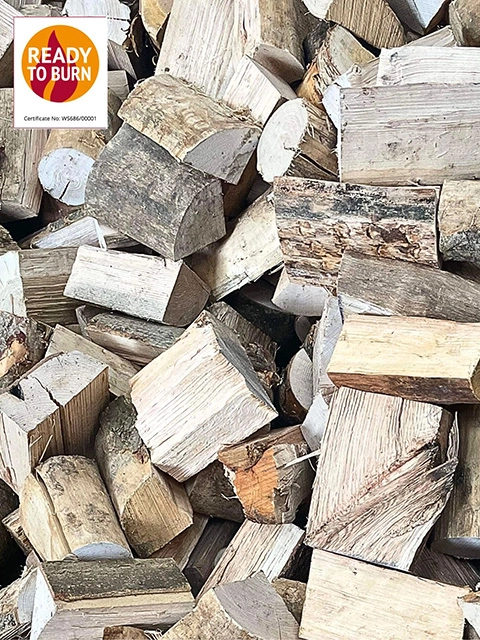
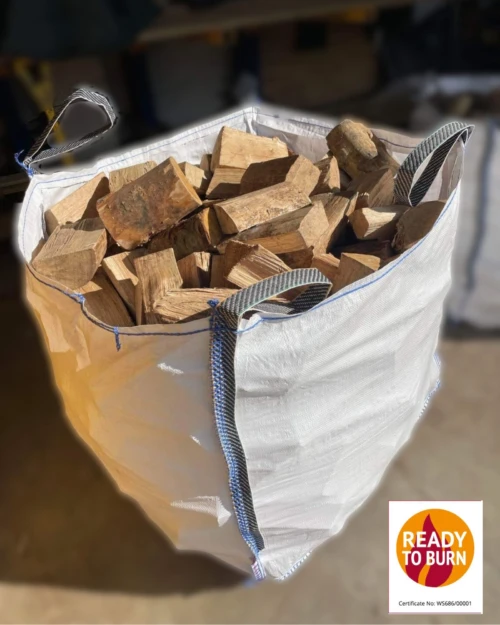
What “ready to burn” means in practice
- Moisture content – The key standard is that Ready to Burn logs must have a moisture content of 20% or less. This ensures the wood ignites readily and burns hot and cleanly.
- Immediate use – Logs labelled ready to burn are suitable for immediate use in stoves and open fires without the need for lengthy seasoning.
- Predictable performance – With low moisture content, you’ll typically experience steadier flames, reduced creosote buildup, and fewer clogging issues in the chimney.
These points reflect what the consumer-facing term promises – a product you can burn now, with less hassle and better efficiency.
Why the rules exist – improving air quality and efficiency
- Cleaner burning – Wet or green wood tends to smoke more, releasing higher levels of particulate matter and volatile organic compounds. Dry logs burn more completely, producing fewer emissions per burn.
- Better efficiency – When the moisture is low, the heat of the fire is used to actually heat your room rather than evaporating water. This means you use less wood to achieve the same warmth.
- Health and environment – Reducing smoke and pollutants from domestic fires contributes to better air quality in communities, particularly in urban areas and during cold months when homes burn more.
The regulations reflect a broader strategy to balance traditional heating needs with modern environmental standards, ensuring households can enjoy the cosiness of wood fuel without compromising air quality.
How kiln-dried logs comply with the regulations
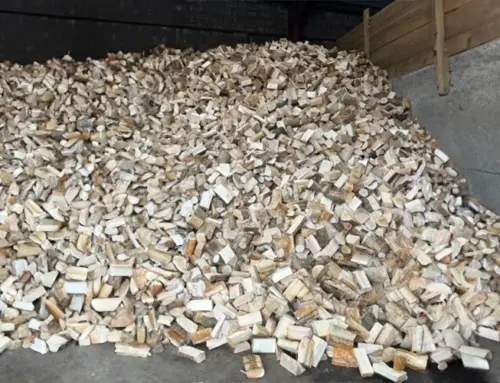
- Controlled drying process – Kiln-dried logs delivered are dried in carefully monitored kilns that regulate temperature and humidity. This controlled environment yields consistent moisture levels, typically reaching 20% or below.
- Consistency and reliability – Because the drying is controlled, you can rely on a predictable moisture content batch after batch, reducing the guesswork involved with air-dried wood.
- Compliance by design – The manufacturing process is geared toward meeting the moisture criteria, so products labelled kiln-dried are designed to comply with the ready to burn standard.
If you’re evaluating wood suppliers, asking whether logs are kiln-dried or air-dried can help you gauge both performance and compliance. Kiln drying is often presented as a premium option, but it’s the most straightforward route to meeting the 20% moisture requirement consistently.
Why it matters to you – practical benefits of compliant logs
- Protecting your stove – Dry logs reduce the amount of moisture entering the appliance, which minimises condensation on internal components and helps maintain efficient operation.
- Reducing chimney maintenance – Cleaner, drier combustion produces less creosote buildup, lowering the risk of chimney fires and reducing maintenance frequency.
- Legal and efficient burning – Using logs that meet the regulations helps ensure you’re burning legally and efficiently, avoiding potential penalties or grievances with local regulation enforcement.
- Long-term satisfaction – Properly dried firewood tends to burn cleaner, hotter, and more consistently, resulting in fewer problems such as staling, excessive smoke, or damp-room odours.
Choosing properly dried firewood isn’t just about meeting a standard, it’s about practical daily comfort and long-term costs. By prioritising logs that meet the ready to burn criterion, you invest in a more reliable heating experience.
Practical tips for buyers
- Look for explicit moisture information – Reputable suppliers will state the moisture content on the label or product page. Aim for 20% or less.
- Prefer kiln-dried when possible – Kiln-dried logs generally meet the standard consistently and are often easier to source in regulated markets.
- Check certification or credentials – Some suppliers provide assurance through certifications or clear statements about compliance with wood fuel regulations.
- Consider your stove type and fuel needs – Some stoves perform best with certain log sizes or types of wood. Ensure the logs you buy suit your appliance and usage pattern.
- Store correctly after purchase – Even compliant logs can absorb moisture if stored improperly. Keep them off damp ground, covered but with air circulation, and stacked so air can move between pieces.
Wood fuel regulations explained as “ready to burn” are more than a marketing label, they reflect a commitment to cleaner air, better burning efficiency, and safer home heating. Kiln-dried logs that meet the 20% moisture content standard provide reliable performance, reduce maintenance, and help you burn legally and responsibly. When shopping forlogs for sale, prioritise products with clear moisture specifications and, ideally, kiln-dried processing. In doing so, you’ll enjoy warmer rooms, fewer problems with your stove or chimney, and the peace of mind that your wood fuel choices align with UK regulations and environmental goals.
By understanding what ready to burn really means, you can make informed decisions that benefit your home, wallet, and the broader community.
For logs for sale Blackburn, logs for sale Burnley, logs for sale Darwen, logs for sale Rossendale, logs for sale Accrington, logs for sale Colne, logs for sale Nelson or logs for sale Clitheroe order online below.