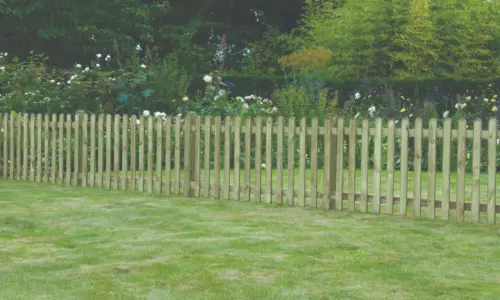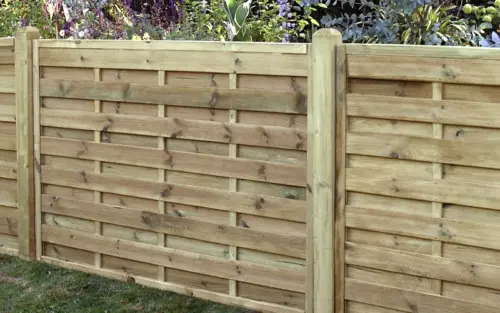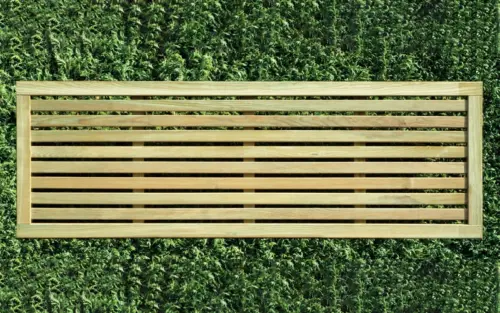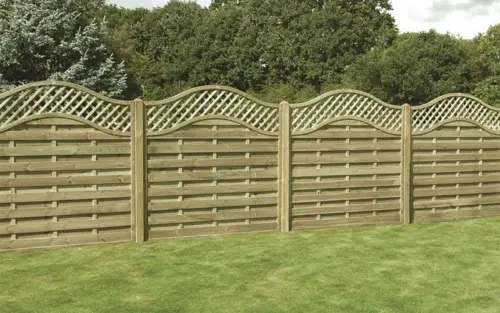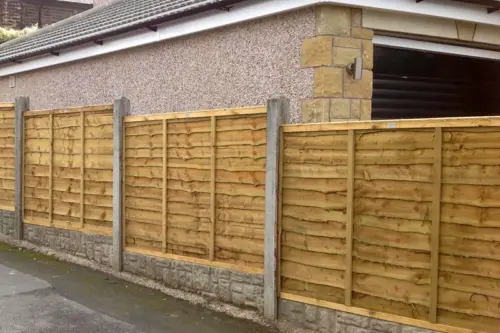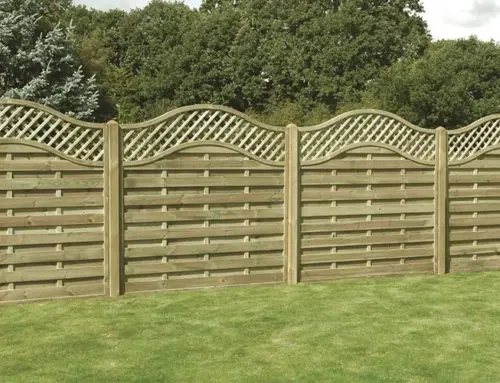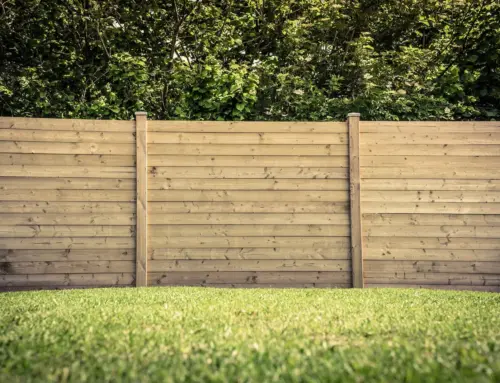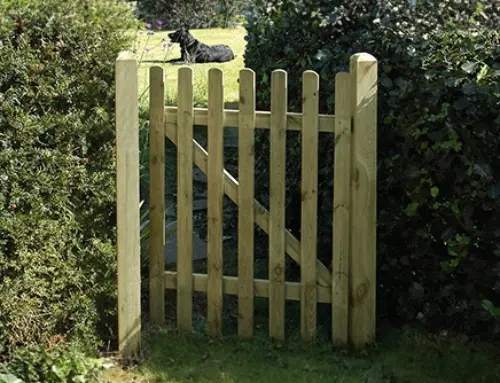

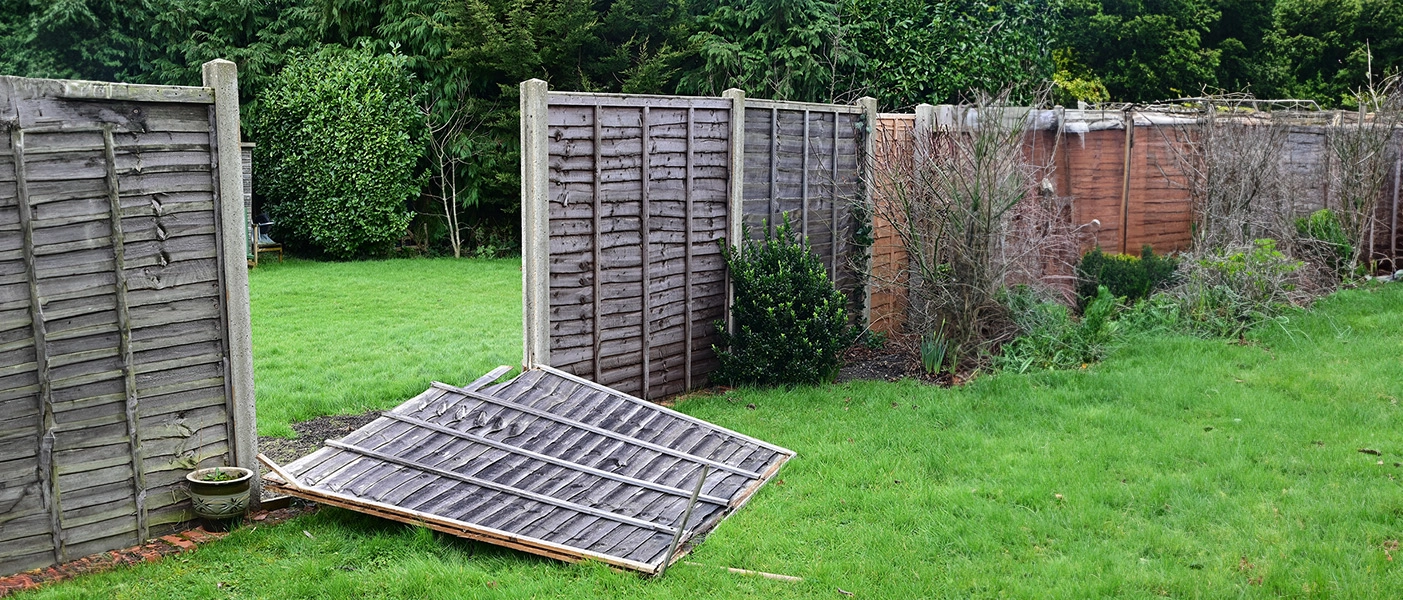
Fence posts are the sturdy backbone of any fencing project. The decision between wooden and concrete posts comes down to appearance, durability, and long-term maintenance. In this guide, we’ll compare wooden fence posts and concrete fence posts, explore their pros and cons, and help you decide which system best suits your property. We’ll weave in practical tips for installation and maintenance, with a nod to popular fencing products like decorative fence panels, 6ft fence panels, and traditional garden gates. If you’re weighing options for a garden fence or boundary fence, read on to understand the differences and how to choose confidently.
Why fence posts matter as much as panels
When planning a fence, most homeowners start with panels, gates, and the overall style. Yet the posts that anchor those panels are equally important. The right posts ensure stability, longevity, and a look that harmonises with your landscape. Whether you’re aiming for a traditional garden aesthetic or a more modern, durable boundary fence, wooden posts and concrete posts each offer distinct benefits. By examining appearance, durability, and maintenance, you’ll be better prepared to select “Wooden vs Concrete Fence Posts – Which Is Best for Your Garden?” for your property.
Wooden fence posts – natural charm and flexible installation
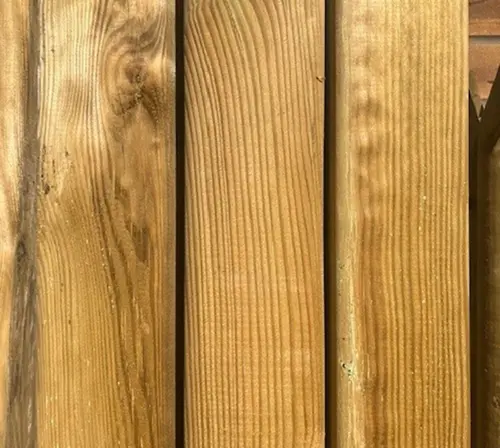
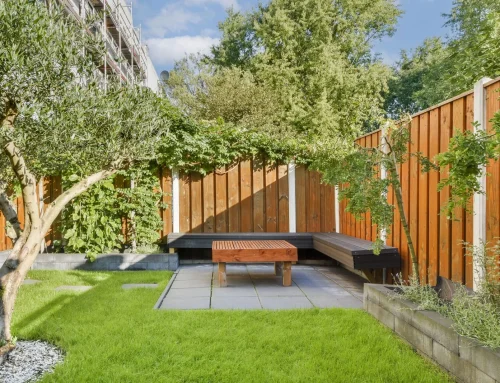
Wooden fence posts are a classic choice for many gardens. They offer a warm, natural appearance that blends seamlessly with plantings, timber features, and decorative fence panels. They’re also known for being easier to cut and adjust on-site, which can speed up installation, especially for DIY projects.
Pros of wooden posts
- Traditional appearance: A timeless, natural look that suits cottage gardens, country properties, and heritage-style setups.
- Easier to cut and adjust: Wood can be trimmed or reseated more readily than concrete, allowing for fine-tuning during installation.
- Often lower upfront cost: In many markets, the initial price of timber posts and associated fittings can be more affordable than concrete.
Cons of wooden posts
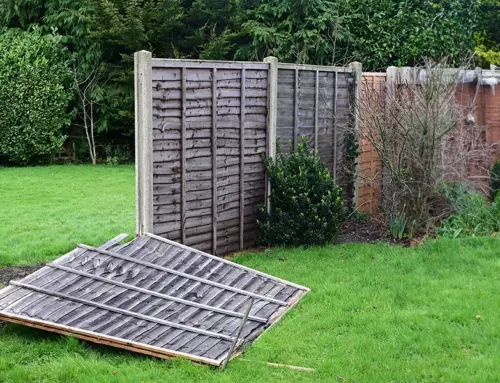
- Vulnerable to rot over time: Without proper treatment and maintenance, moisture can lead to decay and reduced structural integrity.
- Shorter lifespan if drainage is poor: Poor drainage around the post base can accelerate rot and insect problems.
- Require pressure treatment for durability: High-quality pressure-treated timber lasts longer and resists fungal decay, but it still needs attention to installation details.
Maintenance considerations
- Use pressure-treated timber or naturally rot-resistant species.
- Ensure proper drainage around posts and avoid soil saturation.
- Apply sealants or paints designed for exterior timber to extend life.
- Check for signs of movement, cracking, or loosening, and replace posts as needed.
Installation tips
- Use suitable post conduits or sleeves in damp soil to reduce water exposure.
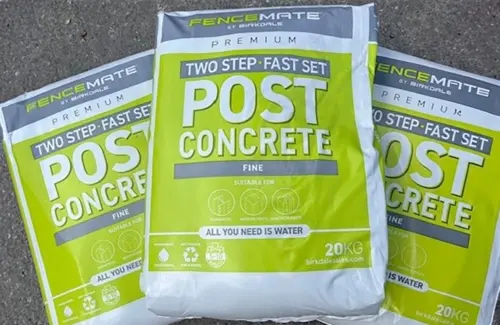
- Set posts in concrete when you need enhanced stability, especially in windy or uneven terrain.
- Align posts precisely with the panel rails for a neat, uniform fence.
Longevity and scenarios
- Ideal for decorative gardens, traditional garden gates, and areas where aesthetics matter.
- A great option for shorter runs or low-traffic fences where weight-bearing demands are modest.
Concrete fence posts – strength, longevity, and wind resistance
Concrete fence posts are built for durability and minimal maintenance. They’re particularly popular in exposed or windy locations where a robust, low-maintenance solution is desirable. If long-term stability is a priority, concrete posts often prove to be a strong value.
Pros of concrete posts
- Extremely durable: Resistant to warping, cracking from moisture, and general wear.
- Rot-proof: Unlike timber, concrete posts won’t rot, making them ideal for damp soils or poorly drained sites.
- Excellent wind resistance: Heavier weight and solid construction provide stability in exposed environments.
Cons of concrete posts
- Heavier and harder to install: Transportation and installation typically require machinery or additional manpower.
- More industrial appearance: Some may find concrete posts less visually compatible with traditional or rustic garden aesthetics.
- Higher initial cost: The upfront expense can be higher than timber, though long-term maintenance costs are often lower.
Maintenance considerations
- Concrete posts require little maintenance beyond ensuring the concrete remains intact and free of cracks that could invite water intrusion.
- Check the connection hardware regularly to avoid panel movement.
- If you use decorative fence panels or traditional garden gates alongside concrete posts, plan for a harmonised look with complementary hardware.
Installation tips
- Ensure a deep, well-compacted base or concrete footings for stability.
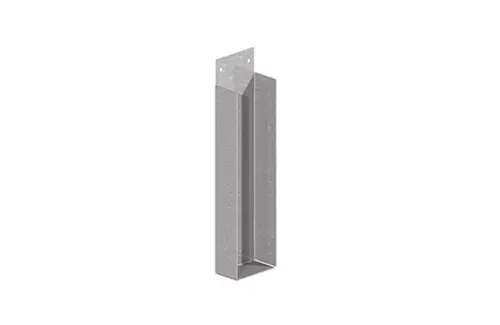
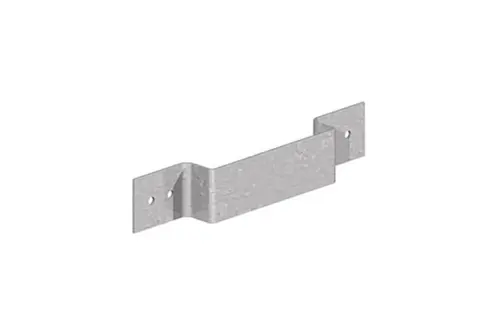
- Use appropriate post anchors and brackets designed for concrete to maintain alignment.
- Consider using a concrete sleeve or post anchors to ease panel mounting and future replacements.
Longevity and scenarios
- Ideal for boundary fencing, long runs, or windy sites where reliability over decades is a priority.
- A practical choice for modern or industrial landscapes where a durable, low-maintenance solution is desired.
Which should you choose? A practical decision framework
To decide between wooden posts and concrete posts, start with your priorities:
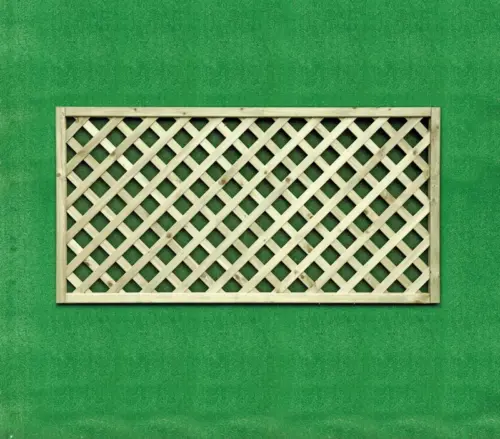
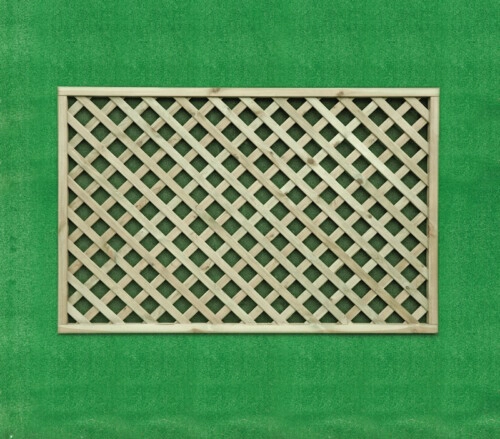
- Appearance: If you want a warm, natural look that blends with gardens and decorative fence panels, wooden posts are often preferred. They work well with traditional garden gates and decorative garden gates panels to create a cohesive, charming aesthetic.
- Durability and weather: For exposed locations, windy conditions, or damp soils where rot is a concern, concrete posts offer superior durability and wind resistance.
- Maintenance and lifecycle costs: Wooden posts can be less expensive upfront but may require ongoing maintenance and eventual replacement. Concrete posts incur higher initial costs but offer longer-term, low-maintenance performance.
Practical tips for making the call
- Evaluate local climate and soil drainage. Poor drainage around wooden posts increases rot risk.
- Consider the overall fence design: For a mix of decorative panels and traditional gates, timber can provide a complementary look; for utilitarian boundary fences, concrete posts may reduce maintenance over time.
- Factor installation capabilities: If you’re DIY-ing, timber posts may be easier to handle; if you’re hiring professionals and prioritising longevity, concrete posts can be a smart investment.
Recommended product alignment
- For decorative gardens, wooden posts paired with decorative fence panels and Traditional garden gates offer an authentic feel.
- For boundary fencing and long-term durability, concrete posts with robust fence panels can provide a low-maintenance, high-value solution.
February is a great time to assess your existing fencing and plan for the year ahead. By evaluating your property, you can decide which system best suits your garden or boundary needs before spring projects begin. Whether you’re updating 6ft fence panels, choosing decorative fence panels, or considering new garden gates, the choice of posts will shape the look, resilience, and upkeep of your fence for years to come.
In summary, wooden fence posts and concrete fence posts each have distinct advantages. Wooden posts deliver a traditional, natural aesthetic with flexible installation, but require ongoing maintenance to prevent rot and ensure longevity. Concrete posts offer exceptional durability, rot resistance, and wind tolerance, with a higher upfront cost and a more industrial vibe. Your decision should reflect the look you want, the site conditions, and how much maintenance you’re willing to invest over the life of the fence. By aligning your choice with your garden style, fence panels, and gates, you’ll create a sturdy, attractive fence that stands the test of time.