
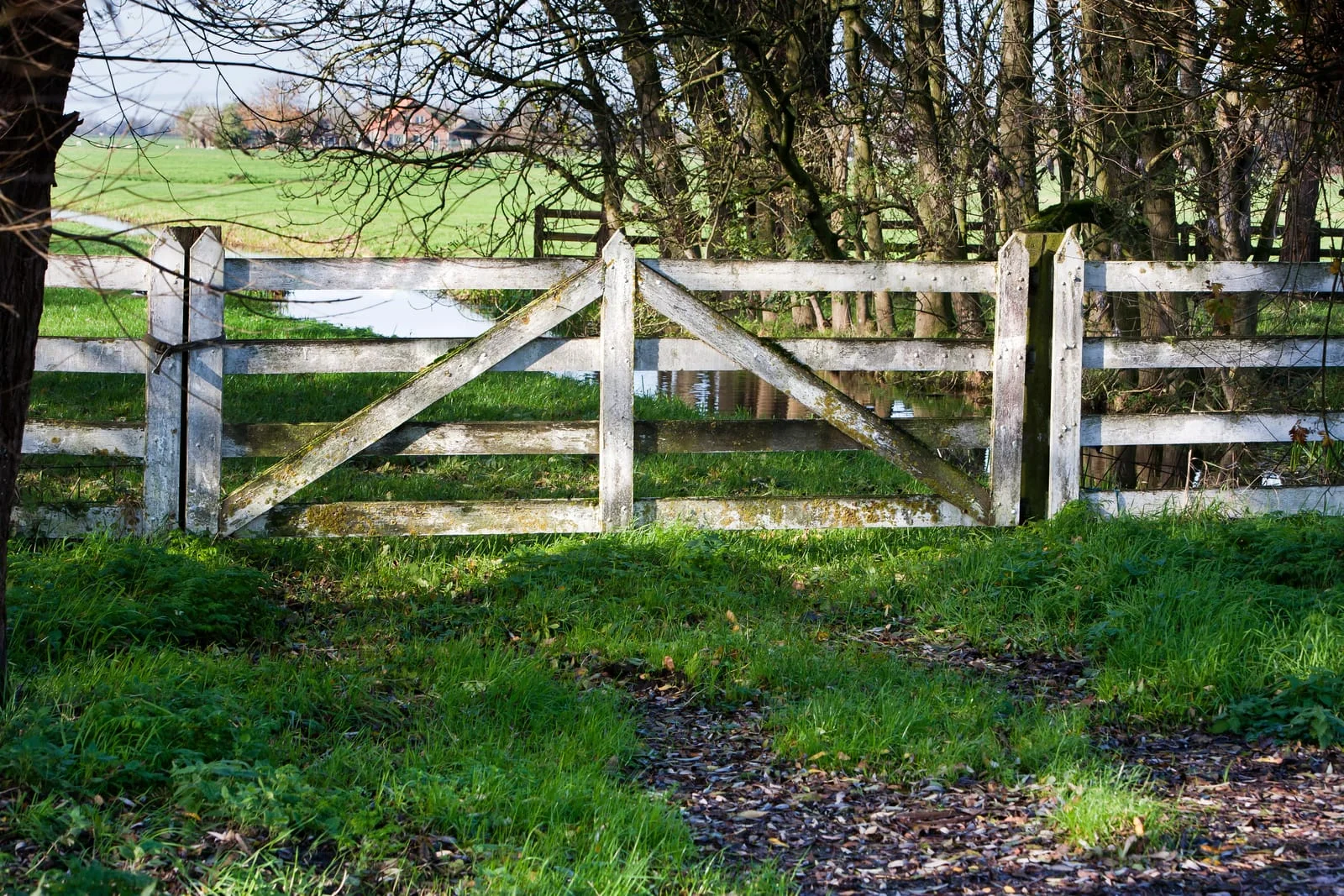
A gate that sags, drags on the ground, or simply won’t close properly is one of the most common garden frustrations. The good news is that in many cases, you can diagnose and fix the problem without replacing the whole gate. This guide walks you through the reasons gates sag, how to check the hinges and posts, practical quick fixes, and when it’s time to consider a full replacement. Along the way, we’ll highlight reliable options from Empress Fencing and tips to keep your garden looking tidy with decorative fence panels and sturdy fence posts.
Why do gates sag?
Garden gates sag for a few reasons, but the most frequent culprit is hinge failure. Screws can work loose over time, hinges themselves can wear or corrode, or the timber around the hinge can rot. In some cases, the gate post has shifted or moved, which is a more significant repair job. Understanding the root cause helps you choose the most effective fix and prevents wasted effort.
Key factors that contribute to sagging:
- Loose or worn hinges
- Stripped screw holes or damaged hinge hardware
- Rot or deterioration of the timber around the hinge (stile)
- A leaning or unsettled gate post
- Foundation shifts in the post base or concrete
By systematically assessing these elements, you can determine whether a quick adjustment will do or if deeper repairs are required.
Check the hinges first
Start by inspecting both hinges closely. This step is often enough to identify the problem and set you on the right repair path.
- Tighten screws: If screws are loose, tighten them firmly. Use a screwdriver that fits the screw heads well to avoid stripping.
- Repair stripped holes: If the screw holes have stripped, fill them with a wooden dowel and wood glue. Let the glue cure fully, then re-drill and refit the screws. This creates a fresh bite for the screws to hold.
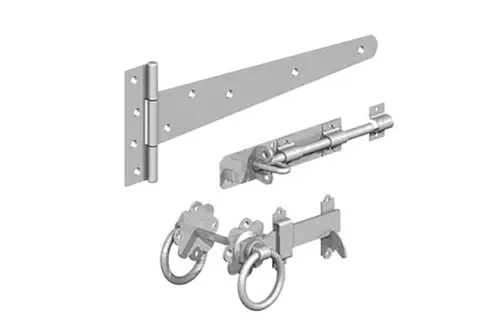
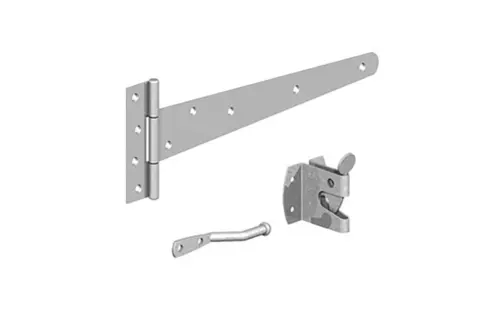
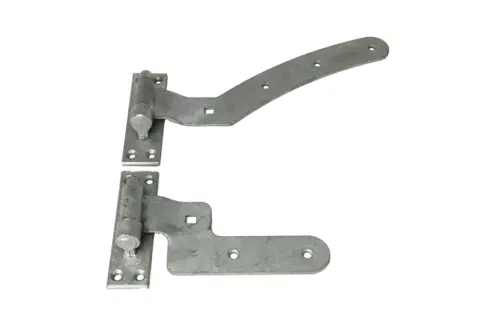
- Replace bent or corroded hinges: If a hinge is bent, cracked, or heavily corroded, replace it with a new one. For outdoor gates, always choose stainless steel hardware to resist rust and ensure longevity.
- Consider hinge mounting: If possible, check whether the hinge screws are pulling away from the timber. If the surrounding wood is soft, you may need to reinforce the mounting with longer screws or through-bolts, and ensure you’re anchoring into solid timber or a metal substrate where practical.
If, after addressing the hinges, the gate still sags, move on to the post and frame analysis.
Is the post the problem?
Stand back and observe the gate in its closed position. Is the gate leaning or sticking from one side? A leaning gate post is a common cause of ongoing sagging problems.
What to look for:
- Tilted post: A post that leans in any direction will cause the gate to sit off plumb and rub when closing.
- Base rot: The bottom of the post or the surrounding base may have rotted, creating a weak foundation.
- Cracked or cracked concrete: When the concrete around the post base cracks, it can allow movement that shifts the gate’s alignment.
If the post is the issue, you have a couple of options:
- Re-set the post: This involves removing the old post, preparing a new hole, and setting a fresh post in post mix. This is a more involved job but (when done correctly) yields a solid, long-lasting result.
- Improve support: In some cases, adding metal brackets or reinforce posts with additional supports can reduce movement, but this is often a temporary measure unless you address the root cause.
Note that re-setting a post is more practical for wooden gates mounted on timber posts. For heavier or taller gates, you may want to consider professional help to ensure proper alignment and load-bearing capability.
Anti-sag kits – a quick, effective fix
For lighter gates, an anti-sag corner kit can provide an inexpensive and efficient fix. These kits use a diagonal wire brace across the gate frame, with a tensioner that you tighten to pull the sagging corner back up. They’re easy to install, unobtrusive, and can restore a gate’s proper alignment without major work.
Steps for using an anti-sag kit:
- Remove the gate from hinges or place it on a stable surface.
- Attach the diagonal brace across the corner that sags, following the kit’s instructions.
- Use the tensioner to draw the sagging corner upward until the gate hangs plumb and closes properly.
- Refit the gate and test the swing and latch.
Anti-sag kits are a practical option for 6ft fence panel and lighter timber gates, especially if you’re looking for a budget-conscious fix while you plan longer-term improvements.
When to replace – is the timber beyond repair?
If the timber itself is badly rotted, particularly through the stile where the hinge is attached, it’s usually more cost-effective to replace the gate entirely. Rot, insect damage, or extensive warping can compromise structural integrity and long-term performance, making repair impractical.
Replacement considerations:
- Gate material: Choose between traditional garden gates timber and more weather-resistant options like treated timber or composite alternatives.
- Style and fit: Ensure the new gate matches your fencing style, height, and opening width. decorative fence panels can inspire a cohesive look for gardens with a mixed aesthetic.
- Hardware: Modern, corrosion-resistant hardware will extend the life of your gate in outdoor conditions.
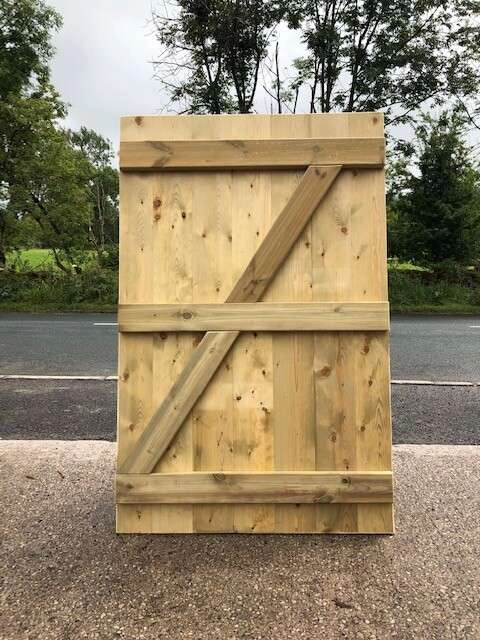
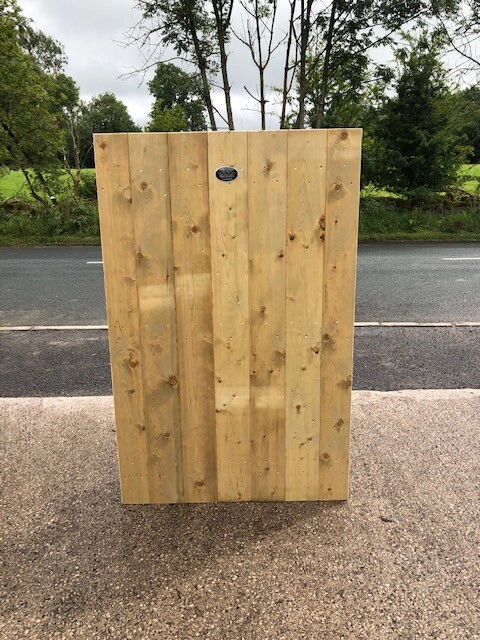
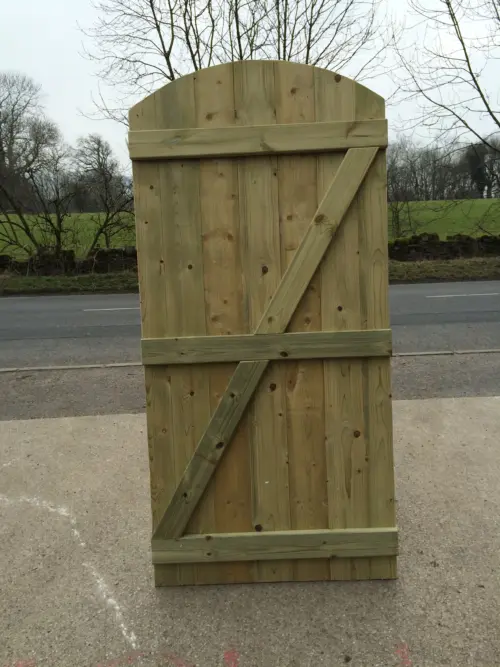
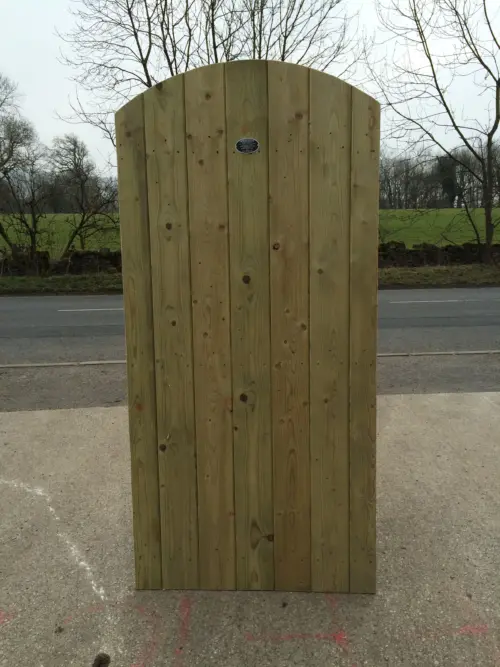
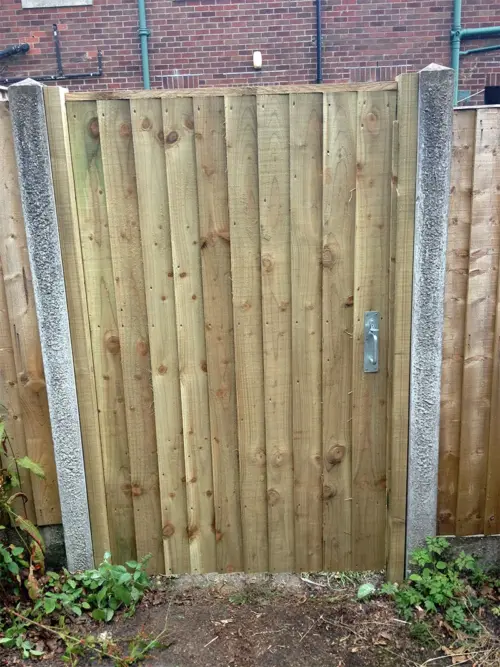
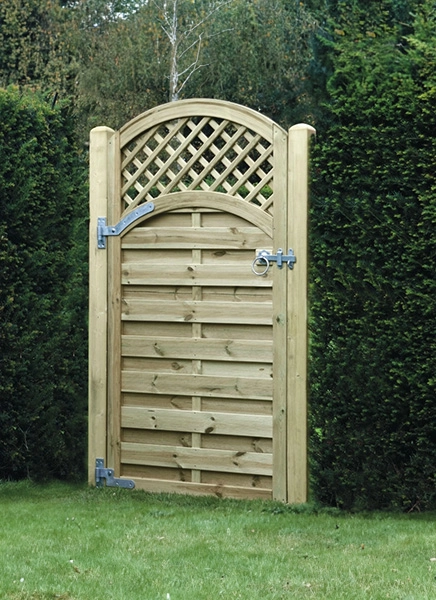
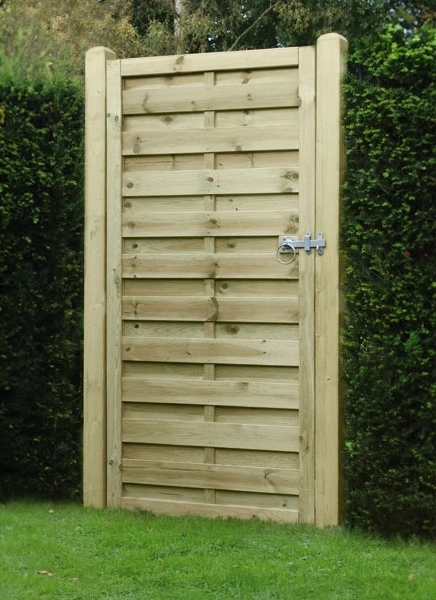
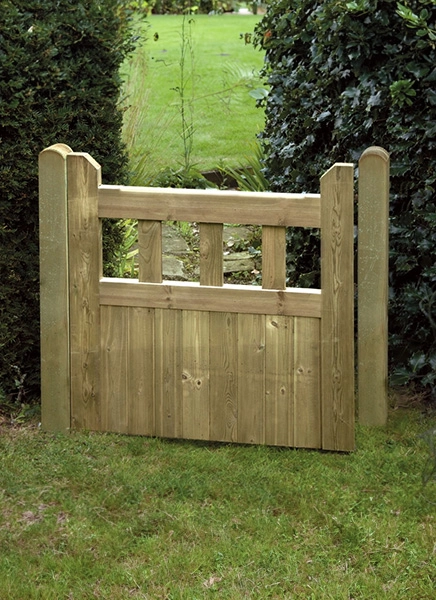
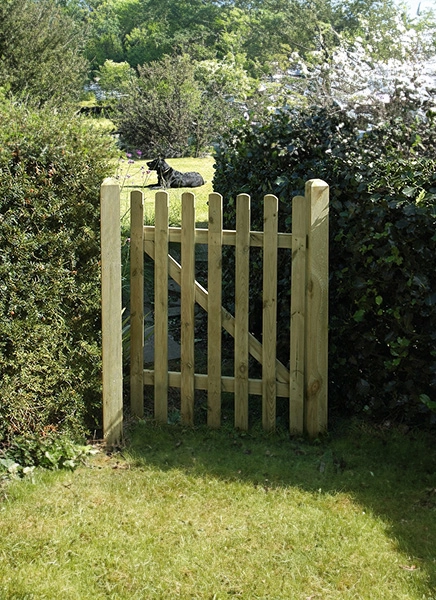
Empress Fencing stocks a wide range of traditional and decorative garden gates to suit all sizes and styles, providing options that balance aesthetics with durability. If you’re upgrading, pairing your new gate with quality fence posts and matching hardware will help prevent future sagging.
Maintenance to prevent future sagging
Prevention is better than cure. A little regular maintenance goes a long way toward preserving gate alignment and extending its life.
- Check hinges periodically: Look for loose screws and wear. Tighten and replace as needed.
- Inspect the post base: Watch for signs of rot, cracking, or movement. Address issues before they escalate.
- Treat timber: Apply a suitable timber treatment or sealant to protect against moisture, rot, and UV damage.
- Use compatible hardware: For outdoor gates, stainless steel or galvanized hardware resists corrosion and prolongs life.
- Keep the latch and striker aligned: A misaligned latch can cause you to force the gate, exacerbating sag.
A sagging garden gate is often solvable with a systematic approach: inspect hinges, assess the post, consider anti-sag kits for lighter gates, and only replace the gate when the timber is unsalvageable. By addressing the root causes and choosing durable materials and hardware, such as stainless steel hinges and sturdy fence posts, you can restore proper operation, preserve curb appeal, and extend the life of your garden enclosure. If you’re in the market for a replacement, explore Empress Fencing’s selection of decorative timber gates and ensure you pair them with reliable fence posts and robust fence panels to keep future sagging at bay. With a little time and the right fixes, your gate will swing smoothly and welcome guests with confidence.