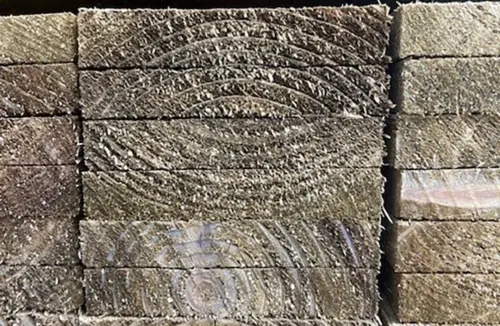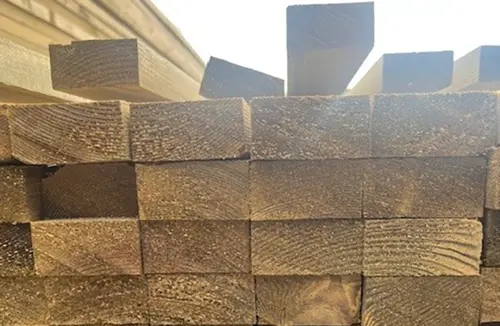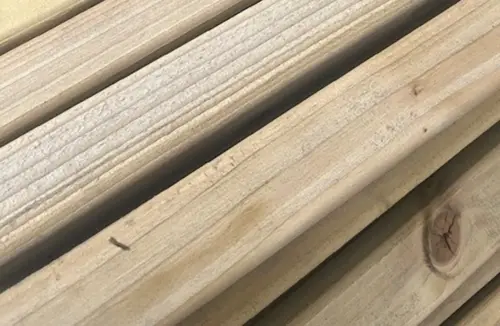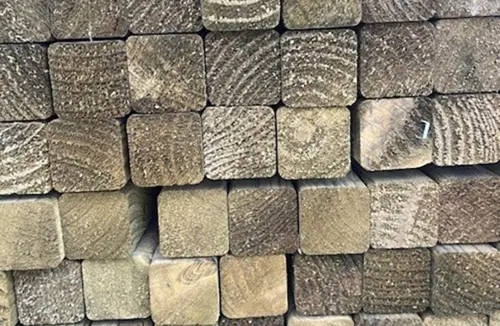

Timber sleepers, often thought of for railway use, have found a new life in garden design. Their versatility, durability, and natural look make them a favourite for DIY enthusiasts and professional landscapers alike. In this post, we explore ten practical and stylish ideas to inspire your next project, all using timber sleepers in thoughtful, garden-friendly ways.
Why Timber Sleepers Make Great Garden Materials
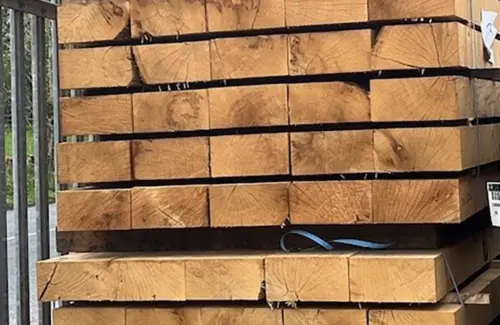
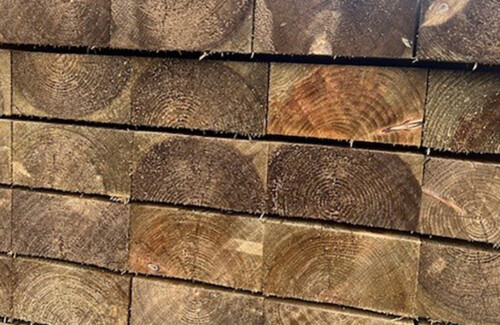
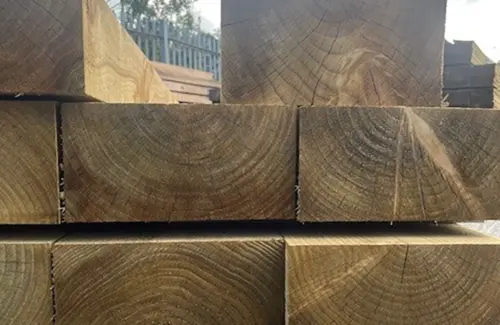
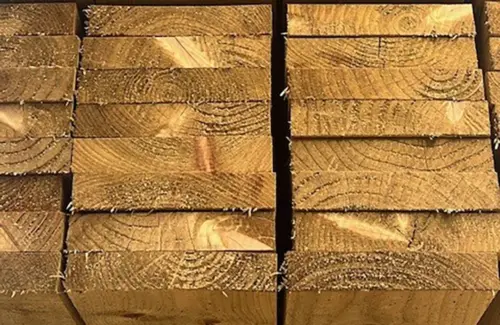
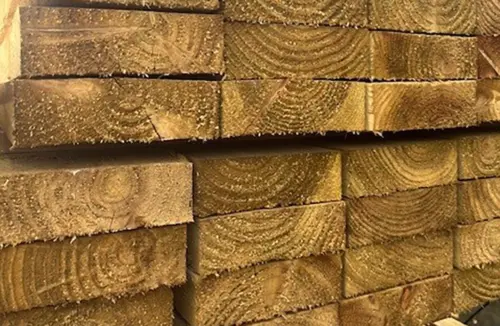
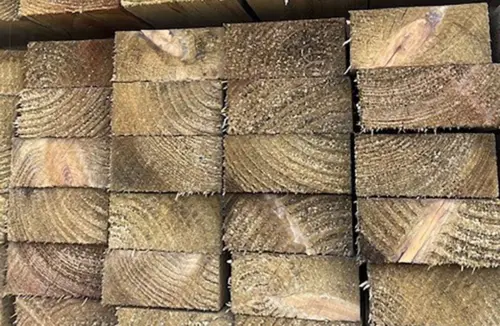
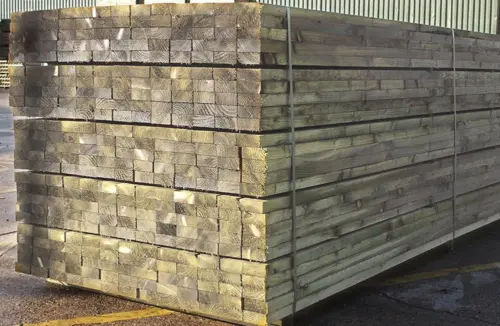
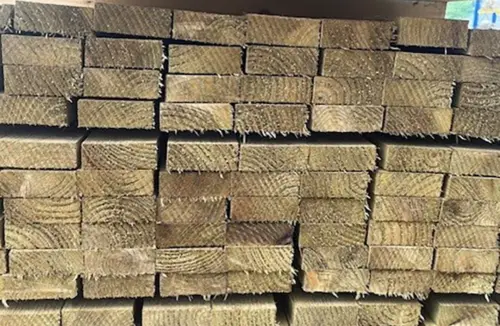
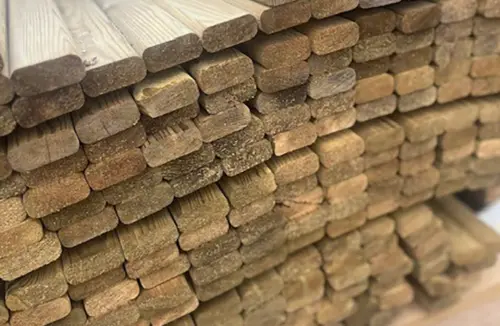
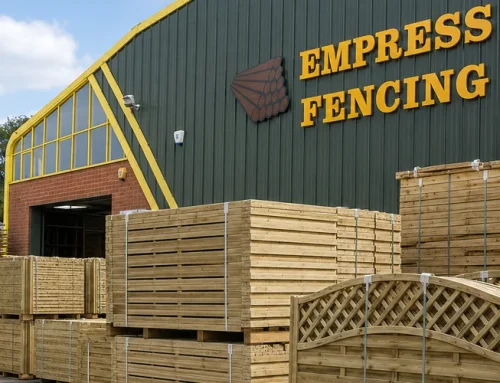
Timber sleepers bring a sense of rustic charm while offering robust performance for outdoor spaces. They can be used as structural elements, edging, seating, and decorative garden gates. When selecting sleepers, consider treatment options and suitability for contact with soil and water. For projects that involve water features or pond edges, choose appropriately treated wood or use untreated sleepers with protective measures. Empress Fencing and similar suppliers offer a range of softwood and hardwood sleepers, providing convenient sourcing for many UK gardens.
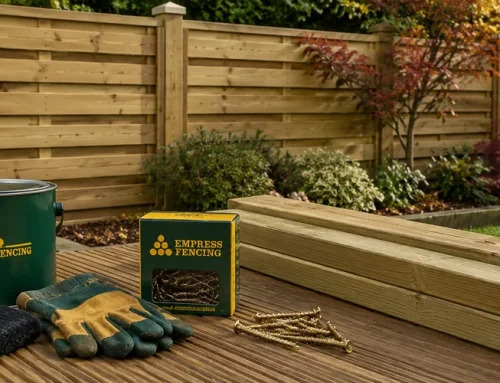
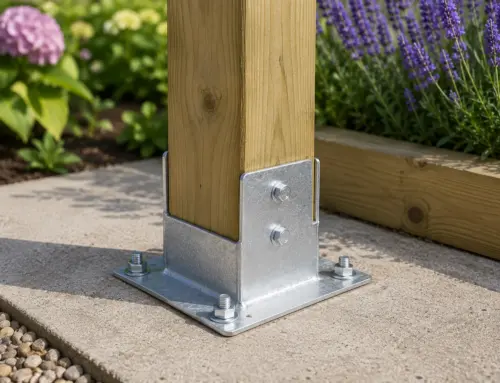
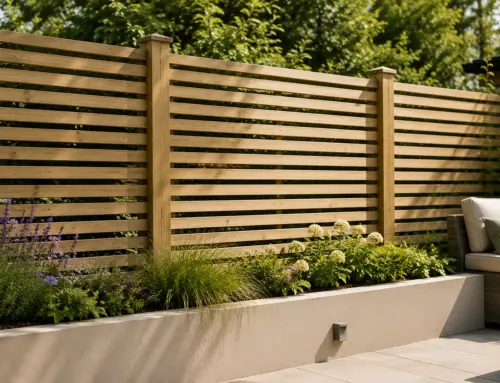
In this guide, we’ll reference the concept of decorative 6ft fence panel, fence posts, and even six-foot panels as related landscape components you might pair with timber sleepers to build a cohesive exterior design.
Raised Vegetable Beds with Deep, Polished Edges
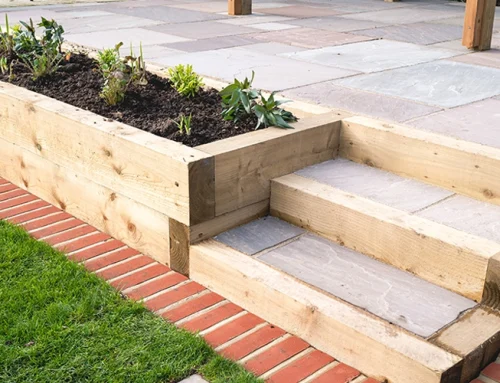
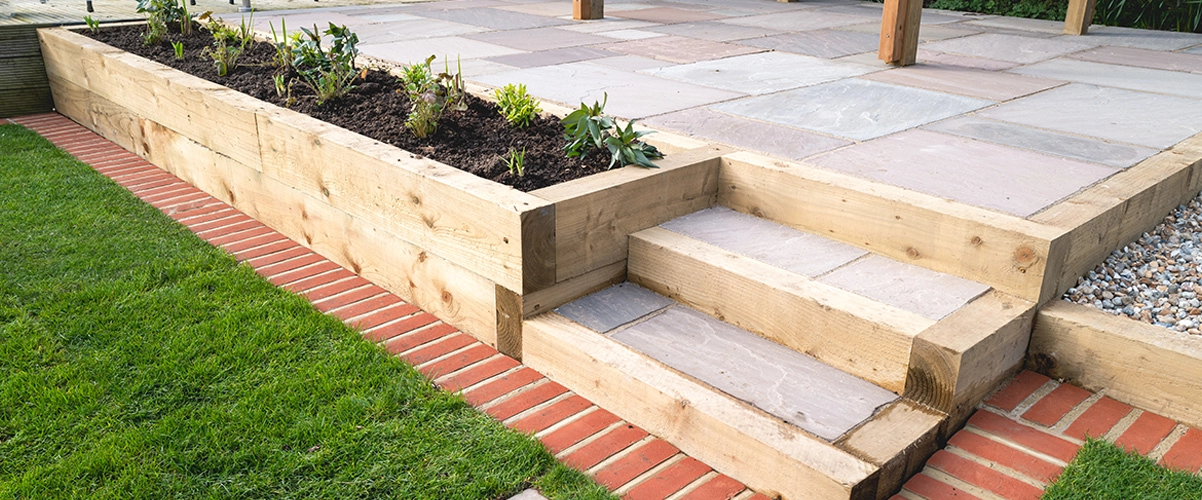
One of the most practical uses for timber sleepers is to stack two or three sleepers on top of each other to create raised beds. The extra depth is ideal for root crops like carrots, beets, and potatoes, allowing roots room to grow while keeping soil moisture and drainage levelled for healthy harvests. The visual effect is clean and polished, giving your kitchen garden a tidy, professional appearance. For best results, line the inside with a weed barrier and use a breathable soil mix. Consider painting or staining the outer faces to prevent weathering, while leaving the interior natural for a rustic feel.
Gracious Garden Steps for Slopes
Sleepers placed horizontally as step risers create durable, natural-looking garden steps. Backfill with gravel or compacted earth to stabilise each step, then add a soft path topper such as moss or a fine gravel to soften sound and provide traction. This solution is particularly effective in sloped gardens where concrete stairs can look heavy or out of place. The timber steps blend with surrounding plantings and offer a timeless aesthetic that complements decorative fence panels and other timber features.
Retaining Walls for Gentle Slopes and Terraces
For gentle slopes, a single course of sleepers pinned into the ground can hold back earth with style. They provide a neat retaining solution that’s easy to install and adjust. For steeper gradients, multiple courses stacked with interlocking or pinning techniques can create terraced levels, expanding usable planting space and reducing erosion. Combine retaining sleepers with planting pockets and ground-cover climbers to soften the edges and blur the line between hardscape and greenery.
Low Garden Edging to Define Borders
Edging plays a crucial role in garden hygiene and aesthetics. Half-buried sleepers make excellent edging between lawn and border, keeping grass out of flowerbeds and preserving a crisp, defined line. This low-contrast boundary is practical, reducing lawn mowing spillover and making edge maintenance easier. The natural timber look also complements mixed borders, herbs, and ornamental grasses, tying together the garden’s various textures.
A Simple, Rustic Garden Bench
Turn two upright sections and a long horizontal piece into a durable garden bench. The result is a simple, rustic seating option that fits neatly into a courtyard, patio, or under a tree. With a cushion, it becomes surprisingly comfortable for long chats, reading sessions, or outdoor meals. Sand and oil the sleeper surface to protect it from weather and to enhance the grain’s natural beauty.
Box Planters for Patios and Terraces
Planters cut to length and built up into box planters offer versatile containers for a variety of plants. Whether you’re showcasing lavender, herbs, compact shrubs, or seasonal flowers, these planters bring height and structure to a patio or terrace. Using sleepers for planters also creates a cohesive material vocabulary across the garden, echoing fence posts and decorative fence panels in the surrounding design.
Log Store Base for Excellent Airflow
A layer of sleepers laid on the ground creates a solid base for a log store. Elevating logs off the damp ground improves airflow and helps keep wood dry, reducing the risk of mould and rot. This practical solution keeps your outdoor living space tidy and makes firewood more accessible during the colder months. When arranging a log store, plan for weather protection and consider a simple roof or tarp cover.
Path Edging for Gravel Walkways
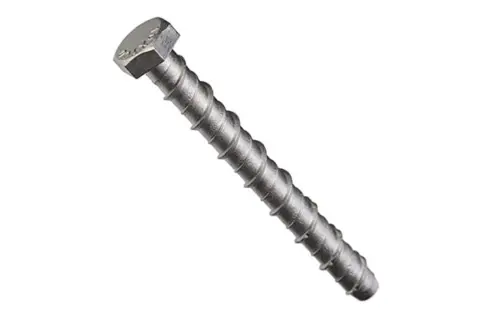
Sleepers cut lengthways and set flush with the ground provide neat, long-lasting edging for gravel paths. This technique not only contains the gravel but also creates a gentle transition between paths and planting areas. The timber’s natural hue complements gravel tones and can be stained to suit the garden’s colour scheme. For high-traffic paths, ensure the edging is securely anchored and consider a bi-metal connector system for extra stability.
Outdoor Bar or Potting Worktop
A long sleeper supported by two uprights can form a solid outdoor bar or potting bench. Sand and oil the surface to create a clean, practical worktop that looks as good as it performs. This setup is ideal for alfresco entertaining, potting seedlings, or staging garden projects. Pair it with weatherproof seating and storage to build a compact, functional garden hub.
Pond Edging with a Natural Finish
Using sleepers around a garden pond can soften the edge and create a natural, biodiverse-friendly look. If the sleepers will contact water, choose untreated types or properly treat and seal them to minimise chemical leaching. Ensure any fish habitat considerations are respected, and avoid pressure-treated wood in direct contact with aquatic life. Pond edging sleepers help integrate the water feature into the landscape, making it feel like a natural extension of the garden.
Timber sleepers offer a versatile, accessible path to transforming outdoor spaces. Whether you’re aiming for structural solutions like raised beds and retaining walls or decorative touches such as edging and planters, sleepers provide durability and a timeless aesthetic. When planning your project, consider how each element will interact with existing features, fences, fence posts, decorative panels, and other elements from suppliers like Empress Fencing. With careful planning, you can create a cohesive, low-maintenance garden that looks thoughtful and well-designed.
In summary, timber sleepers are not just for railway infrastructure; they’re a creative toolkit for garden design. From practical structures to elegant edges, the ten ideas outlined here demonstrate the breadth of possibilities. Start with one project, perhaps a raised bed or a simple edging, and let your garden’s textures, colours, and moods guide the rest.