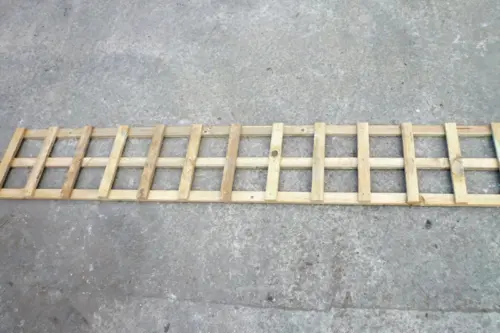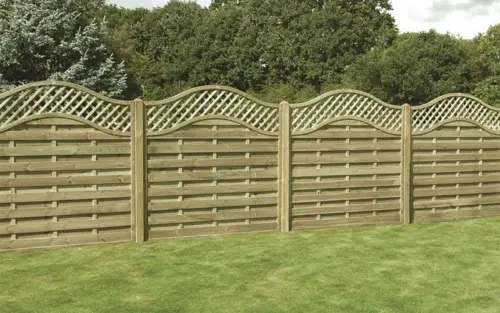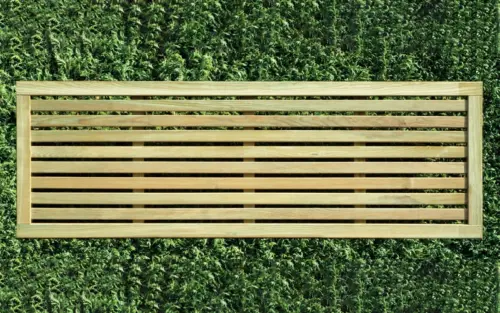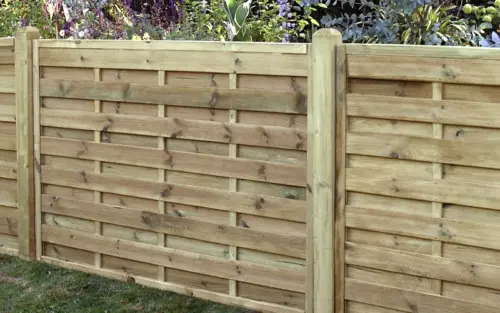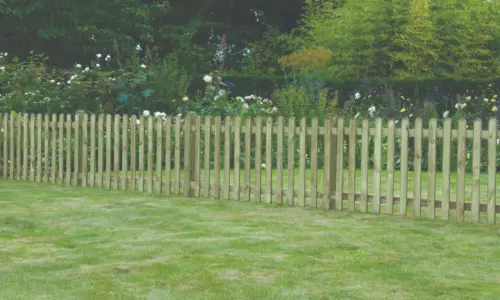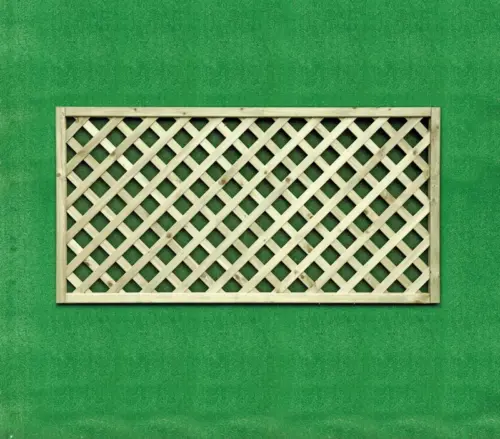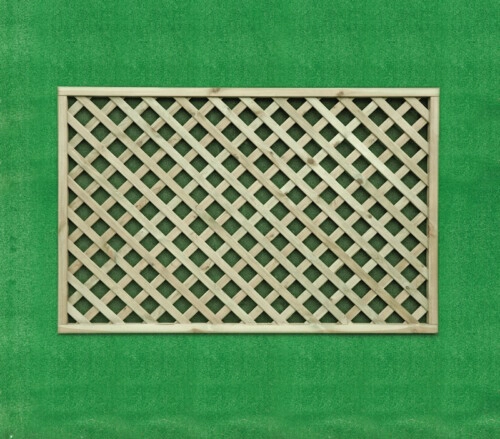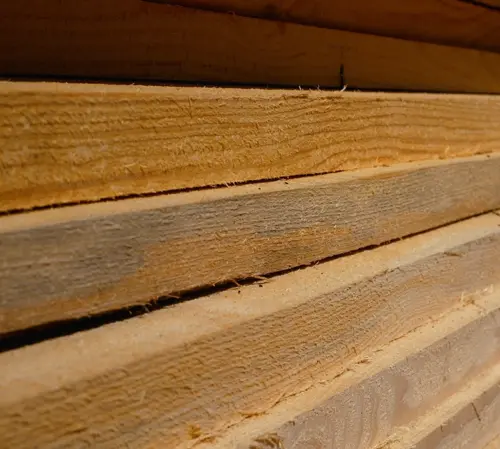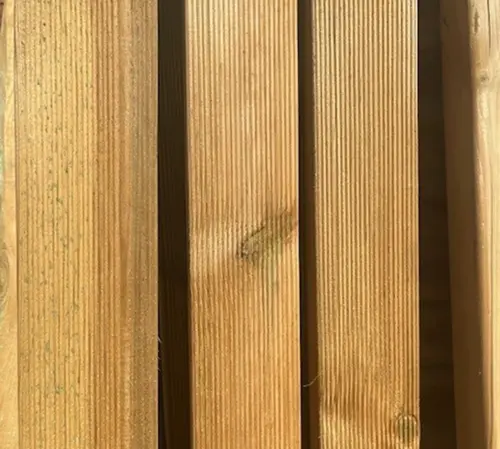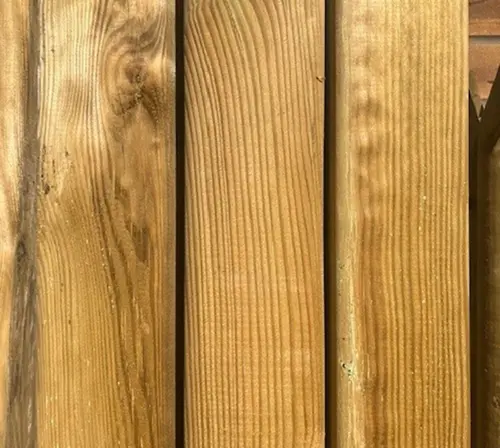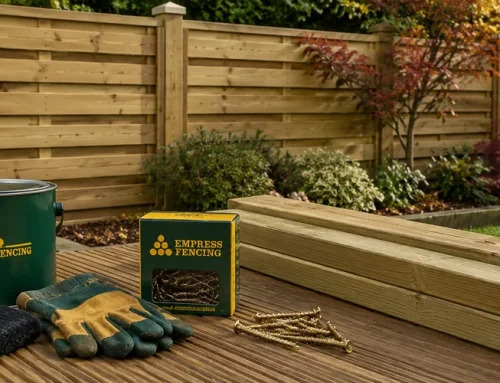

When it comes to protecting and finishing a timber fence, homeowners often ask: is it better to paint or stain a timber fence? The honest answer is that both work, but they’re suited to different situations. Understanding the difference between paint and stain helps you choose the right approach for your garden, climate, and aesthetic. This guide, inspired by practical advice from Empress Fencing, breaks down the options so you can make an informed decision.
The core difference between paint and stain
Paint sits on top of the timber surface and forms a protective film. Stain (or fence treatment) soaks into the wood and works from within. This fundamental difference influences performance over time. If you’re aiming for longevity, ease of maintenance, and breathability of the timber, stain often comes out ahead. If you’re chasing a specific colour or a crisp, modern look, paint has its advantages. Either choice can work well if applied correctly and maintained with two coats and proper preparation.
The case for staining – breathability, longevity, and ease
For most garden fences, a stain or timber treatment is the better choice. Because it penetrates the wood rather than sitting on top, it allows the timber to breathe, which means moisture can escape rather than being trapped. Trapped moisture is a common culprit behind paint blistering, peeling, and ultimately timber rot. Here’s what makes staining stand out:
- Breathing chemistry: The penetrating formula seals the wood while leaving pores open for moisture to escape.
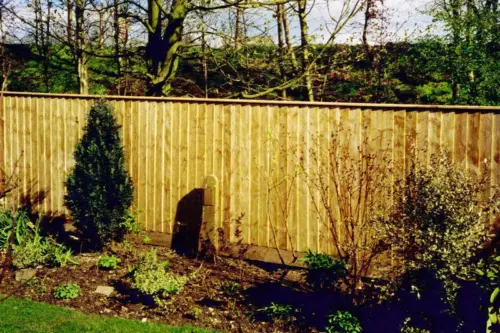
- Natural look: Stains enhance the wood’s grain and texture, offering a more authentic, rustic appearance.
- Maintenance ease: Re-application is straightforward. Clean the surface, apply a new coat, and you’re back to good protection without heavy sanding.
- Adaptability: Stains come in a range of tones, from translucent to semi-solid, allowing you to tailor the finish to your landscape.
If your fence experiences damp conditions, shade, or fluctuating temperatures, staining tends to maintain the wood’s health while keeping maintenance practical.
The case for painting – colour, protection, and a contemporary finish
Paint provides a solid, opaque finish and a wider range of colour options. It’s a great choice if you want a very specific colour, say, to match your house, garden furniture, or a bold landscaping statement. Painting can deliver a crisp, uniform look that makes lines and edges feel defined. Consider painting if:
- You’re aiming for a dramatic or uniform colour across fences, gates, and feature structures.
- You want to mask wood imperfections or repairs with a full-coverage coat.
- You’re working in a location where a painted surface can bolster a modern aesthetic and complement other architectural elements.
The downside is maintenance. Once you paint timber, you’re often committed to repainting every few years, and you’ll need to address peeling and prep work with each cycle. The film-forming nature of paint can also trap moisture if the underlying timber isn’t properly prepared or if moisture becomes entrapped, so proper surface preparation remains crucial.
Our recommendation – match the solution to your structure
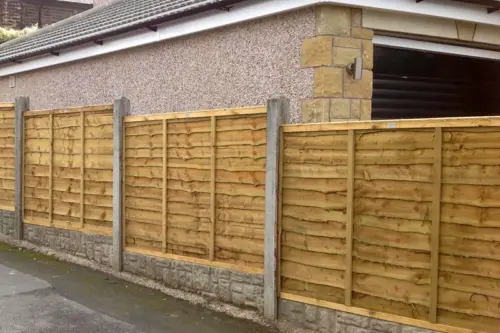
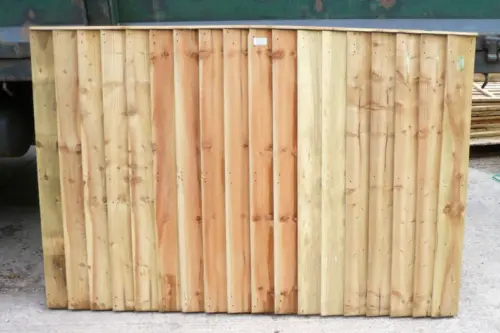
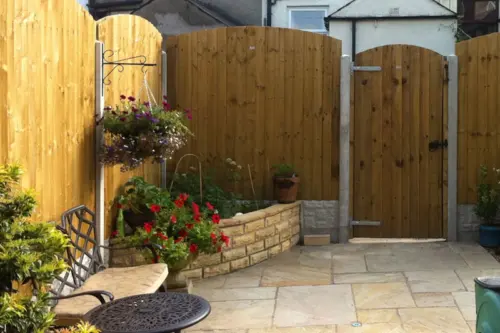
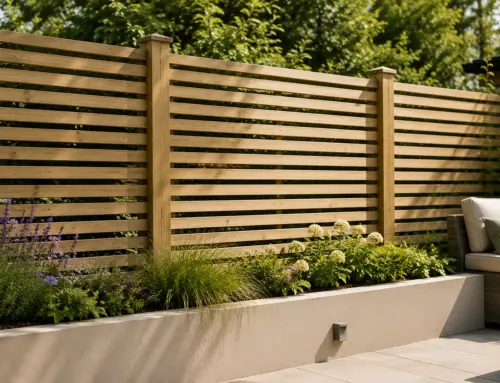
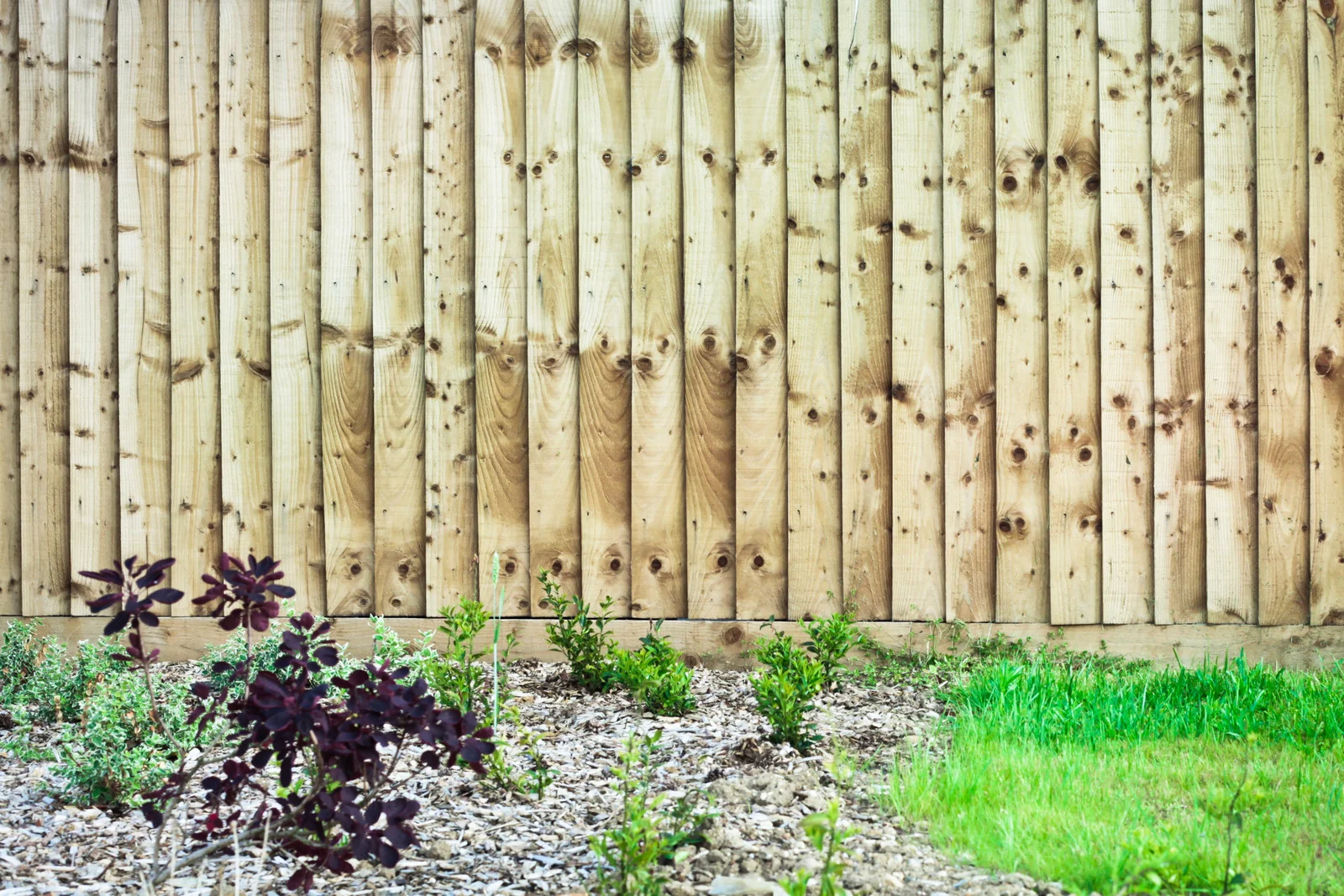
Our recommendation for standard featherboard or lap panels is to choose a quality timber treatment or stain. It’s the most practical, long-lasting choice for typical garden fencing, delivering protection without compromising wood health. For decorative gates or bespoke structures where the finish matters more, paint can give a sharper result and a highly controlled appearance.
Key tips to maximize whichever option you choose:
- Always apply two coats, regardless of whether you’re painting or staining.
- Ensure the timber is clean and completely dry before application.
- Use compatible products; never mix brands or product types mid-project.
- Consider climate and exposure (sun, rain, wind) when deciding between pigments and finishes.
- Factor in maintenance cycles: stains usually require less frequent reapplication than paints, but heavy wear areas may need more attention.
Practical steps – preparing and applying your finish
- Inspect the fence: look for rot, splits, or loose boards. Repair any damage before finishing.
- Clean thoroughly: remove dust, dirt, and algae. A light scrub or pressure wash may be necessary, followed by drying.
- Sand the surface lightly if needed: for paint, a smoother surface improves adhesion; for stain, rougher wood can help penetration.
- Choose your product: select a high-quality timber stain or a premium exterior paint in your desired colour.
- Apply in appropriate conditions: avoid extreme heat or cold, and ensure plenty of airflow for drying.
- Apply two coats: follow manufacturer guidelines for coverage and recoat times.
- Maintain regularly: top up stain as needed or repaint when the colour fades or shows wear.
Painting or staining a timber fence is not a one-size-fits-all decision. Both methods have merits, and the best choice depends on your goals for appearance, wood health, and maintenance. If you prioritise the natural look, breathability, and easier upkeep, staining is often the smarter route for standard fences. If you want a bold colour, a highly specific shade, or a contemporary, opaque finish, painting can deliver the precise aesthetic you’re after. Whatever you choose, the key to lasting results is proper preparation, two coats, and ensuring the timber is clean and dry before you begin. With these practices in place, your fence will look great and stand the test of time. Please check out our 6ft fence panels, decorative fence panels, decorative garden gates and fence posts range for more information.