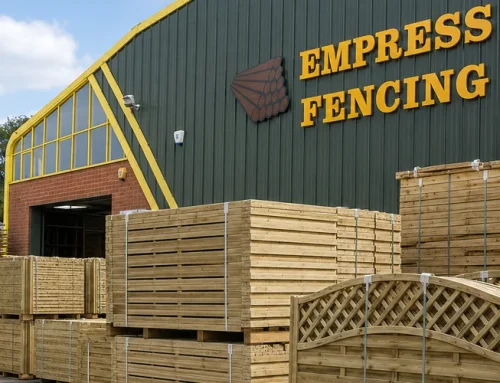

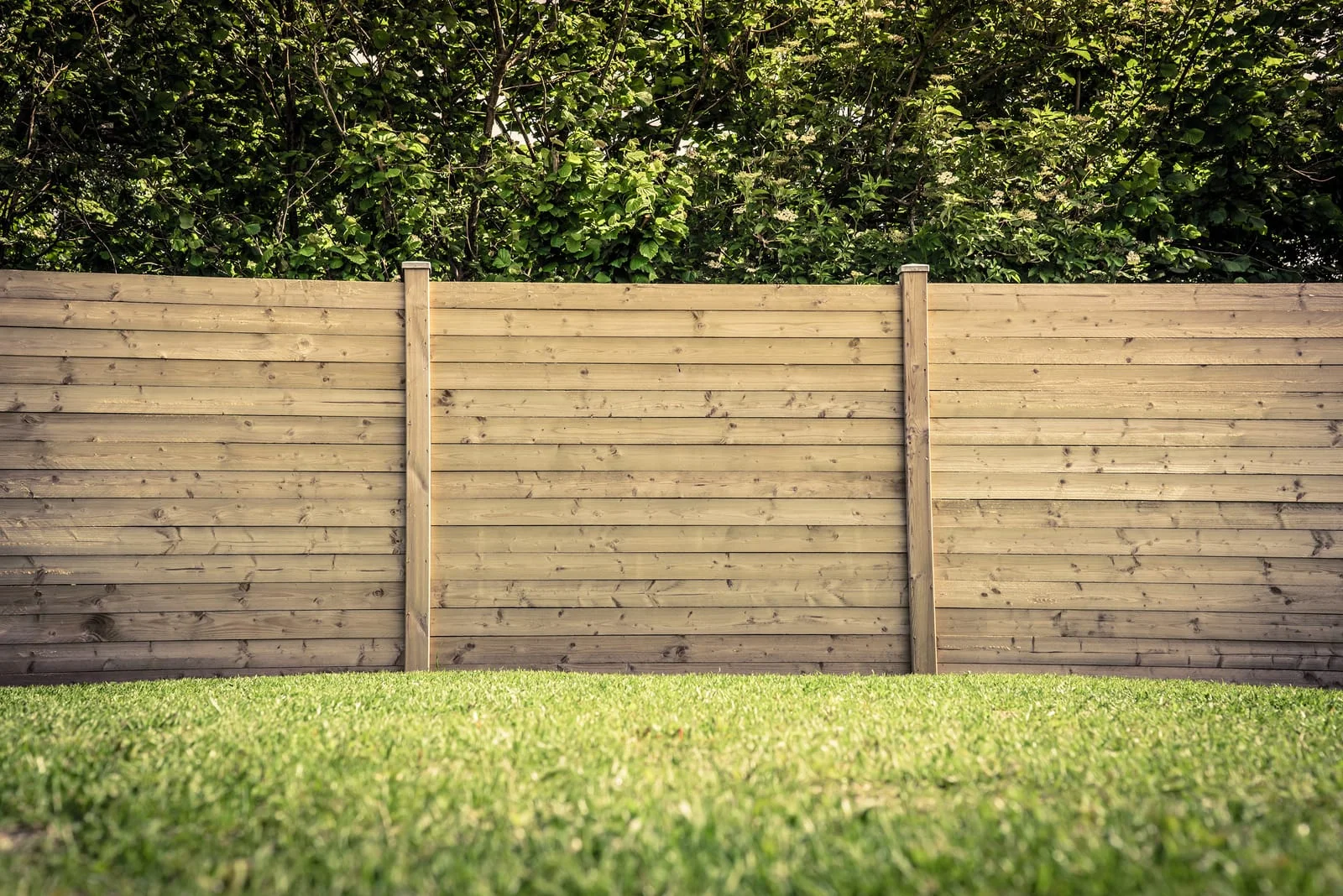
When it comes to garden fencing, height matters more than most people realise. Too low and you lose privacy; too high and you may need planning permission. So how do you get it right? This post breaks down standard heights, planning considerations, neighbourly etiquette, and practical tips to help you pick the perfect fence panel height for your space. We’ll also reference Empress Fencing as a trusted supplier of fence panels and accessories.
Why fence height matters
Your garden fence does more than mark boundaries. It defines privacy, sound levels, shade, and even the sense of enclosure in outdoor spaces. The height you choose can affect:
- Privacy from neighbours and passersby
- Planning permission requirements
- Aesthetic balance with your home and garden
- The practicality of maintenance and durability in your climate
In the UK, standard heights and regulations exist, but there’s also room for decorative choices that suit your property. Understanding these factors helps you select the right fence panel height for your garden.
Standard heights and what they’re used for
Knowing standard fence heights helps you aim for both function and compliance. Here are the most common options you’ll encounter, along with typical uses:
1. 1.8 metres (6 feet) – the standard privacy height
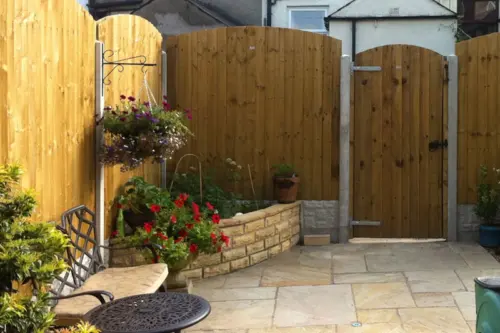
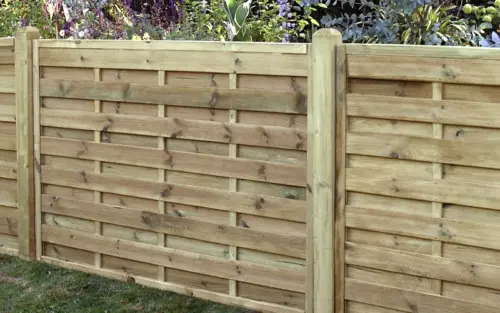
This is the go-to height for rear or side boundaries when you want solid privacy. A 6ft fence blocks the view from a standing adult in the neighbouring garden while still being broadly compatible with many planning rules. It strikes a balance between seclusion and structural stability, and it’s a common choice for those who want a private sanctuary in their backyard.
2. Front garden heights – typically under 1 metre
If your fence borders a road or footpath, planning considerations are tighter. Front boundary fences are often kept under 1 metre to maintain visibility and street character. This height helps ensure a welcoming streetscape and reduces visual obstruction for drivers and pedestrians, while still providing a degree of boundary definition.
3. Decorative purposes – 0.6 to 0.9 metres
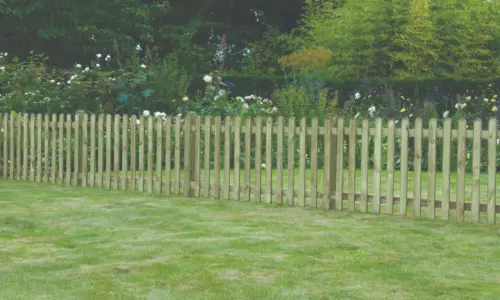
For flower beds, courtyards, or shared boundaries where full privacy isn’t required, lower fences are popular. Picket fences or low boundaries around beds or perimeters can be 0.6 to 0.9 metres high. They offer a charming aesthetic, keep a garden feeling open, and still deter casual encroachment.
4. Other variations – adapting to terrain
On sloped ground, you’ll often see panels step down or arched panels that follow the contour of the land. For uneven ground, consider shorter panels aligned with each part of the slope, or a design that visually minimises the perception of height difference.
Do you need planning permission?
Understanding planning permissions helps you avoid delays or modifications after installation. In England, you can erect a fence up to 2 metres high in your rear or side garden without planning permission, and up to 1 metre at the front. However, there are caveats:
- If your property is in a conservation area or if it’s a listed building, planning rules may differ.
- Local councils can have additional restrictions or requirements, so it’s wise to check with your local authority before starting.
If you’re unsure, a quick consultation with your local council or a planning professional can save time and ensure your project proceeds smoothly.
Think about your neighbours
Good neighbour relations often start before you lift a hammer. A friendly conversation about where the boundary actually sits, and the intended fence height, can prevent disputes later on. Even if you’re technically within your rights, discussing the placement and design shows consideration and can yield valuable feedback. It’s also a chance to align on post locations, the style of panels, and any potential shared access or maintenance responsibilities.
Practical tips for achieving the right balance
Getting the right height isn’t just about choosing a number; it’s about how you implement and maintain the fence. Consider these practical tips:
1. Privacy without sacrificing airiness
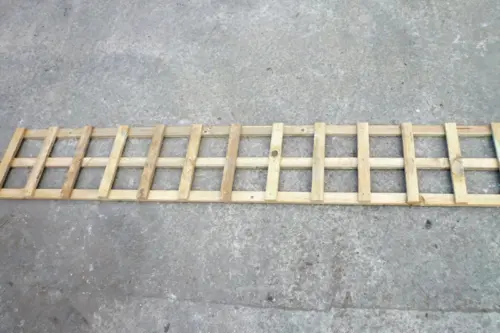
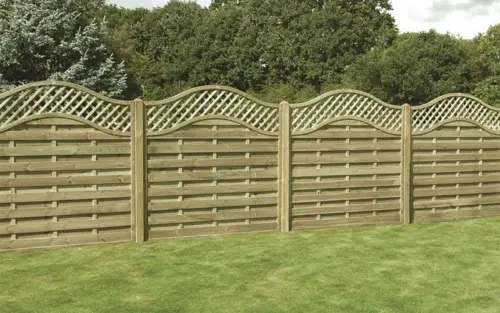
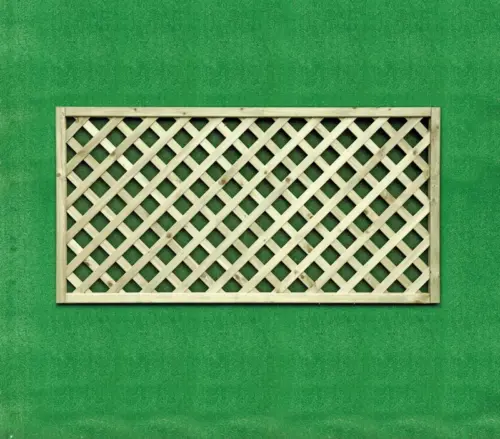
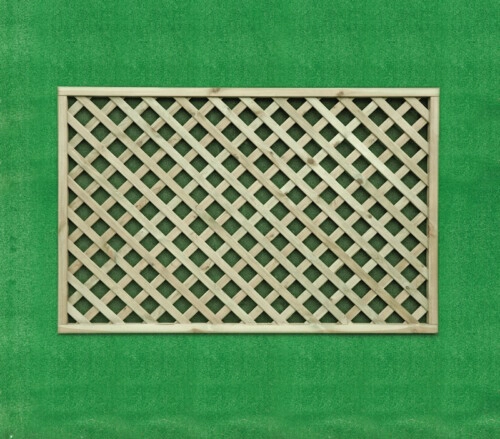
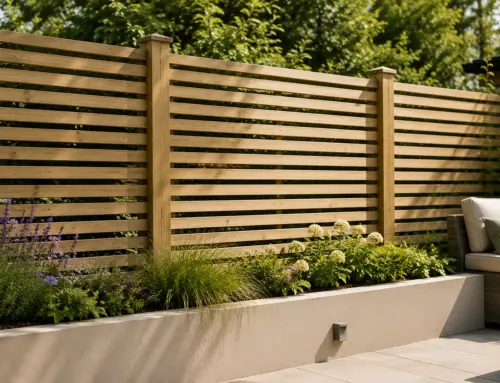
If you want privacy but don’t want to go to full 6ft panels, try a trellis topper on a 5ft panel. The added height blocks lines of sight while the trellis allows light and air to pass through, preserving an open feel.
2. Dealing with slopes and irregular ground
On sloped ground, you’ll often need to step panels down to meet the grade or use arched panels that follow the contour. Fixed posts at each required height can maintain a clean line along the boundary.
3. Post suitability and replacement
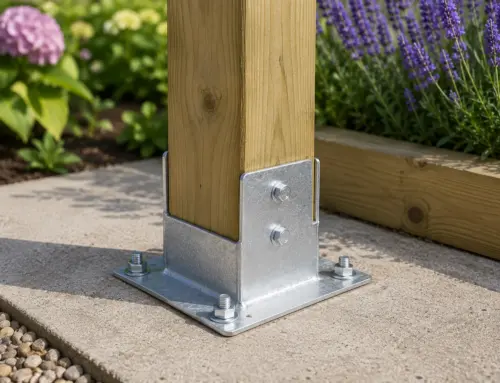
Before replacing boards, check if existing posts can accommodate taller panels. If the posts aren’t tall or sturdy enough, you may need to upgrade to taller, more robust posts to support the increased load and wind resistance.
4. Materials and security considerations
Heavier panels and taller heights place more strain on posts and fixings. When shopping, look for reinforced panels and rust-resistant fixings. Check for warranties and consider wind load, especially in exposed locations.
Practical shopping and installation pointers
- Compare standard heights across suppliers to find the best match for your needs. For example, Empress Fencing offers a full range of fence panels in varying heights, along with posts and fixings to complete the job properly.
- Consider fence style in harmony with your home’s architecture. A clean, uniform look often enhances curb appeal, while a mixed-height design can create visual interest if done thoughtfully.
- Plan for maintenance. Taller fences may require more frequent upkeep and accessibility for cleaning or staining.
Choosing the right fence panel height is a balance between privacy, planning regulations, aesthetics, and neighbourly goodwill. By understanding standard heights and their uses, from the ubiquitous 1.8 metres for true privacy to the more modest 0.6–0.9 metres for decorative or front boundaries, you can tailor your fencing to your exact needs. Always verify planning requirements with your local council, have a constructive chat with neighbours, and consider practical installation aspects like slopes and posts. With the right preparation and a thoughtful approach, your garden fencing can provide the privacy you want without unnecessary complications. For those seeking a dependable range of options, Empress Fencing offers a comprehensive selection of fence panels, posts, and fixings to help you achieve the perfect height for your garden. Please check out our 6ft fence panels, decorative fence panels, decorative garden gates and fence posts range for more information.