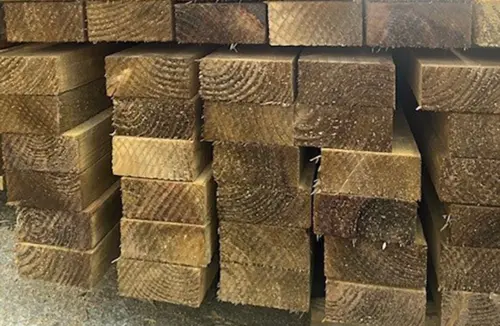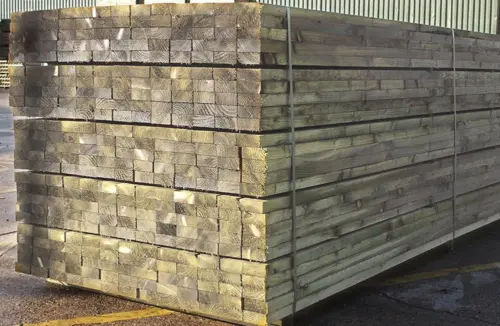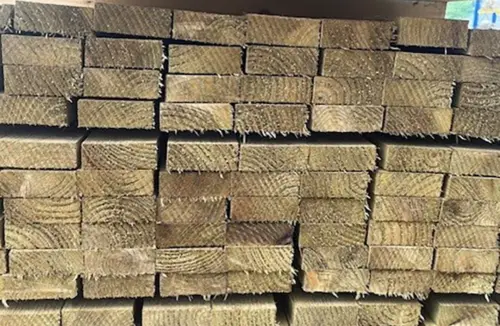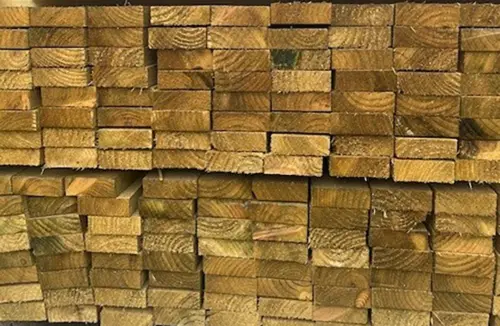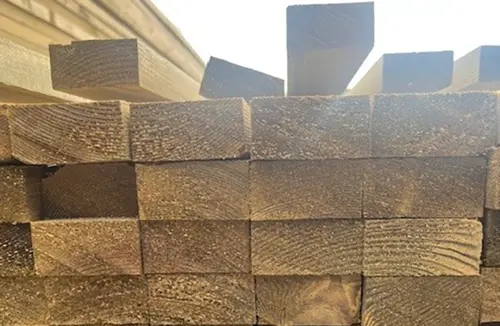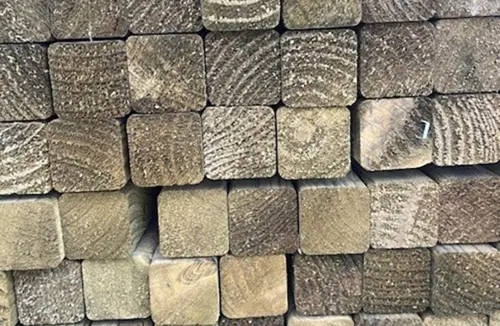

Building a feather edge fence from individual components gives you a stronger, longer-lasting and often more economical boundary than ready-made panels, but it means working out what to order, and that is where people get stuck. As a supplier of fencing and timber supplies in Clitheroe, we stock every part of a feather edge run as separate timber, and this guide explains what goes into the calculation so you can order with confidence rather than guesswork.
The Parts of a Feather Edge Fence
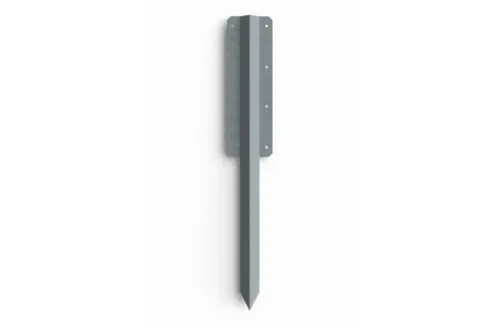
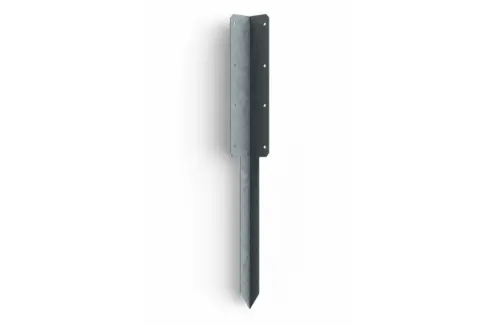
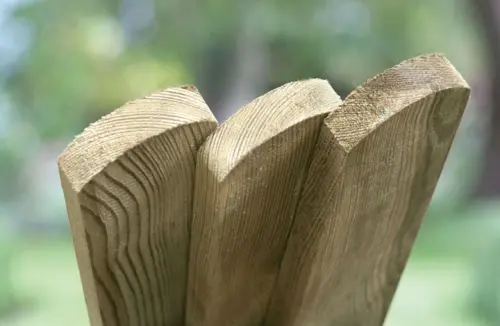
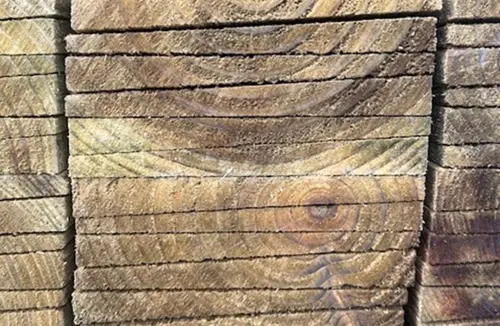
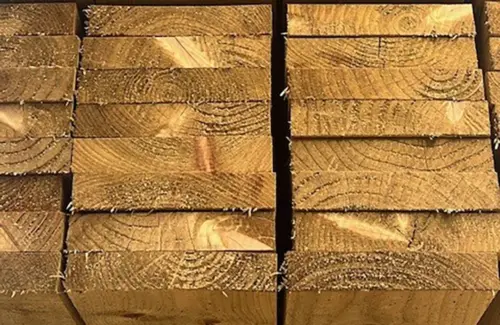
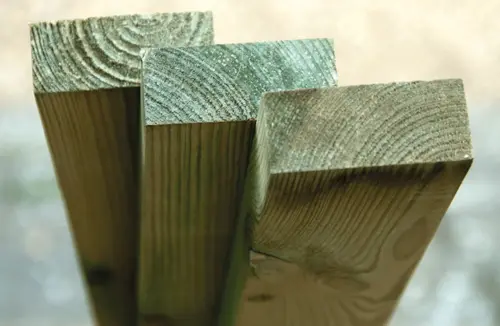
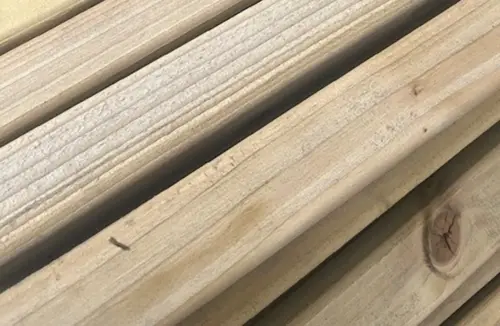
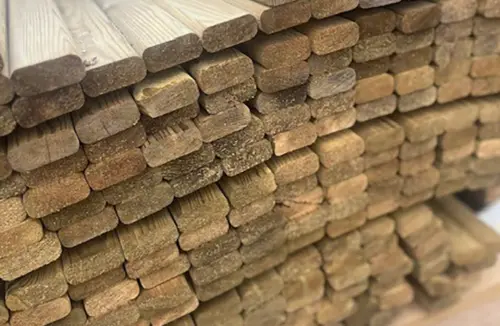
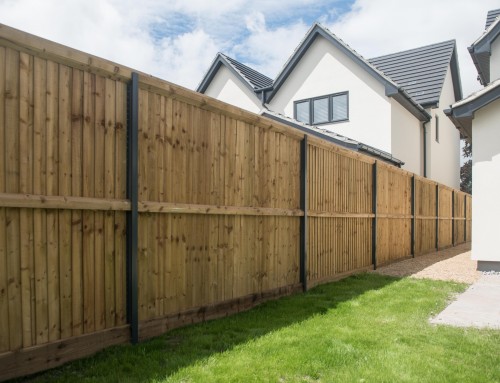
A feather edge fence is built up rather than dropped in. The vertical face is made from feather edge boards, tapered boards that overlap each other so there are no gaps and no straight line for the wind or prying eyes to find. Those boards are fixed to horizontal rails, and we stock rough sawn rails in a range of sections including 75mm and smaller profiles, with the rails running between the posts. At the base, a gravel board or a back rail keeps the feather edge boards clear of the wet ground. The whole face hangs on timber posts set into the ground.
Because every part is separate, you can build to any length and height and replace single boards later rather than whole panels, which is one of the real advantages of feather edge over a fixed panel. It also means the strength is in your control: more substantial rails and posts make a genuinely robust boundary that stands up to valley weather far better than a budget panel.
Working Out the Boards
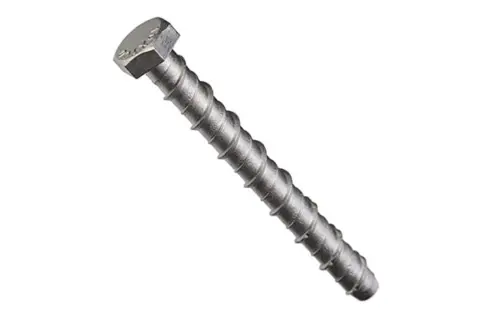
The number of feather edge boards depends on how much you overlap them. A typical overlap is around an inch, so each board covers a little less than its full width. To estimate, take the length of your run, decide your overlap, and work out the effective coverage of each board, then divide. It always pays to add a few spare boards, because timber is natural and you want to be able to discard any that are not quite right rather than running short. The fixings matter too: galvanised nails or screws that will not rust and streak the timber.
Rails, Posts and Spacing
Most feather edge fences use two rails for shorter heights and three for a full 1.8 metre run, with the rails carrying the boards and the posts carrying the rails. Post spacing is usually set so the rails span comfortably without sagging, and closer post spacing makes a stronger fence on exposed ground. Our article on why closeboard fencing is one of the strongest options explains why this construction is so durable, and our comparison of feather edge fencing vs fence panels sets out when to choose it over panels.
Getting Your Quantities Right Before You Order
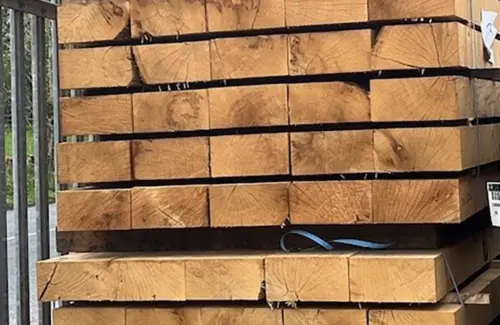
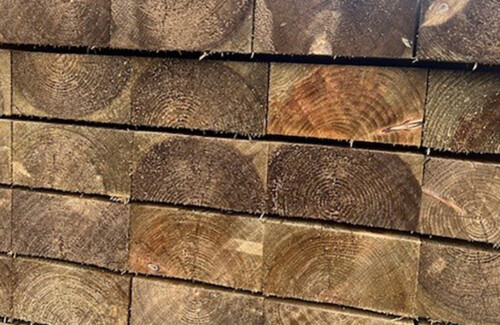
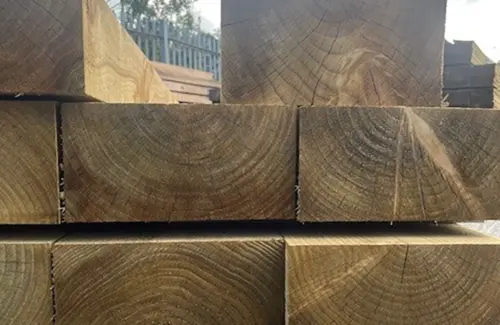
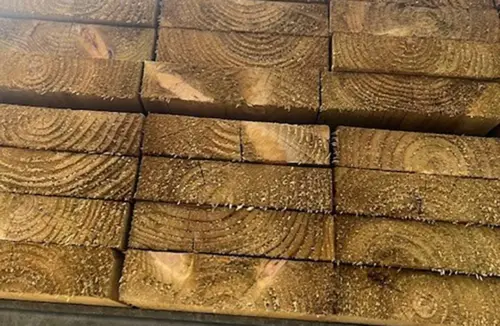
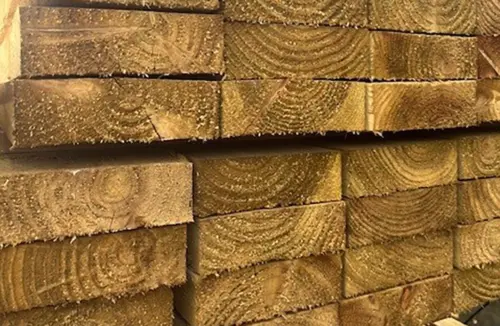
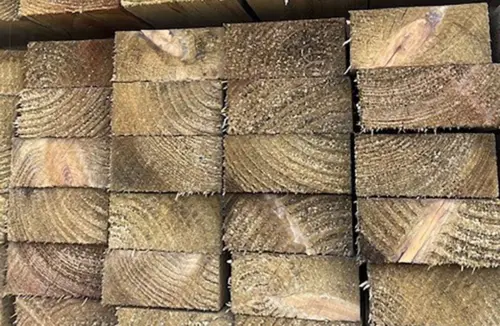
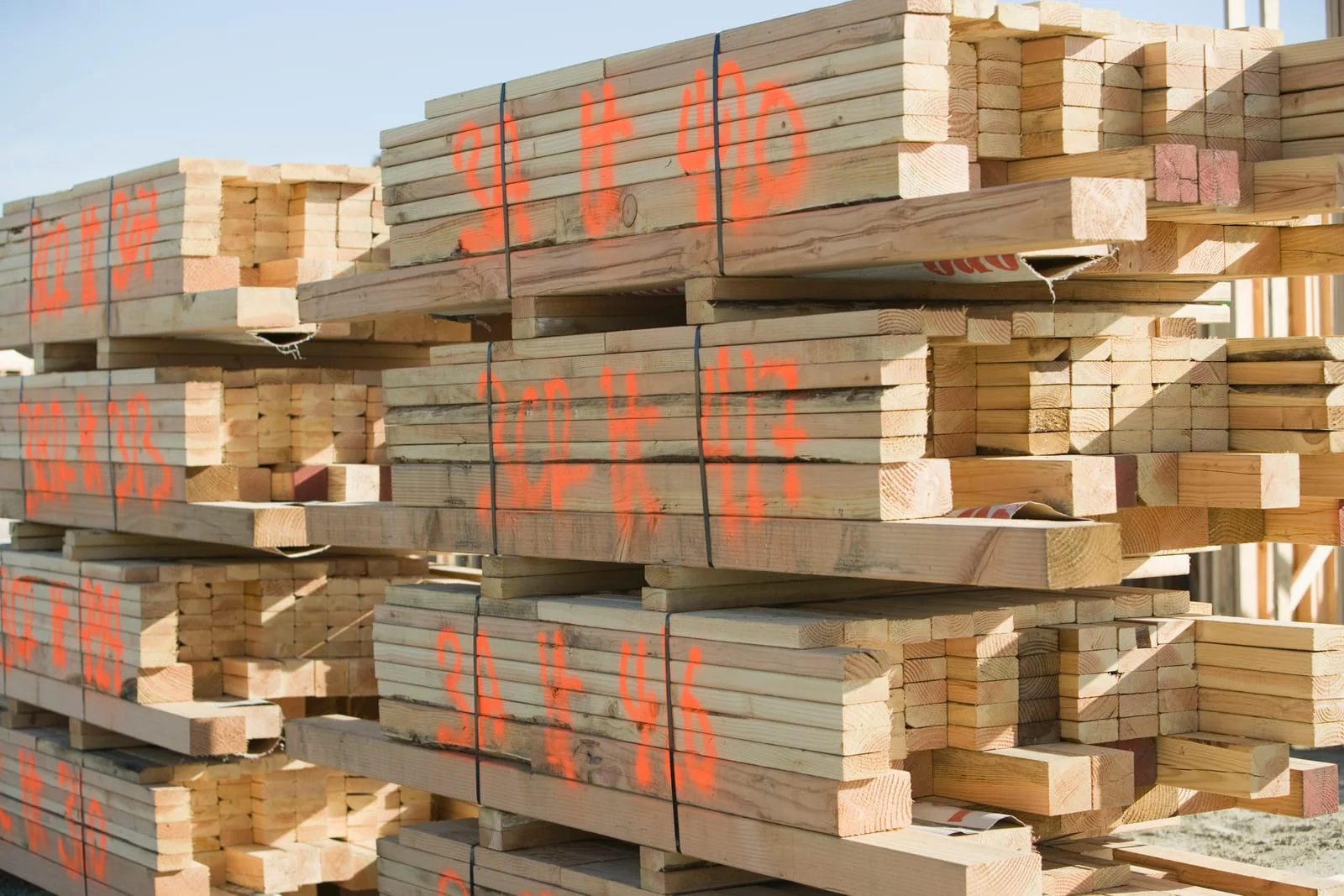
The single best thing you can do is measure the run accurately and decide your height before you call, because everything else flows from those two numbers. We stock the feather edge boards, the rough sawn rails, the posts, the gravel boards and the fixings, so a whole run can be delivered together. You can see the components on our timber boards page and the broader range on our timber page.
Allowing for Waste and Future Repairs
Two habits separate a smooth feather edge build from a frustrating one. The first is ordering a sensible allowance of spare boards, because timber is a natural material and you want the freedom to set aside any board that is not quite right rather than forcing it into the run or stopping work to reorder. The second is keeping a few spare boards back once the fence is finished. One of the real strengths of feather edge over fixed panels is that a single damaged board can be replaced individually, so a small stock of matching boards in the shed means a knock or a split is a five-minute fix rather than a noticeable patch. Storing those spares flat and dry keeps them ready and matching for when you need them.
For help turning your measurements into an order list, call 01200 449930 with your run length and height. We deliver feather edge components across Clitheroe and the BB postcode areas, with free delivery over £150.