
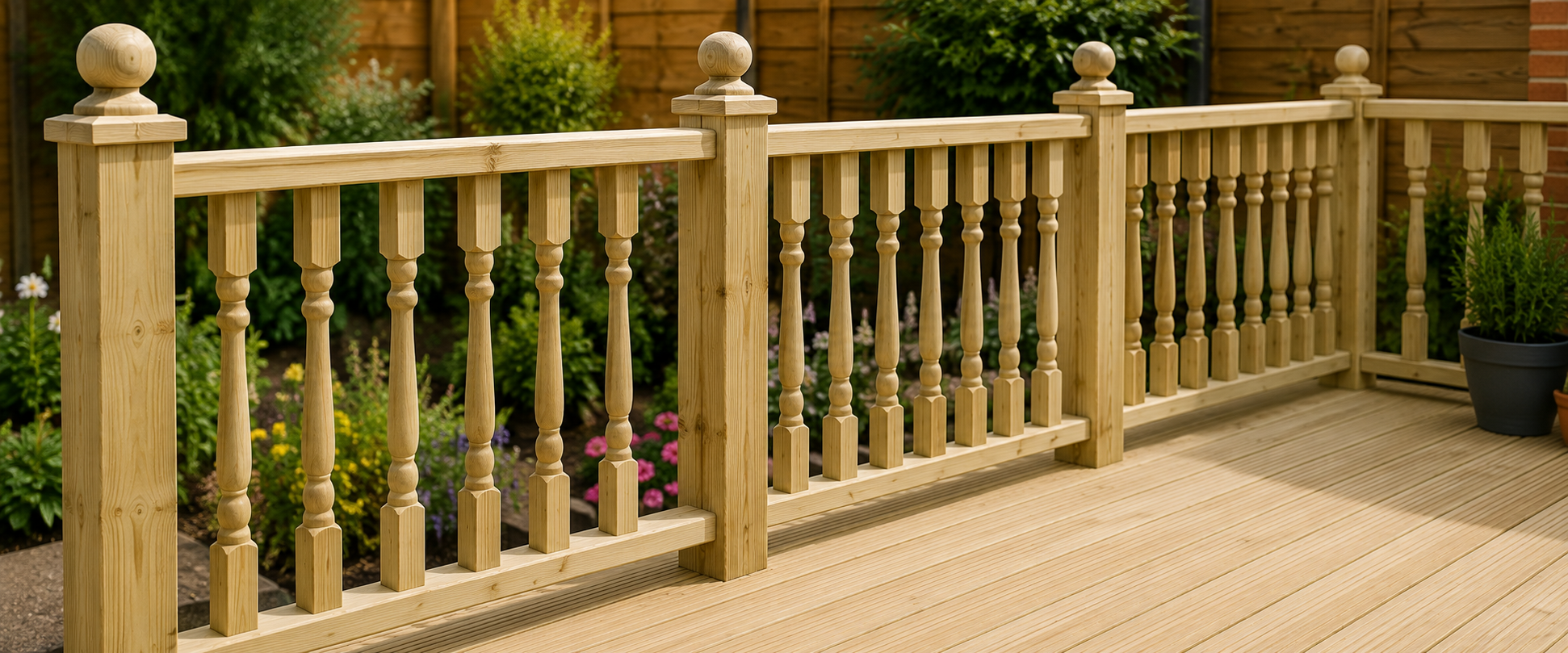
Decking spindles are the part of a deck that people think about last and then discover they cannot avoid, usually at the point where the sub-frame is up and it becomes obvious how far off the ground the finished surface is going to sit. A balustrade is not an optional flourish on a raised deck. It is the difference between a structure people use confidently and one that everybody edges around. We supply the components as part of our fencing and timber supplies in Clitheroe, and the questions that come up are usually about spacing, fixing and how the whole assembly holds together.
When a raised deck needs a balustrade
The general principle is that any deck surface raised meaningfully above the surrounding ground wants protection at the open edges, and the higher it sits the less optional that becomes. A deck a step up from the lawn does not need one. A deck built out over a slope, where one end is level with the back door and the other is well above the garden, absolutely does, and that is a common arrangement on the sloping plots you find across the Ribble Valley.
Beyond height, think about who uses it. A deck used by young children, older relatives or anyone unsteady on their feet benefits from a rail even at modest heights, simply because there is something to take hold of. A rail also defines the space and stops garden furniture being pushed towards an open edge.
The parts that make up a balustrade
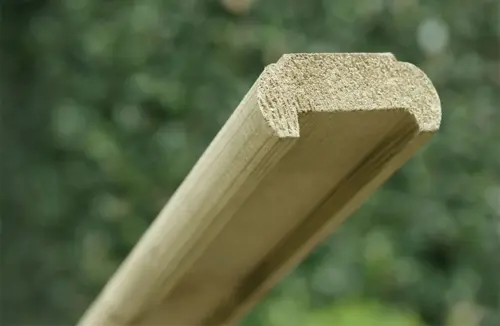
A balustrade is four things working together. There are the uprights, which are substantial posts fixed to the deck structure and which carry all the load. There is a top rail, which is what people actually lean on and hold. There is usually a bottom rail sitting just above deck level. And there are the spindles, which run vertically between the two rails and fill the gap.
The critical point is that the strength comes from the uprights and how they are fixed to the frame, not from the spindles. Spindles fill the opening and stop things passing through it. They are not structural. A balustrade that feels bouncy when you lean on it has an upright problem, and no amount of extra spindles will fix it.
Spindle spacing and why it matters
The gap between spindles is the detail worth getting right, and the rule of thumb is that the spacing should be tight enough that a small child cannot get through it or get a head stuck in it. That is the reasoning behind the conventional guidance of keeping gaps narrow, and it is worth applying even where nobody in the household is small, because visitors and grandchildren turn up.
Work out the spacing before you cut anything. Measure the clear distance between uprights, decide roughly what gap you want, and then divide so the spindles land evenly with an equal gap at each end. A run where the last gap is half the width of the others is the thing you will notice every time you walk past it. Setting out a full run on the deck before fixing anything is worth the ten minutes.
Fixing spindles between the rails
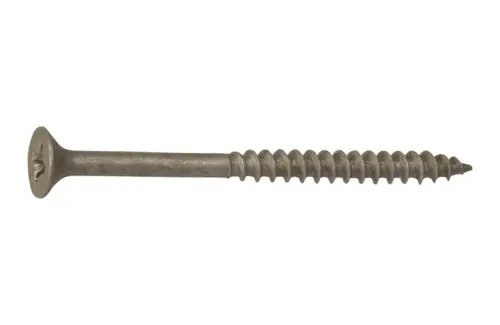
Spindles fix top and bottom into the rails. The neatest method is to fix through the rail into the end grain of the spindle, which keeps the fixings out of sight from the main viewing side. Use fixings rated for outdoor use throughout, because a balustrade is handled constantly and a corroded fixing is both a stain and a weakness.
Leave the spindle ends slightly clear of any surface where water will pool, and make sure the bottom rail is set so water runs off it rather than sitting along the top face. A bottom rail with a flat upper surface holding water against a row of spindle ends is a slow way to rot a balustrade from the bottom up.
Uprights and how they meet the frame
The uprights are where the work goes. They want to be a substantial section, and they want to be bolted through to the deck joists or the frame rather than screwed to the surface boards. A post fixed only to decking boards is fixed to the weakest part of the structure. Where possible, bring the upright down past the deck surface and fix it to the frame at two points so the load is spread.
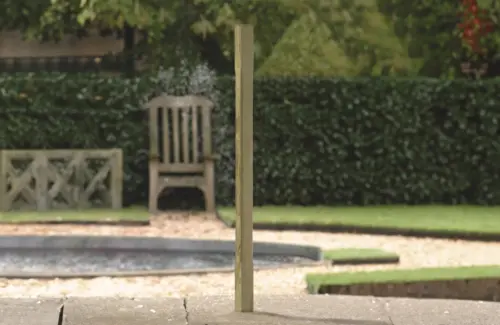
Our rough sawn and planed timber posts cover the sections normally used for deck uprights, and the same posts work for a matching feature at the steps.
Finishing and treating the assembly
Treat everything before it goes together where you can, particularly the cut ends and any face that will be enclosed once assembled. Once a spindle is fixed between two rails you will never coat the top and bottom of it properly again, and those are the surfaces that matter most. It is a tedious extra hour on a warm day and it adds years.
Handrails take more wear than any other part of the deck, being gripped constantly and exposed on every face, so they benefit from being treated more often than the deck boards themselves.
Ordering the components together
The sensible approach is to work out the total run length, the number of uprights, and the spindle count from your spacing, and order the lot with the deck timber. Customers building raised decks around Waddington fencing and out towards Chatburn fencing tend to take frame, boards and balustrade in one delivery rather than in stages.
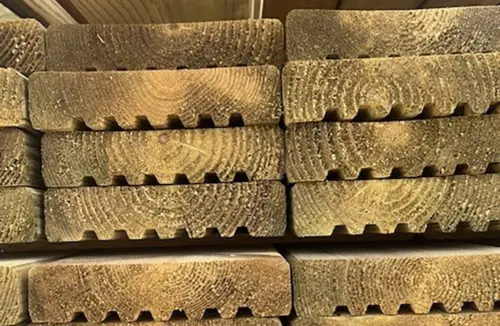
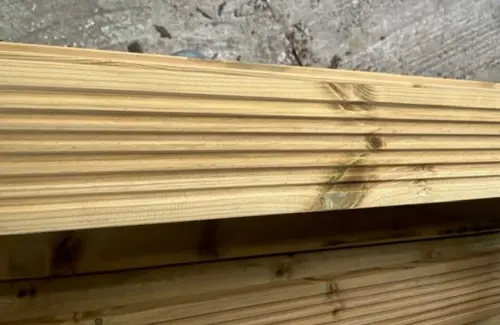
The components sit alongside our decking boards, the wider timber decking range and the decking supplies section.
If you are working out quantities for a particular deck, ring 01200 449930 with the run lengths and we will help you get the count right first time. Delivery is free on orders over £150 across all BB postcode areas.