
Cleaning timber decking is a job with a window, and late summer is squarely inside it. The reason is simple. Any cleaning or treatment needs dry timber and a run of dry days afterwards, and in Lancashire those are not evenly distributed through the year. Leave it until the boards are permanently damp and you either cannot do it properly or you seal moisture in, which is worse than doing nothing. We supply the timber that decks are built from as part of our fencing and timber supplies in Clitheroe, and the end-of-summer clean is the single job that most affects how a deck comes through the winter.
Why timing this job matters
A deck spends the summer collecting things. Pollen, dust, spilled food and drink, sun cream, barbecue grease, and a summer’s worth of foot traffic bringing soil up from the garden. None of it looks dramatic while the boards are dry and bright. All of it becomes a problem the moment the weather turns, because organic material sitting on damp timber is what algae and mould grow on.
The deck that turns green and slippery in November is almost always the deck that went into autumn dirty. Cleaning it now removes what the growth would have fed on, which is a considerably better strategy than scrubbing it off in January.
There is a second reason. Any treatment or oil needs timber that is dry through, not just dry on the surface. After a decent spell of summer weather the boards are as dry as they are going to get. That same treatment applied in October to boards that are damp underneath traps the moisture in, and the finish will not last.
Clearing before cleaning
Start by taking everything off. Furniture, pots, the barbecue, anything that has stood in one place all summer. The areas underneath are usually in a different condition from the rest of the deck, and they need the same attention.
Then clear the gaps between boards. This is the step that gets skipped and it matters more than the washing does. Debris packed into the gaps stops water draining through, which means water sits on the board edges rather than running off, and the board edge is where decking rots first. A thin blade, a paint scraper or a strip of stiff card run down each gap will bring out an alarming amount of material.
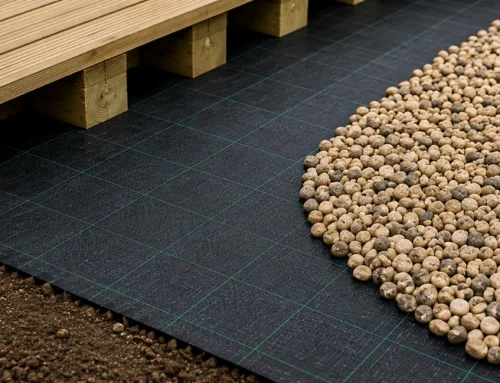
Check underneath while you have access. If the deck is raised enough to see under, look for standing water, blocked airflow and anything that has grown up under there through the summer.
Washing without damaging the boards
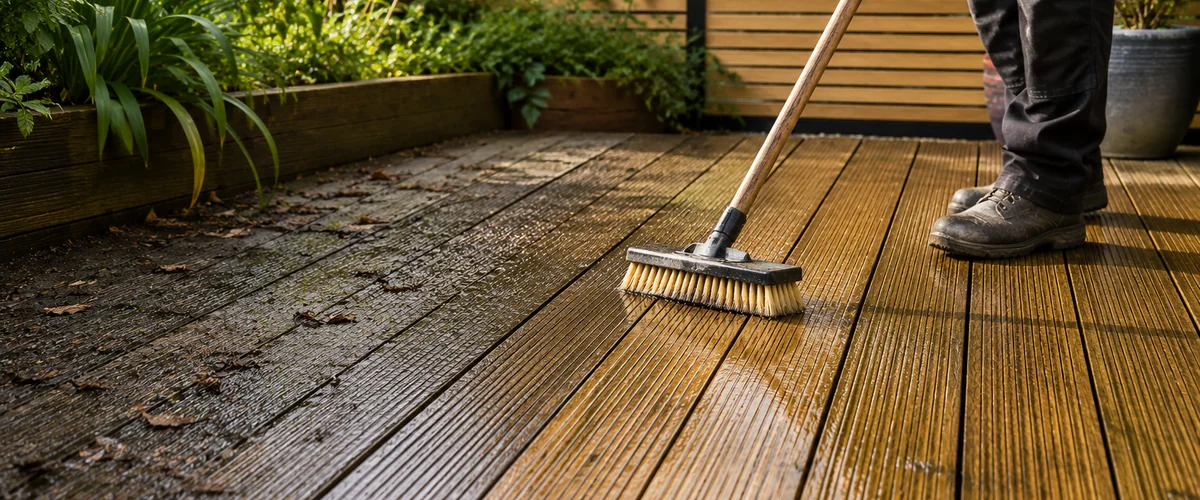
A stiff brush, water and a cleaner suited to exterior timber will handle most decks. Work along the length of the boards rather than across them, following the grain.
Be careful with pressure washers. They are effective and they are also the fastest way to ruin a deck. Too much pressure or too close a nozzle will tear the soft summer growth out of the grain and leave the surface furred and rough, which then holds dirt worse than it did before and feels unpleasant underfoot. If you use one, keep the pressure moderate, keep the lance well back, keep it moving, and test on a corner first.
Rinse thoroughly and let the deck dry completely before doing anything else. That may take a couple of days depending on the weather, and it is not a step to rush.
Treating and when to do it
Once the boards are properly dry, a decking treatment or oil restores water repellency and slows the greying process. Whether you treat every year depends on exposure. A deck in full sun and weather needs it more often than one that is partly sheltered.
Pay particular attention to the board ends and to any cut you have made, since exposed end grain absorbs water far faster than a face. If you have replaced any boards during the summer, those cut ends want treating properly.
Do not forget what is around the deck
A deck rarely gets wet on its own account. It gets wet because something nearby is directing water onto it or holding moisture against it. Check whether a gutter or downpipe is discharging onto the boards, whether an overhanging shrub is dripping onto one area, and whether planting has grown close enough to stop air moving across the surface.
Cutting back planting around the edges of a deck makes a genuine difference to how quickly it dries after rain, and a deck that dries quickly stays clean. This is often more effective than anything you do to the boards themselves.
Repairs are easier now than in spring
While the deck is clear and clean, walk it and check it. Look for boards that flex more than their neighbours, fixings that have lifted proud, and any softness around the fixings or at the ends.
Replacing a board now is a straightforward afternoon. Replacing it in March, when the timber is saturated, the fixings are seized and the weather gives you a two-hour window, is a different proposition. A single board or two is a small order and it is far better dealt with while conditions are good.
Customers maintaining decks around Slaidburn fencing and near Grindleton fencing often pick up replacement boards at the same time as they do the annual clean, which saves a second trip.
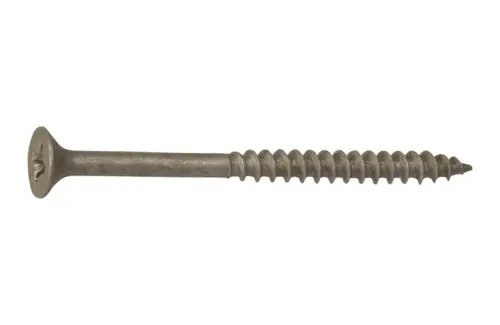
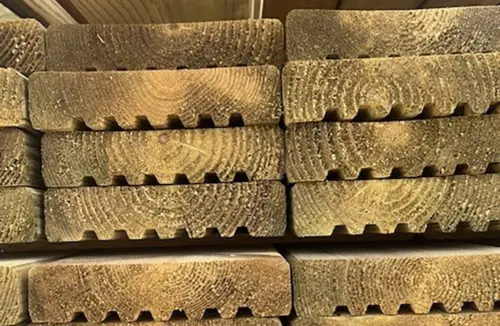
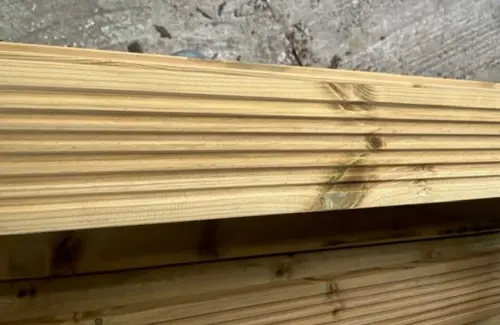
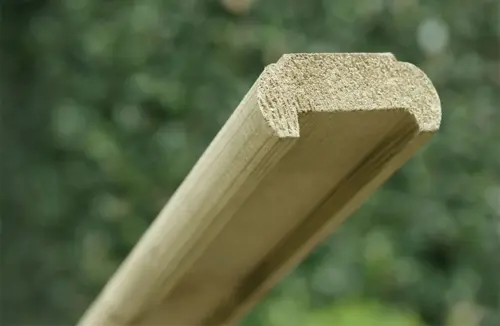
Our decking boards cover replacements, with the timber decking and decking supplies ranges alongside and the fixings in fixings and accessories.
If you need replacement boards matched to an existing deck, ring 01200 449930 with the dimensions. Delivery is free on orders over £150 across all BB postcode areas.