
Durapost is often described simply as a steel fence post, but that undersells it. It is a complete fencing system, and knowing the parts that make it up is the key to ordering correctly and getting the most from it. As a stockist and supplier of fencing and timber supplies in Clitheroe, we carry the full Durapost range in both anthracite and olive grey, and this guide breaks down the components so you can see how they fit together into a fence that should outlast a traditional timber post run by many years.
Why Durapost Is a System, Not Just a Post
The headline benefit of Durapost is that the galvanised steel post does not rot, warp, twist or split the way a timber post eventually will. Since the post is where most timber fences fail, removing that weak point changes the whole equation. But the post only works as part of a matched set of components, and that is what trips up first-time buyers who order the post alone and then find they are missing the parts that actually hold the panels and finish the run.
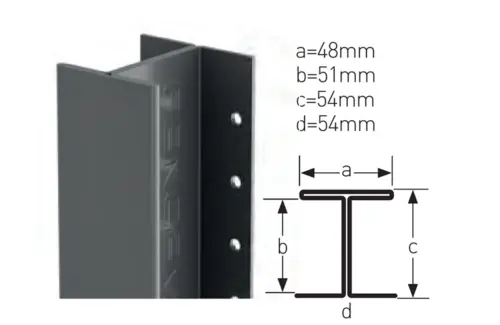
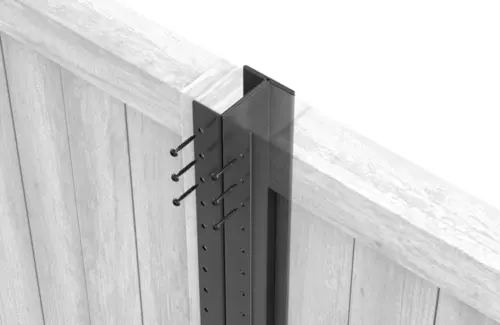
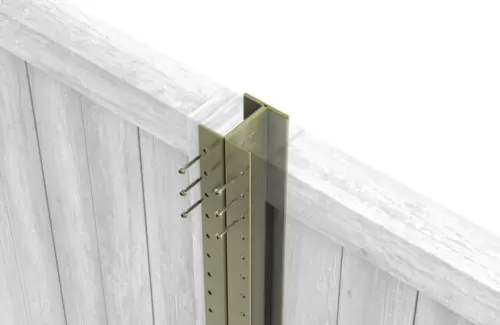
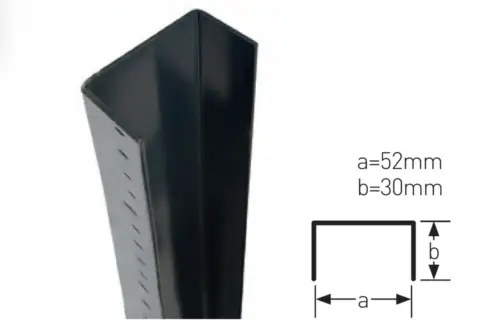
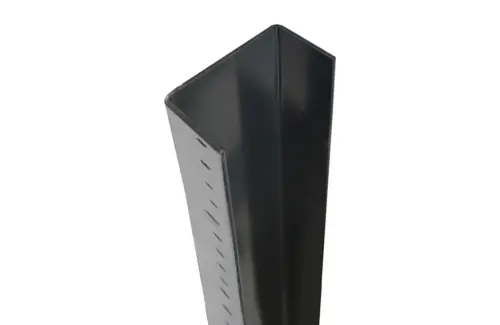
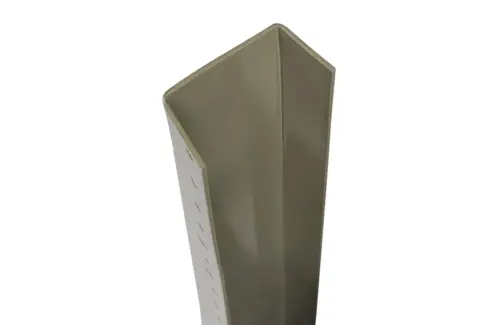
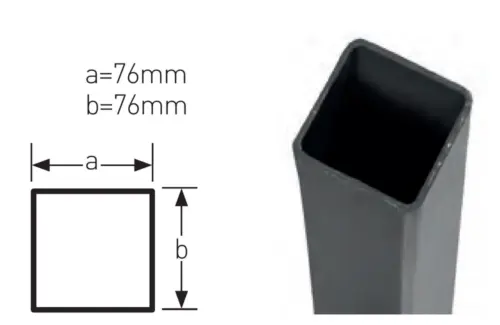
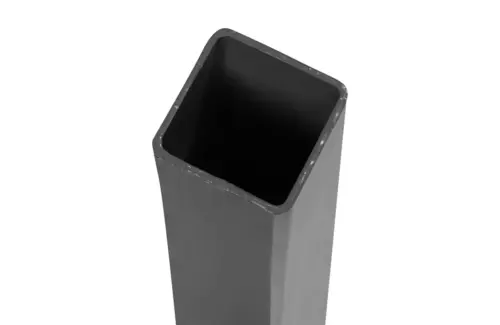
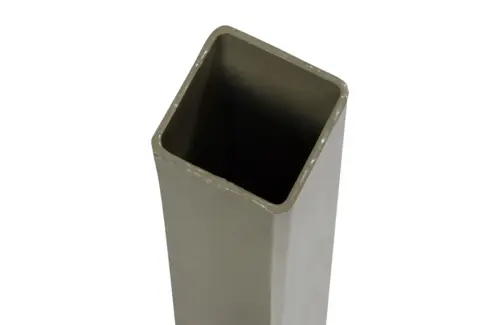
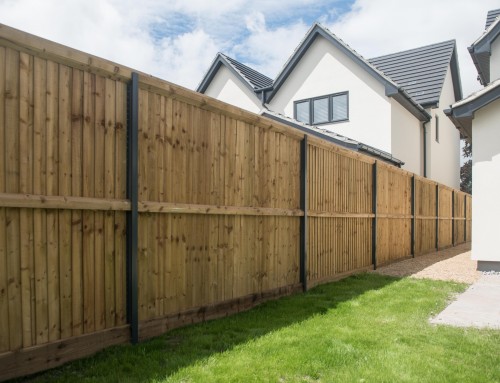
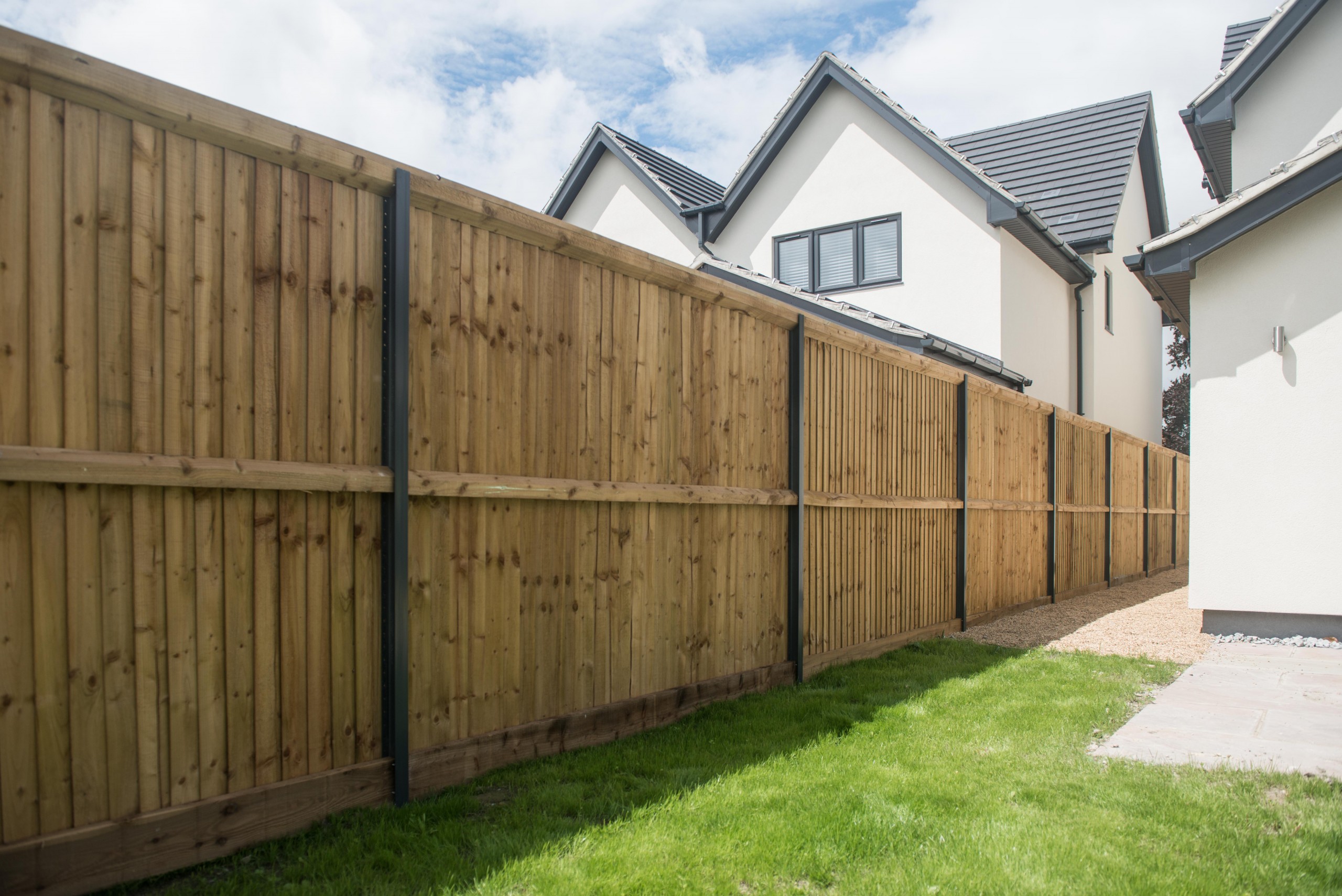
The core of the system is the post itself, available as an intermediate post for the middle of a run and an end or corner post, measuring 76mm by 76mm, for where the fence stops or turns. Between the posts, panels are held in a U channel that slots into the post and grips the panel edge, giving a clean, secure fix without the rattling that loosens timber-clipped panels over time.
Gravel Boards and Capping Rails
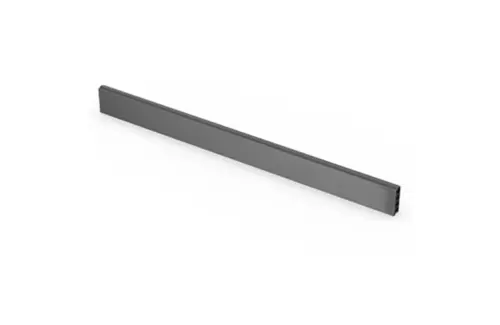
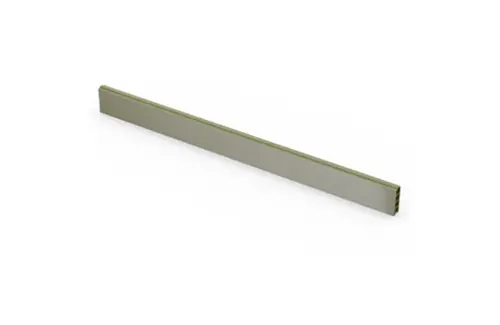
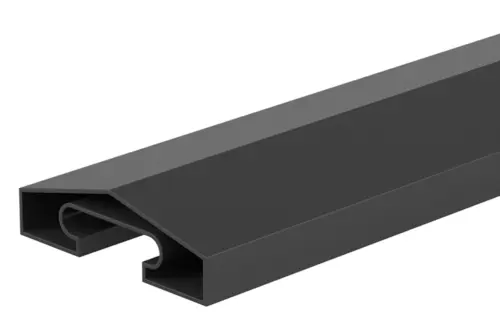
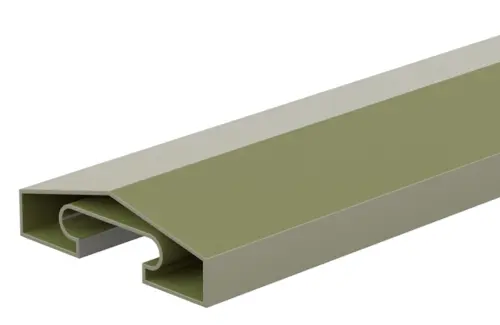
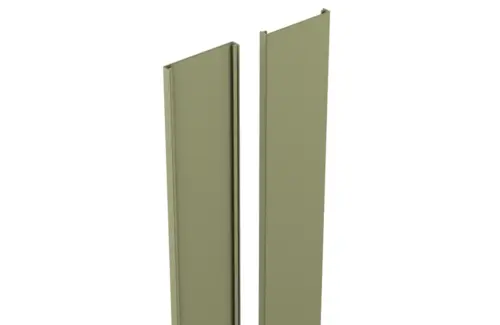
Two components finish the run properly. The Durapost gravel board, at 150mm by 50mm and 1.83 metres long, sits at the base and keeps the panels clear of wet ground, taking the ground contact that would otherwise rot the bottom of a timber panel. The capping rail, at 65mm wide and 1.83 metres long, runs along the top to give a neat finished edge and added rigidity. Together they turn a row of posts and panels into a complete, weatherproof boundary. Both come in the matching anthracite and olive grey finishes so the whole fence reads as one clean colour.
The Small Parts That Complete It
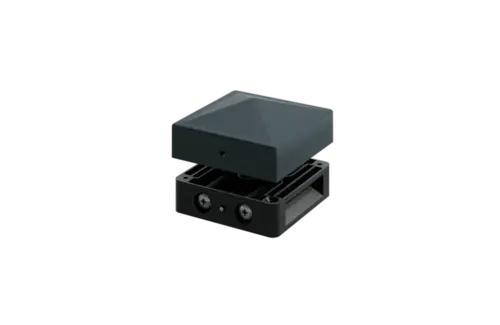
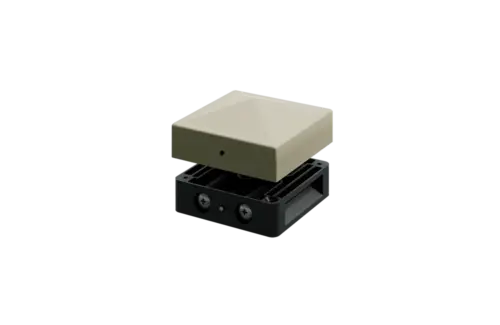
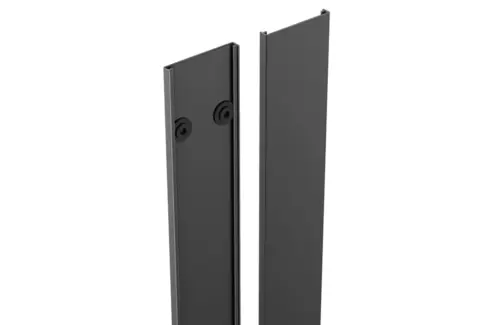
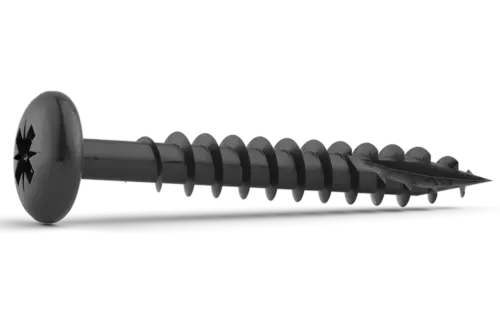
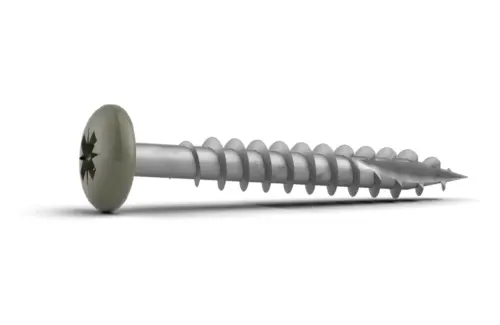
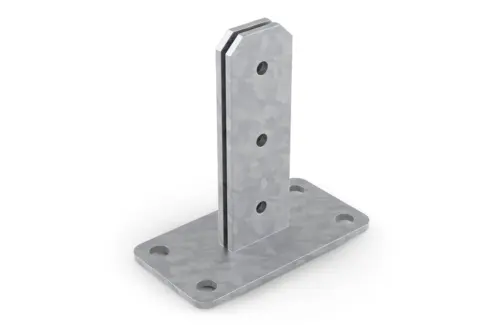
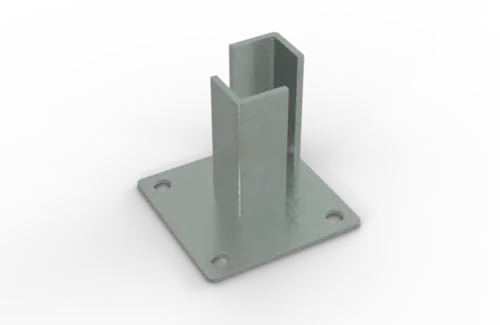
A few smaller components pull the system together. Colour-matched pan head timber screws fix the parts without standing out, a post cap finishes the top of the post and keeps water out, and a cover strip tidies the classic post profile. For setting the posts, Durapost offers bolt-down supports, including a corner post bolt-down, for fixing to a hard surface where digging is not an option. Ordering the right combination of these in one go is what makes the install straightforward.
Is Durapost Right for You
Durapost costs more upfront than a basic timber post, and the honest assessment is that you are paying now to avoid replacing rotted posts later. For an exposed boundary, a fence you want to fit once, or a customer tired of the timber post replacement cycle, it makes real sense. Our article on what is Durapost and is it worth the money weighs up the cost honestly, and you can see the full component range on our Durapost fencing page.
Choosing Between Anthracite and Olive Grey
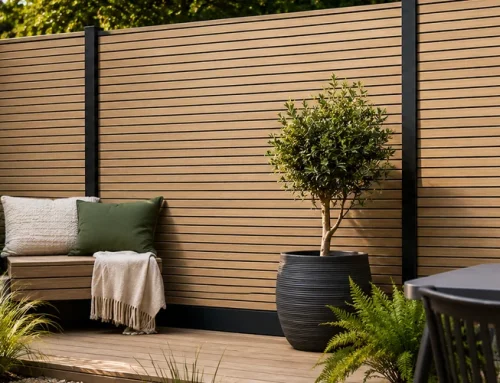
The two finishes are not just a colour preference, they change how the fence reads in a garden. Anthracite is a deep, near-black grey that gives a sharp, modern edge and pairs especially well with contemporary planting, rendered walls and slatted or horizontal panels. Olive grey is softer and more muted, sitting back into a garden and complementing natural stone and traditional planting in the way so many Ribble Valley properties favour. Because every Durapost component, from the post to the gravel board, capping rail and even the screws, comes in both finishes, the whole boundary holds a single consistent colour rather than the patchwork you get when timber weathers unevenly. Picking the finish at the order stage means the complete run arrives matched and ready to build.
For help building a complete Durapost parts list for your run, call 01200 449930. We deliver the full system across Clitheroe and the BB postcode areas, with free delivery over £150.