
For households with dogs or other pets, a secure garden is essential. Proper fencing helps ensure animals can safely enjoy outdoor space without the risk of escaping. Weak panels, gaps beneath fencing, or poorly fitted gates are common causes of pets escaping from gardens. By installing fencing correctly and maintaining it regularly, homeowners can eliminate these risks and create a peaceful outdoor environment.
Why Secure Fencing Matters for Pets
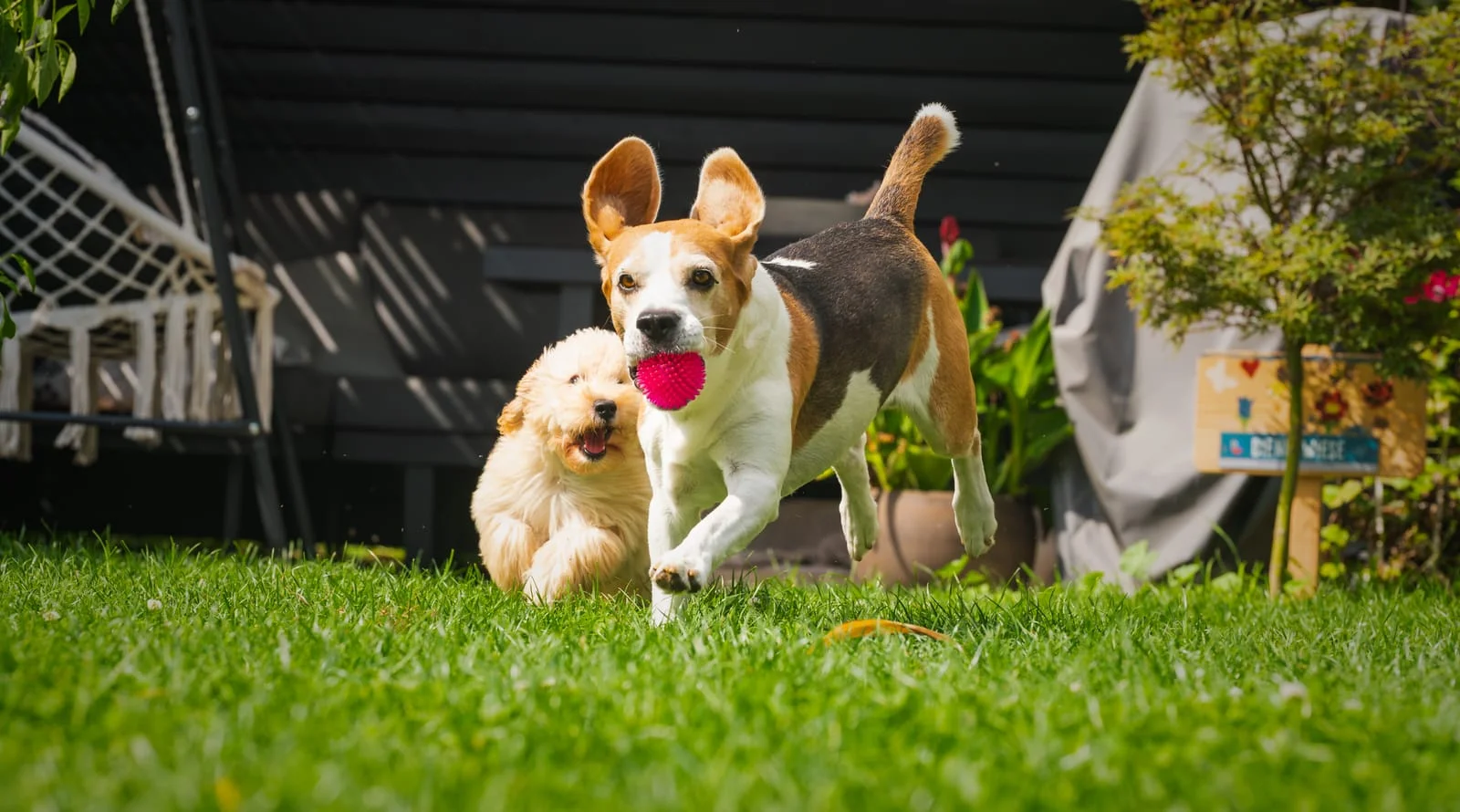
Pets thrive when they have space to explore, play, and relax in a safe environment. A well-designed garden fence acts as a boundary that protects pets from traffic, predators, and getting lost. It also provides reassurance to owners, knowing that their furry companions are not wandering beyond sight or safety. Investing in a secure garden is not just about keeping animals in; it’s about giving them the freedom to enjoy the outdoors with complete peace of mind.
Key features to consider
- Fence Posts: Sturdy posts form the backbone of any fencing system. Properly fixed fence posts anchor panels and gates, resisting wind, chewyl resistance, and minor impacts from curious tails. Choosing robust posts designed for your fence type helps ensure long-term stability.
- Panel Strength: Decorative fence panels can offer both aesthetics and security. However, the primary focus should be on strength and durability. Decorative panels that are too lightweight may sag or break under pressure, increasing escape risk.
- Height and Jumping Ability: Taller fence panels are often recommended for larger or more energetic dogs that may attempt to jump boundaries. A 6ft fence panels height is commonly cited for superior containment, though the right height depends on the breed and local regulations.
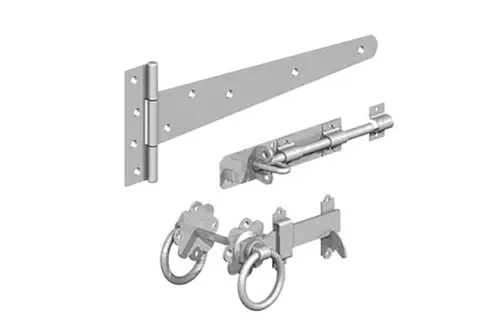
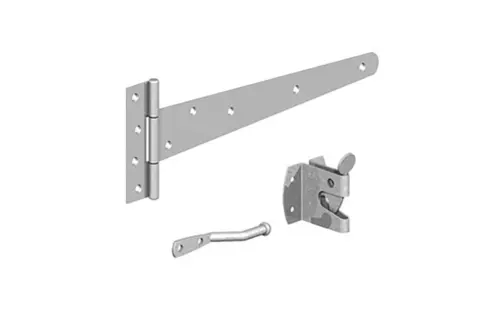
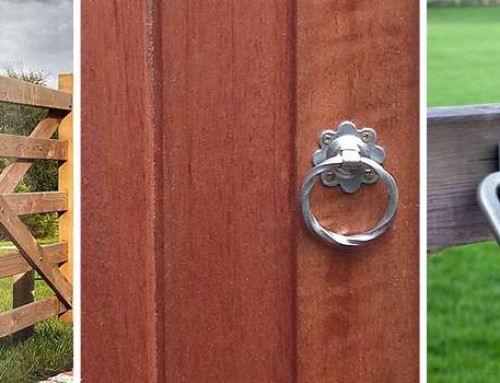
- Gates and Latches: Garden gates should be fitted securely with reliable latches to prevent pets from pushing them open. Chew-resistant latches and self-closing mechanisms can add an extra layer of security.
Choosing the Right Fence – Designs and Materials
When selecting fencing for a pet-friendly garden, the design should balance security, durability, and aesthetics. Several options commonly appear in backyards, each with its own advantages.
Traditional Garden Gates and Fence Posts
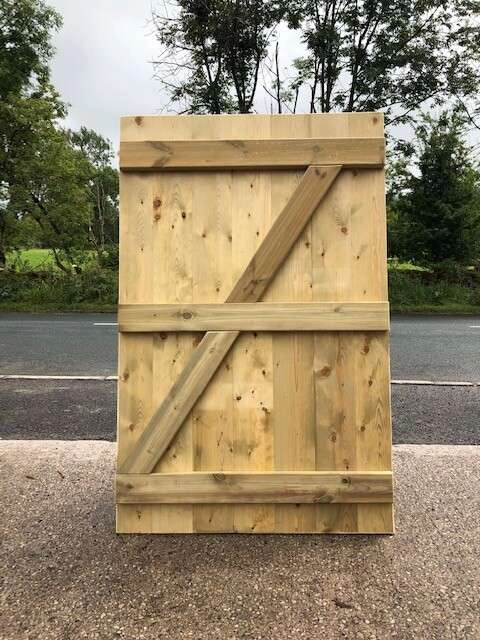
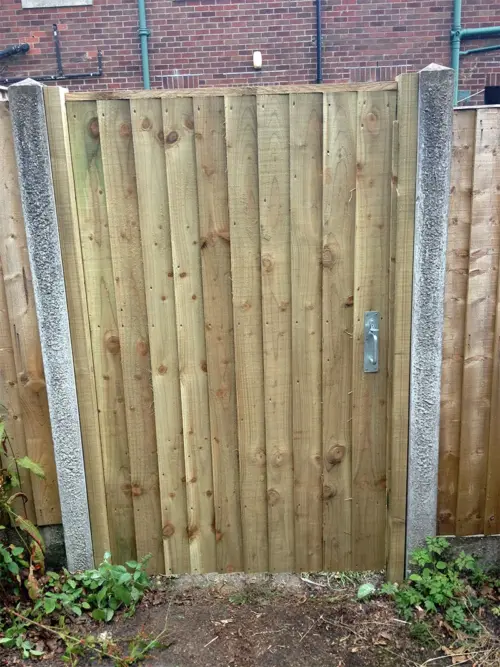
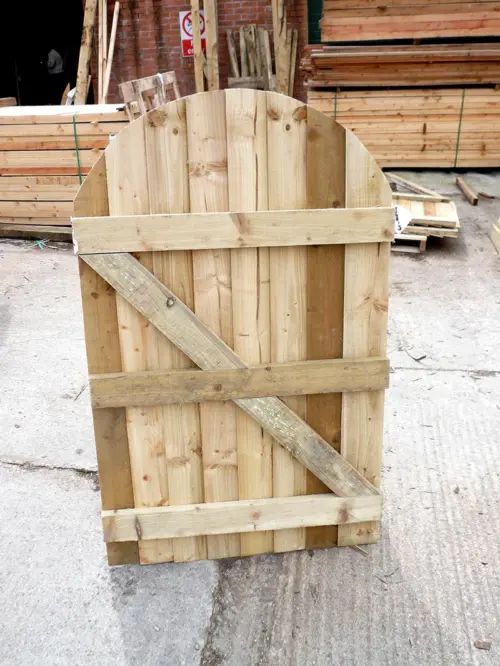
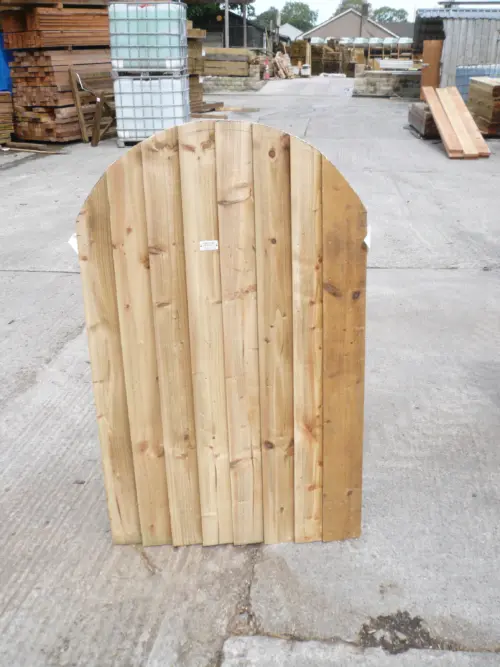
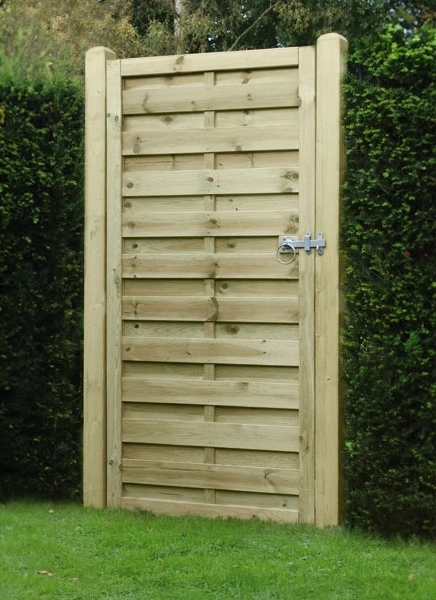
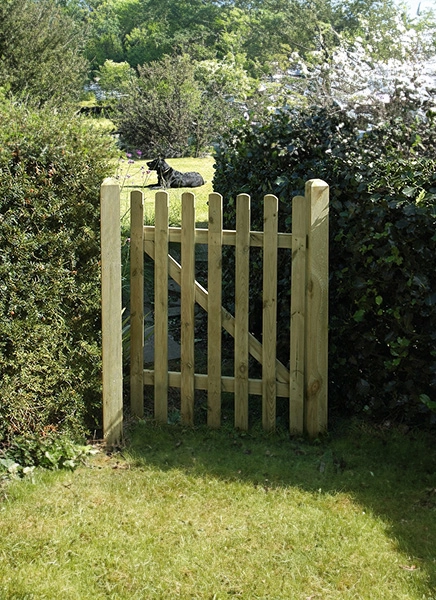
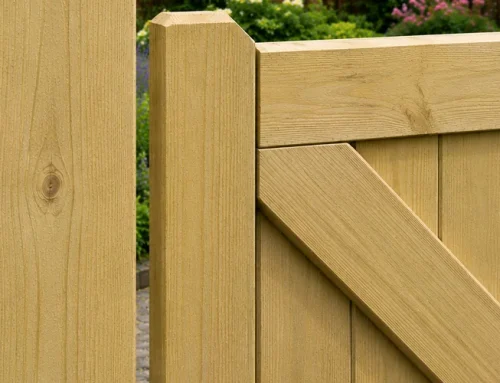
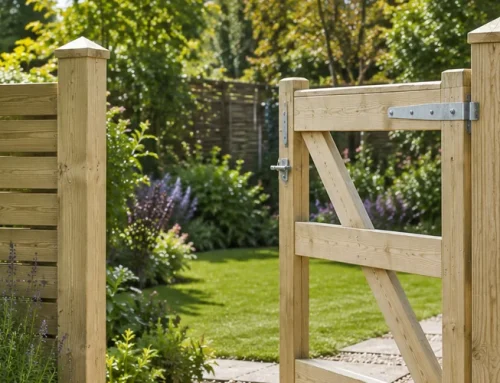
Traditional garden gates paired with sturdy fence posts offer timeless appeal and dependable performance. A classic setup can be reinforced with additional bracing, especially in areas with strong winds or heavy pet activity. Ensure gates align precisely with posts to maintain a tight seal and prevent gaps that pets could exploit.
Decorative Fence Panels
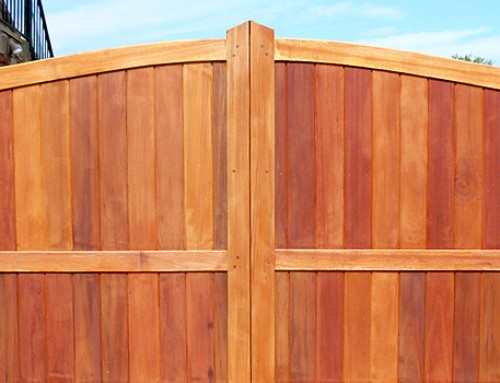
Decorative fence panels add charm to your outdoor space while still providing security. Look for panels with robust construction and smooth, splinter-free surfaces to avoid injury to curious paws. Panels should be installed with proper spacing to prevent small paws from squeezing through, particularly for smaller breeds.
Decorative Garden Gates
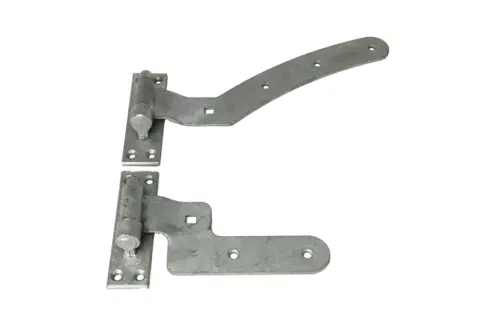
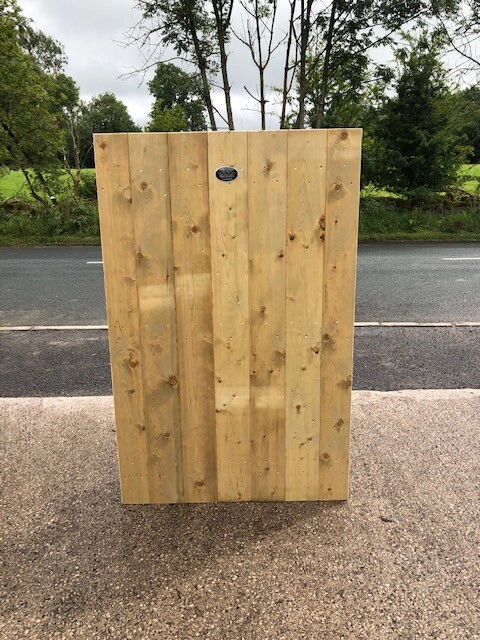
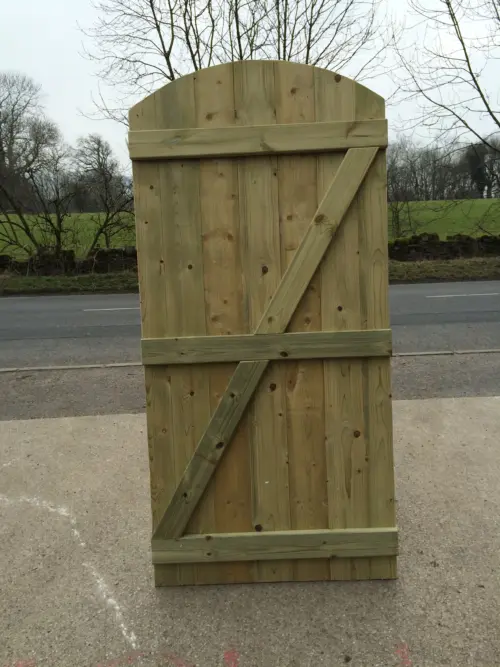
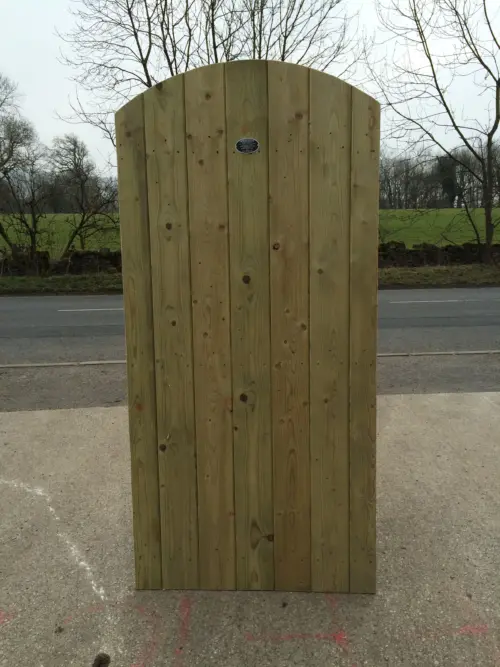
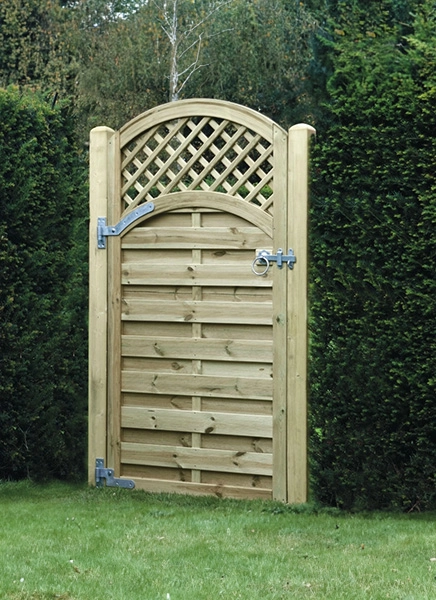
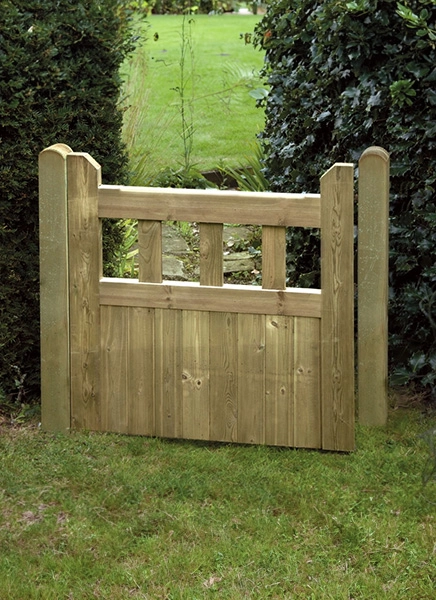
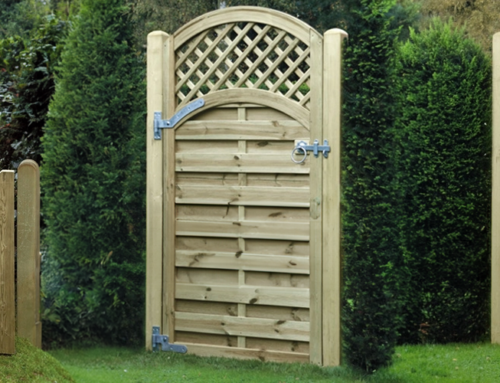
Decorative garden gates enhance curb appeal without compromising safety. Choose gates with reinforced frames, concealed hinges, and secure latching mechanisms. A well-fitted gate should sit flush against the post and fence line, leaving no gaps where a dog could push through.
6ft Fence Panels
For larger or more energetic pets, 6ft fence panels are a popular choice. They offer an extra margin of security and make it harder for determined animals to jump over. When planning for 6ft fence panels, consider local regulations, wind loading, and the overall aesthetic of the garden.
Installation Best Practices
Proper installation sets the foundation for a secure garden. Here are practical steps to help you achieve a robust fence system.
- Plan Your Layout: Measure boundaries accurately and mark where posts will go. Consider gates’ locations and alignment with existing structures.
- Prepare the Ground: Digging posts to the recommended depth helps ensure stability. Use concrete where appropriate to secure posts firmly.
- Install Posts First: Erect posts and allow concrete to cure before attaching panels. This creates a stable framework for the entire fence line.
- Fit Panels and Gates: Attach decorative fence panels to the posts, ensuring they are level and straight. Install decorative garden gates with aligned hinges and a tight fit against the latch.
- Select the Right Latch: Choose a latch that is easy for humans to operate but difficult for pets to manipulate. Consider dual-action latches or magnetic catches for added security.
- Check for Gaps: Inspect the entire fence line for gaps, especially beneath the fence. Small gaps can be enough for tiny animals or pests to squeeze through.
Maintenance – Keeping the Secure Garden in Top Shape
A secure environment requires ongoing care. Regular maintenance reduces the risk of escapes and prolongs the life of your fencing.
- Inspect Posts and Panels: Look for signs of rot, warping, or damage. Replace any compromised components promptly.
- Check Gate Alignment: Gates can sag over time, causing misalignment and gaps. Tighten hinges, adjust latch strike plates, and ensure a proper seal against the frame.
- Clean and Protect: Treat timber components with weatherproof sealant or paint to guard against moisture, UV exposure, and pests. Clean panels to remove dirt and prevent deterioration.
- Monitor for Ground Movement: Soil settlement can tilt posts, creating gaps. Re-set posts if you notice leaning sections or uneven gaps beneath fencing.
- Safety Checks: Ensure there are no sharp edges or protruding nails. A secure garden is not just about containment but also pet safety.
Common Pitfalls and How to Avoid Them
- Underestimating the Gap Beneath Fencing: Even a small gap can be a way out for a clever pet. Use gravel boards or extend the fence to the ground to eliminate space beneath panels.
- Weak Panels: Lightweight panels may bow or break under pressure, especially from strong or persistent dogs. Invest in sturdier materials and consider reinforced designs.
- Poor Gate Fit: Misaligned or ill-fitting gates create escape routes. Regularly test a gate’s operation and adjust as needed.
- Inadequate Height: Some dogs are determined jumpers. If you have a large or athletic breed, 6ft fence panels or higher may be necessary.
A secure garden for pets with proper fencing is an essential investment for responsible pet ownership. By focusing on fence posts, sturdy panels, and well-fitted decorative garden gates, you can create an enclosed, safe space where dogs and other pets can roam freely with confidence. Remember to incorporate elements such as 6ft fence panels for added security when necessary, and regularly inspect and maintain every component of the fencing system. With diligent planning and ongoing care, your garden can become a tranquil haven that both you and your pets will enjoy year after year.