
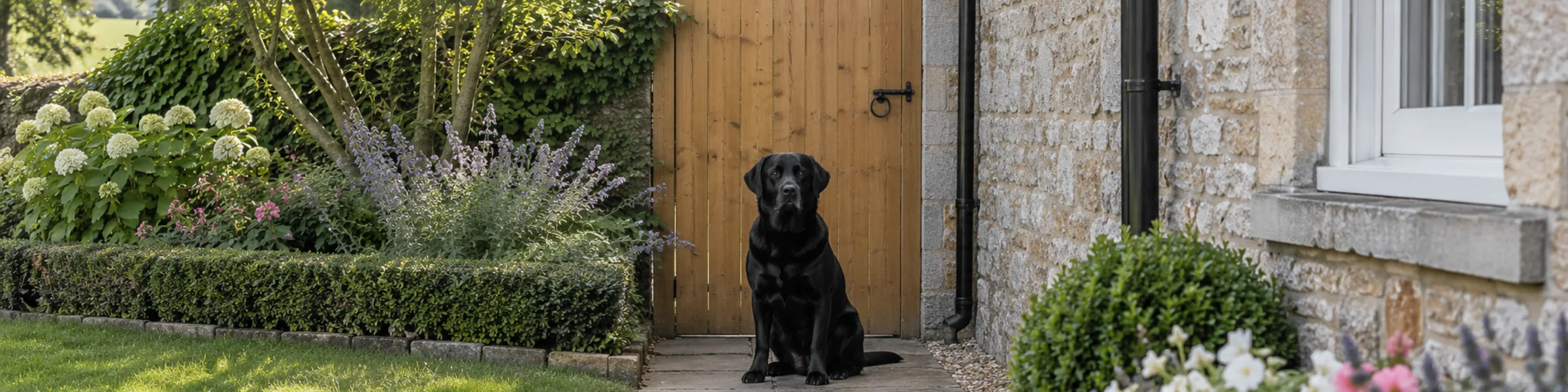
A dog proof garden gate sounds simple, yet it is often the weakest point on an otherwise secure boundary. Owners spend weekends fixing fence panels and then forget the gap under the gate. As a supplier of fencing and timber supplies in Clitheroe, we stock gates and fittings that close those gaps. This guide walks through the details that matter most.
Why Gates Are the Usual Escape Route
Dogs test boundaries in the same places every time. They sniff along the fence until they find movement, light or a draught. A gate gives them all three.
Furthermore, gates are opened and closed many times a day. Visitors, delivery drivers and children all use them. So even a well built gate fails if it does not close reliably behind people.
The Gap Under the Gate
Most garden gates need a small clearance underneath so they swing freely. However, a terrier or a young spaniel can squeeze through a surprisingly small space. If your dog can fit its head under, assume it can fit its body.
Keep the clearance as tight as the ground allows. On a sloping path, the gap often widens at the latch end. In that case, consider raising the ground slightly with a paving slab or a short timber kicker board fixed below the gate line.
The Hinge Side Gap Owners Forget
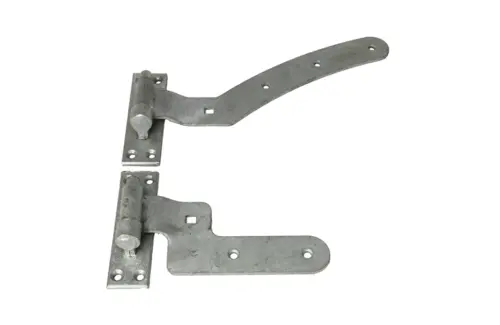
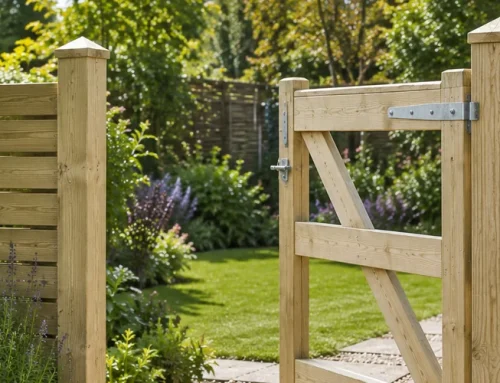
The second gap is between the gate and the hinge post. Tee hinges leave a small space here by design. On many gates it is narrow enough to ignore. Yet a small dog can wedge its nose in and lever the gap open as the timber flexes.
Check this gap with the gate shut and with it half open. If it is too wide, a fitter or a confident DIYer can pack the hinge post or fix a timber strip along it. Make sure the strip does not stop the gate swinging.
Choosing the Right Height for a Dog Proof Garden Gate
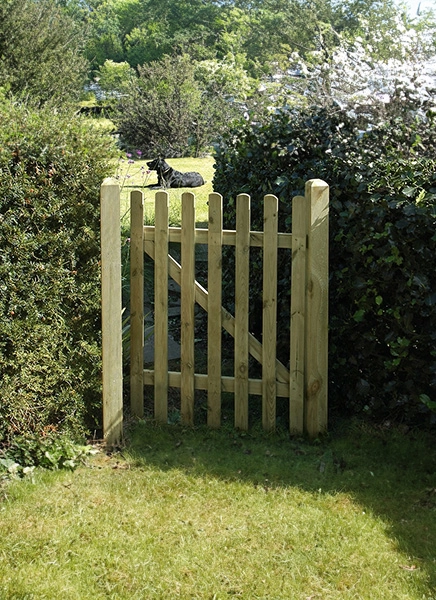
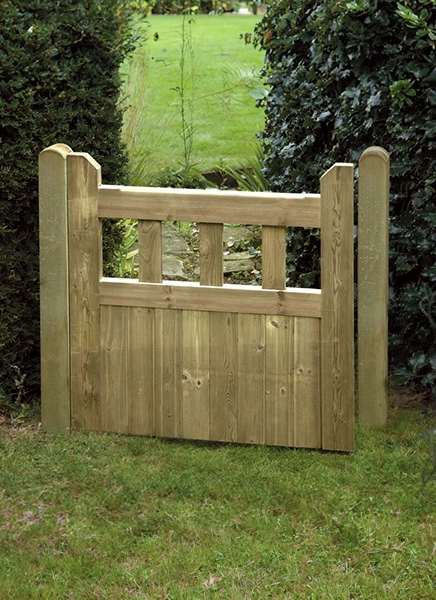
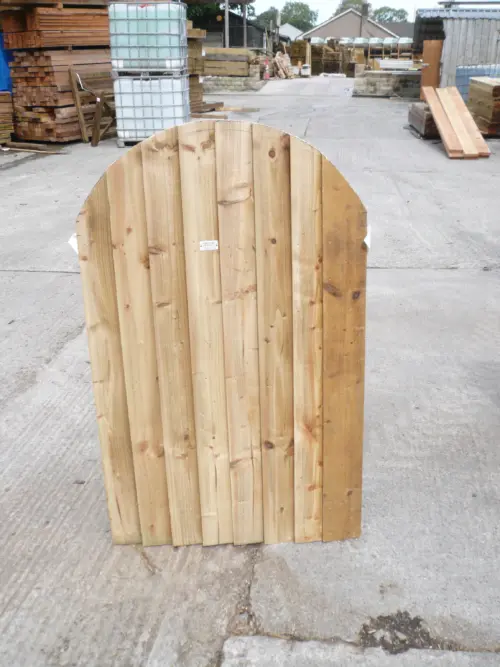
Height is the next question. A 0.9m gate such as our decorative picket gate suits front gardens and small dogs. It comes in 90 x 90cm and 90 x 120cm sizes. However, a larger or more athletic dog can clear a low gate with ease.
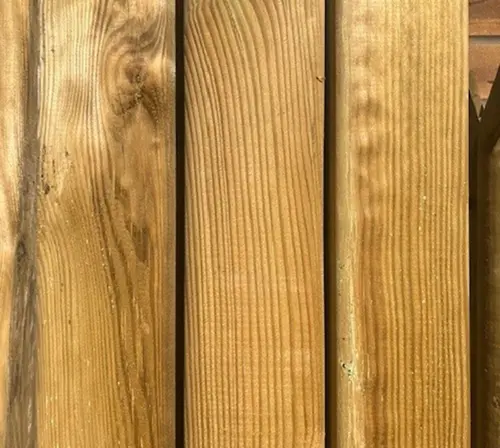
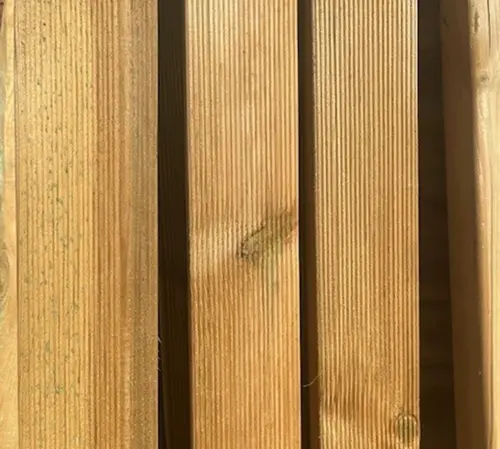
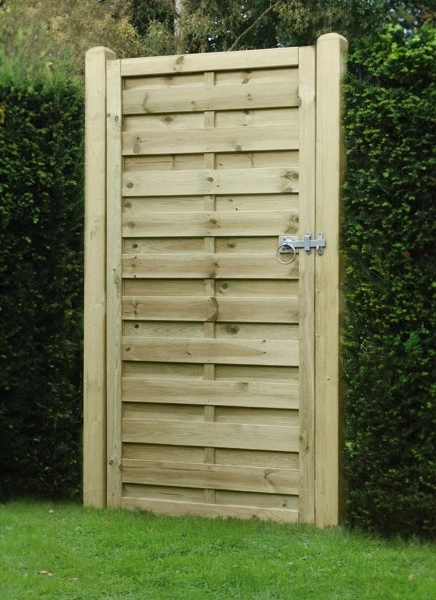
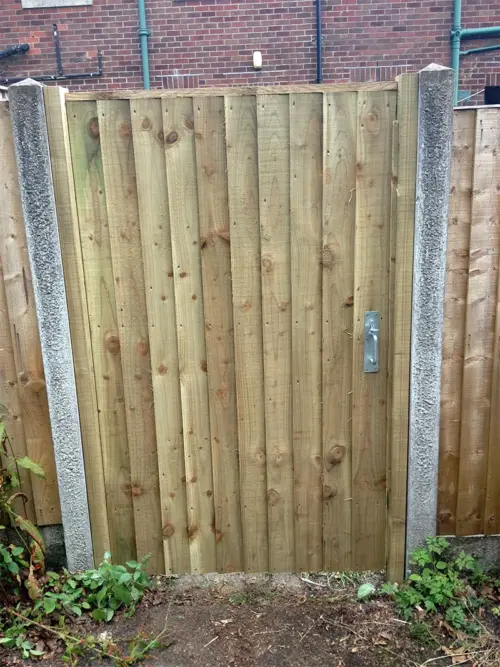
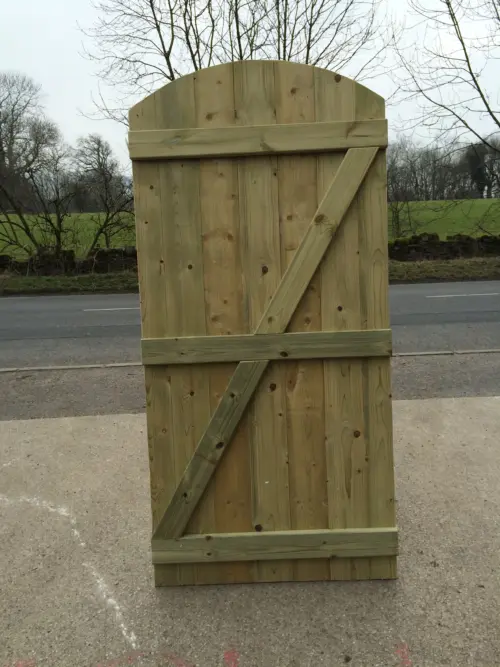
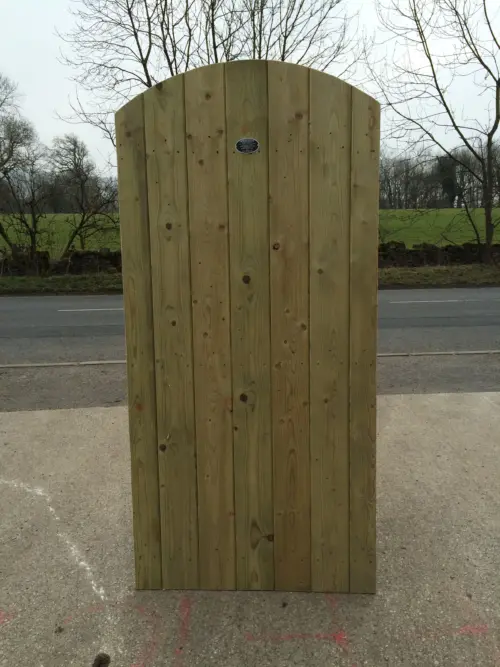
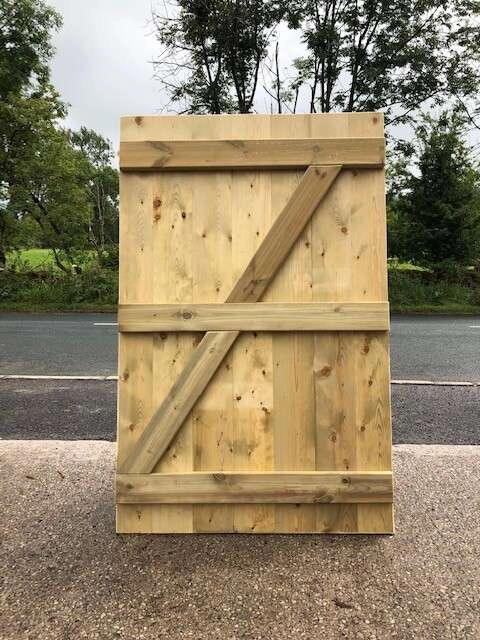
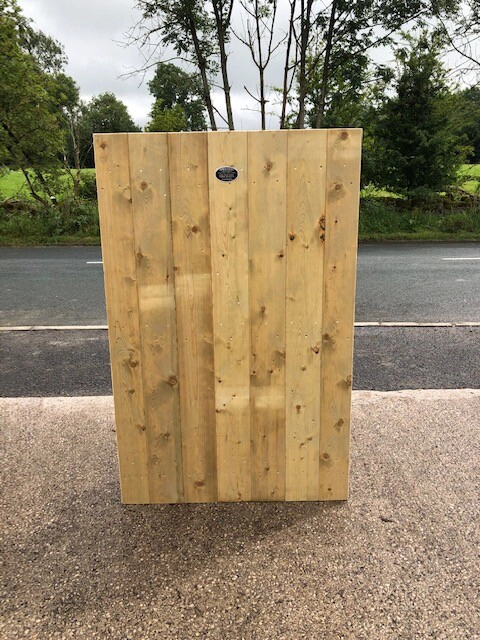
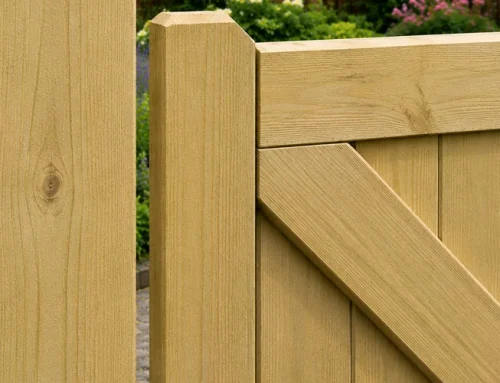
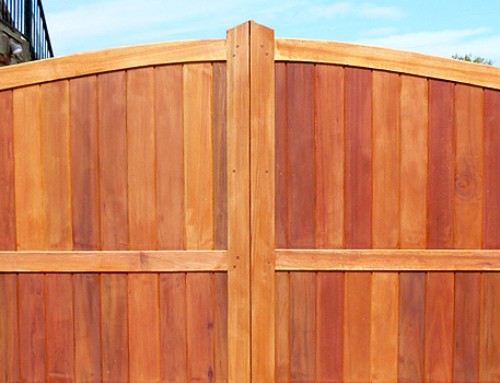
For bigger breeds, a full height dog proof garden gate is safer. The feather edge gate and tongue and groove gates both measure 0.9m x 1.8m. That height stops most dogs from jumping, and it also stops them seeing what is outside.
Solid Infill Stops Climbing and Barking
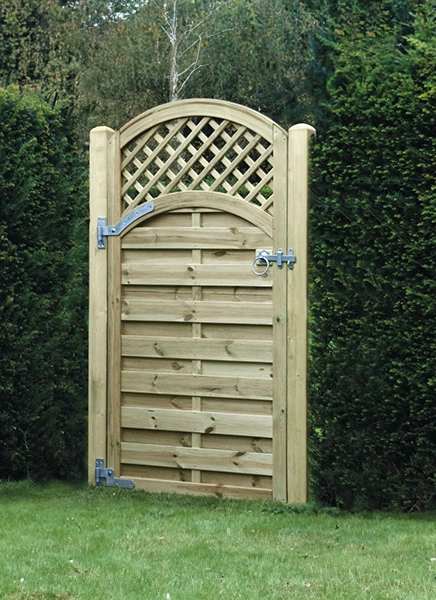
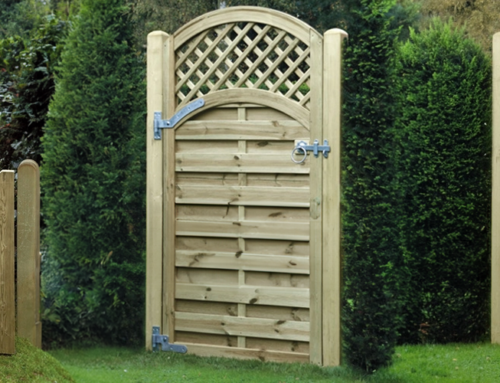
Open designs such as pickets or lattice tops give paws something to climb. Some dogs learn to scramble up and over. Solid infill removes those footholds.
Feather edge and tongue and groove boards give a flat, closed face. As a result, your dog cannot see passing cats, walkers or tractors on the lane. Many owners find that cuts down barking at the gate as well. You can compare styles across our traditional garden gates range.
Self Closing Fittings for a Dog Proof Garden Gate
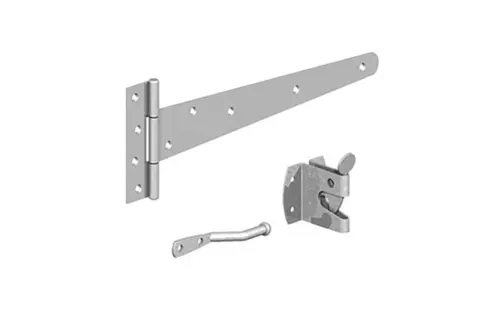
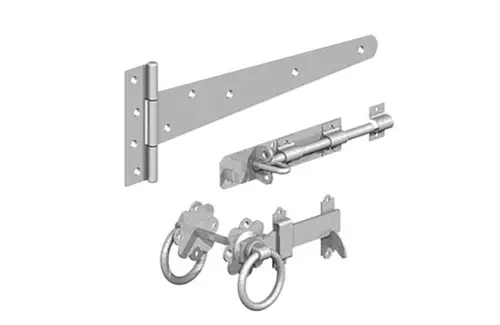
A gate left ajar is the commonest cause of a lost dog. A dog proof garden gate needs a latch that catches on its own. Our auto gate catch kit includes a pair of 14 inch medium tee hinges and a medium auto catch, all galvanised.
With the hinges set so the gate swings closed, the catch drops into place without anyone touching it. Therefore, visitors cannot forget to shut it behind them. Our post on side passage gates with self-closing latches explains the set-up in more detail.
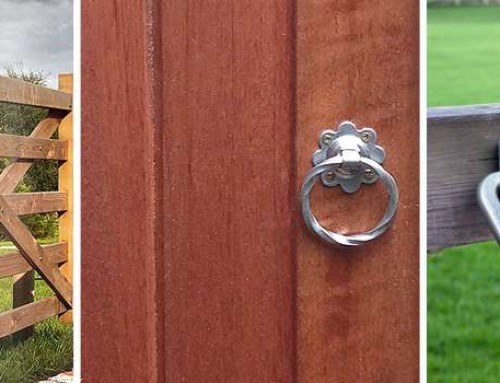
Alternatively, the ring gate latch kit includes a pair of 16 inch tee hinges, a 6 inch ring latch and a 6 inch Brenton padbolt. The padbolt adds a second lock. That is handy when you need the gate shut fast and fully secure.
Bonfire Night and Frightened Dogs Bolting
Tonight is Bonfire Night, and fireworks will be going off across Lancashire for days. Even calm dogs can panic at a sudden bang. A frightened dog will throw itself at any weak spot in the boundary.
So check your dog proof garden gate before dusk. Look for the gaps above, test the latch, and slide the padbolt across if you have one. Better still, keep your dog on a lead in the garden during the busiest evenings.
Rural areas are not exempt either. Sound carries a long way across the fells around Bowland. A dog in a quiet village can be just as startled as one in town.
Gates for Bowland Villages and Farm Cottages
Many of our customers live in stone cottages with walled gardens and old timber posts. We supply plenty of customers looking for Slaidburn wooden garden gates and Newton-in-Bowland wooden garden gates. In these spots, livestock on the lane makes a secure gate even more important.
Before ordering, check your posts are sound and upright. A loose post lets the gate drop and opens the gaps again. Replace any rotten post before hanging a new gate.
Checking the Fence Either Side of the Gate
A dog proof garden gate only helps if the panels beside it are secure too. Dogs often dig at the base of the fence next to the gate post. The soil there is usually loosened by foot traffic.
Look for gaps between the gate post and the first panel as well. Old panels shrink and pull away from posts over time. Consequently, a small dog may find a route you never noticed.
Walk the full boundary once a month, especially after storms. Fix any loose panels or lifted gravel boards straight away. A dog will usually find a new weak spot within days.
Keeping Fittings Working Through Winter
Wet weather makes timber swell slightly. As a result, a gate that latched perfectly in summer may stop short in November. Check that the auto catch still drops fully every time.
Galvanised fittings resist rust well. Even so, a drop of light oil on hinge pins and latch bars keeps them moving freely. A stiff latch is a latch that people stop using.
If you want help choosing a dog proof garden gate and the right fittings, call us on 01200 449930. We offer free delivery on orders over £150 across all BB postcode areas, and collection from our Clitheroe yard is also available.