
The narrow passage down the side of a house is one of the most useful and most overlooked parts of a boundary. A proper gate there improves security, keeps children and pets safe, and tidies an awkward space, but the difference between a gate that helps and one that annoys usually comes down to the latch. As a supplier of fencing and timber supplies in Clitheroe, we stock side gates and a range of latches and catches, including self-closing options, and this guide explains how to get a side passage gate right.
Why the Side Passage Deserves a Proper Gate
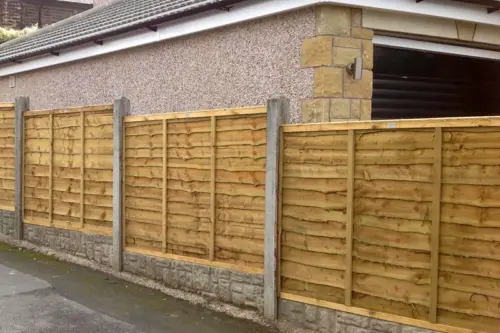
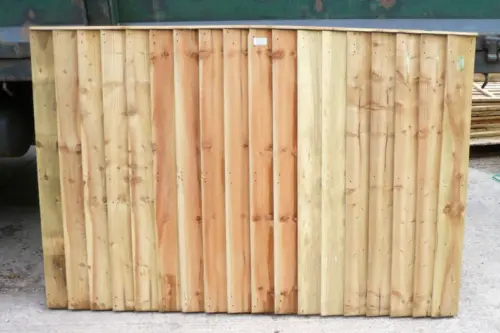
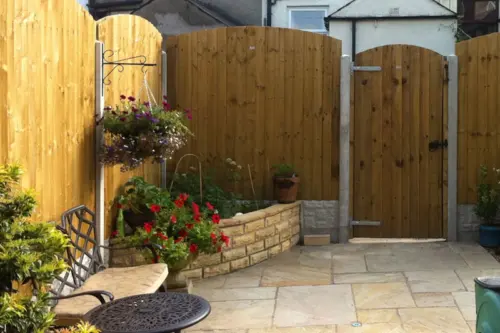
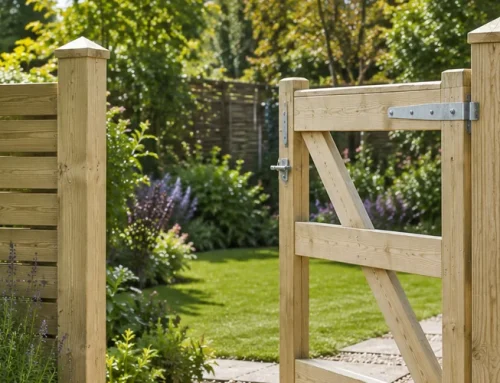
An open side passage is an invitation. It gives easy, unseen access to the rear of a property, which is exactly the route an intruder prefers, and it lets pets and children slip out to the front unnoticed. A solid, well-fitted gate closes that gap. A tongue and groove or feather edge side gate gives a private, secure barrier that matches the rest of the boundary, and because the passage is narrow, a standard 0.9 metre gate usually fits the opening neatly. It is one of the highest-value, lowest-cost security improvements a household can make.
Beyond security, a side gate simply makes the space usable. It screens bins, bikes and recycling from the street, stops wind funnelling debris down the passage, and gives a defined point of entry. For a terraced or semi-detached home, where the side passage is often the only route to the back garden, getting that gate right matters every single day.
The Case for a Self-Closing Latch
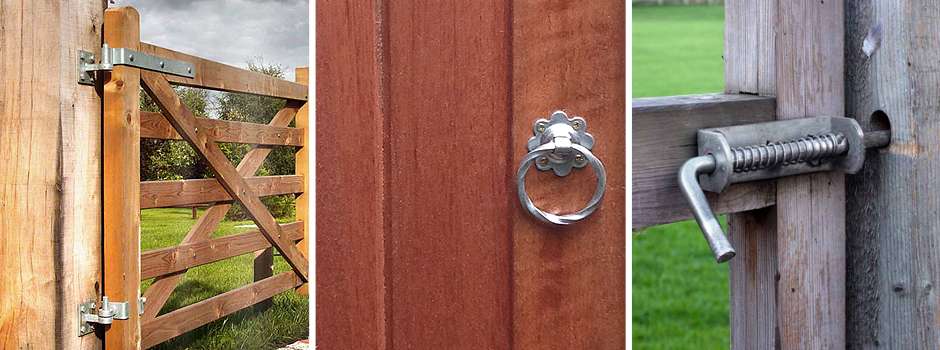
The latch is what turns a gate from a barrier you have to remember to close into one that looks after itself. An auto gate catch kit lets the gate swing shut and latch on its own, so it is never accidentally left open, which is the whole point where children and pets are concerned. A ring latch kit gives a simple, reliable manual close with an attractive traditional look. Choosing between them is really about whether you want the gate to close itself or prefer a classic hand-operated latch. We stock both, and our gate fittings range covers the hinges to go with them.
Hinges and Posts for a Heavy-Use Gate
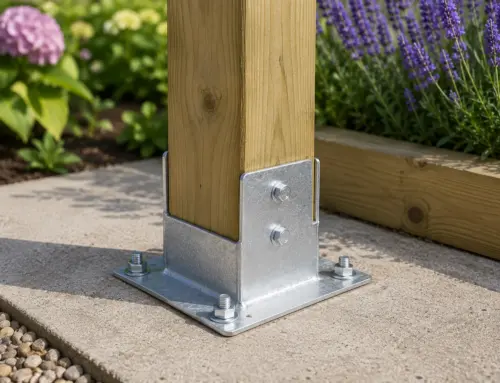
A side gate gets used constantly, so the hinges take real punishment. A curved gate hinge set sized to the gate weight keeps it swinging true, and a sound, plumb gate post is non-negotiable, because a side gate hung on a weak post will drop and start catching within months. The narrow passage often means fixing the post against a wall or in a confined space, so it pays to plan the fixing before you order. Our guide on the practical benefits of adding a gate to your side passage covers the wider case for the project.
Choosing the Gate Itself
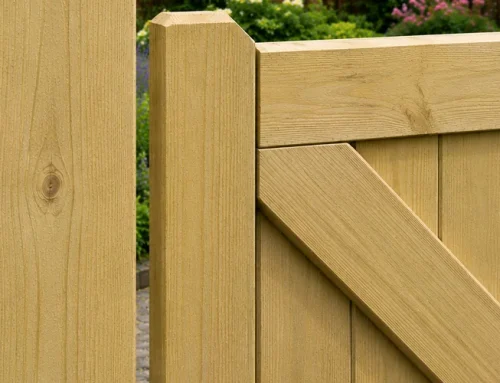
For a side passage, privacy and strength usually win, which points to a solid tongue and groove or feather edge gate rather than an open decorative one. Match the gate to the boundary it adjoins so the whole thing reads as one, and treat the timber well since a shaded passage stays damp. You can see the gate options on our traditional garden gates page, and our article on side gates for your garden has more detail.
Treating a Gate in a Shaded Passage
A side passage is one of the dampest, shadiest spots on a property, and that environment is hard on timber. With little sun to dry it and often poor airflow between two walls, a side gate stays wet longer than a gate in an open garden, which makes thorough treatment essential rather than optional. Pressure-treated timber gives the baseline protection, and a good top coat of treatment, refreshed regularly, keeps the gate from absorbing the constant moisture and swelling so it begins to bind in its frame. Leaving a small clearance gap around the gate from the start allows for a little seasonal swelling without the gate jamming, and keeping the bottom edge clear of the ground stops it wicking up water from a wet passage floor.
To choose a side gate and the right self-closing latch, call 01200 449930. We deliver gates, latches and hinges across Clitheroe and the BB postcode areas, with free delivery over £150.