
A sloping garden is one of the best reasons to build a raised deck, turning an awkward bank into a level, usable outdoor room that would be difficult to achieve any other way. The decking supplies and structural thinking that go into a raised deck differ from those for a simple ground-level platform, because the frame is doing more work, and getting that frame right is the whole job. As a supplier of fencing and timber supplies in Clitheroe, we help customers across the Ribble Valley build raised decks on the kind of sloping plots that are common throughout this part of Lancashire.
The principle is straightforward. A frame of posts and joists is built up from the ground to create a level platform, with the boards laid across the top, so the deck stays true while the ground beneath it falls away.
How a Raised Deck Handles a Slope
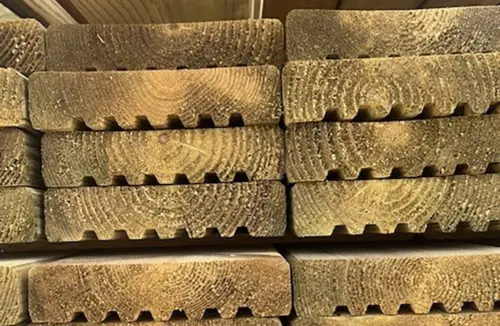
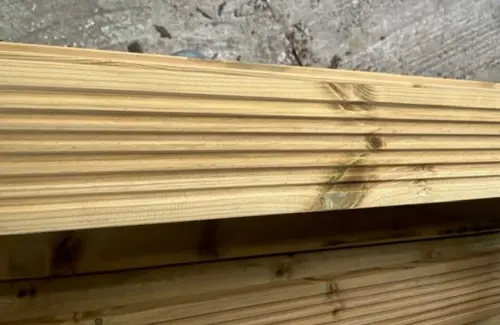
On a slope, the deck frame is supported on posts set at heights that step down with the ground, all bringing the top surface to a single level. The greater the fall across the site, the taller the posts at the low end, and the more the frame needs to be braced and tied together to stay rigid. This is structural work, and it is worth planning carefully before ordering. Our decking supplies range covers the components a raised frame calls for, and the broader timber decking range provides the surface.
Choosing the Posts
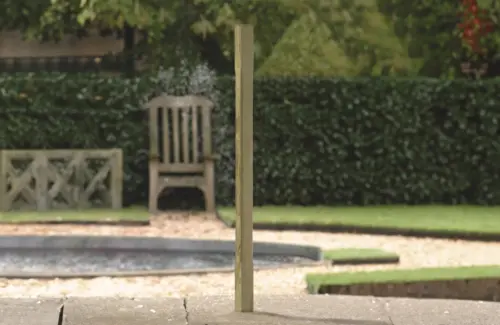
The posts are the backbone of a raised deck. They must be sound, pressure-treated timber set on firm footings, because everything above depends on them. Taller posts at the low end of a slope carry more leverage and need bracing to resist movement. Our timber posts range includes the substantial sections suited to structural support, and choosing pressure-treated timber matters here because the posts work hardest and sit closest to the ground. The case for that treatment is set out in our piece on the long-term value of pressure-treated timber.
Building the Frame Level
From the posts, a frame of bearers and joists creates the level plane the boards sit on. Spacing the joists correctly keeps the decking boards firm with no bounce, and tying the frame together with proper bracing stops the raised structure swaying. The taller a deck stands, the more this rigidity matters, both for how solid it feels and for how long it lasts.
Fixings That Hold the Structure Together
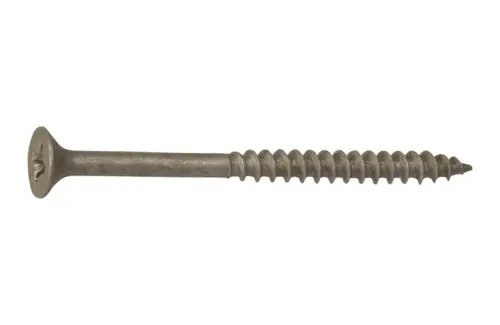
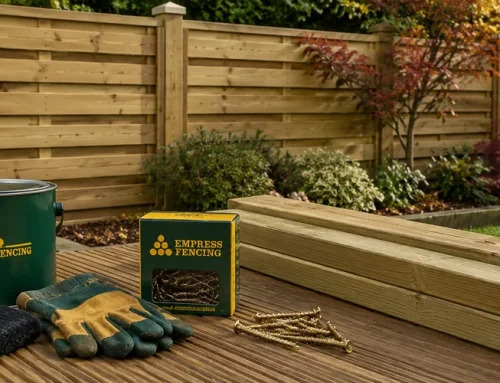
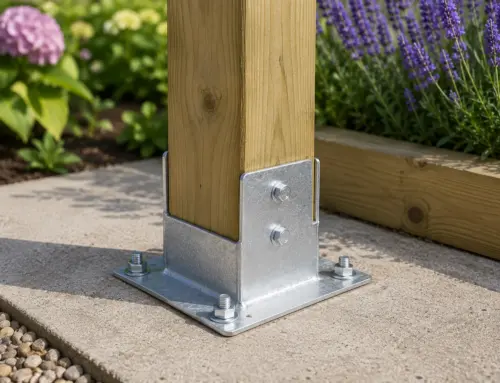
A raised deck lives or dies by its fixings. The connections between posts, bearers and joists carry real loads, and they need to be made with fixings rated for the job and for outdoor life. Our fixings and accessories range covers the post supports, bolts and connectors a raised frame needs. Skimping here is a false economy, as a frame is only as strong as the connections holding it together.
Safety and Edges
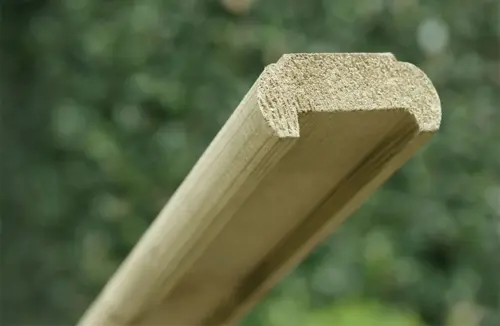
Once a deck stands above ground, the edges matter. A raised deck generally needs a balustrade or railing around any drop, both for safety and to finish the structure properly. Planning the edge treatment into the project from the start, rather than adding it later, gives a tidier and safer result. The materials sit within our wider timber range, so the whole build can be sourced together.
Setting the Footings
A raised deck is only as stable as what its posts stand on. On a slope, each post bears a share of the load and needs a firm footing that will not settle or shift, which usually means a solid base set into the ground rather than a post resting on the surface. The greater the height at the low end of the slope, the more the footings matter, because any movement there is magnified across the whole structure. Getting the footings sound before building up is the foundation the rest of the deck depends on.
Bracing Against Sway
Tall posts on a slope can flex if they are not tied together, and a raised deck that sways feels unnerving even when it is sound. Diagonal bracing between the posts triangulates the frame and locks it against movement, turning a collection of uprights into a rigid structure. The higher the deck stands, the more bracing it needs, and building this in from the start is far easier than trying to stiffen a finished deck that has started to move.
Planning the Access On and Off
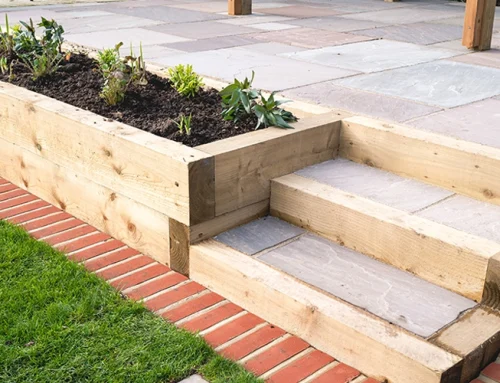
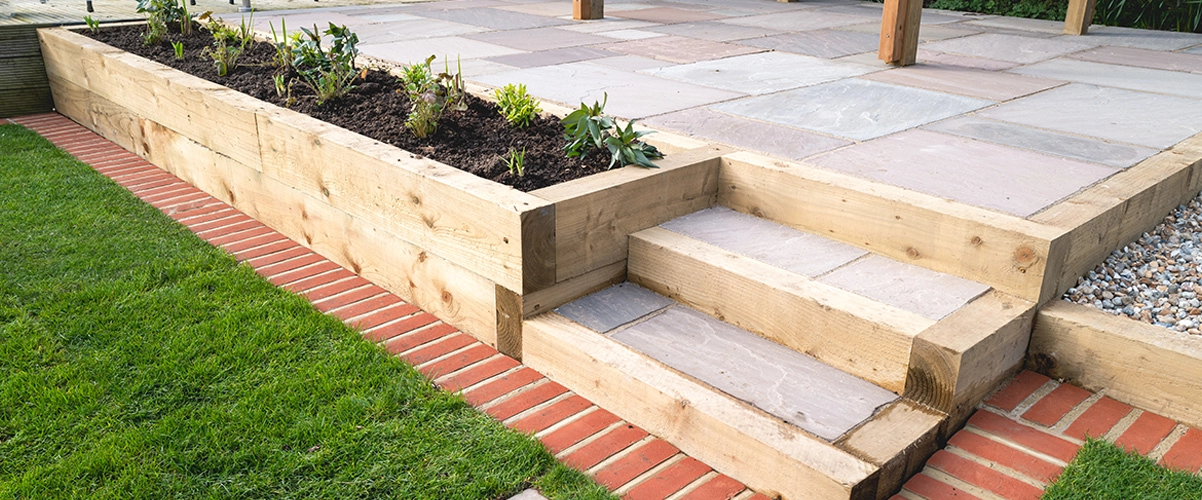
A raised deck needs a considered way up to it, whether that is steps down to the garden or a flush threshold from the house. Planning the steps and the edge protection into the design, rather than adding them afterwards, gives a safer and tidier result. Steps want to be even and generous, and any drop at the deck edge needs a balustrade, so working these in at the design stage keeps the finished deck both safe and properly resolved.
If you are planning a raised deck on a sloping garden and want help specifying posts, joists and fixings, call us on 01200 449930. We offer free delivery on orders over £150 across all BB postcode areas, so your structural timber and fixings can arrive in one delivery. Planning the posts, bracing and footings together from the outset gives a raised deck that feels rock solid underfoot and stands true for years on even the steepest plot.