
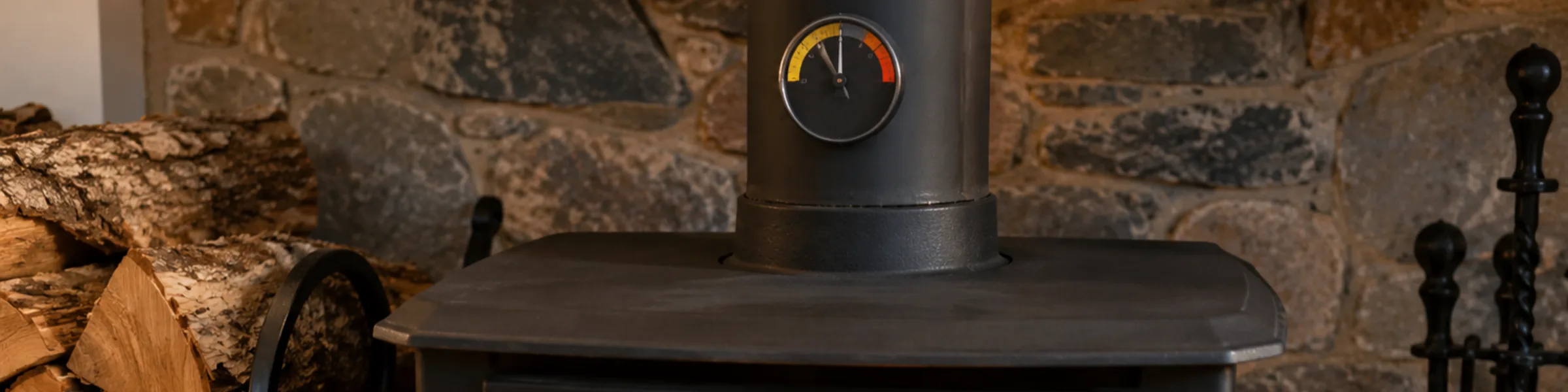
A stove thermometer is one of the cheapest and most useful tools you can own for a log burner. It tells you, at a glance, whether your fire is burning cleanly or quietly coating the flue in tar. As a supplier of fencing and timber supplies in Clitheroe and Ready to Burn certified firewood, we hear the same questions every winter. This guide explains the readings and how your logs affect them.
How a Stove Thermometer Works
A typical stove thermometer is a small magnetic dial. You stick it to the stove top or to the flue pipe just above the stove. A bimetallic coil inside moves the needle as the metal heats up.
Flue-pipe thermometers read the temperature of the gases leaving the stove. Stove-top versions read the body of the stove instead. Both are useful. However, check the instructions that came with your stove for the recommended position.
The Three Zones on a Stove Thermometer Dial
Nearly every dial is split into three coloured bands. The lower band is usually marked too cool or creosote zone. The middle band is the ideal burn. The top band is marked too hot or overfire.
Exact figures vary between makes, so always go by the bands on your own dial. In general, the aim is to keep the needle in the middle band for most of the evening. Brief dips while you reload are normal.
What Happens When the Stove Runs Too Cool
A stove that sits in the lower band is wasting fuel. The wood smoulders rather than burns. Consequently, unburnt gases rise up the flue and cool as they go.
Those gases condense into a sticky brown or black tar. Over time it coats the flue lining and the stove glass. Our article on stove glass going black covers the warning signs in more detail. In short, black glass almost always points to a cool, smoky fire.
Furthermore, a cool fire gives out less heat for every log. You burn more wood and the room still feels chilly. That is a poor trade on a damp November night in Accrington.
Why Running Too Hot Is Also a Problem
The top band matters just as much. Running a stove very hot for long periods can warp baffles and damage seals. It can also crack fire bricks.
Overfiring usually happens when people pack the firebox full and leave the air wide open. Therefore, once the needle reaches the middle band, start closing the air control in small steps. Watch the dial for ten minutes after each change.
Loading Logs to Stay in the Ideal Zone
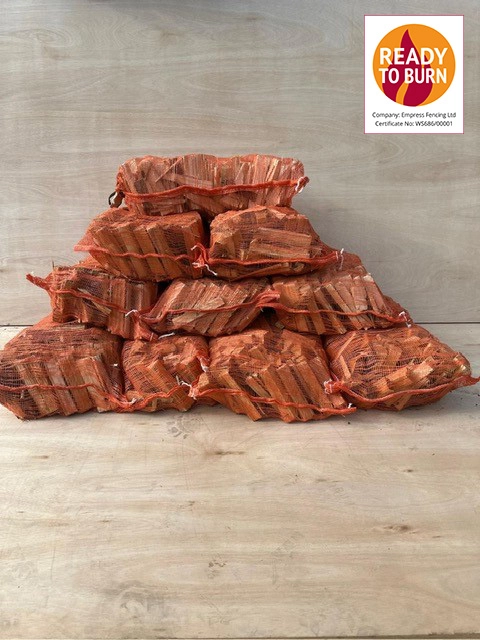
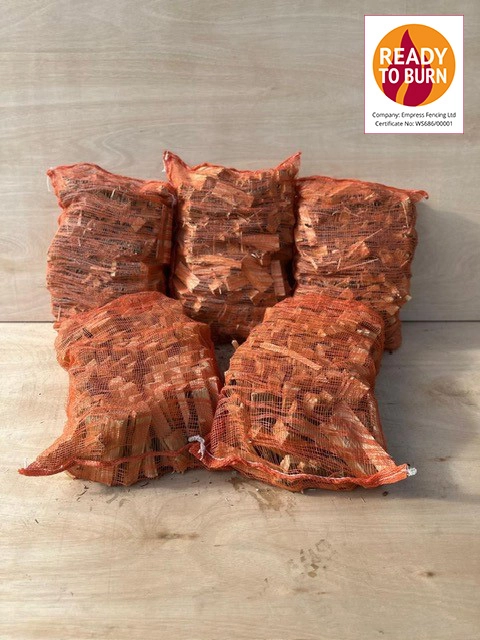
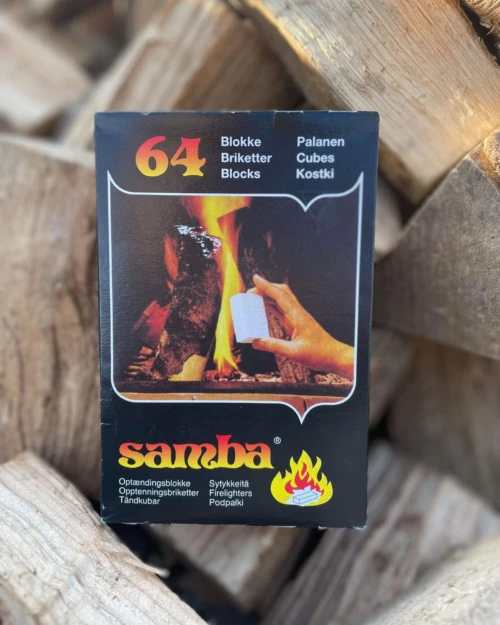
Start every fire with plenty of kindling and a couple of small softwood splits. A net from our 10 nets of kindling lights roughly 10 to 12 fires per net. Softwood flares quickly, so the stove body warms up fast.
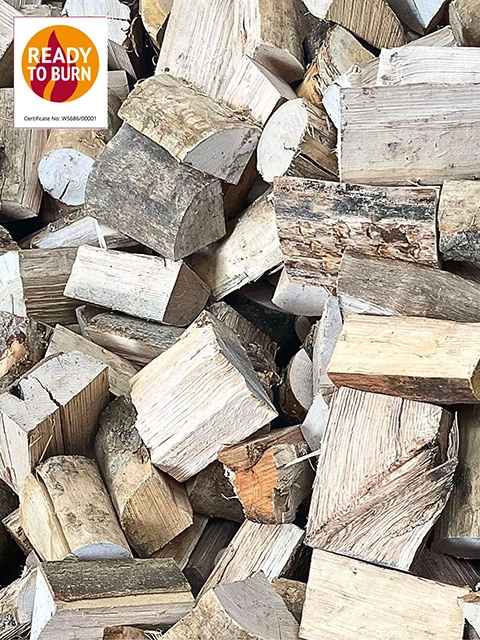
Once the needle climbs into the middle band, add two or three hardwood logs. Our logs are cut on average to 8 inches long, with a maximum diameter of 6 inches. That size fits most domestic fireboxes without overloading them.
After that, reload little and often. Add a log or two when the previous load has burnt down to glowing embers. Large reloads on a weak bed drop the temperature sharply and push the needle back into the cool zone.
Dry Fuel Reaches the Right Temperature Faster
Moisture is the biggest factor in how quickly a stove warms up. Wet wood spends its energy boiling off water before it gives out useful heat. As a result, the needle crawls upward and often never reaches the middle band.
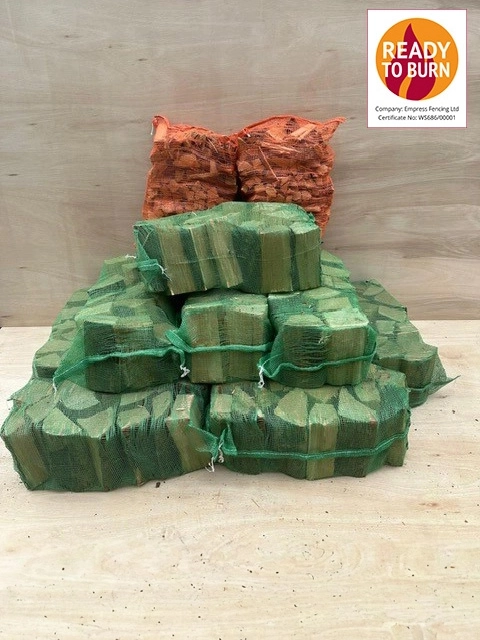
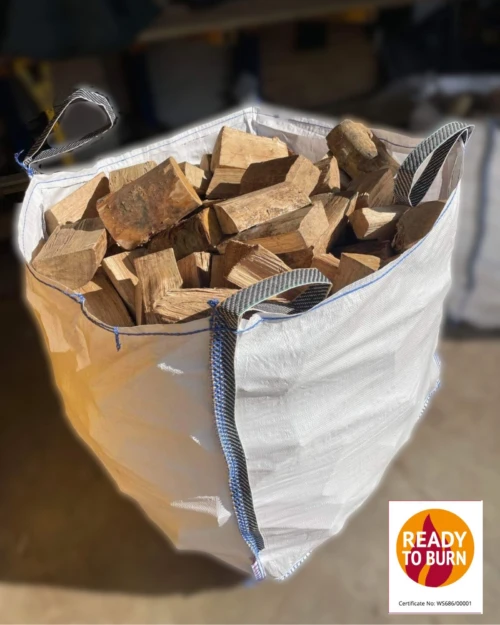
All of our firewood is kiln dried to under 20% moisture content. That meets the Ready to Burn standard. Our 1m3 hardwood logs are a mixed load that may include birch, oak, ash, sycamore, beech, alder and hornbeam. Each species burns slightly differently, but all arrive dry.
For more background, read why moisture content of logs matters. It explains how a few percentage points of moisture change the way a fire behaves.
Using Your Stove Thermometer Through a Lancashire Winter
Cold, still evenings give a strong draw up the chimney. Mild, damp and windy nights can do the opposite. So the same air setting can give very different readings from one week to the next.
This is where the stove thermometer earns its keep. Rather than guessing, you adjust the air until the needle settles. After a few weeks you will learn how your stove behaves in each type of weather.
Keep your logs dry once delivered, too. Our firewood leaves the yard dry, but rain blowing into an open store will undo that quickly. A covered, ventilated log store is the simplest fix.
Local Firewood Deliveries in Hyndburn and Rossendale
We deliver regularly to customers searching for logs for sale Accrington and logs for sale Baxenden. Many homes there sit on terraced streets with tight access. Our drivers use a pickup or small open-back transit, which helps on narrow roads.
Loose loads are tipped on the drive or as close as safely possible. Our drivers cannot carry logs into a building or lift them over walls. Therefore, add any access notes in the comments box when you order.
Common Mistakes With a New Thermometer
Many people fit a stove thermometer and then trust it blindly. However, a dial placed in the wrong spot can read far too low or too high. Always follow the position your stove maker recommends.
Another mistake is reacting too quickly. The needle lags behind the fire by several minutes. So make one small air adjustment, then wait before making another.
Finally, wipe the dial face now and then. Soot and dust make the bands hard to read in a dim room. A quick check each evening soon becomes second nature.
If you want dry, Ready to Burn logs that keep your stove thermometer in the right zone, call us on 01200 449930. We offer free delivery on orders over £150 across all BB postcode areas and aim to deliver within 5 working days.