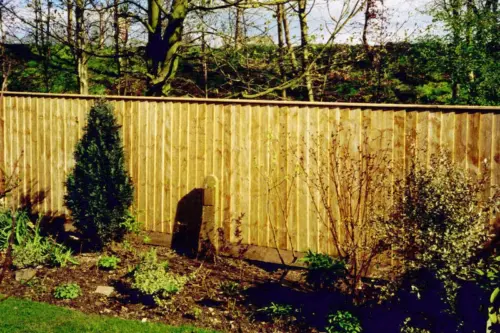

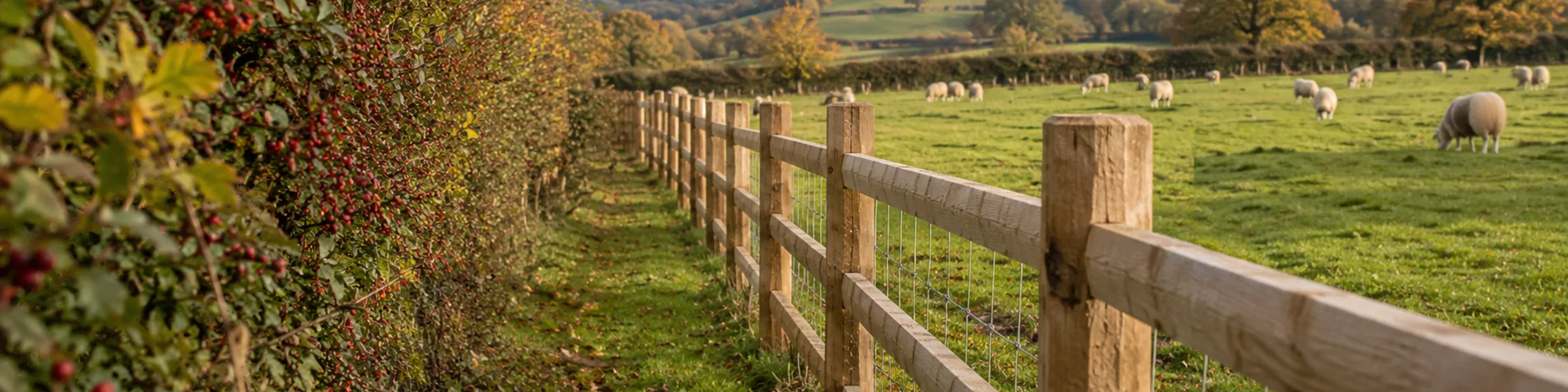
A fence behind a hedge is one of the most common jobs on rural boundaries around Clitheroe. The hedge looks right and shelters the garden, but it rarely stops a determined lamb or a curious dog. As a supplier of fencing and timber supplies in Clitheroe, we see plenty of hawthorn and beech boundaries that need a little backup. This guide explains how to add that backup without harming the hedge.
Why Ribble Valley Hedges Often Need a Fence Too
Old hawthorn hedges thin out at the base over time. Gaps open where stems have died or where sheep have rubbed through. From the house side the hedge still looks solid. However, a ewe pushing through from the field soon finds the weak point.
Beech hedges have a different problem. They hold their brown leaves through winter, so they look dense. Even so, the lower stems can be bare and spaced well apart. Consequently, a small dog can slip under them with ease.
A fence behind a hedge solves both issues. The hedge keeps doing its job as a windbreak and wildlife corridor. Meanwhile, the fence does the job of keeping things in or out.
Leaving a Maintenance Gap Between Fence and Hedge
The biggest mistake is building a fence behind a hedge tight against the stems. Within a few seasons the hedge grows through the fence. After that, you cannot cut it properly or treat the timber behind it.
Instead, leave a gap of roughly 60cm to 1m between the hedge line and the fence. That gives you room to walk along with hedge trimmers. It also lets air move, so the timber dries out after rain. On a wet Lancashire boundary, that airflow matters a great deal.
Furthermore, a gap stops the hedge pushing on the panels as it thickens. Hawthorn stems are strong. Over ten years they can lean a fence over by several centimetres.
Choosing Posts and Rails for a Fence Behind a Hedge
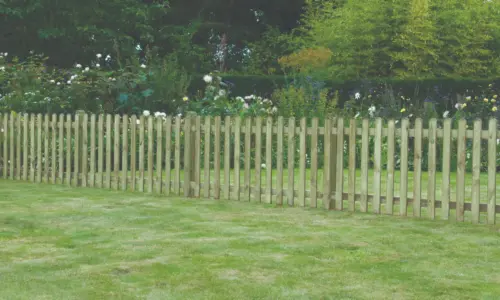
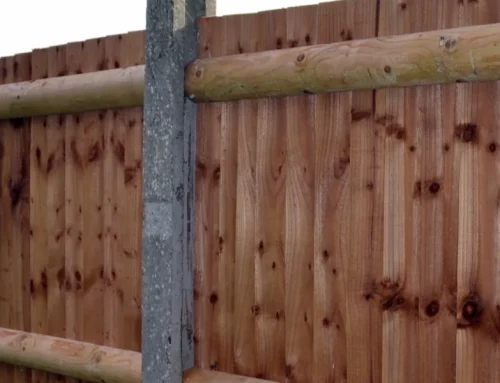
For a stock-proof line behind a hedge, many people choose posts and rails rather than panels. A post and rail fence lets light through to the hedge base. It is also easier to run over uneven ground.
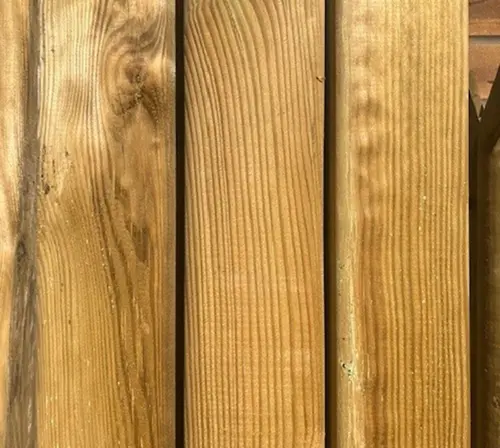
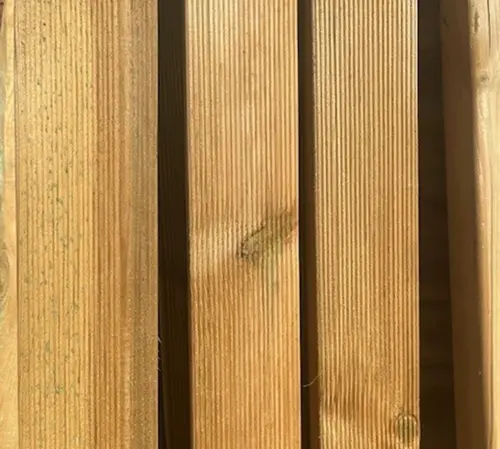
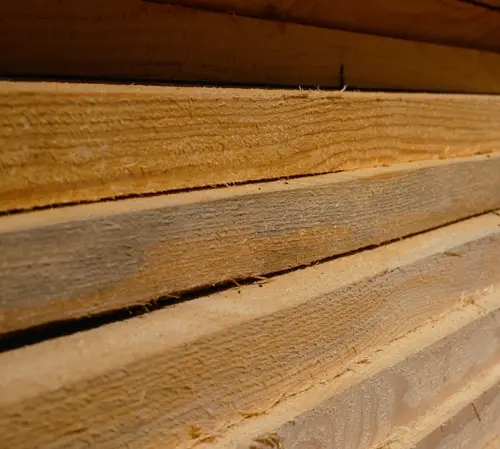
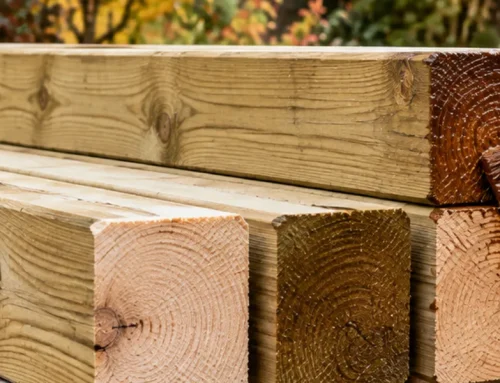
The 100mm x 100mm rough sawn timber post comes in 2.4m, 3.0m and 3.6m lengths. The longer posts suit field edges where you want more timber in the ground. For rails, our guide on rough sawn rails and how to choose the right size covers the 25mm, 32mm and 38mm options. As a rule, thicker rails resist livestock leaning far better.
You can browse the full range of fence posts if you need a different section. All of our timber posts are pressure-treated softwood.
When Panels Make More Sense
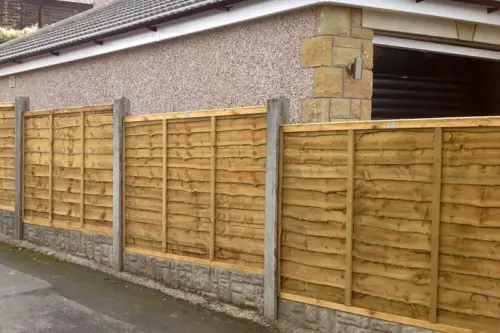
Sometimes the aim is privacy rather than stock control. For example, a cottage garden in Chatburn might back onto a public footpath with a thin hedge. In that case, a closeboard or panel fence behind the hedge gives screening all year.
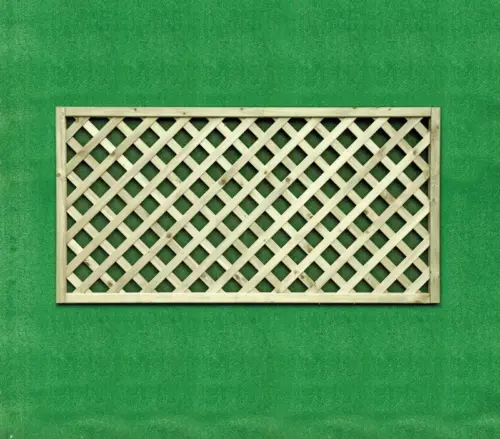
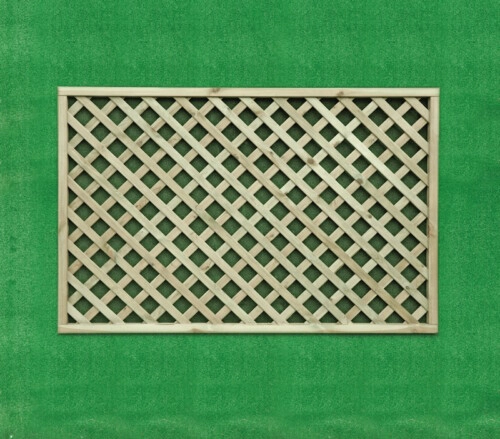
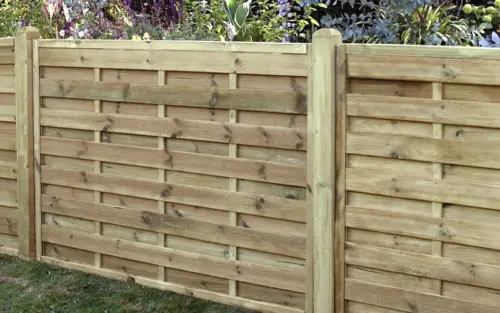
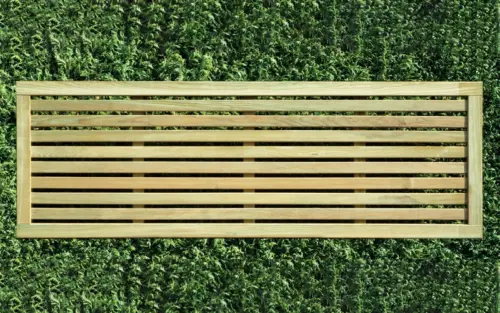
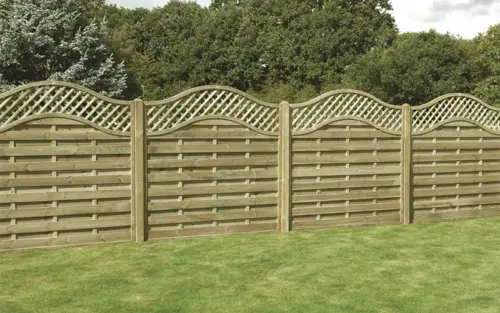
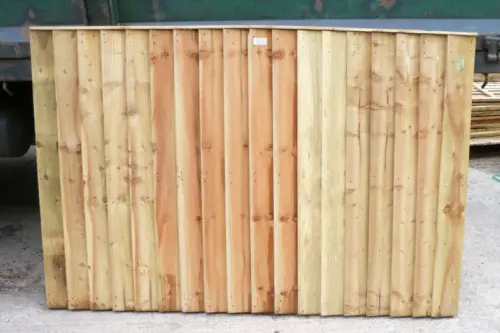
Our 6ft fence panels include feather edge, waney lap and slatted styles. Bear in mind that panels catch more wind than rails. Therefore, set posts deeper and use Postcrete on exposed sites near Pendle Hill.
Digging Post Holes Without Cutting Hedge Roots
Hedge roots spread wider than most people expect. Hawthorn and beech roots can reach well beyond the canopy. So, the further back you set a fence behind a hedge, the fewer roots you will hit.
Dig post holes by hand with a spade and a post-hole shovel. If you hit a root thicker than your thumb, move the hole along a little rather than cutting it. Small fibrous roots can be trimmed cleanly with secateurs.
Once each post is in, 20kg Postcrete sets in around ten minutes with no mixing. That makes it handy on a long rural run where you cannot easily bring a mixer to the field edge.
Timing a Fence Behind a Hedge Around Cutting Season
Plan your fence behind a hedge with the bird nesting season in mind. Hedge cutting is generally avoided from March to the end of August. That protects nesting birds, and farm hedges are covered by rules during this period.
As a result, late autumn and winter suit this job well. The hedge is cut back, the leaves have dropped on hawthorn, and you can see the line clearly. Also, the ground in the Ribble Valley is usually soft enough to dig without a breaker.
Just watch for waterlogged fields. If the soil is saturated, wait a few dry days before setting posts. Otherwise, the holes can fill with water before the Postcrete goes in.
Working Out Who Owns the Boundary
Before you start, check who owns the hedge and the strip beside it. Title deeds sometimes mark ownership with a T symbol. In other cases, the hedge belongs to the farmer on the other side.
If the hedge is yours, you can usually fence on your own side without asking anyone. If it belongs to a neighbour, a friendly conversation first saves a lot of trouble. Our post on garden boundary disputes and fencing responsibility explains the common sticking points.
Talking to the farmer has another benefit. They may want to add stock wire on their side. In that case, you can agree post spacing so the two jobs line up.
Local Deliveries to Hedged Village Boundaries
Many of our customers live down lanes with high hedges and narrow verges. Our drivers use a pickup or a small open-back transit, which helps on those roads. However, they cannot lift materials over walls or hedges into a field.
Consequently, it helps to say in the order notes where the timber should go. A field gate or a clear patch of drive works well. We deliver regularly to customers looking for Chatburn fencing and Clitheroe fencing, so we know most of the lanes well.
Finally, remember to measure the full length of the hedge line before ordering. Add one extra post for every corner and change of direction. It is far easier to order once than to wait on a second delivery.
If you are planning a fence behind a hedge this winter, call us on 01200 449930 to talk through posts, rails and panels. We offer free delivery on orders over £150 across all BB postcode areas, and you can also collect from our Clitheroe yard.