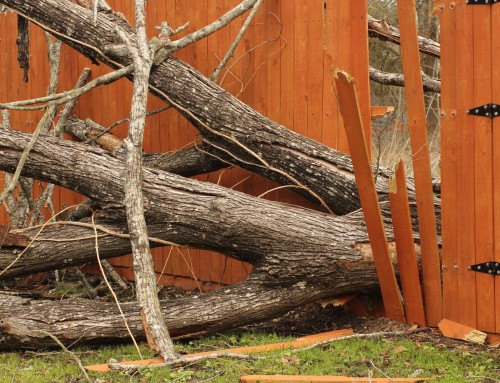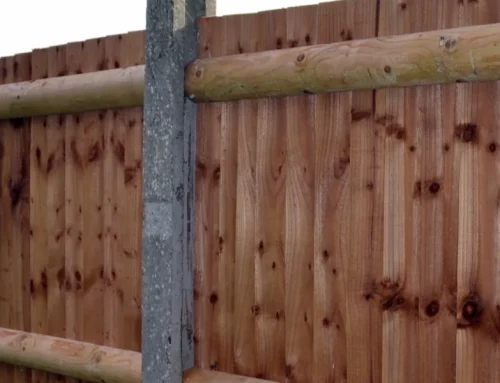

Frost heave fence posts are a common sight after a hard Lancashire winter. A fence that stood straight in autumn can come out of the cold with posts leaning or sitting proud. As a supplier of fencing and timber supplies in Clitheroe, we see the effects every spring. So here is what causes it and how to reduce the risk.
What Frost Heave Actually Is
Frost heave happens when water in the soil freezes. As water turns to ice, it expands. In wet, fine soils, ice can also form in layers that push the ground upwards. Anything set in that soil gets pushed up with it.
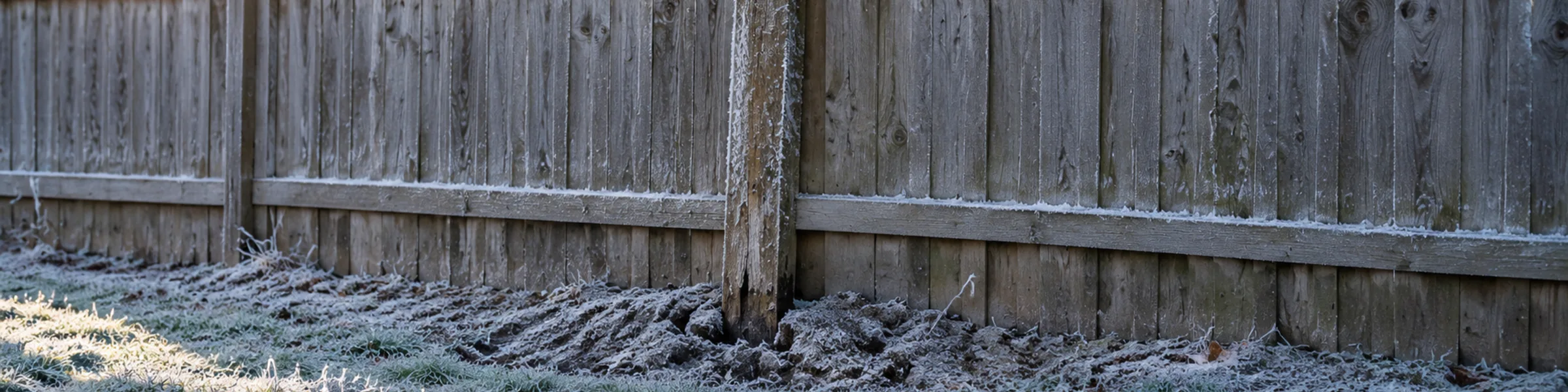
A fence post gripped by frozen ground can be lifted a little each time the soil freezes. When the ground thaws, the soil settles but the post may not drop back fully. Over several freeze-thaw cycles, this is how frost heave fence posts creep upwards. Eventually, the fence line becomes uneven or the panels start to bind.
Why Lancashire Winters Make It Worse
Our winters are rarely bitterly cold for weeks at a time. Instead, we get repeated cycles of frost and thaw. The ground freezes overnight, then softens by midday. As a result, frost heave fence posts get pushed over and over again through the season.
Wet ground adds to the problem. After a rainy autumn, the soil around Gisburn and the upper Ribble valley is often saturated. Clay soils hold that water for a long time. So when the frost arrives, there is plenty of water to freeze and expand.
Frost Heave Fence Posts and Shallow Holes
Most cases of frost heave fence posts start with shallow holes. Shallow posts are the most vulnerable. If only a short length sits below ground, the frozen layer grips a large share of it. That gives frost a strong lever to lift the post. Deeper posts have more of their length below the frost zone, so they resist movement better.
Typical guidance is to set around a quarter of the post’s length in the ground. For a 6ft fence, that usually means a longer post than the panel height. Our guide to choosing the right fence post dimensions covers lengths in more detail. Always check your fitter’s advice for the specific site.
Choosing the Right Posts
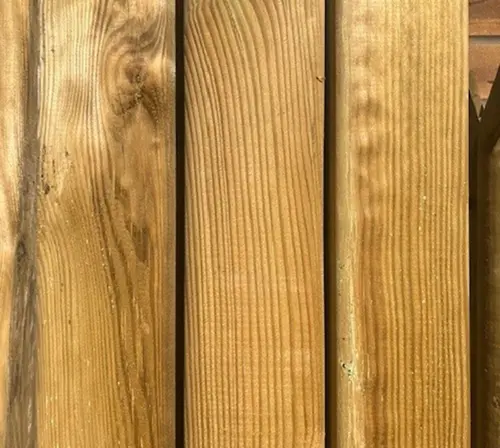
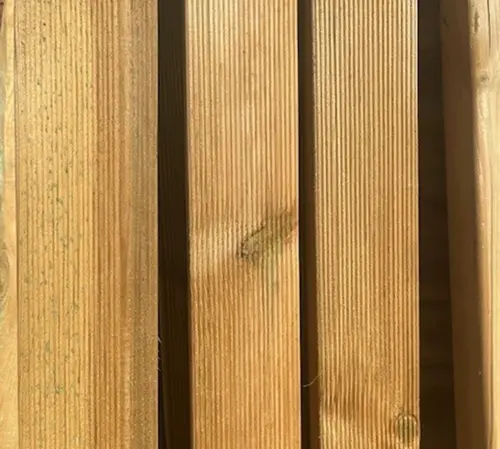
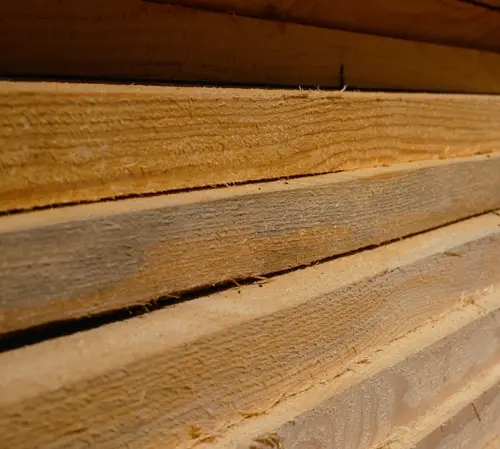
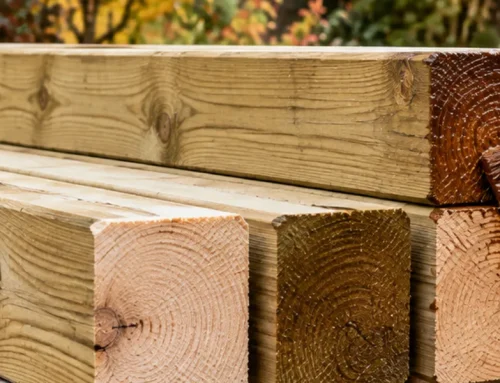
We stock pressure-treated softwood posts in several sizes. The 100mm x 100mm rough sawn timber post comes in 2.4m, 3.0m and 3.6m lengths. The extra length gives room for a deeper hole on exposed or wet sites. Browse the full range of fence posts to compare sizes.
Heavier posts also resist the sideways pull of a lifted panel. When one post rises, it drags on the panels either side. A sturdier post copes better with that strain. So on wet ground, it pays to go up a size.
Drainage Gravel at the Base
Water sitting under a post is the usual starting point for frost heave fence posts. So put a layer of gravel in the bottom of each hole before setting the post. The gravel lets water drain away from the post’s base. Less water means less ice forming beneath it.
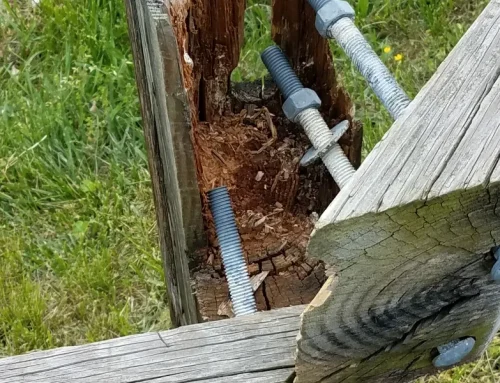
That gravel layer also helps prevent rot. A post standing in a puddle of water stays damp all year. Our article on what causes fence posts to rot explains why drainage matters so much. In other words, one simple step protects against two problems.
Shaping the Concrete Top
How you finish the concrete at ground level matters too. Shape the top so it slopes away from the post on every side. That way, rain runs off rather than pooling against the timber. Otherwise, water collects in a ring around the post and soaks down.
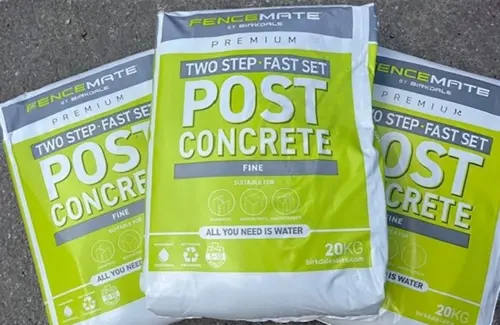
20kg Postcrete needs no mixing and sets in around 10 minutes. Trowel the surface into a gentle dome before it sets. Then backfill the last few centimetres with soil if you prefer a neat finish. Just keep the slope pointing away from the post.
Spotting a Lifted Post in Spring
Once the frosts have passed, walk the fence line. Look for frost heave fence posts sitting higher than their neighbours. Check whether the gravel boards still touch the ground evenly. A gap opening under one panel often points to a lifted post.
Also, look at the concrete collar around each post. A cracked collar or a ring of loose soil suggests movement. Push gently on the post to see whether it rocks. Leaning, rattling or binding panels are further clues.
Take a few photos along the run each spring. Comparing them year to year shows whether posts are still moving. That record helps you decide which posts to reset first. It also shows whether a repair has worked.
What to Do About a Lifted Post
A post that has only risen slightly may settle as the ground dries out. However, one that has lifted a lot or loosened will need resetting. That means digging it out, improving the drainage and setting it deeper. Do it in a dry spell, when the soil is easier to work.
Before resetting, ask why the post moved in the first place. Was the hole too shallow, or did water collect at the base? Perhaps a downpipe or a slope sends extra water to that spot. Fixing the cause matters as much as fixing the post.
Preventing Frost Heave Fence Posts on New Fences
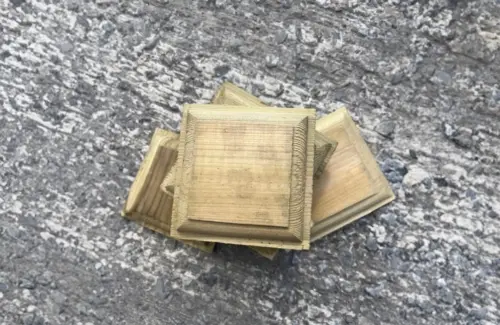
If you are planning a new fence, build the protection in from the start. Choose longer posts, dig deeper holes and add gravel to each one. Then slope the concrete away from the timber. A timber post cap on top keeps rain out of the end grain too.
Gardens around Waddington and Gisburn often sit on heavy, wet ground. Customers ordering Waddington fencing often ask about posts for these conditions. Likewise, we supply Gisburn fencing to farms and cottages with exposed boundaries. In both villages, deeper posts and good drainage make a real difference.
For fence posts, Postcrete and fixings, call us on 01200 449930. We aim to deliver within 5 working days, with free delivery on orders over £150 across all BB postcode areas. Collection from our Clitheroe yard is also available.