
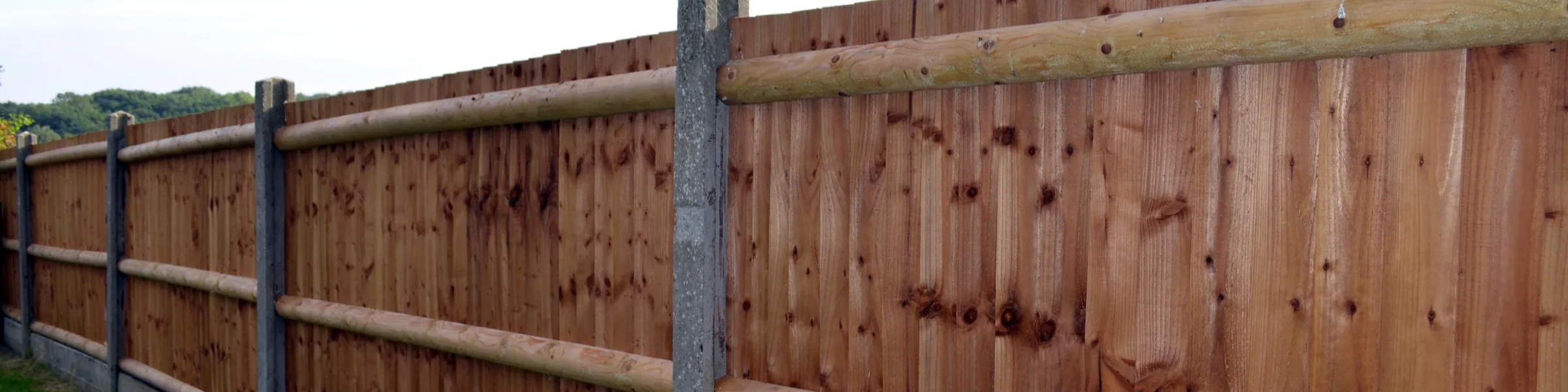
Fencing on clay soil brings its own challenges, especially once the autumn rain arrives. Heavy clay holds water, and that water collects around fence posts for weeks at a time. At Empress Fencing, we supply fencing and timber supplies in Clitheroe, and many of our DIY customers garden on heavy ground. This guide explains how to set posts in clay so they stay firm through a wet winter.
Why Clay Ground Is Hard on Fence Posts
Clay is dense and drains slowly. In summer, it bakes hard and cracks. In winter, however, it turns sticky and waterlogged. That constant swing is why fencing on clay soil puts real pressure on every post.
Heavy Clay Across the Ribble Valley
Parts of the Ribble Valley sit on heavy, wet clay. Gardens on lower ground and near streams are often the worst affected. Moreover, many newer estates have compacted clay subsoil beneath a thin layer of topsoil.
You can usually tell clay by its feel. It is smooth, sticky and holds its shape when squeezed. If your spade comes out coated in grey or orange clay, plan your posts accordingly.
Water Sitting in Post Holes
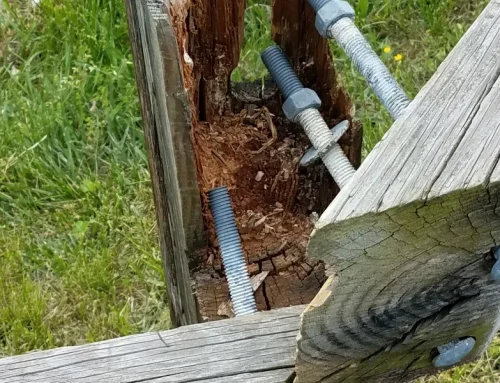
The biggest problem with fencing on clay soil is water collecting in the hole. Clay around the post acts like the sides of a bucket. Consequently, rainwater runs down beside the post and simply stays there.
A timber post standing in water for months will eventually soften at the base. Furthermore, waterlogged clay offers less grip, so the post can start to lean in strong winds. Our guide on what causes fence posts to rot explains the process in detail.
Getting the Hole Depth Right
As a general rule, set around a quarter of the post’s length below ground. For a 6ft fence, many DIYers use a 2.4m post with roughly 600mm in the ground. On soft, wet clay, going slightly deeper adds stability.
Dig the hole about three times the width of the post. That gives enough room for a gravel base and a solid collar of Postcrete. However, avoid making it far wider than needed, because a huge hole simply holds more water.
Adding a Gravel Base When Fencing on Clay Soil
A gravel base is the key to fencing on clay soil. Before setting the post, add around 100mm to 150mm of gravel or hardcore to the bottom of the hole. Then stand the post on top of it.
This gives water somewhere to go away from the end grain. As a result, the base of the post dries out faster after heavy rain. It also gives the post a firm footing, so it does not sink into soft clay.
Where the clay is very heavy, some people dig the hole slightly deeper and add more gravel. That creates a small sump beneath the post. Either way, the aim is to keep the bottom of the timber out of standing water.
Setting Posts With 20kg Postcrete
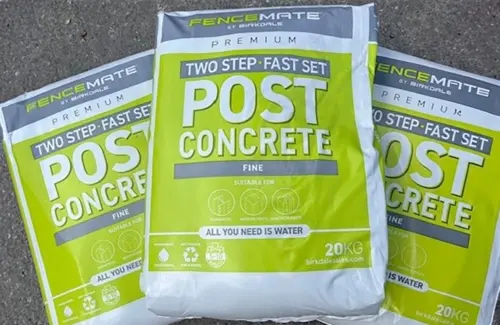
Once the post is on its gravel base, hold it upright and check it with a spirit level. Then pour water into the hole, roughly a third full. Next, add the 20kg Postcrete straight from the bag.
Postcrete needs no mixing and sets in about 10 minutes. That speed is helpful on wet days, because you are not holding a post in sticky clay for long. Finish the top so it slopes away from the post, which sheds rainwater outwards.
For guidance on quantities, read our article on how much Postcrete you need per fence post.
Working the Clay When It Is Wet
Digging clay in winter is hard, messy work. The spoil sticks to the spade and clogs boots. So, if you can, dig holes on a drier day and cover them with a board overnight.
Avoid backfilling with the clay you dug out. It packs down hard and traps water around the post. Instead, spread the spoil on borders or take it away. A narrow post-hole spade or auger also helps, because it removes less clay overall.
Finally, keep checking each post with a level as you work. Wet clay can shift while you set the next post. A quick check saves a crooked run later.
Choosing 75×75 or 100×100 Posts
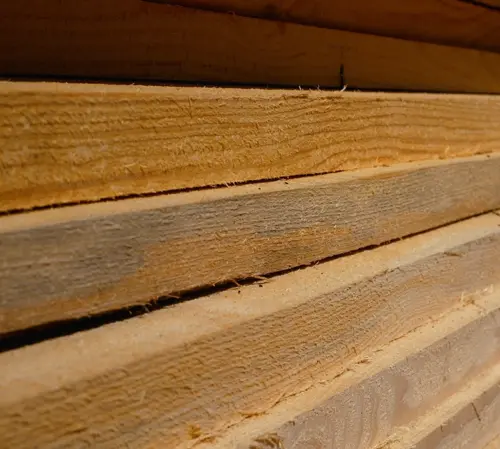
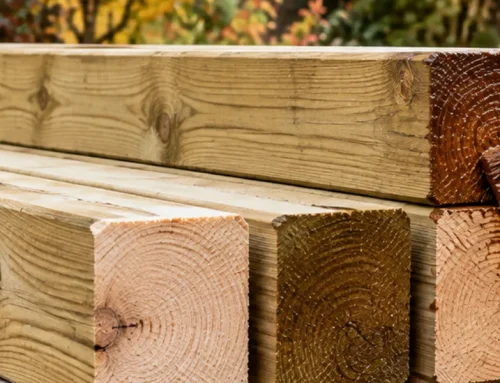
Post size matters more when fencing on clay soil. A 75mm x 75mm rough sawn timber post suits lower fences and sheltered gardens. It is lighter to handle and fits most standard panel clips.
However, exposed gardens on clay often benefit from a 100mm x 100mm rough sawn timber post. The extra thickness resists bending when the ground softens and the wind picks up. It is available in 2.4m, 3.0m and 3.6m lengths, and these are not pointed.
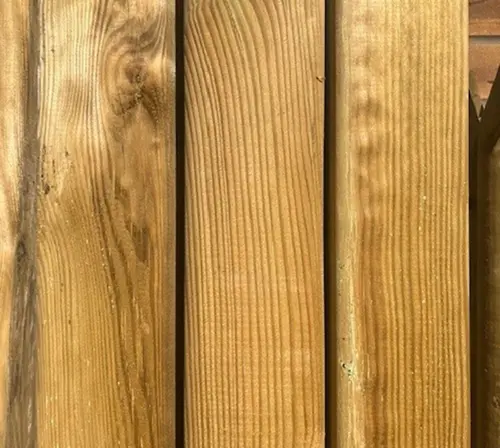
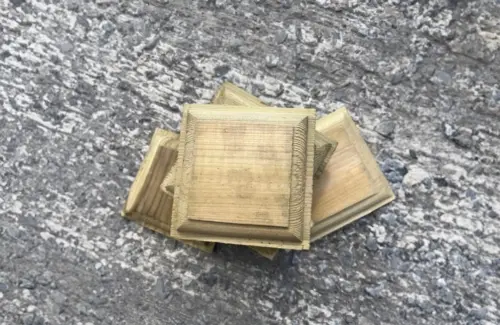
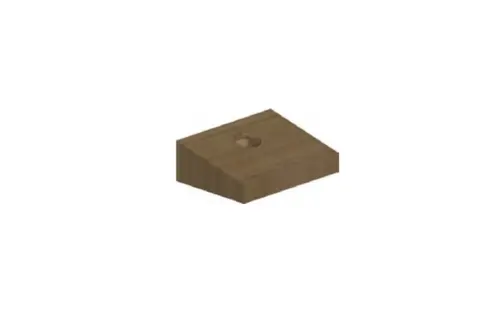
All of our timber posts are pressure-treated softwood. In addition, a timber post cap on each post keeps rain off the top end grain.
Durapost as an Alternative on Wet Ground
If timber posts keep failing, steel is worth considering for fencing on clay soil. Durapost is a steel post system that won’t rot, warp or crack. Consequently, waterlogged ground does not soften it the way it softens timber.
Durapost comes in Anthracite or Olive Grey, with intermediate posts in 1.8m or 2.4m lengths. It takes standard fence panels, and a matching gravel board keeps the panel clear of the wet ground.
Fencing on Clay Soil in Gisburn and Sabden
Gardens around Gisburn often sit on heavy farmland clay with open views to the west. Strong winds and wet ground make firm posts especially important. Our Gisburn fencing page covers local orders.
Sabden lies in a sheltered valley beneath Pendle Hill, where water drains off the hillsides. As a result, low-lying gardens there can stay wet for months. See our Sabden fencing page for more detail.
Planning fencing on clay soil this winter? Call Empress Fencing on 01200 449930 to talk through posts, Postcrete and Durapost. Delivery is free on orders over £150 across all BB postcode areas, and collection from our Clitheroe yard is also available.