

Fence posts are the part of a boundary that customers think about least and regret most. The panel gets all the attention, but it is the post that fails first when the wrong size or finish is chosen. As a long-established supplier of fencing and timber supplies in Clitheroe, we stock timber posts in a range of dimensions for good reason, and matching the post to the job is one of the simplest ways to make a fence last years longer. This guide explains what the common sizes are actually for.
Understanding Post Sizes and What They Carry
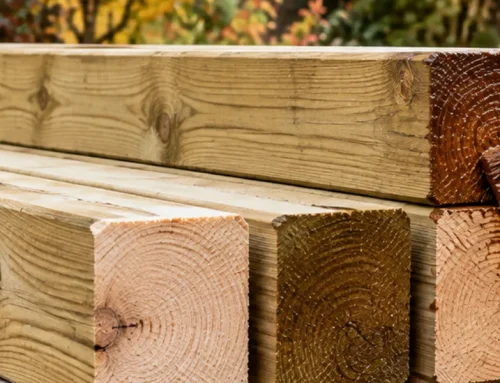
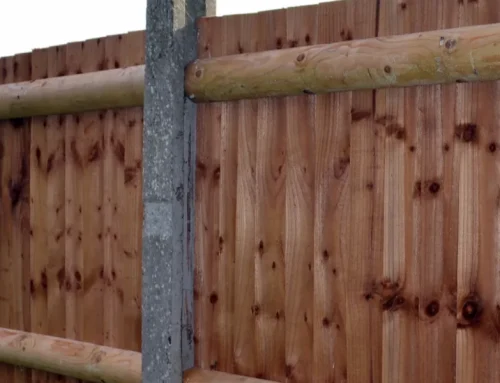
Rough sawn timber posts come in three workhorse dimensions on our shelves: 75mm by 75mm, 100mm by 75mm and 100mm by 100mm. The numbers describe the cross section, and that cross section determines how much load the post can carry and how deep into the ground it needs to go. A 75mm by 75mm post is fine for a low boundary, a picket run or a light decorative panel where wind load is modest. Step up to a full 1.8 metre closeboard or feather edge boundary on an exposed plot and you want the strength of a 100mm by 100mm post, because that is where storm leverage really tests the timber.
The 100mm by 75mm post sits usefully between the two. It gives you more strength than the smallest post in the direction of the load while using less timber than the largest, which makes it a sensible choice for a standard panel fence in a reasonably sheltered garden. The point is that these are not interchangeable. Putting a slim post under a tall solid panel is a false economy that usually ends in a leaning fence after the first hard winter.
Rough Sawn vs Planed Posts
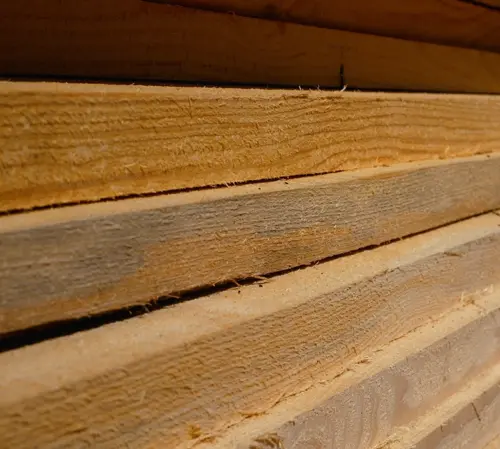
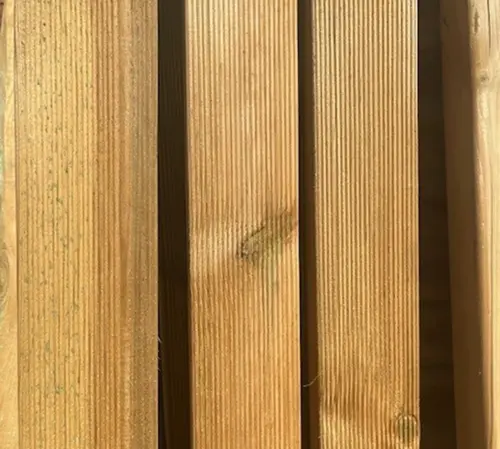
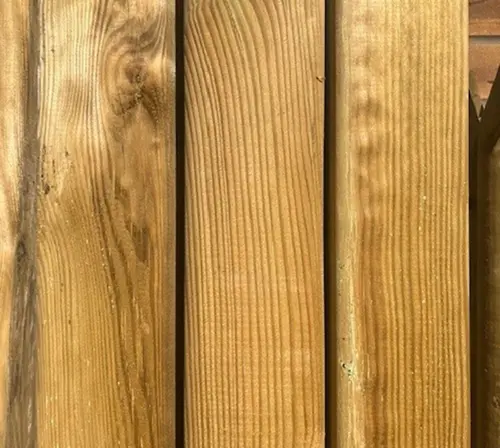
We also stock planed posts, including a 90mm by 90mm smooth planed post and a ribbed planed post, alongside the rough sawn range. The difference is mostly about where the post will be seen. Rough sawn timber is the standard choice behind panels where the post is largely hidden and you simply want strength and durability. A smooth planed post is the one to reach for when the post itself is on show, such as a gate post or a feature post in a slatted screen, where a clean finish matters as much as the structure.
Why Pressure Treatment and Depth Matter More Than Size Alone
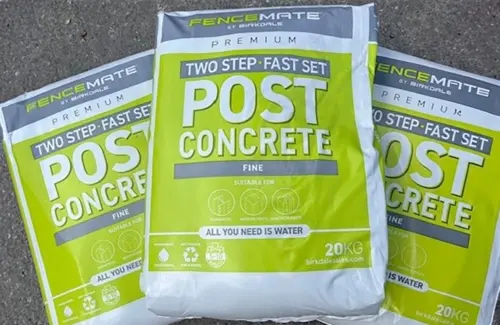
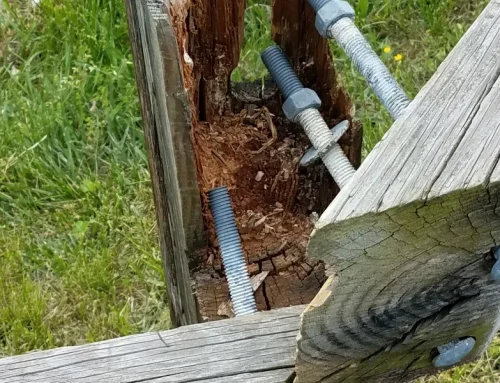
A bigger post will not save you if it rots at ground level, which is where nearly all timber posts fail. The wet Lancashire climate puts every buried post under constant moisture pressure, so pressure-treated timber is not optional here, it is the baseline. As a rough rule, a post wants around a quarter to a third of its length in the ground, which is why a 1.8 metre panel typically needs a longer post than the panel height suggests. Setting it in postcrete, which we stock in 20kg bags, gives a firm collar that holds the post true. Our article on what causes fence posts to rot covers the below-ground detail in full.
When to Consider a Steel Alternative
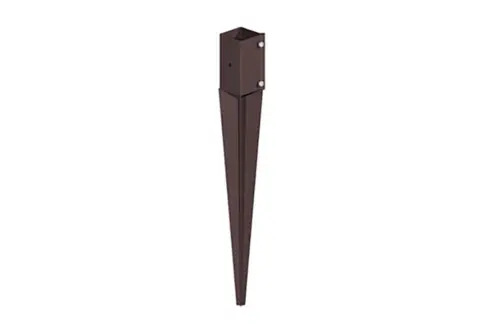
If the idea of replacing rotted posts every decade does not appeal, the Durapost steel system is worth a look. It carries timber panels in a galvanised steel post that does not rot, warp or split, and it has become a genuinely popular choice across the area. We explain the trade-offs in our piece on Durapost vs timber fence posts, and you can browse the timber options on our fence posts page.
Not sure which post your project needs? Call us on 01200 449930 and describe the panel and the aspect, and we will point you to the right size. We supply gardens throughout Clitheroe and the wider BB postcode area, with free delivery over £150.