
Storm Boelo Fence Damage – Replacing Blown Down Panels and Posts
Storm Boelo fence damage is the first thing many households across Lancashire found when they stepped outside after the weekend. The Met Office named the storm on Thursday 22 October, and by Saturday night and Sunday gusts of more than 80mph were reported in parts of the county, bringing down trees, cutting power to homes and flattening garden boundaries from the Ribble Valley to the Pennine towns. As a supplier of fencing and timber supplies in Clitheroe, we have put together this practical guide to working out exactly what you need to replace, so you can order the right panels, posts and fixings first time and get your garden secure again.
Stay Safe Before You Start Clearing Up
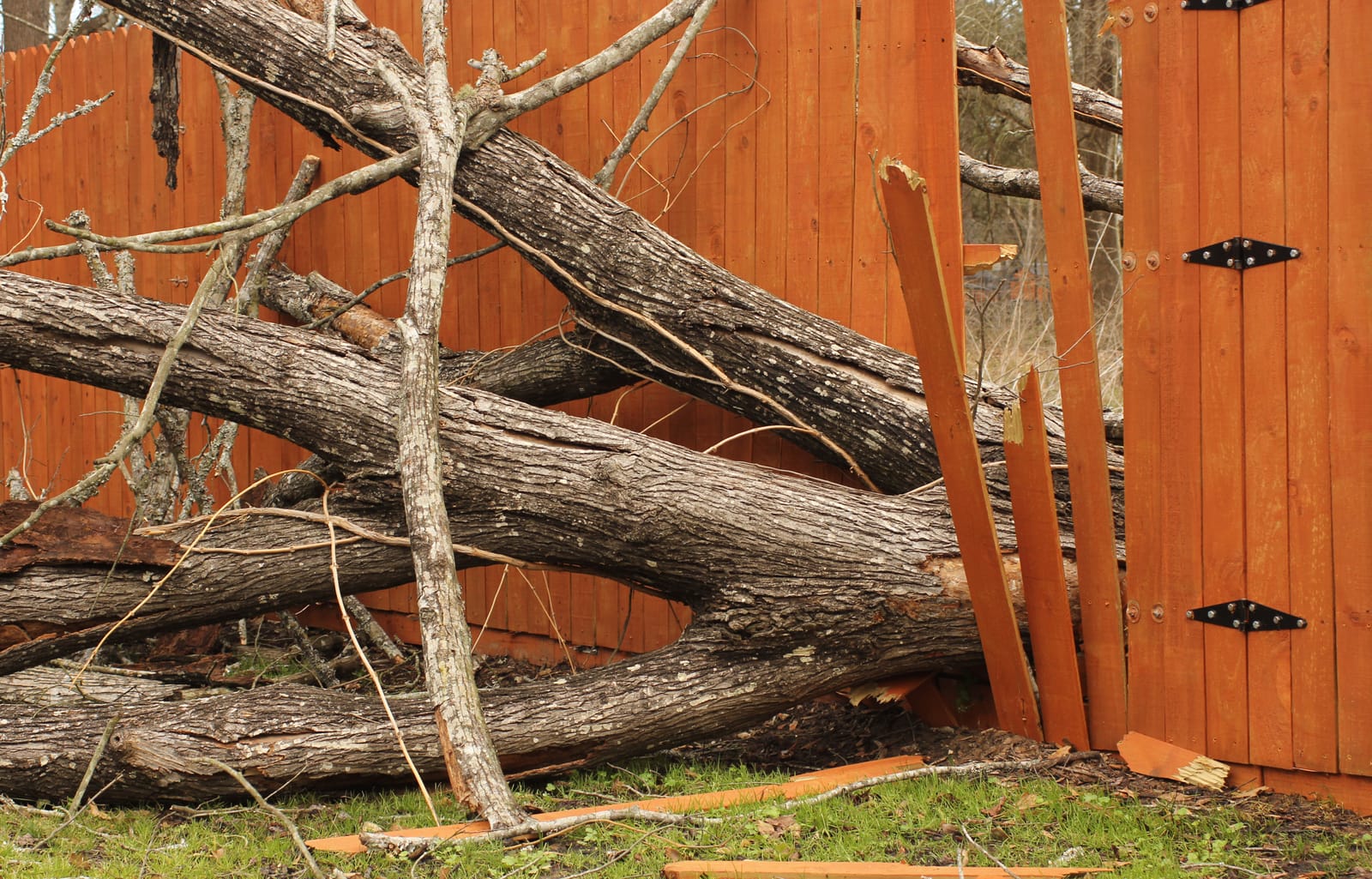
Before you touch a damaged fence, take a careful look at the whole scene. A panel that has been levered out by a falling branch can still be under tension, and a leaning post can drop without warning once you pull debris away from it. Keep well clear of any fallen cables and report them to your network operator, because a number of homes in Lancashire were still without power on Monday and lines may be down in places you would not expect. If a large tree has come down across your boundary, as in the photograph at the top of this article, leave the trunk to a tree surgeon. Cutting through a loaded trunk is a job for someone with the right kit and training, and the fence can wait until the timber is safely removed.
It is also worth taking clear photographs of the damage from several angles before you move anything. If you plan to talk to your home insurer, pictures of the fence as the storm left it are far more useful than a description after the clear-up, and they help you keep track of which panels and posts actually need replacing.
Work Out Whether It Is the Panels or the Posts That Failed
Once it is safe, walk the length of the fence and look at every bay. The cause of a fence coming down in a storm like Boelo is usually one of three things. The panel has lifted out of its fixings while the posts stayed upright, the post has snapped at or just below ground level, or the whole run has leaned over because the posts have rocked loose in their footings. Each one needs a different shopping list, so it pays to know which you are dealing with before you order. Our earlier guide to storm damage to fences goes through these checks in more detail.
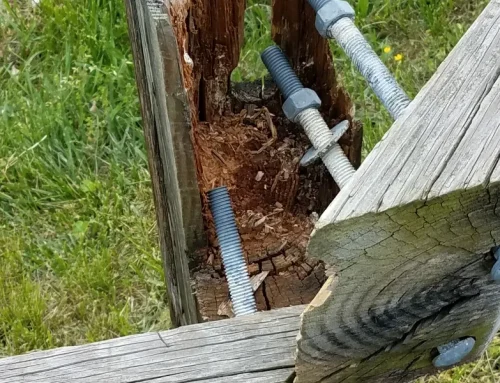
If the panels have simply blown out but the posts are sound, you may only need new panels and better fixings. If a post has snapped, look closely at the break. Dark, soft or crumbly timber at ground level tells you the post had been weakening for some time and the storm just finished it off, which is a strong sign that neighbouring posts of the same age deserve a closer look too.
When a Tree Has Come Down on the Fence
Fallen trees cause some of the worst damage we see, because the weight snaps posts and splits panels across several bays at once. They also raise the question of who is responsible, particularly when the tree belonged to a neighbour or the fence sits on a shared boundary. It is far easier to agree the plan with your neighbour before anyone buys materials, and our article on garden boundary disputes and fencing responsibility covers the points worth talking through.
Matching Replacement Panels to Your Existing Fence
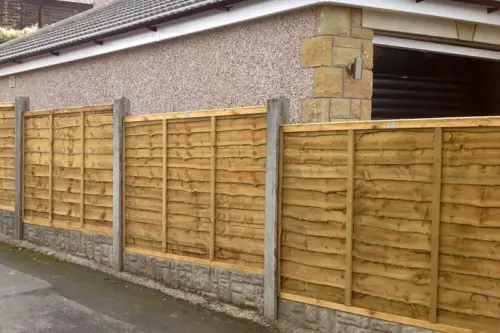
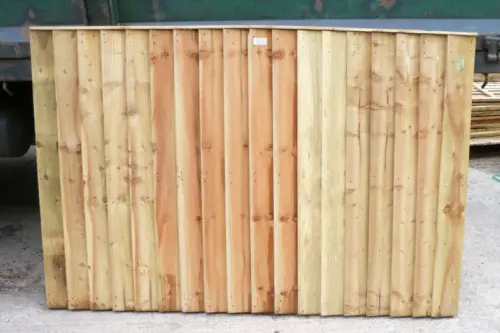
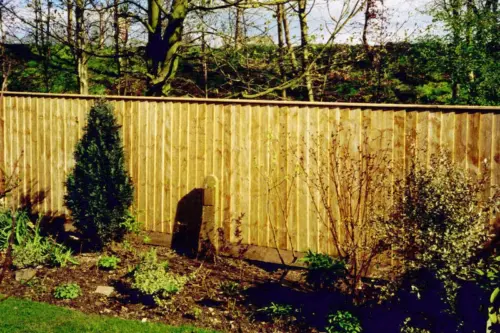
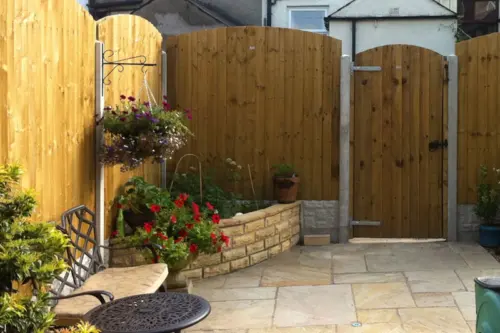
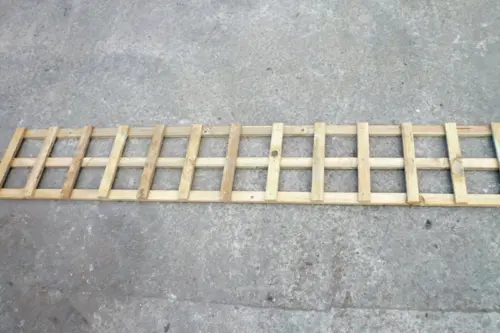
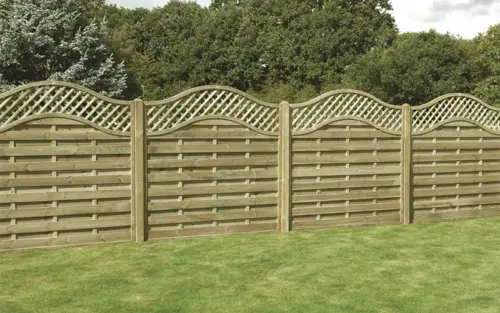
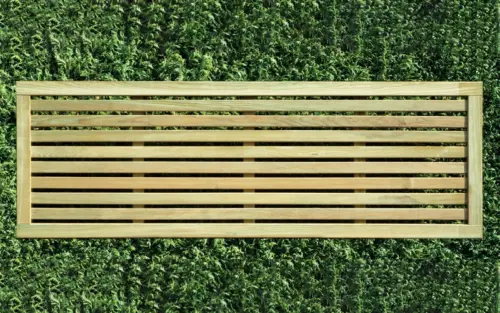
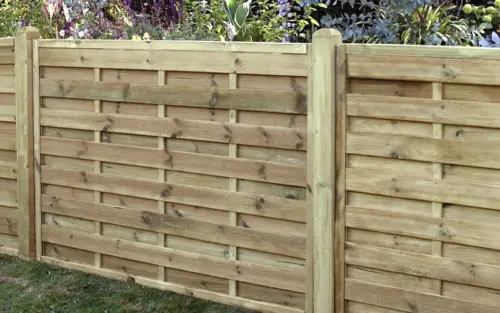
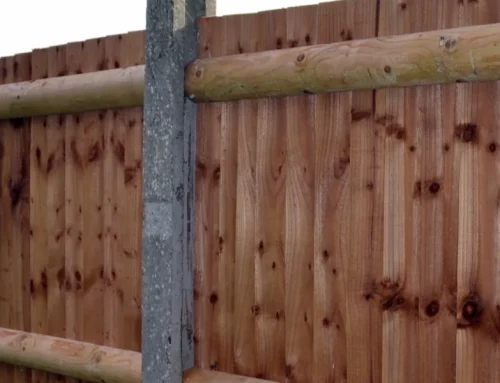
Most garden fences in the area are built around a standard 6ft wide panel, so the quickest way to check what you need is to measure from the centre of one post to the centre of the next. If that comes out at about 1.83 metres, standard 6ft fence panels will drop straight back into the gap. Then check the style. We stock 6ft waney lap panels, 6ft feather edge panels and arched feather edge panels, along with trellis, lattice, Omega lattice top and slatted panels at 1.8 metres, so you can usually match the look of the run that survived rather than ending up with one odd bay. If your heights are unusual or you are not sure what you have, fence panel sizes explained will help you work it out before you order.
New pressure-treated panels will look brighter, and sometimes slightly green, next to boards that have weathered for a few years. That difference fades as the timber settles in, and it is far better than leaving a gap in your boundary through the winter.
Replacing Snapped or Loose Fence Posts
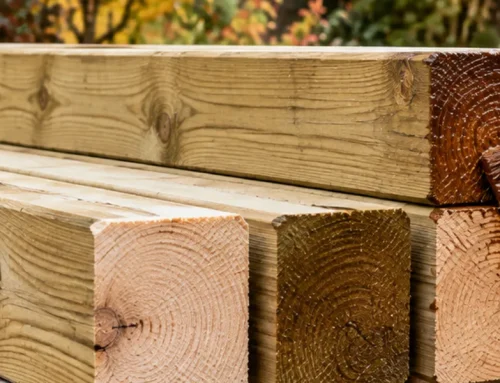
Posts are where a storm usually finds the weak point, so this is where it is worth spending a little more care. Our fence posts range includes 75mm x 75mm, 100mm x 75mm and 100mm x 100mm rough sawn timber posts, plus 90mm x 90mm smooth planed and 70mm x 70mm ribbed planed posts at 2.4 metres. For a 6ft fence a 2.4 metre post gives you around 600mm in the ground, which is the depth you need to resist the sort of gusts Lancashire has just had. For the most exposed runs we would always suggest the larger section.
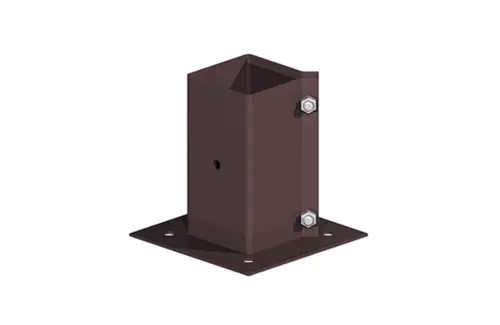
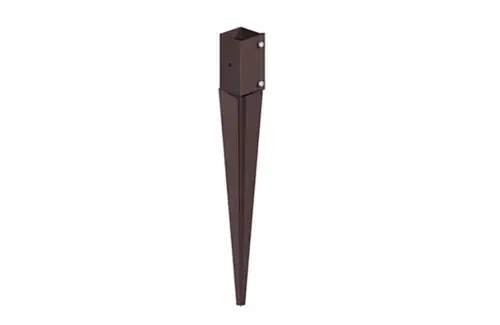
Setting a new post properly matters more than the post itself. We stock 20kg bags of Postcrete, and if you are unsure how much to buy, our guide on how much Postcrete you need per fence post will save you a second trip. Where the old post was set in concrete that you cannot dig out, a bolt down post support fixed to hardstanding or a drive in spike post support can be a practical alternative, depending on the ground.
Is It Time to Consider Durapost
If this is the second or third time a storm has taken the same stretch of fence, it may be time to look at the post system rather than just replacing like for like. As a stockist of Durapost fencing we often recommend it for exposed gardens on the slopes of Pendle Hill and the higher ground above the Ribble Valley, where galvanised steel posts that will not rot or snap at ground level make a real difference over the long term. Our guide to choosing the right fence for windy areas compares the options in more depth.
Fixings That Stop Panels Lifting Next Time
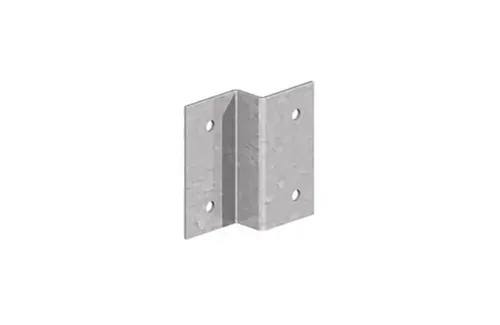
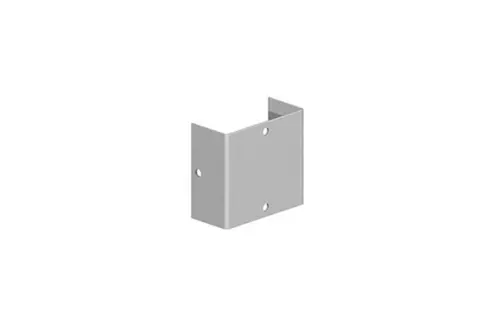
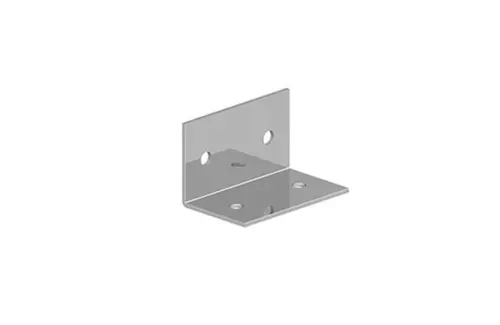
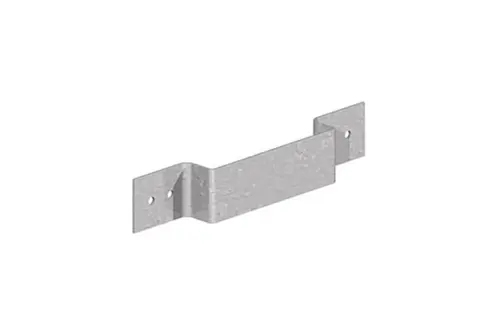
A surprising amount of storm damage starts with panels that were only loosely held. Each time the wind changes direction, the panel knocks against the post, the nails work loose and eventually the panel lifts out. We stock L and S panel clips, anti rattle clamps and fencing panel security brackets for exactly this reason, and our article on fence panel clips, brackets and anti-rattle clamps explains where each one fits. They are inexpensive, quick to fit and add real resistance to the next named storm. For a more permanent repair on a run that has been patched up before, how to fix storm damaged fencing walks through the repair step by step.
Getting Replacement Fencing Delivered or Collected
We know a fence down after a storm is not something anyone wants to leave for long, especially with pets, children or livestock to keep in. Whether you need replacement materials for Clitheroe fencing, Whalley fencing, Chatburn fencing or Sabden fencing repairs, orders can be delivered across the BB postcode areas or collected from our yard in Clitheroe. Delivery is free to BB6 and BB7 on orders of £50 or more and free across the other BB postcode areas on orders over £150, and you can check the full details on our delivery charges page. Please note that an order is either for delivery or for collection, so it is worth putting your panels, posts and fixings on a single order.
If you are not sure which panels or posts will match what you already have, give us a call on 01200 449930 and we will help you put together the right list. You can also contact us online, browse the full fencing range below, and remember that free delivery applies on orders over £150 across the BB postcode areas.