
Keeping a log burner in overnight is a common goal once the nights turn cold, but wood behaves differently from coal. With realistic expectations and the right fuel, you can wake to warm embers rather than a cold grate. Empress Fencing supplies fencing and timber supplies in Clitheroe, including kiln dried hardwood logs delivered across the BB postcode area. This guide explains how to get a long, safe burn without wasting fuel or damaging your stove.
What an Overnight Burn on Wood Really Looks Like
Wood burns faster than solid fuels such as anthracite. So, a wood fire will not usually blaze all night. Instead, keeping a log burner in overnight really means waking to hot embers that relight quickly.
Realistic Expectations for Keeping a Log Burner in Overnight
Most people find six to eight hours is the practical limit on wood. Beyond that, the fire burns down to ash and a few glowing pieces. However, that is often enough to keep the room comfortable and the chimney warm.
Stove size matters as well. A large firebox holds more fuel and keeps going longer. By contrast, a small stove simply cannot hold enough wood for a full night.
Choosing Dense Hardwood for the Last Load
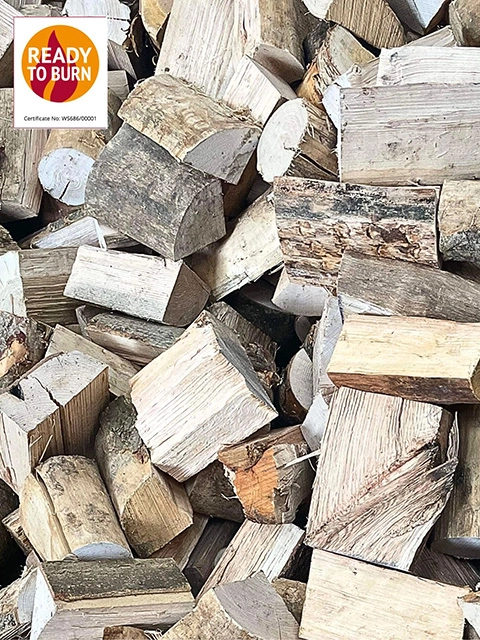
For keeping a log burner in overnight, the last load before bed should be your densest wood. Our mixed hardwood may include oak, ash and beech, which all burn slowly and evenly. It may also contain birch, sycamore, alder and hornbeam, although the species mix cannot be specified.
So, when you load the stove at night, pick the heaviest logs from your store. Oak and beech feel noticeably heavier in the hand than birch. As a result, they give you the longest burn from each load.
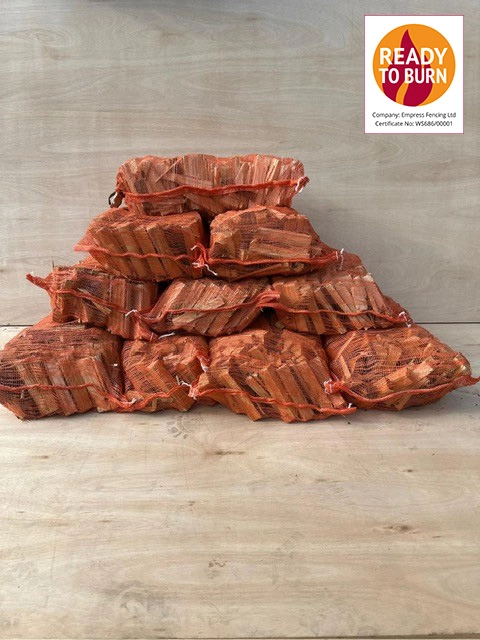
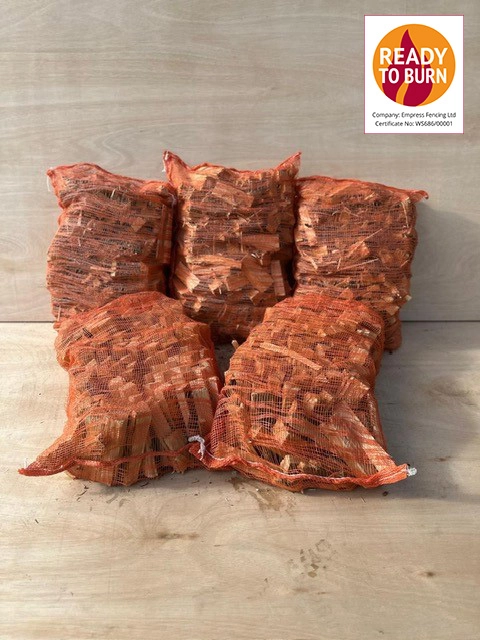
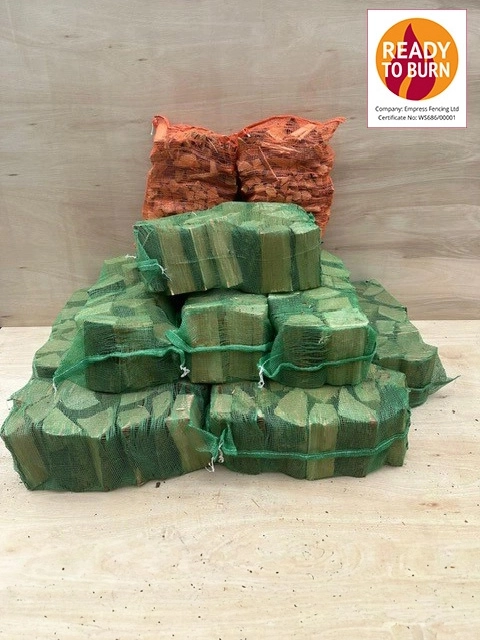
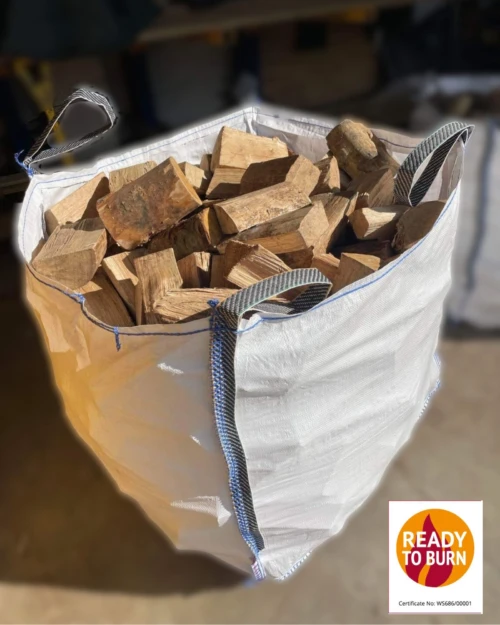
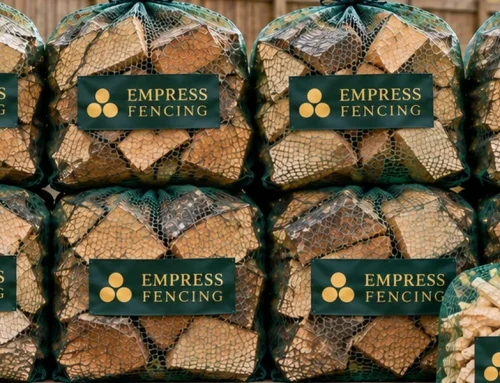
Our builders bag of logs holds around 0.6 cubic metres of this kiln dried mix. For more on species, see our guide to hardwood logs for sale explained.
Building a Good Ember Bed First
Keeping a log burner in overnight starts with the evening fire. Let the stove burn hot for an hour or two before bed. That builds a deep bed of glowing embers across the grate.
Next, rake the embers gently towards the front. Then place two or three large hardwood logs tightly together on top. Packing them closely limits airflow between them, so they burn more slowly.
Let the new logs catch properly for 15 to 20 minutes before turning the air down. If you close the air too early, the logs will smoulder instead of burning. Consequently, you lose heat and create smoke.
The Danger of Shutting the Air Right Down
The biggest mistake when keeping a log burner in overnight is closing the air controls completely. It seems like the obvious way to slow the fire. However, a fire starved of air smoulders and releases unburnt gases.
Those gases cool in the flue and condense as tar and creosote. Over time, that builds up inside the chimney and raises the risk of a chimney fire. Furthermore, it blackens the stove glass and leaves a sticky residue on the door.
So, turn the air down to a low setting rather than fully closed. Check your stove manual for the recommended overnight position. Our guide to stove glass going black explains the warning signs in more detail.
Why Dry Logs Matter When Keeping a Log Burner in Overnight
Moisture makes a slow burn far worse. A damp log on a low air setting will hiss and smoke all night. Meanwhile, most of its energy goes into boiling off water rather than heating your home.
Our logs are kiln dried to under 20% moisture and Ready to Burn certified. That means they catch quickly and burn cleanly even when the air is turned down. Our page on kiln dried logs delivered explains how the process works.
Once delivered, keeping the logs dry is up to you. A wet Lancashire autumn can undo good drying very quickly. Therefore, store your logs under cover with plenty of airflow around them.
Managing the Ash Bed Through the Week
Ash plays a bigger part in a long burn than many people realise. A shallow bed of ash insulates the embers and helps them glow for longer. So, don’t clear the grate completely every morning.
However, too much ash blocks the airflow from below. In that case, the fire struggles and the logs smoulder. As a rule, leave around an inch of ash and remove the rest every day or two. Always tip cold ash into a metal bucket with a lid, never a plastic bin.
Safety Checks for a Long Burn
Keeping a log burner in overnight means the fire burns while nobody is watching it. Therefore, a working carbon monoxide alarm in the room is essential. Test it regularly through the heating season.
Also keep the hearth clear of rugs, log baskets and kindling before bed. Furthermore, have the chimney swept at least once a year if you burn wood regularly. A clean flue draws better and handles low air settings more safely.
Relighting the Stove in the Morning
In the morning, open the air controls fully first. Then rake the embers forward and remove some of the ash if it is deep. Fresh air usually brings the embers back to life within a minute or two.
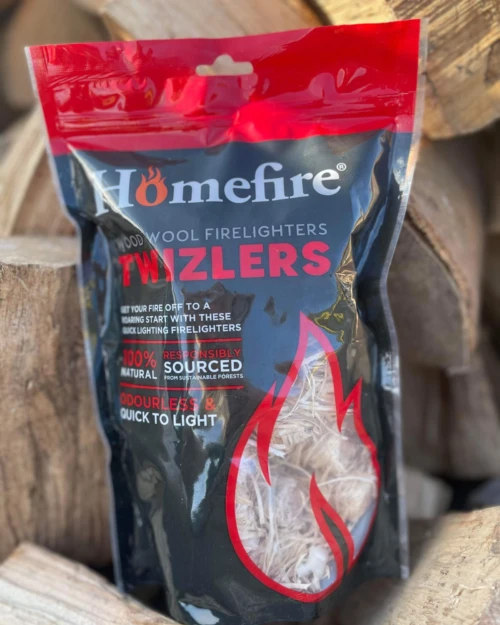
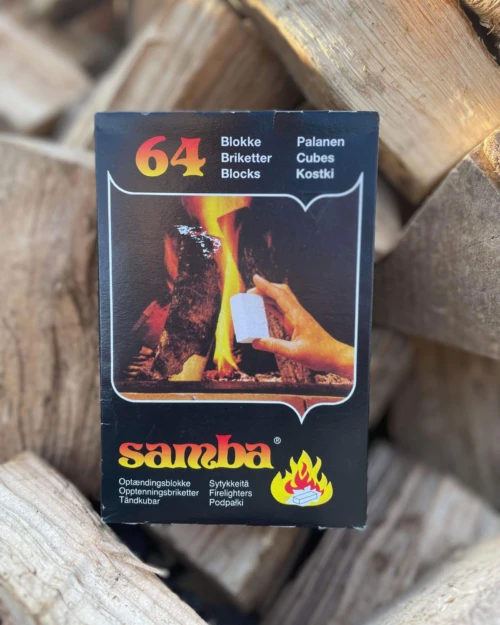
Add a few sticks of kindling and one or two smaller logs. They should catch from the embers without a firelighter. If the embers have gone cold, simply light a fresh fire as normal using Homefire Twizlers firelighters or a cube of Samba.
Ordering Hardwood in Gisburn and Sawley
Farmhouses and cottages around Gisburn often rely heavily on their stoves through winter. A steady supply of dense hardwood suits them well. Our page on logs for sale Gisburn covers local deliveries.
Similarly, Sawley sits beside the Ribble with narrow lanes and few passing places. Please add access notes when ordering. See our logs for sale Sawley page for more detail.
Looking for dense, dry hardwood for keeping a log burner in overnight this winter? Call Empress Fencing on 01200 449930 to place your order. Delivery is free on orders over £150 across all BB postcode areas, and we aim to deliver within 5 working days.