
Top down fire lighting turns the usual method on its head, and it works especially well with dry hardwood. Instead of kindling at the bottom, you lay the logs first and light the fire from the top. At Empress Fencing, we supply fencing and timber supplies in Clitheroe, including Ready to Burn certified firewood across the BB postcode area. This guide explains how to build an upside-down fire and why it suits a cold Lancashire flue.
How an Upside Down Fire Works
A traditional fire starts small at the base and grows upwards. The flames must climb through cold logs, which often smothers them. Top down fire lighting works the other way round, burning steadily downwards through layers that are already warming.
The Basic Layers From Bottom to Top
Start with two or three of your largest logs laid side by side on the grate. Next, add a second layer of slightly smaller logs across them. Then place a criss-cross layer of kindling on top. Finally, put a single firelighter in the centre of the kindling.
Light the firelighter and close the door, leaving the air controls fully open. The kindling catches first and builds a bed of embers. As those embers fall, they light the logs beneath them in turn.
Why Top Down Fire Lighting Smokes Less
Smoke is mostly unburnt fuel. When kindling sits under cold logs, the gases it releases rise straight into a cold firebox. As a result, they escape up the chimney as smoke rather than burning.
With top down fire lighting, the flame sits above the fuel. Gases from the warming logs rise through that flame and burn off. Consequently, you see less smoke at the chimney pot, and the stove glass stays cleaner.
Warming a Cold Flue on a Damp Morning
A cold chimney is a common problem on a damp autumn morning in the Ribble Valley. Cold, heavy air sits in the flue and resists the rising smoke. Sometimes that pushes smoke back into the room when you open the door.
Because top down fire lighting starts the fire at the top, hot gases reach the flue quickly. That warms the chimney and gets the draw going sooner. Moreover, the fire rarely collapses, so you seldom need to open the door to rebuild it.
Stoves in exposed spots under Pendle Hill often struggle with downdraught on windy days. In those conditions, a quick, hot start from the top makes a noticeable difference. Our guide to the first fire of the season covers flue checks before you light up.
Why Dry Logs Matter for Top Down Fire Lighting
Top down fire lighting only works if the logs underneath are genuinely dry. Wet logs cannot take a flame as embers drop onto them. Instead, they hiss, steam and cool the fire down.
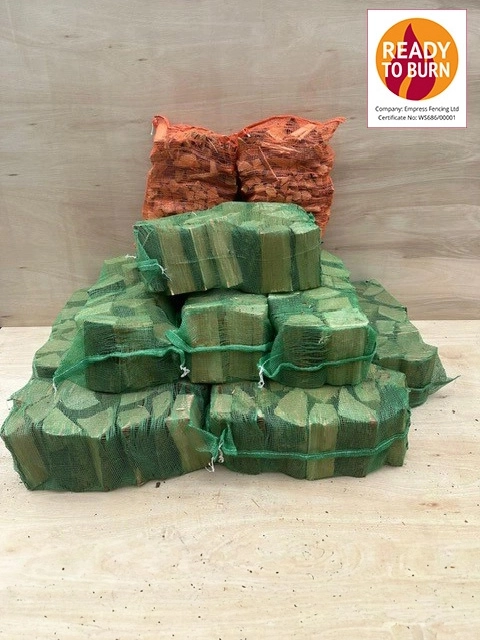
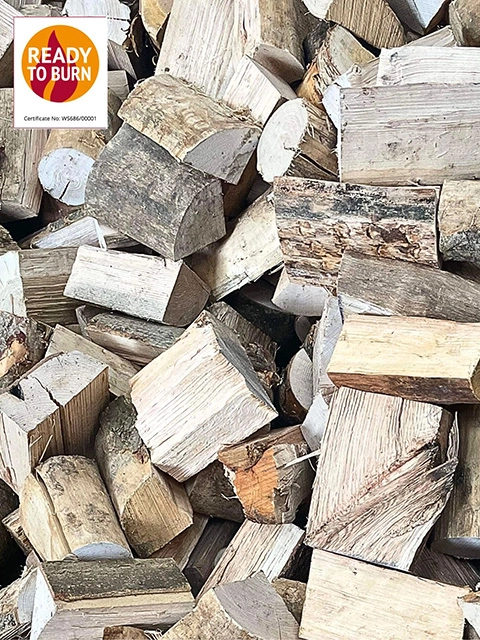
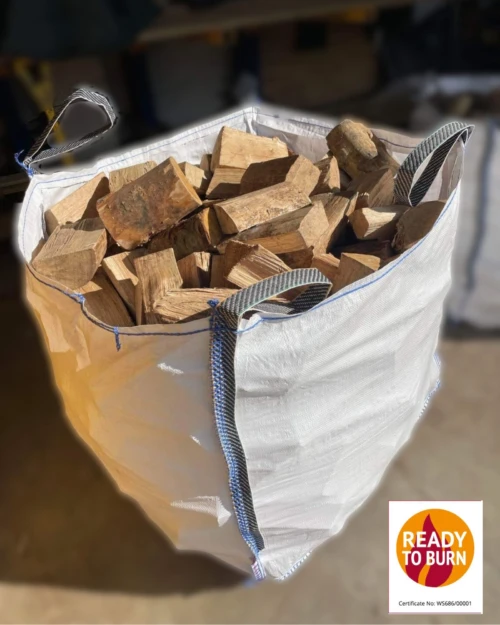
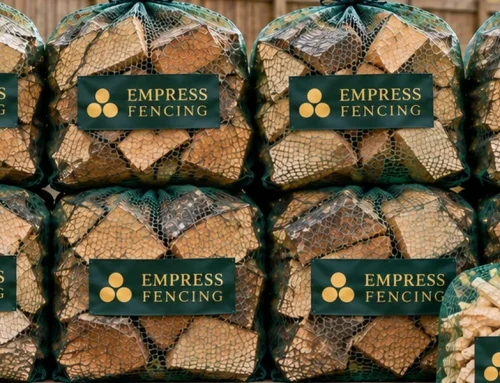
Our hardwood logs are kiln dried to under 20% moisture content. They are cut on average to 8 inches long, with a maximum diameter of 6 inches. Therefore, they sit neatly on most stove grates and catch reliably from above. The 1m3 hardwood logs load suits households that burn most evenings.
If you would like to understand the moisture standard better, our guide on why moisture content of logs matters explains it clearly. Similarly, our Ready to Burn certified logs page explains what the certification covers.
How Much Kindling to Use on Top
Top down fire lighting needs less kindling than you might think. Around eight to twelve sticks in two crossed layers is usually enough. However, a cold stove on a damp day may need a few more.
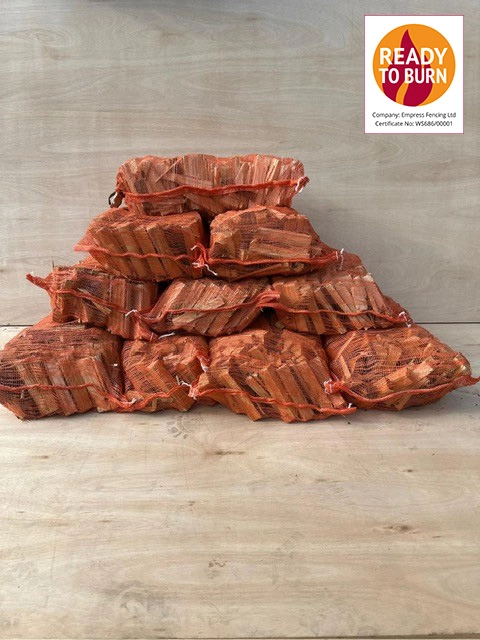
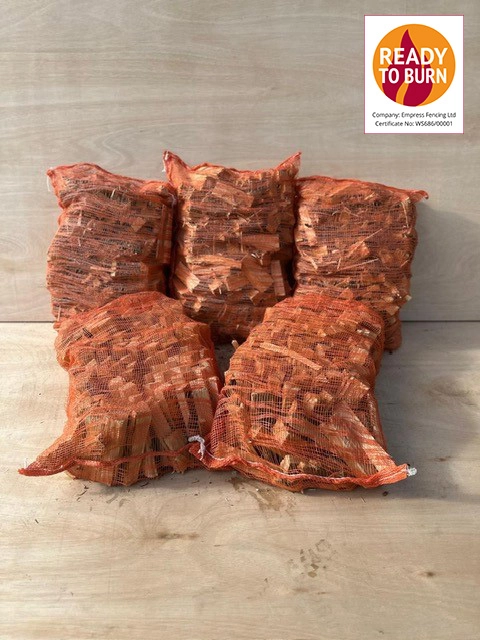
Our kiln dried softwood kindling comes in nets, and one net lights roughly 10 to 12 fires. So, if you light the stove every evening, a single net lasts about a week and a half. Many households order the 10 nets of kindling to cover several months in one go.
Keep the kindling close together in the top layer. Otherwise, gaps let the flame die before it reaches the logs. Equally, avoid packing it so tightly that air cannot pass through.
Common Mistakes With an Upside Down Fire
The most common mistake is using logs that are too small at the base. Thin logs burn through quickly and the structure collapses. Instead, put your largest, flattest pieces at the bottom so the layers stay stable.
Another mistake is closing the air too soon. The fire needs full air until the lower logs are properly alight. Usually, that takes 15 to 20 minutes. After that, you can turn the air down gradually.
Finally, avoid adding fresh logs on top while the kindling is still burning. Doing so smothers the flame and brings the smoke back. Wait until the top layer has turned to embers before you reload.
Samba or Twizlers on Top
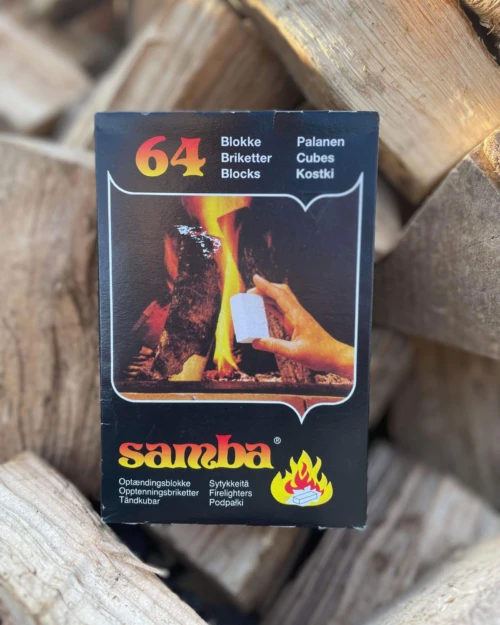
Both of our firelighters work well with top down fire lighting. Samba firelighters come as 64 cubes in two blocks. Place one cube on the kindling, light it and wait about a minute for it to catch.
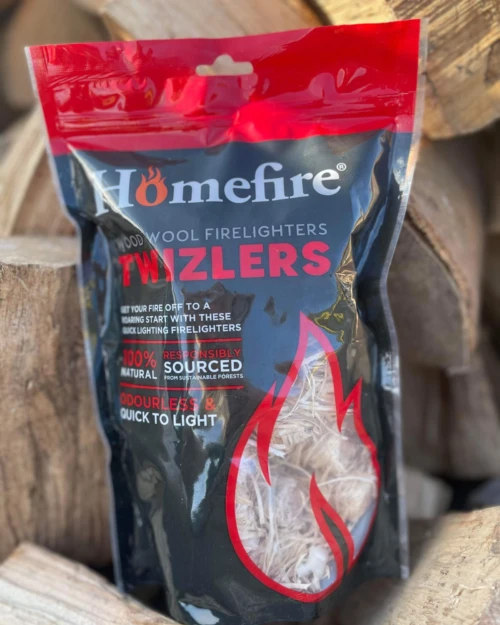
Alternatively, Homefire Twizlers are natural wood wool firelighters. They are odourless and smokeless, and each one burns for 7 to 10 minutes. That steady burn suits top-down fires, because it gives the kindling plenty of time to catch.
Whichever you choose, one firelighter is normally enough. If you regularly need two, the kindling or logs may be damp. In that case, check how you store them before buying more firelighters.
Ordering Logs in Barrowford and Higherford
Many terraced homes in Barrowford have small stoves and limited storage. A tidy log delivery and a sensible kindling supply suit them well. Our page on logs for sale Barrowford covers deliveries in the town.
Likewise, homes in Higherford often sit on steep lanes with tight access. Please mention gradients, steps and parking in the order comments box. For local detail, see our logs for sale Higherford page.
Want to try top down fire lighting this winter? Call Empress Fencing on 01200 449930 to order kiln dried logs, kindling and firelighters together. Delivery is free on orders over £150 across all BB postcode areas, and we aim to deliver within 5 working days.