
If you’ve ever struggled to get a fire going or found your logs producing more smoke than heat, the moisture content of your wood is probably the culprit. Kiln-dried logs solve this problem, and in this guide, we’ll cover everything you need to know. From what kiln-dried means to why it matters for your stove or fireplace, you’ll come away with practical tips for better fires and cleaner burning.
What does kiln-dried mean?
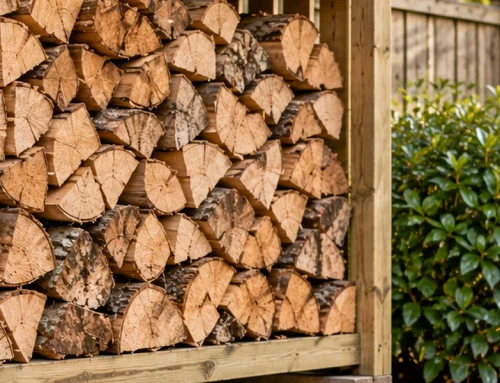
Kiln-dried wood is timber that has undergone a controlled drying process in a heated chamber, or kiln. After timber is cut, it contains a substantial amount of moisture, often 50% of its total weight or more. If you try to burn this green wood, much of the fire’s energy goes to boiling off this water rather than producing heat for cooking or warmth. Kiln-drying accelerates the drying process, bringing the moisture content down to around 20% or below.
The engineered control inside a kiln ensures the wood loses moisture evenly and reaches a stable, low moisture content. This stability helps with reliable ignition, consistent burning, and predictable heat output. In short, kiln-dried logs are prepared to perform optimally when they reach your stove, fireplace, or boiler.
Why kiln-dried logs matter: heat, smoke, and maintenance
More heat, less waste
When you burn wet or “green” wood, energy goes into evaporating the water. That means less energy is available to produce heat for your room, resulting in slower fires and reduced warmth. Kiln-dried logs, by contrast, light more easily and burn hotter because the majority of the moisture has already been removed. The end result is a more efficient, satisfying fire with less fuel wasted.
Cleaner burn and fewer creosote deposits
Moist timber generates more smoke as the water boils off. This smoke can carry particulates and contribute to creosote buildup in your chimney or flue. Excess creosote is a known fire hazard and a maintenance headache. Kiln-dried logs burn cleaner, with less smoke and fewer creosote deposits, helping your chimney stay safer and reducing cleaning frequency.
Compatibility with DEFRA-exempt appliances
For log burners and stoves that fall under specific regulations, using the right fuel is essential. Kiln-dried logs are often the recommended choice for Defra-exempt or smoke-control-area appliances, because their predictable moisture content enables compliant and efficient performance. When you choose kiln-dried logs, you’re aligning with both efficiency and regulatory expectations.
Ready to burn certification and independent testing
Trusted suppliers may provide ready to burn certification, indicating the logs have been independently tested and confirmed to meet a moisture content of 20% or below. This assurance is valuable, especially if you live in areas where legal requirements dictate fuel moisture standards for wood burning. Empress Fencing is an example of a supplier that emphasizes this independent verification, helping customers burn more cleanly and efficiently.
Storing kiln-dried logs properly
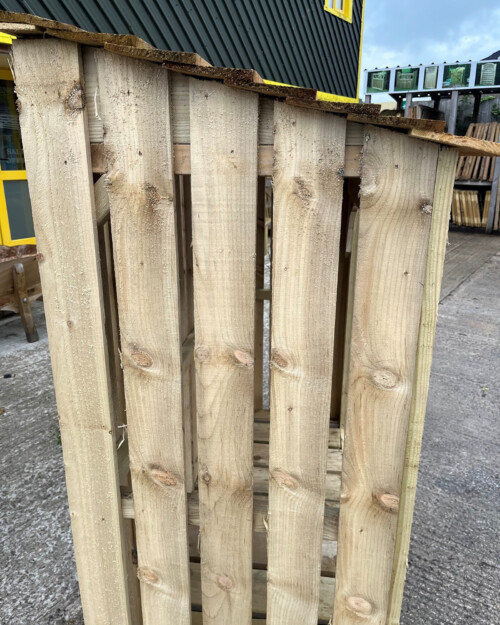
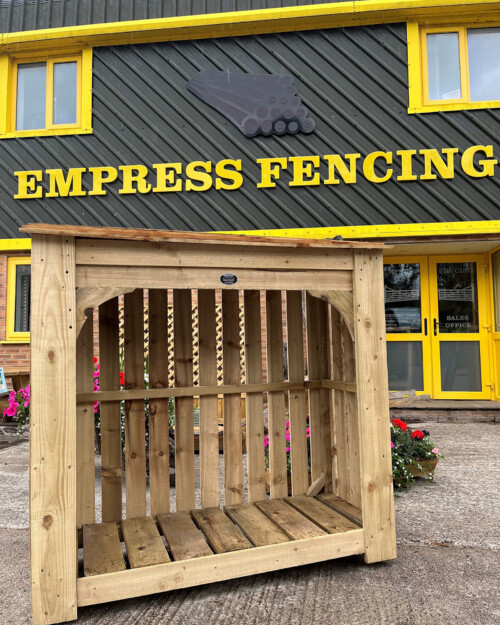
Even kiln-dried logs need proper storage to maintain their performance. Here are practical tips to keep your wood in top condition:
- Elevate off the ground: Use a log store or a simple rack to keep the wood off damp soil or concrete.
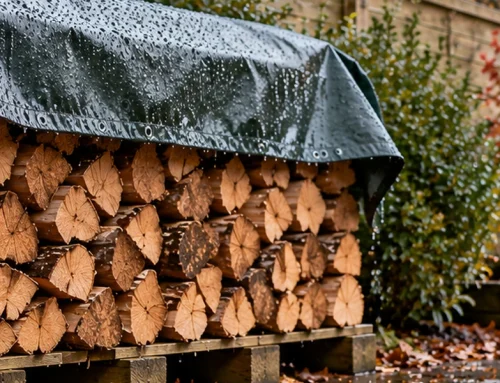
- Cover to protect from rain: Keep rain off the logs, especially the ends, while still allowing air to circulate.
- Ensure good airflow: A well-ventilated, open-sided shelter helps prevent moisture buildup inside the stack.
- Protect from direct sun and extreme temperature swings: Prolonged exposure can affect the wood’s surface and finish, even if the interior remains dry.
By following these storage guidelines, you preserve the low moisture content and ensure your kiln-dried logs light quickly and burn efficiently when you need them.
Choosing the right logs for your setup
When selecting kiln-dried logs, consider a few practical factors:
- Moisture content specification: Look for logs advertised at or below 20% moisture content to guarantee optimal burning performance.
- Size and seasoning consistency: Uniform log sizes help with consistent ignition and predictable burn times.
- Log store compatibility: Some suppliers offer bundles suited to standard storage setups, enabling you to maximise airflow and keep wood dry.
- Local delivery and service: If you’re in a specific region, such as the Clitheroe and Ribble Valley area, local suppliers may offer convenient delivery and after-sales support.
Log stores or suppliers often advertise features like “The Complete Guide to Kiln-Dried Logs – What They Are and Why They Burn Better” to highlight the benefits and validate the product’s performance. When you see terms like “Log Store” or “log storage,” it’s usually signalling practical solutions for keeping your wood dry and ready to burn.
Practical tips for better fires with kiln-dried logs
- Build a small kindling pile: Even with kiln-dried logs, use small kindling and a few thinner logs to establish a strong initial flame.
- Use a drying area at home: If you’ve just delivered a batch of kiln-dried logs, keep them in a sheltered area away from direct rain but with airflow to prevent any moisture pickup.
- Avoid overloading the fire: Place logs in a stable configuration that allows air to circulate, ensuring a clean burn rather than smouldering.
- Monitor chimney cleanliness: Despite cleaner burning, periodic chimney inspections remain important, especially in homes with frequent use.
Kiln-dried logs offer tangible benefits for homeowners seeking efficient, cleaner-burning, and regulation-friendly wood fuel. By understanding what kiln-dried means, why it matters for heat and smoke, and how to store and select the right logs, you can optimise your heating experience and reduce maintenance headaches. Ready to burn certification and independent testing provide added reassurance that you’re buying quality fuel. If you’re in or near Clitheroe and the Ribble Valley area, exploring local suppliers that offer dependable kiln-dried logs, often marketed with “log store” and “Log Storage” solutions, can make your next fire both easier to start and more enjoyable to burn.
In short, kiln-dried logs light more easily, burn hotter and cleaner, and help you achieve consistent warmth with less creosote buildup. Embrace the shift to kiln-dried wood, store it correctly, and you’ll notice the difference in every fire.
For logs for sale Blackburn, logs for sale Burnley, logs for sale Darwen, logs for sale Rossendale, logs for sale Accrington, logs for sale Colne, logs for sale Nelson or logs for sale Clitheroe, order online.