
The most common reason a decking project stalls halfway through is running short of boards, and the second most common is ordering far too many. Working out the right number of decking boards in advance is simple arithmetic once you know the method, and getting it right saves both money and the delay of a second order in the middle of summer. As a supplier of fencing and timber supplies in Clitheroe, we talk customers through these calculations regularly, and the same approach works whether you are decking a small balcony or a full garden terrace.
The principle is to work out the area you are covering, divide it by the coverage of a single board, and then add a sensible allowance for cuts, waste and the gaps between boards. Skip any of those steps and the figure comes out wrong.
The Method for Calculating Board Quantities
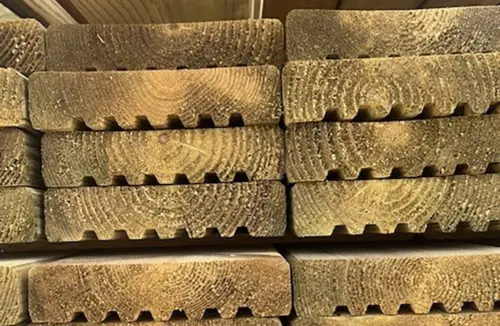
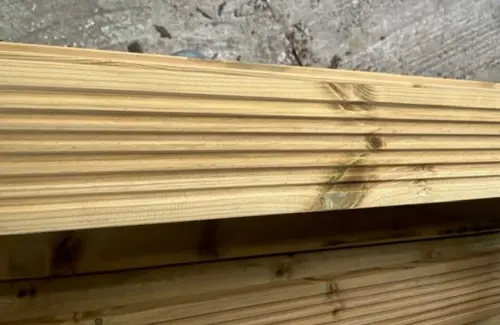
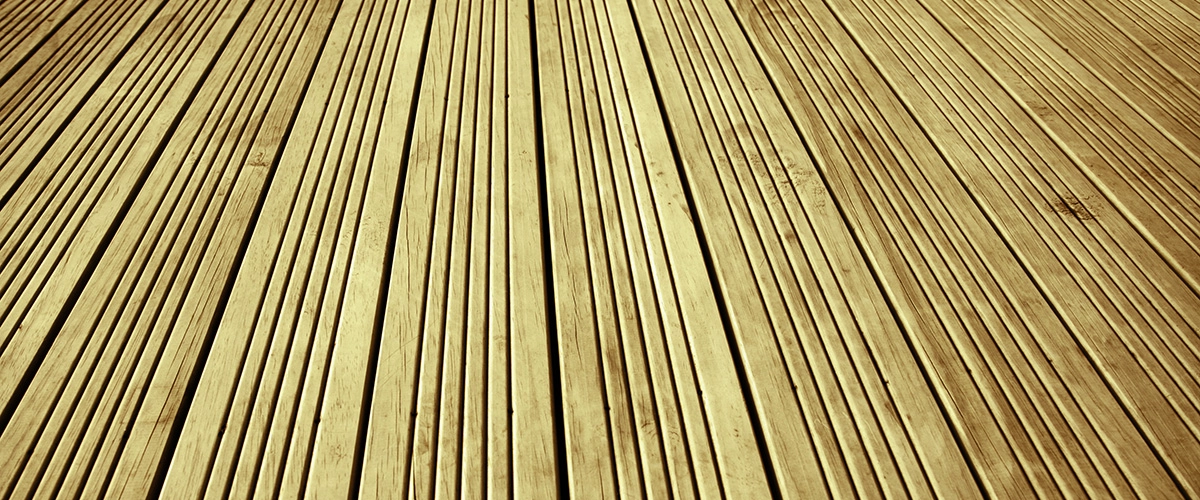
Start with the deck area in square metres, length multiplied by width. Then work out how much surface one board covers, which is its length multiplied by its laid width including the small gap you leave between boards for drainage and movement. Divide the deck area by the board coverage and you have the number of boards before waste. Our decking boards come in standard lengths, so once you know the dimensions you are working with, the sum is quick.
Allowing for the Gaps Between Boards
Decking boards are never laid tight against each other. A consistent gap lets rainwater drain through and gives the timber room to expand and contract as it wets and dries through the seasons. That gap means each board effectively covers slightly more width than the board itself, so factor it into your coverage figure rather than ignoring it. Get this wrong in either direction and your board count drifts off across a large deck.
Adding a Waste Allowance
Every deck involves cuts. Boards are trimmed to length at the edges, cut around posts, and occasionally a board is rejected for a flaw or a split end. A waste allowance of around ten per cent over your calculated figure covers normal cutting on a simple rectangular deck, and you should allow more for a deck with angles, curves or several obstacles to cut around. It is far cheaper to have a board or two spare than to halt the job waiting on a single extra board.
Don’t Forget the Joists and Fixings
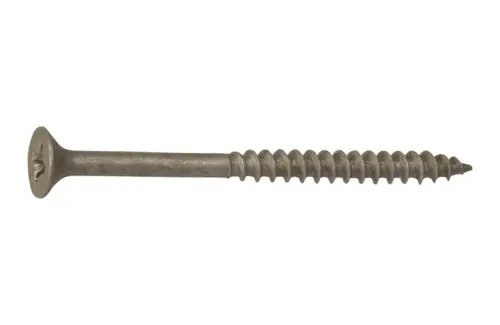
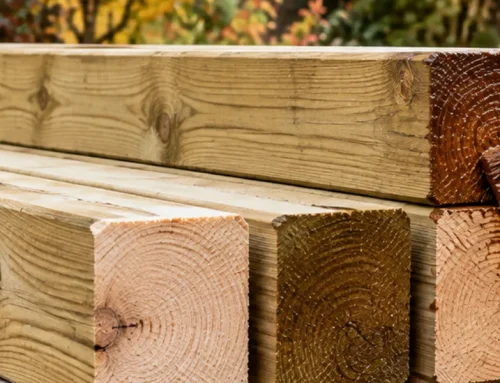
Boards are only part of the order. Beneath them sits the joist frame that carries the load, and the boards are held down with the right fixings at every joist crossing. The joist spacing determines how many lengths of joist timber you need, and the number of fixings follows from the number of board-to-joist intersections. Our decking supplies and fixings and accessories ranges cover both, and our guide to choosing decking boards, joists and fixings explains how the three work together.
Checking Your Figures Before You Order
Before placing an order, sketch the deck to scale and lay out the board runs on paper. This visual check catches mistakes the raw arithmetic can hide, such as an awkward narrow strip at one edge that needs an extra board, or a direction of laying that produces more cuts than expected. The whole project sits within our timber decking range, so once your figures are settled you can pull the full materials list together in one place.
Planning the Direction of the Boards
Which way the boards run changes both the look and the quantities. Boards laid along the longer dimension can mean fewer cuts but a different visual effect from boards run across the space, and a diagonal layout looks striking but generates noticeably more waste from the angled cuts at the edges. Deciding the direction before you calculate, and laying it out on your scale sketch, gives an accurate count and avoids the surprise of running short because the cutting pattern used more board than a straight estimate suggested.
Counting Posts and Bearers
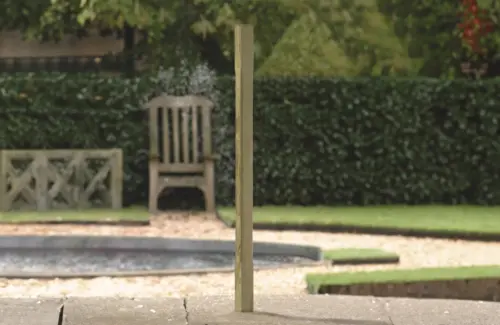
The visible boards sit on a hidden structure that also has to be counted. Posts support the frame at intervals, bearers span between the posts, and joists run across the bearers to carry the boards. Each of these is worked out from the deck’s dimensions and the spacings the structure calls for, and forgetting them is a common reason a first order falls short. Sketching the frame as well as the surface gives you the full picture, so posts, bearers, joists, boards and fixings all go on the list together.
Buying a Sensible Surplus
There is a balance between ordering too little and too much. Too little means a halted job and a second delivery, while too much ties up money in timber you do not need. A waste allowance of around ten per cent on a simple deck, rising for complex shapes, hits the balance for most projects. Any genuine surplus is rarely wasted, as spare decking boards make useful repairs later or find a use in a smaller garden project, so a modest overage is a safer bet than cutting it fine.
If you would like a second pair of eyes on your decking calculations, call us on 01200 449930 with your measurements and we will help you check the numbers. We offer free delivery on orders over £150 across all BB postcode areas, so your full board, joist and fixing order can arrive together ready to build.