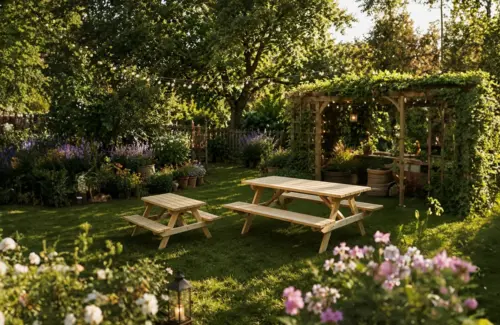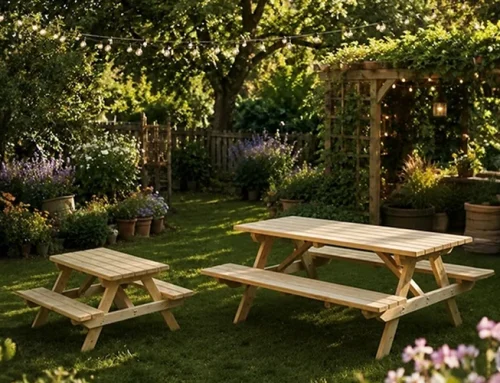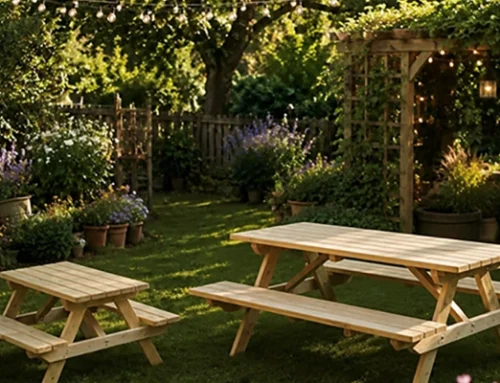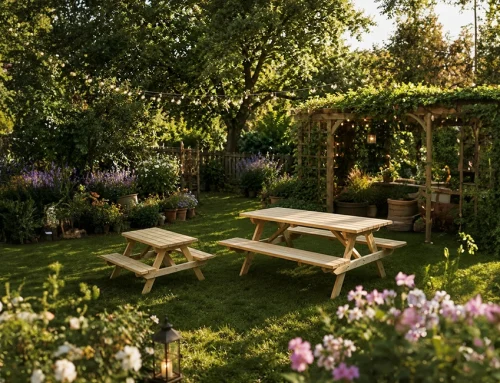

The most-used part of any summer garden is the spot set aside for sitting, eating and relaxing, and bringing decking and outdoor furniture together is how you create a seating area that draws people out of the house. Good outdoor furniture on a well-built deck gives you a defined outdoor room that feels like a deliberate space rather than a few chairs on the lawn. As a supplier of fencing and timber supplies in Clitheroe, we help customers plan these seating areas from the ground up, because the surface and the furniture work best when they are considered together.
The idea is simple but effective. A timber deck provides a level, free-draining, good-looking base, and the right garden furniture turns that base into a place to gather. Plan the two as one project and the result feels designed rather than assembled.
Bringing the Deck and the Furniture Together
Start with how you want to use the space, because that drives both the deck size and the furniture choice. A seating area built around dining needs room for a table and benches with space to move around them, while one built for lounging needs space for seats and a low table. Sketching the furniture onto a plan of the deck before you build ensures the area is the right size, neither cramped nor stranded with empty space. Our timber decking range provides the base, and our outdoor furniture the seating to fill it. When the surface, the seating and the shelter are all chosen to work together from the start, the finished area feels like a genuine outdoor room rather than a few separate pieces gathered on the lawn, and that is the difference people notice the moment they step into it.
Choosing the Surface
The deck does more than provide somewhere to stand. A level timber surface keeps furniture stable, drains rain away through the board gaps so seating is not left in a puddle, and gives a warm, natural finish underfoot. Building the deck with quality decking boards on a sound frame means the seating area stays solid and true for years. A deck also lifts the area above wet ground, which on Lancashire’s heavier soils keeps the space usable sooner after rain.
Picking the Furniture
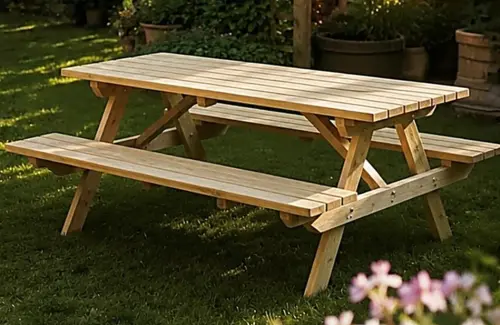
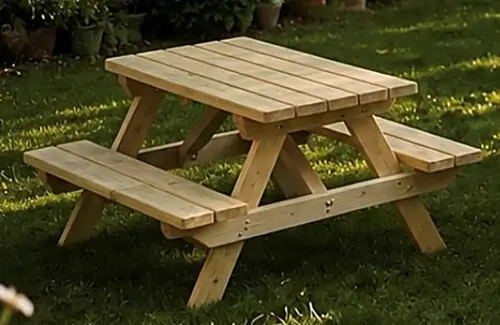
For a sociable summer space, an A-frame timber picnic bench is hard to beat, seating a good number around a single table and standing up to constant outdoor use. Our picnic benches sit naturally on a deck and suit family meals, drinks and barbecues alike. Plenty of people still search for garden furniture by that name, and whether you call it garden furniture or outdoor furniture, the goal is the same, robust timber seating that lives outdoors and looks the part. Our overview of timber picnic benches shows how they work across different settings.
Shelter and Enclosure
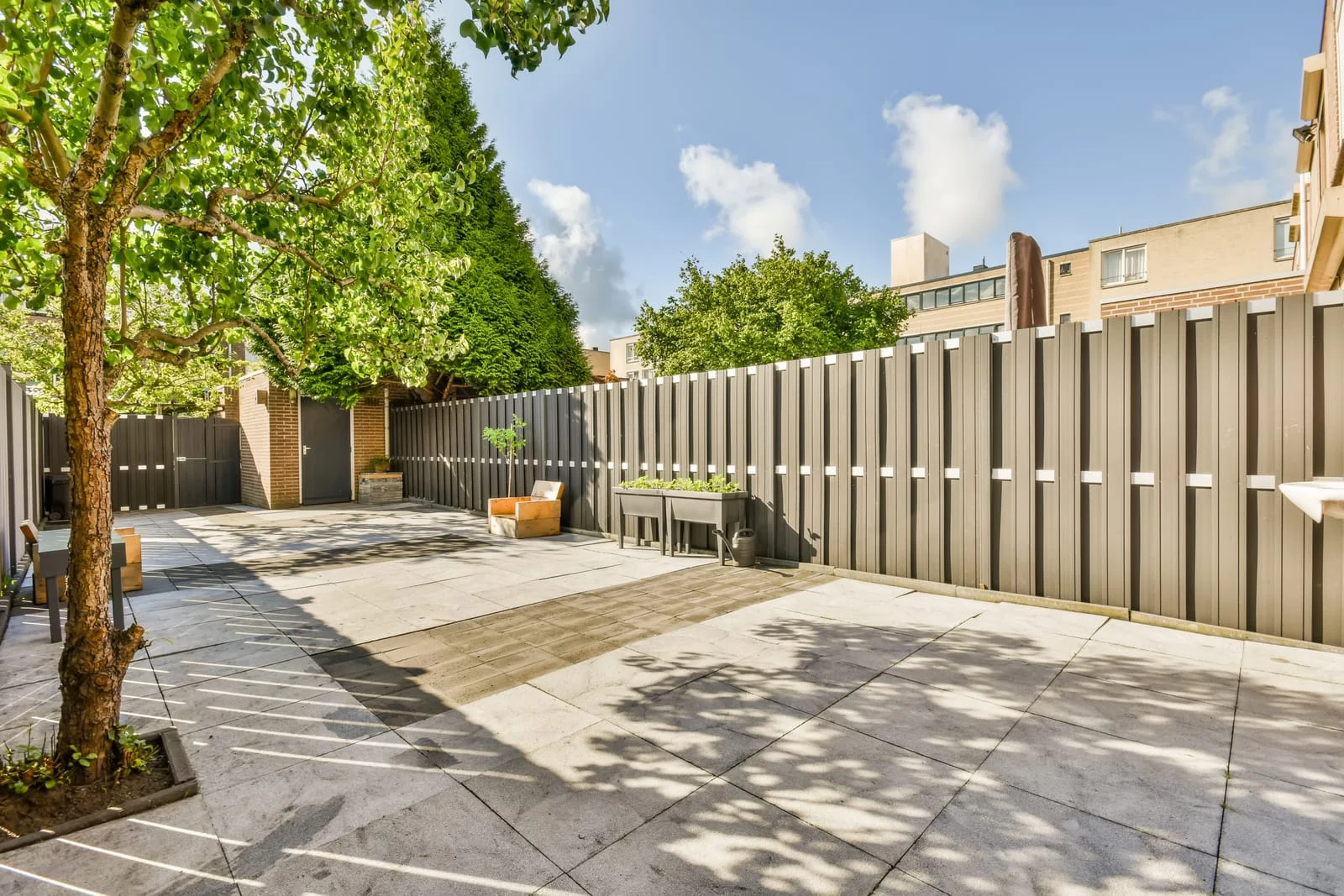
A seating area feels far more inviting with some enclosure behind it. Backing the space onto a fence or screen cuts the breeze, adds privacy and gives the area a sense of being a room rather than an exposed platform. Positioning the furniture with shelter behind it, and an open aspect towards the sun, makes a space people actually want to sit in through the evening.
Pulling It Together
The finishing touches make the difference. Keeping the deck clear and treated, arranging the furniture so there is a clear route in and out, and leaving room to move around the seating all help the area work in practice. Planned as a single project, the deck and furniture create a summer space that earns its place at the heart of the garden.
Zoning a Larger Garden
In a bigger garden, a deck and seating area work best as a defined zone rather than a surface that drifts into the lawn. Giving the area clear edges, whether through the deck itself, planting or a low screen, marks it as the place to sit and gather. That sense of a room within the garden is what makes people settle there, and it stops the seating feeling stranded in the middle of an open space with nothing to anchor it.
Lighting and Evening Use
A seating area earns its keep into the evening when it is comfortable after dark. Planning for some lighting, whether built into the deck edge or added around it, extends the hours the space is used through the long summer evenings. Thinking about this at the design stage, rather than running cables across a finished deck, gives a neater result and turns the area into somewhere usable from breakfast through to a late summer night.
Keeping the Area Low-Maintenance
The most-used spaces benefit from being easy to keep. A deck that is treated and kept clear, furniture chosen for outdoor life, and a layout that lets you sweep and clean without shifting everything all make the area simple to maintain. A seating space that is quick to ready for guests gets used far more than one that needs a major tidy every time, so designing for easy upkeep is designing for use.
If you would like help planning a deck and seating area together, call us on 01200 449930 and we will work through the surface and the furniture with you. We offer free delivery on orders over £150 across all BB postcode areas, so the deck and the benches can arrive in one delivery. Planned as a single space, with the surface, seating and shelter all considered together, a deck and furniture create a summer room you reach for every day.