
Durapost for exposed gardens makes a lot of sense when the wind comes straight off the moor. Hillside plots below Pendle Hill take a beating that sheltered town gardens never see. As a Durapost stockist and supplier of fencing and timber supplies in Clitheroe, we often advise on these sites. So here is how the system copes with the hills.
Why Exposed Gardens Are Hard on Fencing
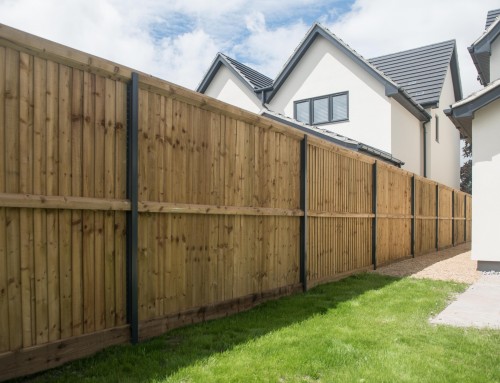
Gardens on the slopes around Pendle face strong westerly winds and heavy rain. A solid fence panel acts like a sail in a gale. That load passes straight into the posts. Over time, timber posts can loosen, lean or snap at ground level.
Wet ground adds to the problem. Moorland-edge soil often stays saturated for months. As a result, timber posts sit in damp earth all winter. That is exactly where rot begins, as our guide on why fence posts fail explains.
What Makes Durapost Different
Durapost is a steel post system. The posts will not rot, warp or crack. They are maintenance free and 100% recyclable at the end of their life. In other words, Durapost for exposed gardens replaces the weakest part of a timber fence with steel.
Standard fence panels slide into a channel in each post. So you can still use timber panels for the look you want. If you are new to the system, our article what is Durapost and is it worth the money covers the basics. You can browse every Durapost component online.
Intermediate and End Posts
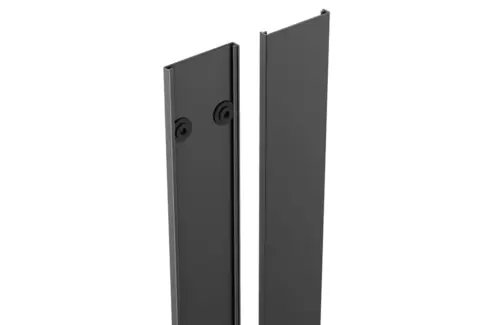
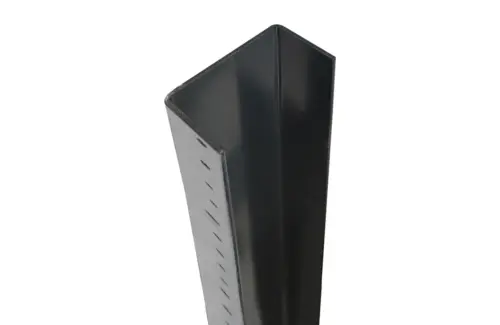
The intermediate post has a 48mm channel and comes in 1.8m or 2.4m lengths. It sits between two panels, holding one in each side. For example, the Durapost anthracite intermediate post suits most straight runs. Panels slot in from the top, so there is nothing to nail.
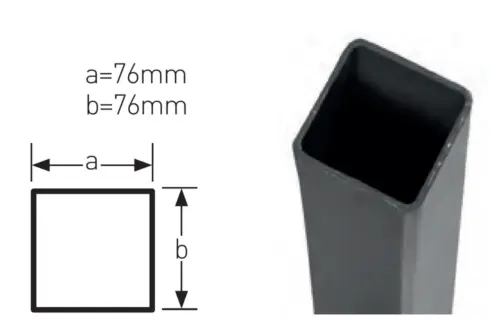
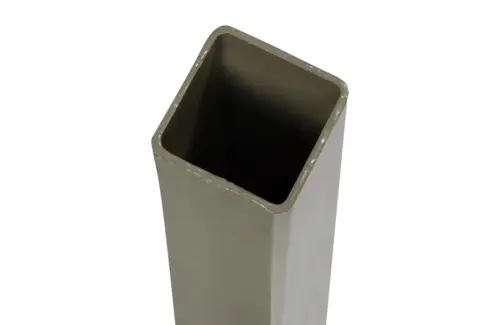
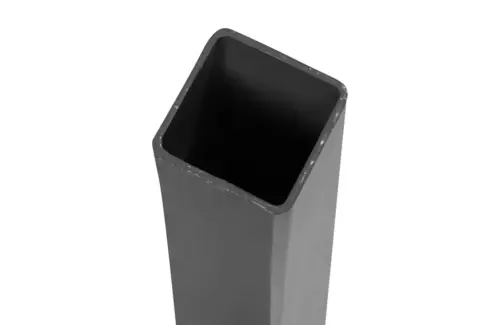
End and corner posts measure 76x76mm and also come in 1.8m or 2.4m. Use them at each end of a run and at every change of direction. On a sloping hillside plot, plan these carefully before ordering. Our guide to fencing on a slope may help with stepping a run.
Bolt Down Supports for Hard Standing
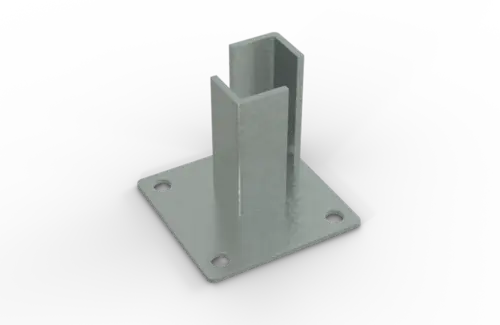
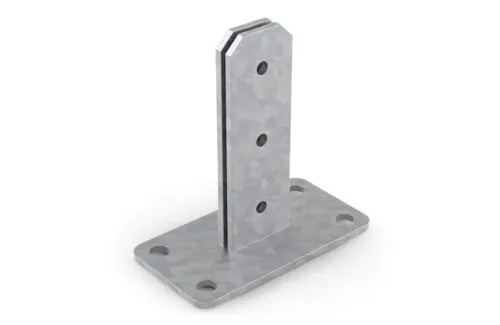
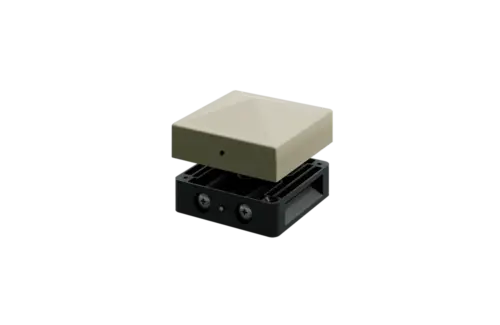
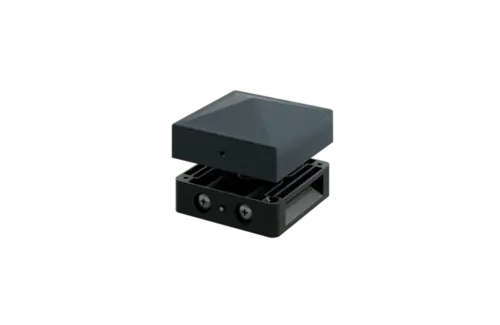
Not every exposed site has soil to dig into. Many hill gardens have rock just below the surface, or a concrete yard. In those cases, bolt down supports adapt Durapost for exposed gardens to hard ground. The Durapost bolt down post support measures 150x150x80mm, and the corner version 125x125x104mm.
Fix these to sound concrete with suitable anchor bolts. The post then sits in the support rather than in the ground. That avoids digging altogether. However, the concrete beneath must be solid enough to take the wind load.
Where you do have soil, posts are usually set in concrete in the ordinary way. Dig deep enough for the height of the fence and the exposure of the site. On a windy plot, err on the side of a deeper hole. Good drainage at the bottom of the hole also helps on wet moorland ground.
Durapost for Exposed Gardens Needs the Right Components
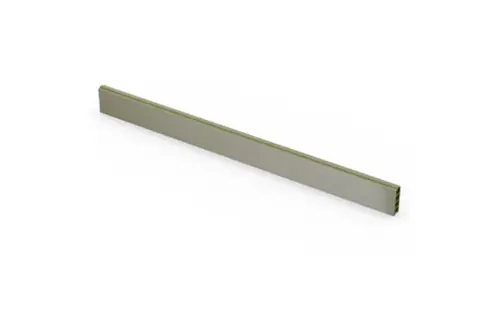
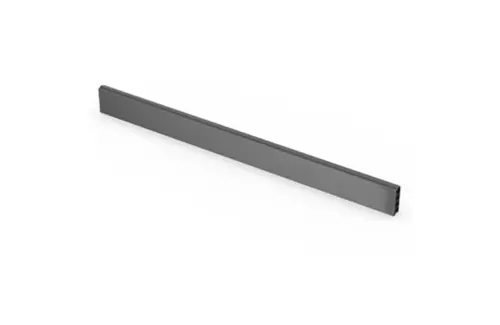
A strong post is only part of a wind-resistant fence. The gravel board sits at the base, measuring 150 x 50mm and 1.83m long. It keeps the panel off wet ground, where most rot starts. With Durapost for exposed gardens on a soggy hillside, that matters a great deal.
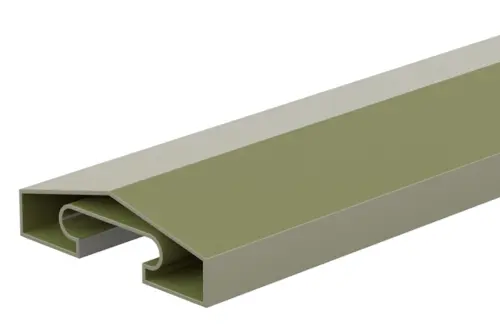
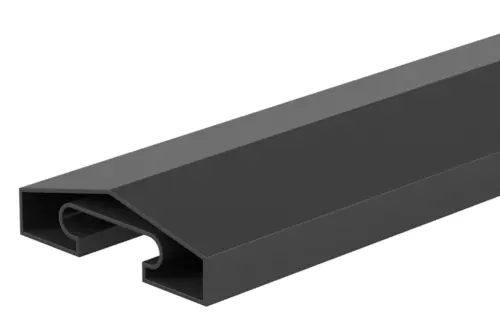
The capping rail runs along the top at 65mm wide and 1.83m long. It shields the panel’s top edge from rain. Meanwhile, the cover strip, 2.1m long, conceals rear fixings for added security. Post caps of 75x75mm finish each post neatly and keep water out.
Anthracite or Olive Grey
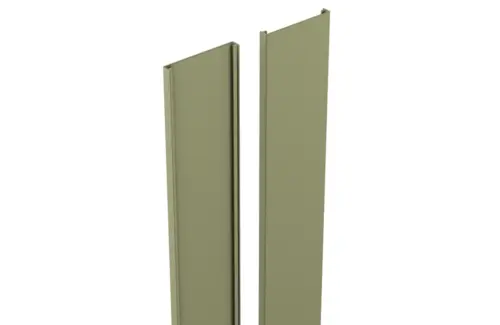
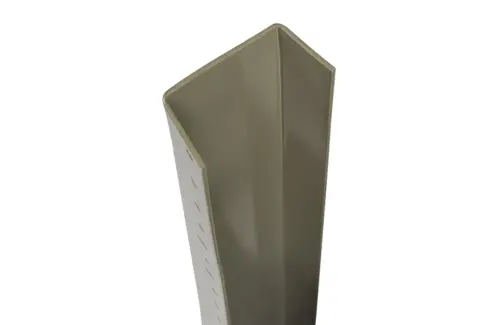
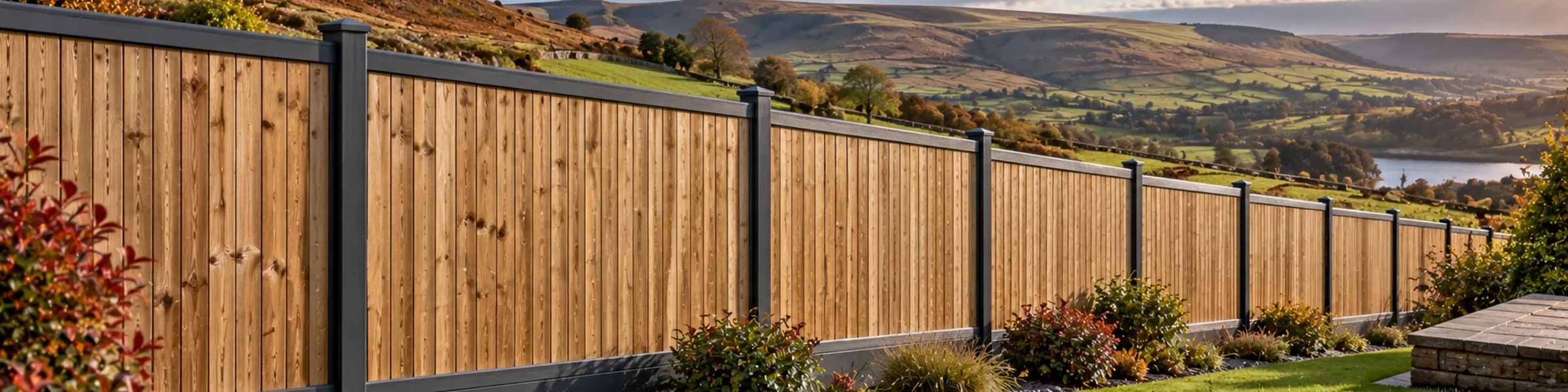
Durapost comes in two colours, Anthracite and Olive Grey. Anthracite is a dark charcoal that suits modern homes and slate roofs. Olive Grey is softer and sits quietly against hedges and fields. Our Durapost olive grey intermediate post is popular on rural boundaries.
On an open hillside, the fence is often visible from a distance. So think about how it will look from the lane or the fell. Many owners near farmland choose the greener tone to blend in. Either colour of Durapost for exposed gardens needs no painting or treatment.
Choosing Panels to Suit Durapost for Exposed Gardens
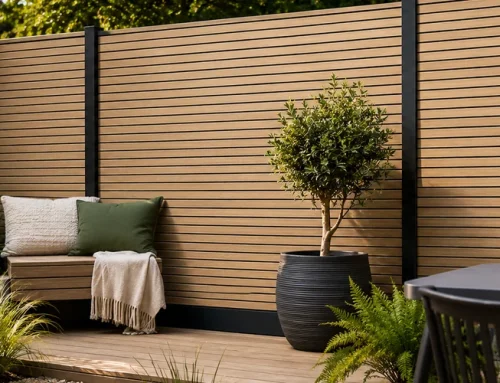
Solid panels catch the most wind. On very exposed plots, some owners pick panels with gaps, such as slatted designs. These let a little wind through and reduce the load on the fence. However, they give less privacy, so balance the two.
Whichever panel you choose, the steel post will not twist or rot. That makes the fence far less likely to lean after a winter storm. Panels can also be replaced individually if one is damaged. Simply lift it out of the channel and slide in a new one.
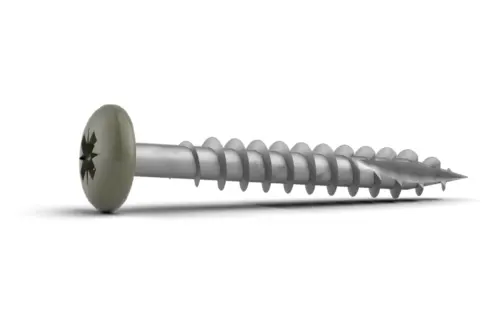
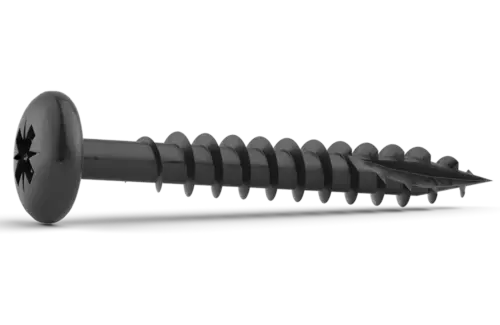
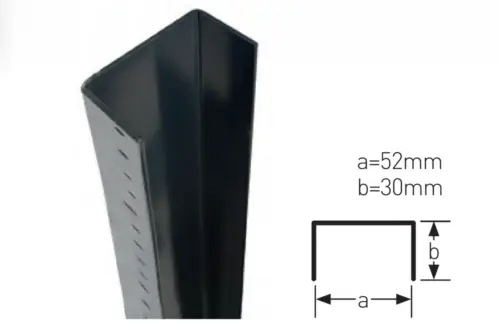
Fixings matter on a windy site too. Durapost pan head timber screws, 4 x 45mm in packs of 10, secure panels to the posts. When fitting Durapost for exposed gardens, firm fixings are worth the extra few minutes. Likewise, the U channel, 52 x 30mm and 2.1m long, lets you fix a panel against a wall or existing structure.
Before ordering, walk the boundary and count every post position. Note each end, corner and change in level. Then work out how many panels, gravel boards and capping rails you need. A clear list makes the order quicker and avoids a second delivery.
Local Hill Gardens We Supply
Sabden sits in a valley tucked right under Pendle Hill. Wind funnels through it, and gardens on the slopes feel every gust. Customers ordering Sabden fencing often ask about steel posts for this reason. Similarly, gardens in Chatburn look out towards the hill and catch the weather.
We supply plenty of Chatburn fencing to homes on the village edge. For both villages, Durapost for exposed gardens avoids the cycle of replacing rotten posts. Your fitter can install the system in much the same way as timber.
For Durapost posts, components and panels, call us on 01200 449930. We aim to deliver within 5 working days, with free delivery on orders over £150 across all BB postcode areas. Collection from our Clitheroe yard is also available.