
Drying out damp logs is a job many households face at least once each winter. As a supplier of fencing and timber supplies in Clitheroe, we deliver firewood across East Lancashire in every kind of weather. Occasionally, a load gets tipped on a dry morning and then caught by an afternoon downpour. The good news is that a quick soaking rarely ruins kiln dried logs.
Surface Wet or Properly Soaked
The first step is working out how wet the wood really is. Kiln dried logs leave our yard at under 20% moisture content. That low figure is what makes them Ready to Burn certified. However, once delivered, keeping them dry is down to you.
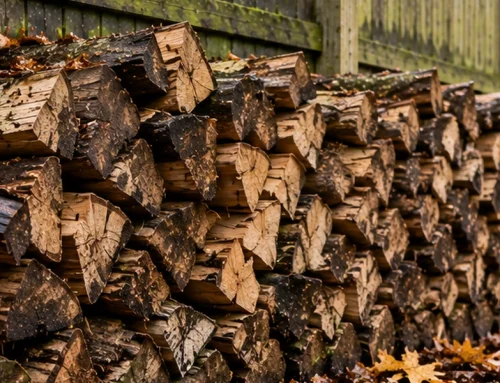
A shower of rain mostly wets the outside of each log. The bark and outer few millimetres absorb water, while the core stays dry. By contrast, logs left uncovered for weeks can soak up water much deeper. The approach to drying out damp logs is different for each case.
Why Surface Water Dries Quickly
Kiln dried timber has very little water left inside it. As a result, rain that lands on the surface has nowhere deep to go at first. Given good airflow, that surface moisture can evaporate within a few days. Wind matters more than sunshine here.
Logs left in a heap dry far more slowly. The ones in the middle stay wet because air cannot reach them. Therefore, spreading the pile out is the most useful step in drying out damp logs.
Stacking for Airflow
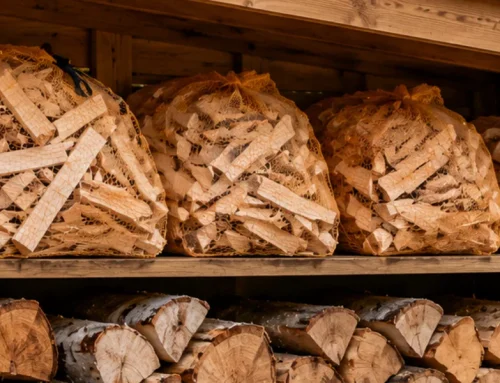
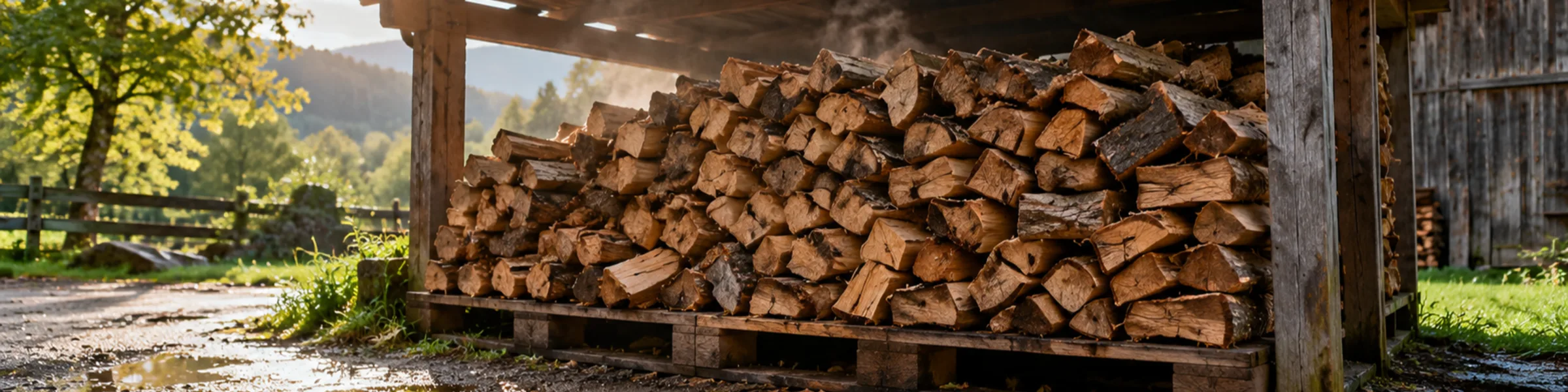
Move the logs into a covered store as soon as the rain stops. When drying out damp logs, stack them loosely rather than packing them tight. Leave small gaps between logs so air can move through the stack. Place logs bark side up where you can, because bark sheds water like a roof tile.
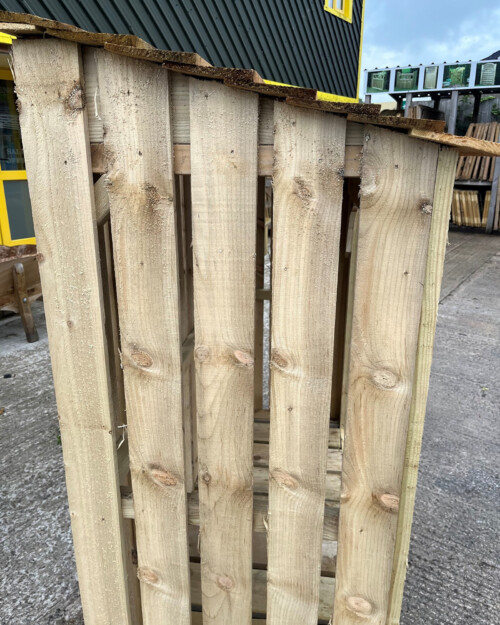
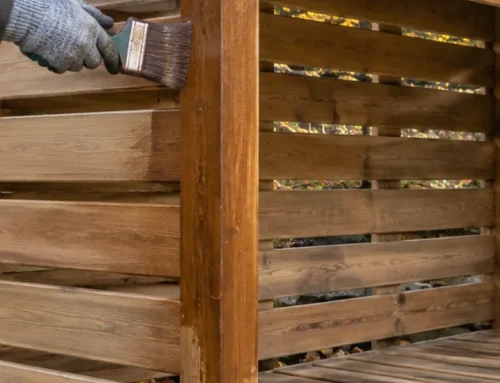
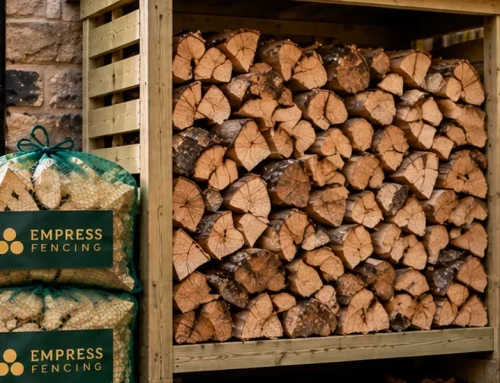
A store with a solid roof and slatted sides works best. Our log store 5×5 has a sloping feather edge roof and slatted back and sides. It arrives fully assembled, so you can start stacking straight away. For more choices, see our log storage solutions page.
Keeping the Base Off the Ground
Never stack logs directly on soil or grass. Ground moisture wicks up into the bottom row, even under cover. Instead, raise the stack on a slatted base, pallets or a gravel pad. Our article on getting the log store base right covers the options in detail.
Also, avoid leaning the stack against a fence or house wall. Trapped damp behind the pile slows drying and harms the fence too.
Why Not to Dry Logs Indoors by the Stove
It is tempting to bring wet logs inside and pile them by the fire. However, drying out damp logs indoors causes several problems. The water evaporates into your living room, raising humidity and condensation. Moreover, logs placed too close to a hot stove can scorch or even catch light.
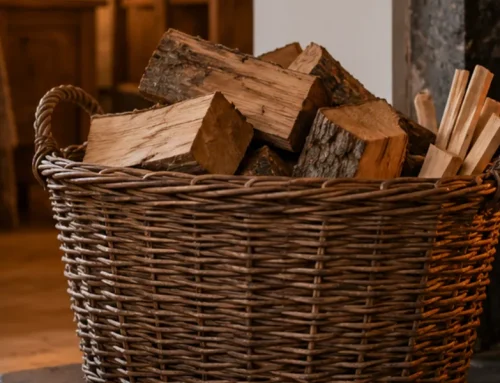
Bringing in a day’s supply is fine once the logs are surface dry. Keep that basket a sensible distance from the stove. Equally, avoid storing large quantities indoors, as insects living in bark can wake up in the warmth.
Testing Moisture Before Drying Out Damp Logs Fully
A moisture meter takes the guesswork out of the process. They are inexpensive and easy to use. Split a log in half first, then push the pins into the fresh face. Testing the bark only tells you about the surface.
If the reading is back under 20%, the log is ready to burn. If it reads higher, give the stack more time in the store. Burning wet wood wastes heat, blackens the glass and builds tar in the flue. Our guide to why moisture content of logs matters explains why that number is so important.
How Long Drying Out Damp Logs Takes
Timings for drying out damp logs depend on the weather and on how wet they became. After a single shower, well stacked logs often recover within three to five breezy days. After a week uncovered in steady rain, allow two weeks or more. Cold, still, foggy spells slow everything down.
Species matters a little too. Our hardwood loads may include oak, ash, beech, birch, sycamore, alder and hornbeam. Dense oak takes longer to give up surface water than lighter birch or alder. Meanwhile, softwood nets of spruce and larch tend to dry fastest of all.
Using the Driest Logs First
While the stack recovers, you still need to keep warm. So burn from the top and the windward side, where logs dry first. Mix in a few drier logs from the back of the store as well. In addition, light the fire with good kindling, because a hot start helps marginal logs burn cleanly.
Avoid loading the stove full of slightly damp logs at once. Instead, add one or two at a time to an established bed of embers. That keeps the firebox temperature up.
Preventing It Next Time
Our 1m3 hardwood logs are tipped loose on your drive. That means you need to move them into store fairly promptly. So check the forecast on your delivery day and have a tarp ready. A sheet thrown over the pile buys you time if rain arrives early.
Please remember that our driver cannot stack logs in your store or lift them over walls. Plan a clear route from the drive to the store before delivery. You can add access notes in the order comments box.
Wet Weather in Kelbrook and Earby
Villages on the edge of the Pennines see plenty of rain blowing over from the west. In Kelbrook and Earby, a dry morning can turn wet quickly. As a result, having a store ready before the logs arrive makes a real difference. Local details are on our logs for sale Kelbrook and logs for sale Earby pages.
Want dry firewood delivered and a store to keep it in? Call us on 01200 449930 to order or ask for advice. We offer free delivery on orders over £150 across all BB postcode areas. We aim to deliver within 5 working days and will phone with your delivery day.