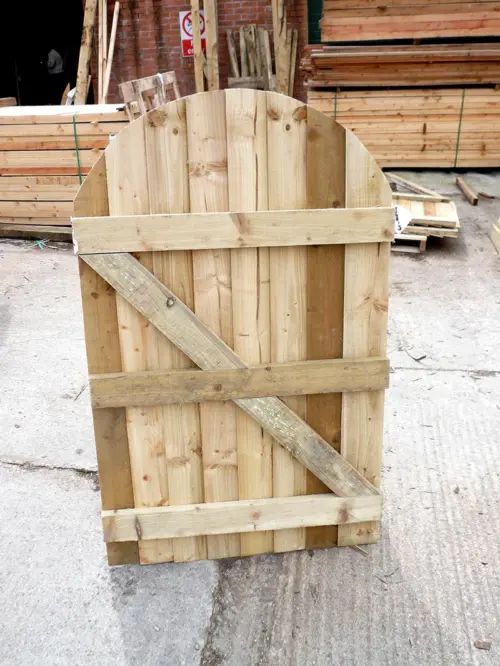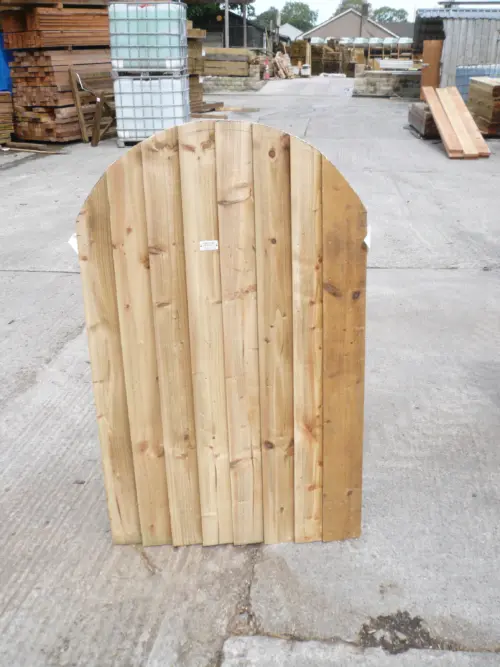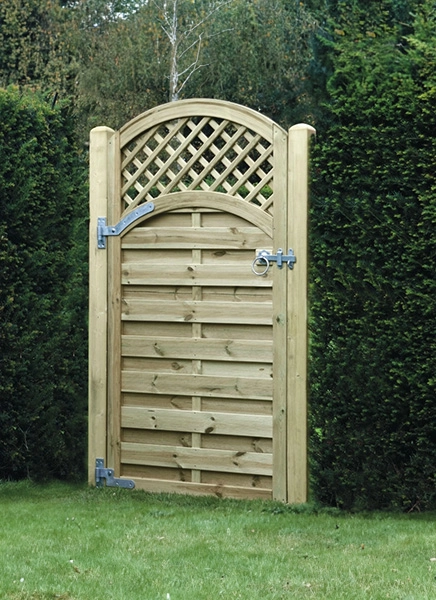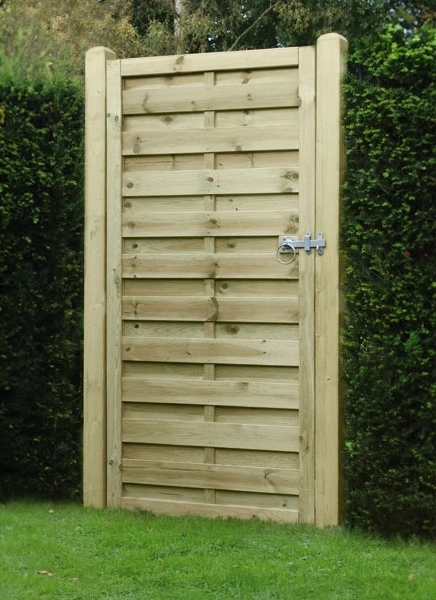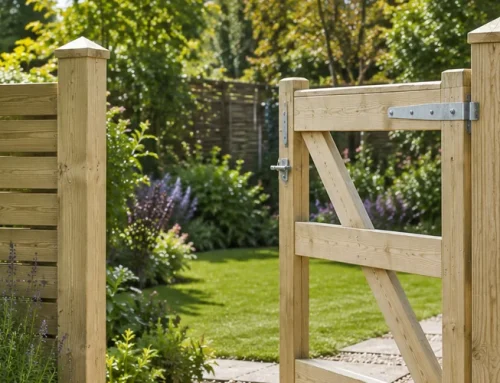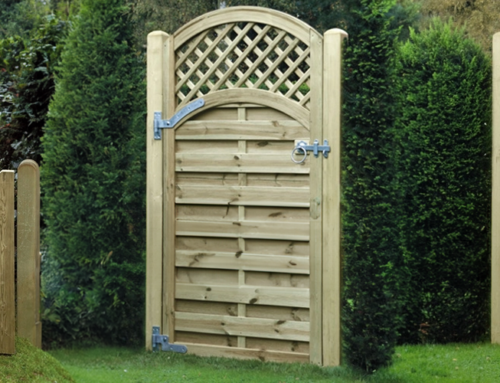

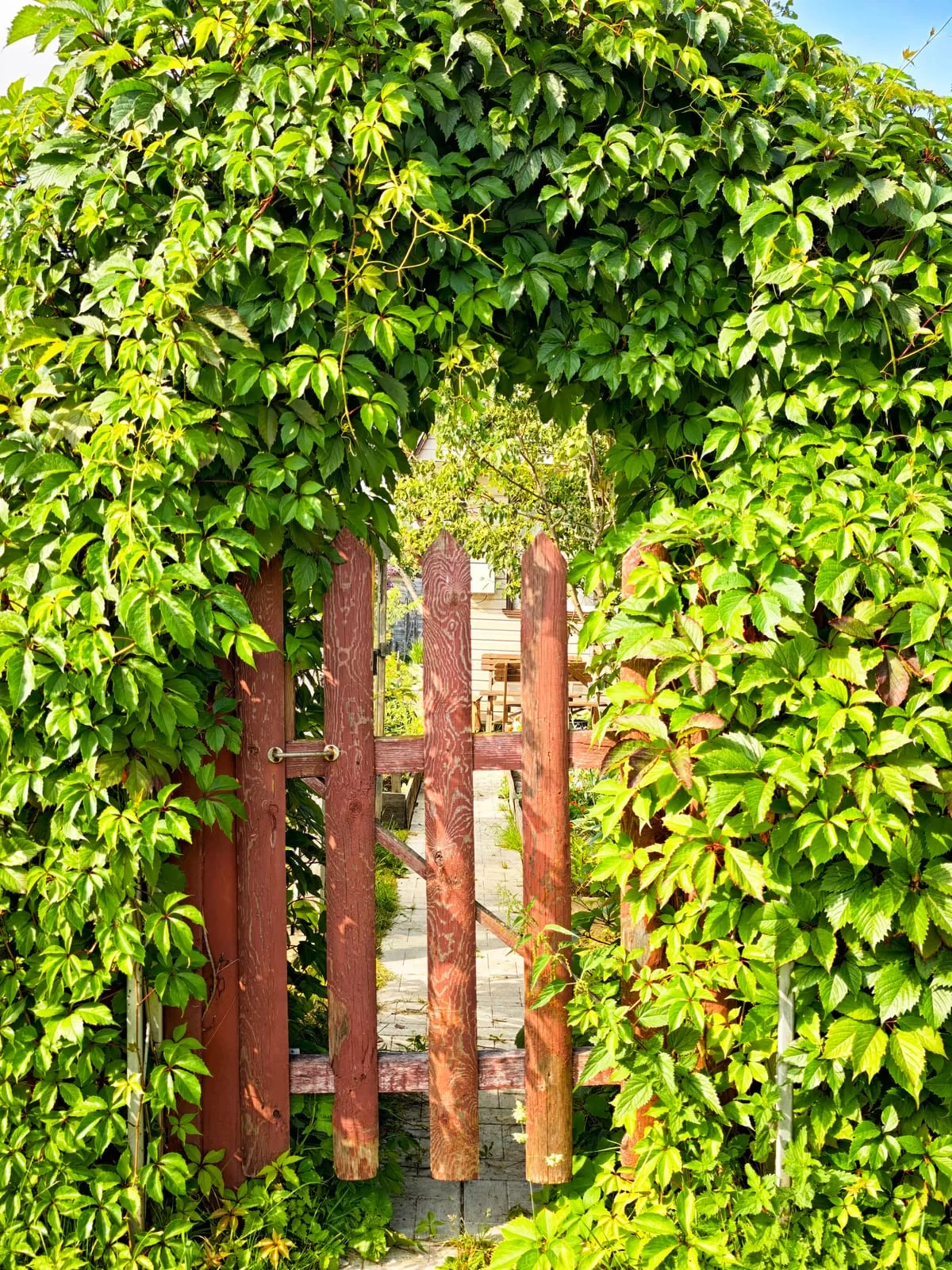
A garden gate takes a lot of punishment from rain, frost, UV, and constant use. With a little regular attention, though, a quality timber gate can look great and function perfectly for decades. This guide walks you through practical, year-round care to keep your gate in tip-top condition, ensuring that the first impression of your garden remains inviting as the seasons change. We’ll weave in concepts like traditional garden gates, decorative garden gates, decorative fence panels, fence posts, and 6ft fence panels to give you a complete picture of your fencing decisions.
The value of a well-maintained timber gate
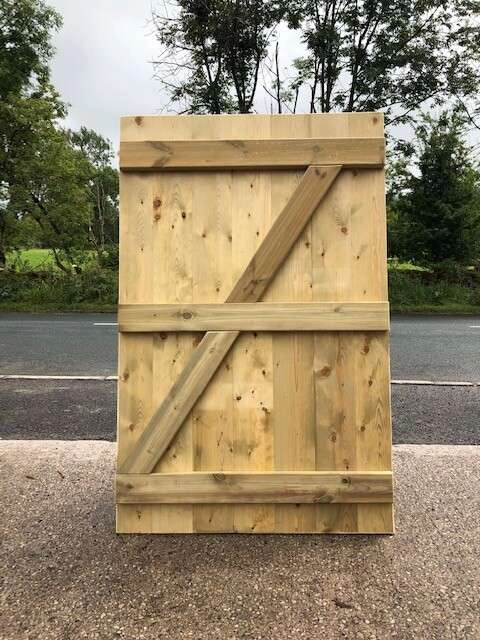
Timber gates are both functional and decorative, providing security, privacy, and curb appeal. The key to longevity is proactive maintenance rather than reactive fixes. By committing to a simple annual routine and timely mid-season checks, you can dramatically extend the life of your gate and preserve its appearance. In this article, we’ll cover cleaning, hardware checks, re-treating the timber, ensuring a proper fit, winter considerations, and where to source quality components.
Annual cleaning – removing dirt before it causes damage
Cleaning should be part of your yearly spring routine. A good clean with warm soapy water and a stiff brush helps remove built-up dirt, algae, and mildew that, if left unchecked, can accelerate timber degradation.
- Start with a light rinse to remove loose debris.
- Scrub with warm water and a mild detergent using a stiff brush.
- Rinse thoroughly and allow the gate to dry completely before applying any finishes.
This process not only improves appearance but also prepares the surface for re-treatments. Pay special attention to the end grain at the bottom of the gate, as moisture tends to enter most readily there. Keeping this area clean will reduce the likelihood of moisture-related swelling and decay.
Check the hardware – hinges, latches, and fixings
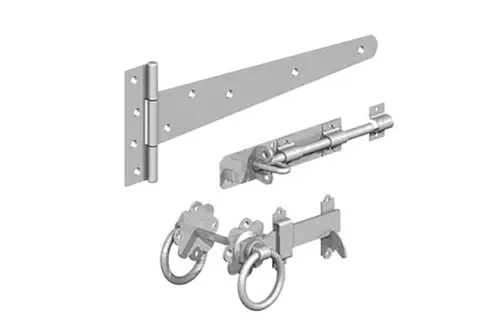
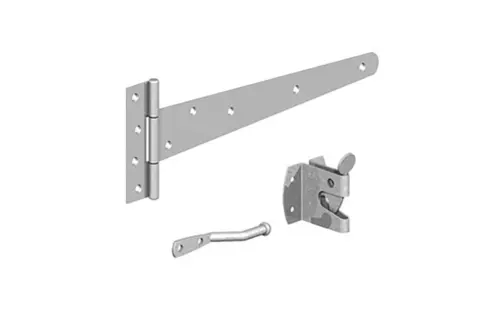
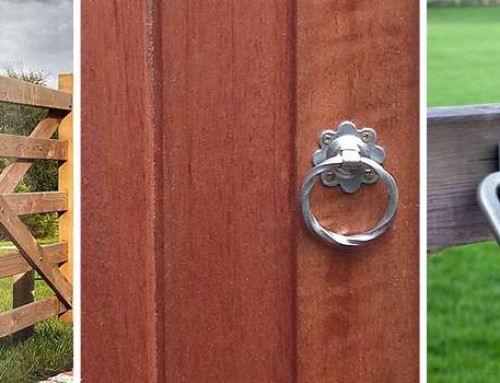
Hardware is often the first casualty of regular use and the elements. A thorough annual hardware check can prevent costly fixes later.
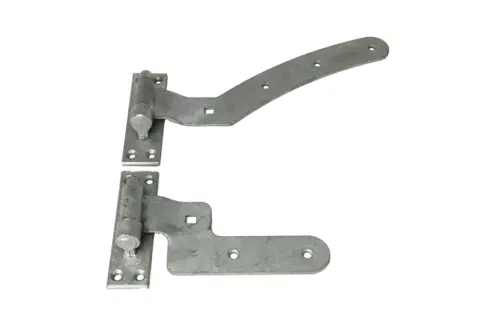
- Inspect hinges for rust, looseness, and wear.
- Tighten any loose screws and replace rusty fixings with stainless steel or brass equivalents to resist corrosion.
- Lubricate moving parts with a suitable oil to ensure smooth operation and quiet closing.
- Check latches, keepers, and any adjustable components for wear and alignment.
If you notice hardware binding or sticking, address it promptly. A small adjustment now can avert misalignment that could cause the gate to rub or fail to close properly.
Re-treat the timber – protection against the weather
Weather exposure eventually wears down timber finishes. Bare or weathered timber should be treated every one to two years with a quality timber preservative, stain, or paint.
- Choose a product suitable for exterior timber and UV protection.
- Ensure the gate is clean and dry before applying any finish.
- Apply according to the manufacturer’s instructions, usually in thin, even coats for best absorption.
- Pay particular attention to the end grain and any joints, as these areas are more vulnerable to moisture ingress and cracking.
A robust finish not only enhances colour and grain but also forms a protective barrier against rain, frost, and sun. Re-application timing may vary based on climate, exposure, and gate orientation (south-facing gates may need more frequent re-treatments).
Check the fit – addressing sag, clearance, and alignment
Gates can drop over time as the ground settles or hinges wear. When a gate starts catching on the ground or no longer closes cleanly, it’s usually a quick job to adjust the hinge or fit a new catch.
- Inspect the hinge alignment and the gate’s vertical position.
- If it rubs the ground, adjust the hinge screws or top hinge height to restore proper clearance.
- Check the latch alignment with its striker plate; ensure the gate latches securely without forcing.
- If the gate has sagged noticeably, you may need to shim the hinges or replace worn hanging components.
A well-fitted gate not only looks better but also reduces wear on hinges and fixings, extending overall life.
Winter considerations – coping with wet and swollen gates
In winter, during prolonged wet or frosty periods, it’s worth leaving gates open slightly rather than forcing them shut if they’ve swelled. Forcing a swollen gate can stress joints and fixings unnecessarily, leading to cracks, splits, or misalignment when the timber dries again.
- Monitor swelling after heavy rain or thaw periods.
- If possible, leave the gate ajar just enough to prevent constriction.
- Ensure the gate foundation and strike plate accommodate seasonal movement.
A little foresight during freezing or damp spells can prevent long-term damage and misalignment.
Sourcing quality components – what to look for
Empress Fencing stocks a full range of gate hinges, latches, and fixings, as well as traditional and decorative timber gates for every garden style. When selecting hardware and timber treatments, consider:
- Stainless steel or corrosion-resistant fixings for longevity.
- Durable exterior-grade stains or paints with UV protection.
- Finishes that suit your climate and aesthetic, from traditional to contemporary.
Consistent use of reliable components reduces maintenance frequency and ensures your gate remains functional year after year.
A garden gate, when cared for with a straightforward routine, can be a long-lasting feature that enhances your outdoor space. Regular cleaning removes damaging buildup, robust hardware checks prevent early failures, timely re-treatments protect the timber, and careful attention to the gate’s fit ensures smooth operation. By planning for winter and selecting quality materials, you can enjoy a gate that continues to look great and function perfectly for decades. If you’re ever unsure, consult a specialist or your local supplier for guidance on the best products for your specific timber species and climate, ensuring your garden gate remains a dependable, attractive entrance to your outdoor haven.