
If you’ve ever price-checked timber for outdoor use, you’ve probably seen the term “pressure-treated.” It’s common on 6ft fence panels, sleepers, and decking, but what does it actually mean, and why should you care? This post explains the process, the protections it provides, and how to choose the right timber for your project. We’ll also touch on practical maintenance so you get the most life from your timber investments.
What does pressure treatment mean?
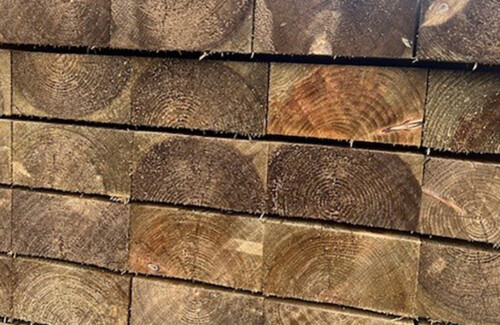
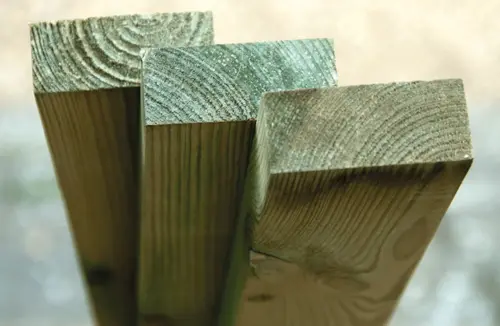
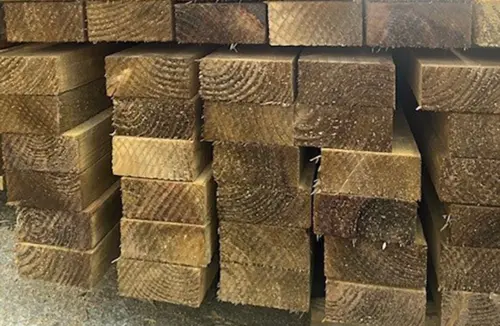
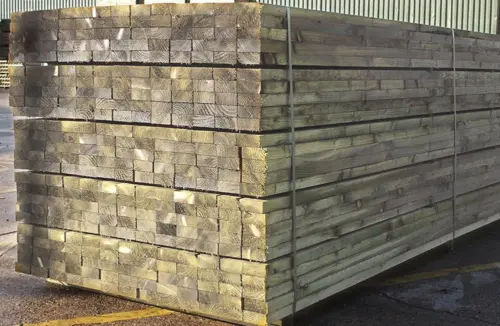
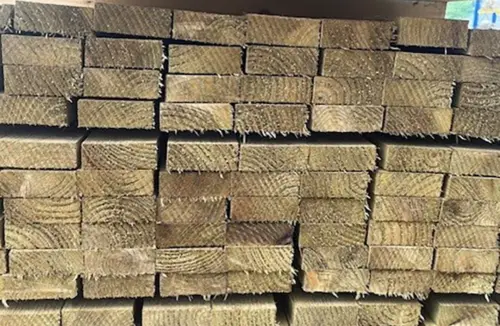
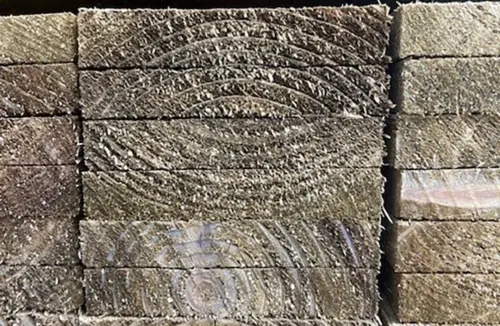
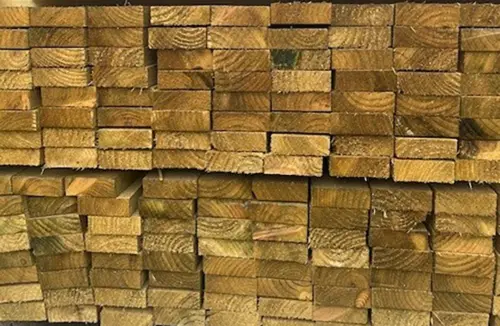
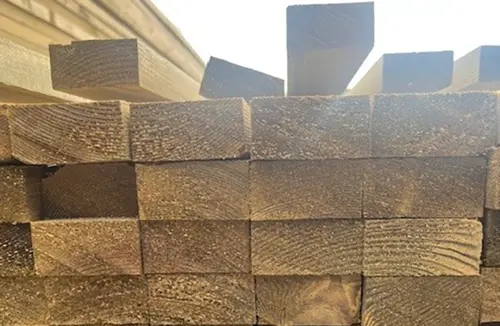
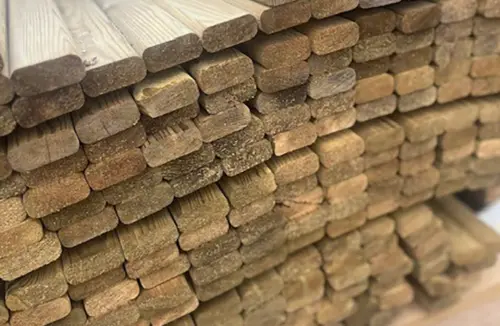
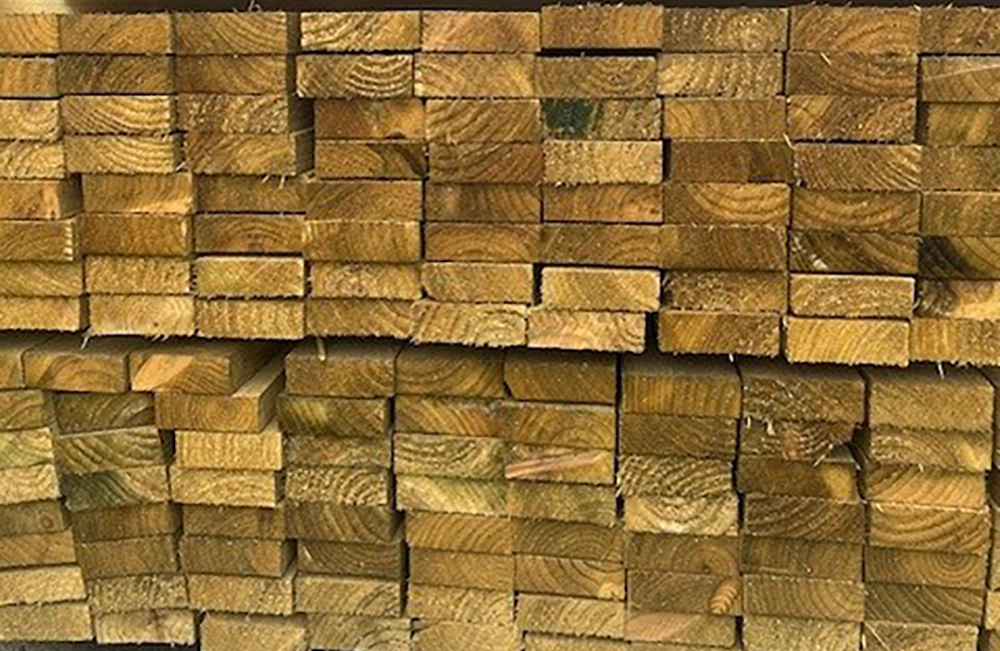
Pressure treatment is a manufacturing process where preservative chemicals are forced deep into the timber under pressure inside a sealed chamber. Unlike surface treatments that you brush on, pressure treatment penetrates the full depth of the wood, or close to it, giving protection from the inside out. This is especially important for outdoor timber, which faces constant exposure to moisture, fungi, and insects.
In the world of outdoor carpentry, you’ll often see labels like UC3 and UC4. These codes indicate the use class and the level of protection required. For fence posts that go into the ground, UC4-rated treatment is recommended because the timber is in contact with soil and moisture. For panels that sit above ground, UC3 is typically sufficient. The classification helps ensure you’re selecting timber that’s adequately protected for its intended use.
What does pressure treatment protect against?
The two main threats to outdoor timber are moisture-driven rot (often caused by fungal attack) and insect damage. Pressure treatment targets both:
- Rot prevention: Treated timber contains preservatives that inhibit fungal growth and reduce the rate at which wood decays when wet. This is crucial for posts, sleepers, and any timber buried in damp soil.
- Insect resistance: Many of the preservatives deter wood-boring insects and termites, reducing the likelihood of structural compromise over time.
Because the preservative is embedded throughout the wood, the protection isn’t just a surface coating. The entire cross-section can resist decay, which is essential for long-lasting outdoor structures.
How long does pressure-treated timber last?
A properly pressure-treated fence post used in ground contact should last roughly 15–25 years or more, depending on soil conditions, climate, and maintenance. That’s a significant improvement over untreated timber, which might begin to rot within five years in typical garden or fencing environments.
Several factors influence longevity:
- Ground conditions: Poor drainage or very wet soils increase exposure time.
- Climate: Higher humidity and more freeze-thaw cycles can affect wood more aggressively.
- Pretreatment quality: The depth of preservative penetration and the specific chemicals used matter.
- Maintenance: Panels and above-ground timbers benefit from periodic staining or sealing; buried sections rely primarily on the initial treatment.
Do you need additional treatment?
- Panels and above-ground timber: An additional application of fence stain or preservative treatment can improve appearance and extend life, especially in harsh climates or sun-exposed locations.
- Timber in ground contact (posts, sleepers): The pressure treatment does the heavy lifting for the buried portion, so typically no extra treatment is required for the portion below ground. However, applying a protective finish to any above-ground portion can help reduce surface checking and weathering.
When planning a project, consider your environment and the use-class recommendations. For example, UC4-rated posts are a sensible choice for fence posts that go into the ground, ensuring you’ve selected timber with the appropriate protection for soil contact.
Why choose pressure-treated timber for different components?
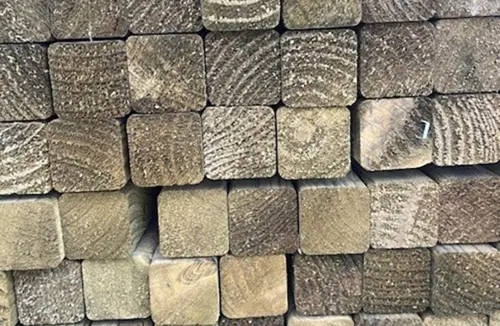
- Fence posts: Given their role in anchoring structures and being partially buried, UC4 pressure-treated timber is recommended. This maximises longevity in ground contact and minimises maintenance over time.
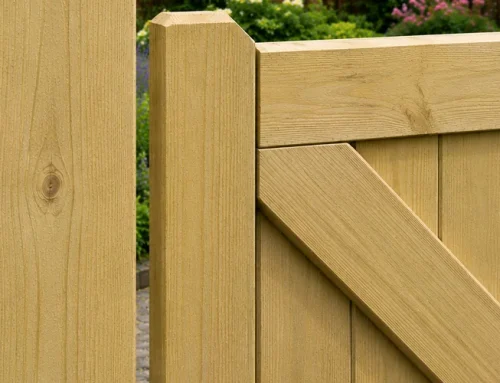
- Panels: Above-ground panels can often be UC3, offering robust protection without high cost. If you expect high exposure to sun or moisture, or if you prefer extra assurance, opting for UC4-treated panels is still a viable choice.
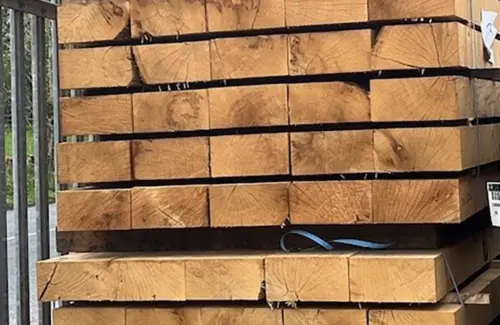
- Sleepers and decking: Decking boards see weekly moisture exposure and UV exposure. Pressure-treated decking is common, and many homeowners opt for higher-grade treatments or additional finishes to maintain colour and resistance to wear.
At Empress Fencing, all our fence posts and most of our structural timber are supplied pressure-treated as standard. This aligns with a practical approach: you gain longer service life with less frequent replacement, and the structural integrity remains reliable through years of outdoor use.
Practical tips for maximising the life of pressure-treated timber
- Choose the right use-class: Match UC3 for above-ground panels and UC4 for ground-contact posts. If in doubt, opt for UC4 for peace of mind.
- Stain or seal above-ground surfaces: While the buried portion is well protected, the exposed areas benefit from a UV-stable stain or sealant. Reapply according to product guidelines, typically every 2–3 years.
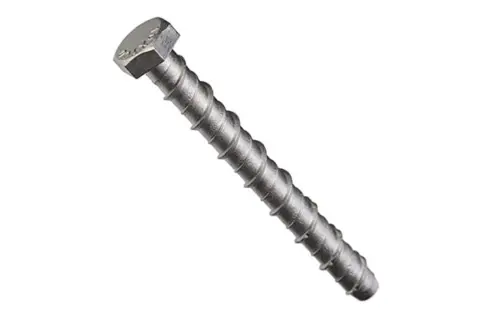
- Ensure proper installation: Provide adequate drainage around posts, use non-corrosive fasteners, and avoid direct soil contact with metal components where possible to prevent accelerated decay.
- Inspect regularly: Check for soft spots, cracking, or mould growth. Address issues early to prevent larger structural problems.
- Consider environmental factors: In coastal areas or regions with heavy rainfall, you may want to invest in higher-performance preservatives or more frequent maintenance.
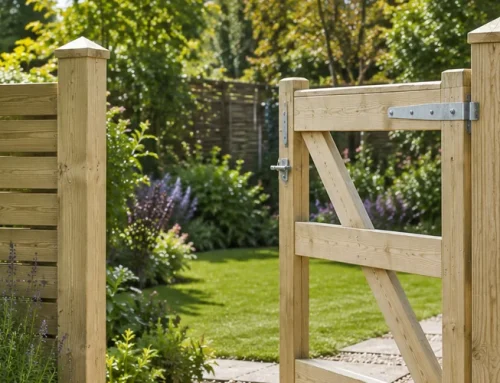
Pressure-treated timber offers a practical, long-lasting solution for outdoor projects like fence posts, panels, sleepers, and decking. By understanding what pressure treatment is, why it matters, and how to select the right use-class, you can make informed decisions that save time, money, and hassle in the long run. Whether you’re building a traditional garden gates, a decorative garden gates, decorative fence panels, or a sturdy fence post that will anchor your garden for decades, pressure-treated timber provides dependable protection from rot and insects, especially when you follow sensible maintenance practices. If you’re planning a project, consider opting for pressure-treated timber as standard, your future self will thank you.