
A garden gate does more than just open and close; it sets the tone for your whole garden. From security to curb appeal, the gate you choose can influence how visitors perceive your outdoor space and how you interact with it every day. In this post, we’ll walk through practical steps to select the right garden gate, with a focus on function first, style alignment, and long-term maintenance. By the end, you’ll have a clear framework for picking a gate that complements your home and fits your lifestyle.
Start with the Purpose
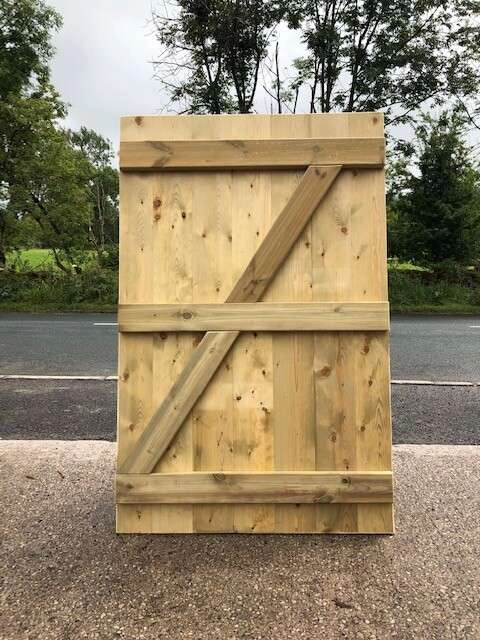
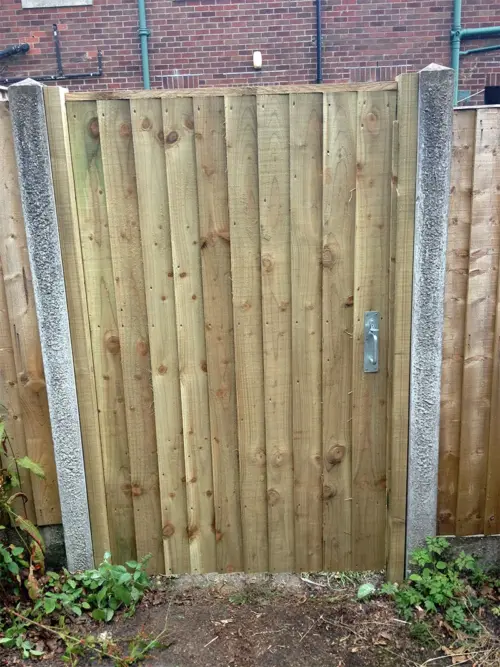
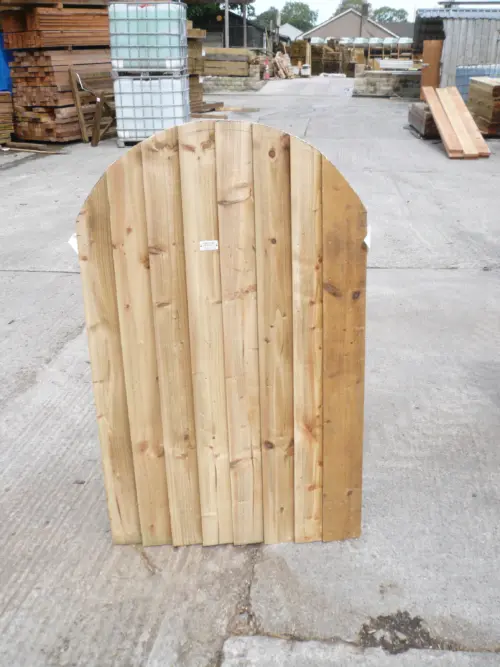
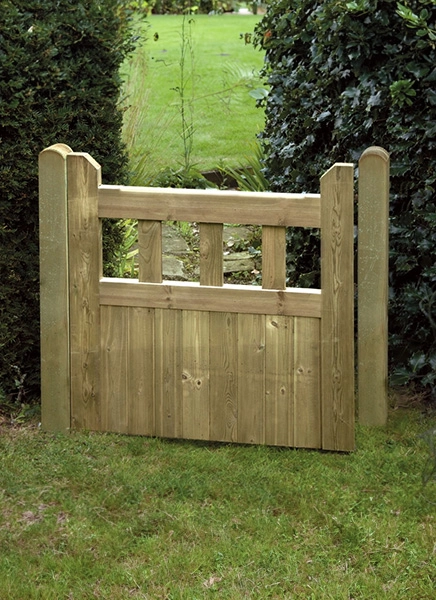
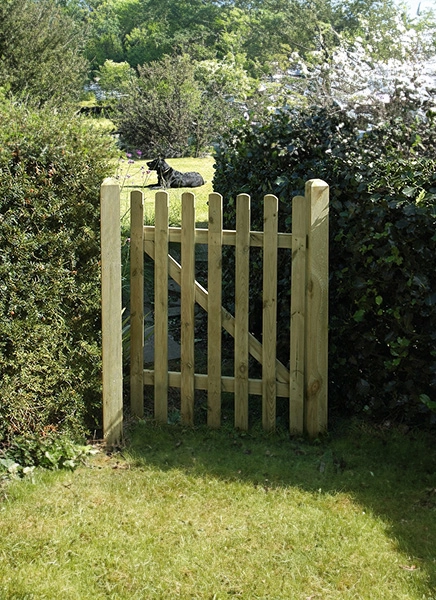
Before you pick a gate based on looks, think about what you actually want it to do. A side gate that provides security between the front and back of the house has different requirements from a decorative gate that marks a garden path entrance. Security gates should be close-boarded with no gaps to climb through and fitted with a lockable latch. Decorative gates can afford more open designs while still offering a welcoming entry. This function-first mindset ensures you don’t over- or under-specify, and it helps you shortlist options quickly.
When you start with a function, you also set expectations for materials, hardware, and installation. Do you need extra-wide access for wheelbarrows or a mowing machine? Will you rely on the gate for privacy, or mainly as a visual boundary? Answering these questions at the outset makes the rest of the process much smoother.
Match the Style to Your Home
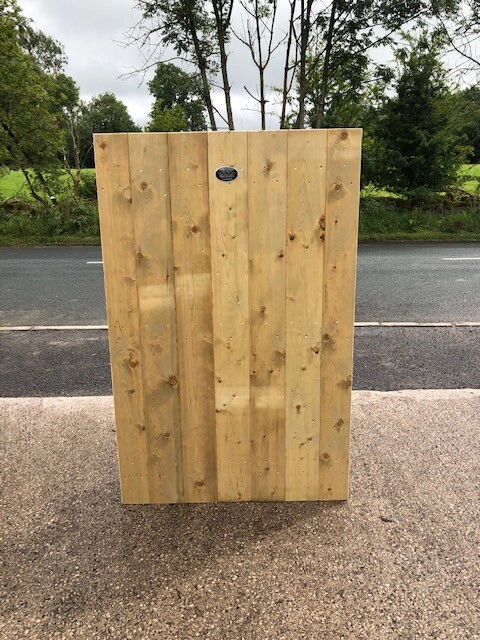
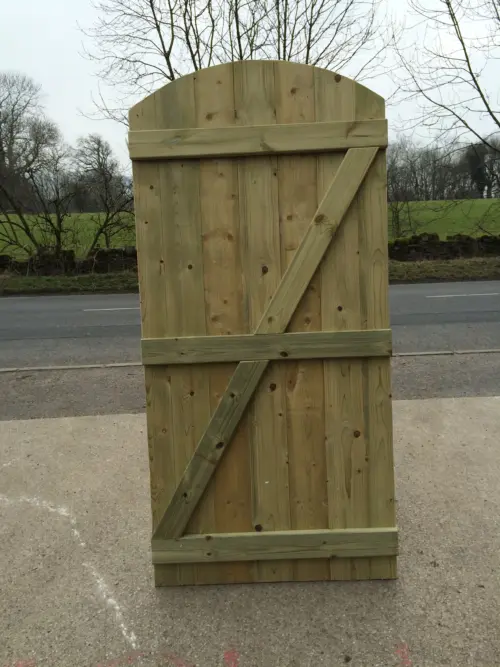
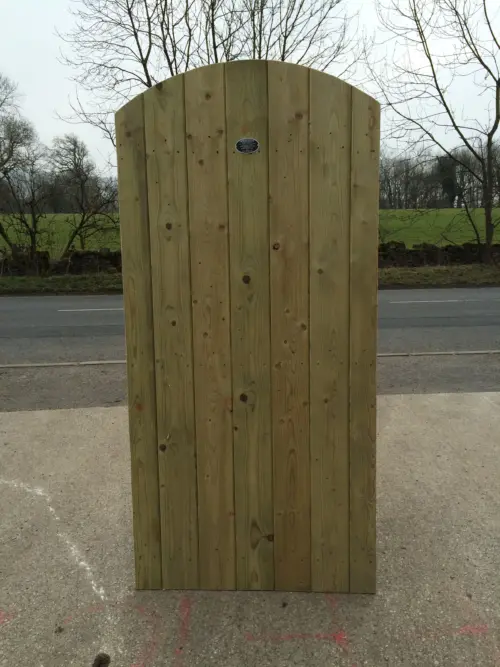
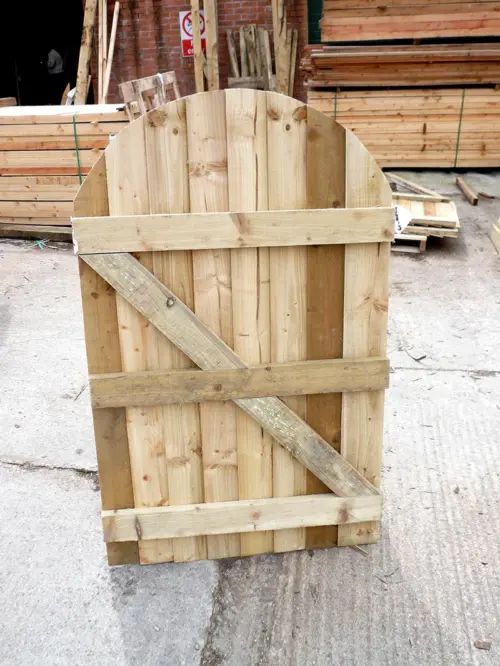
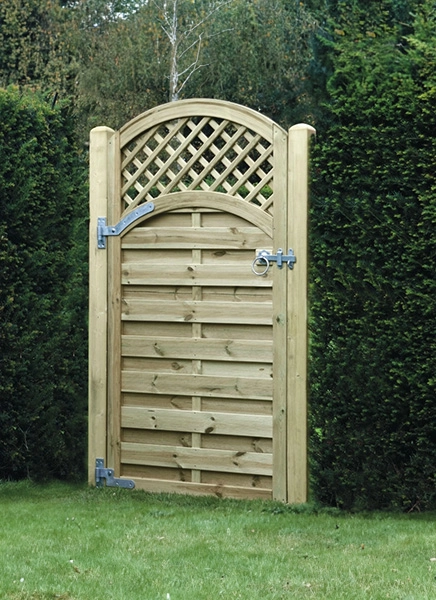
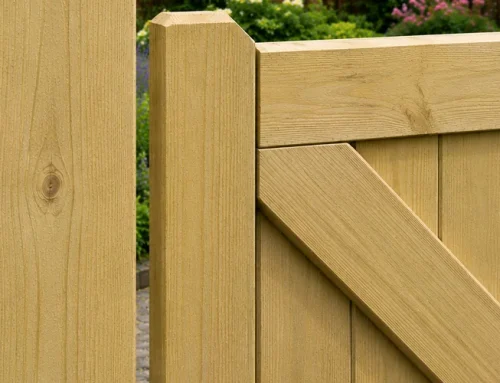
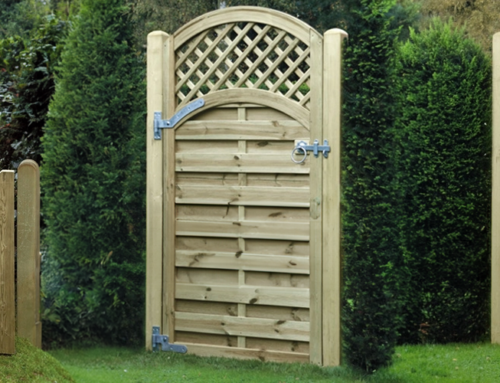
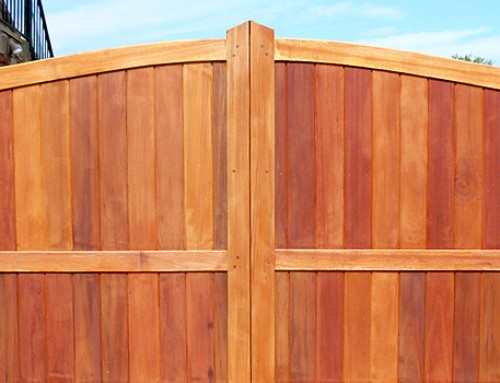
The gate should feel like a natural extension of your property. Traditional homes often look best with timber gates that embody solid construction, perhaps featuring arched tops or simple bracing. The weight and timeless appearance of a traditional timber gate can complement brick, stone, or timber-clad facades, and works nicely with period accents.
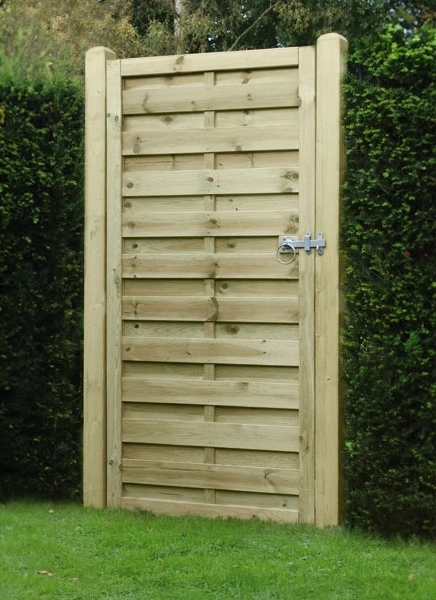
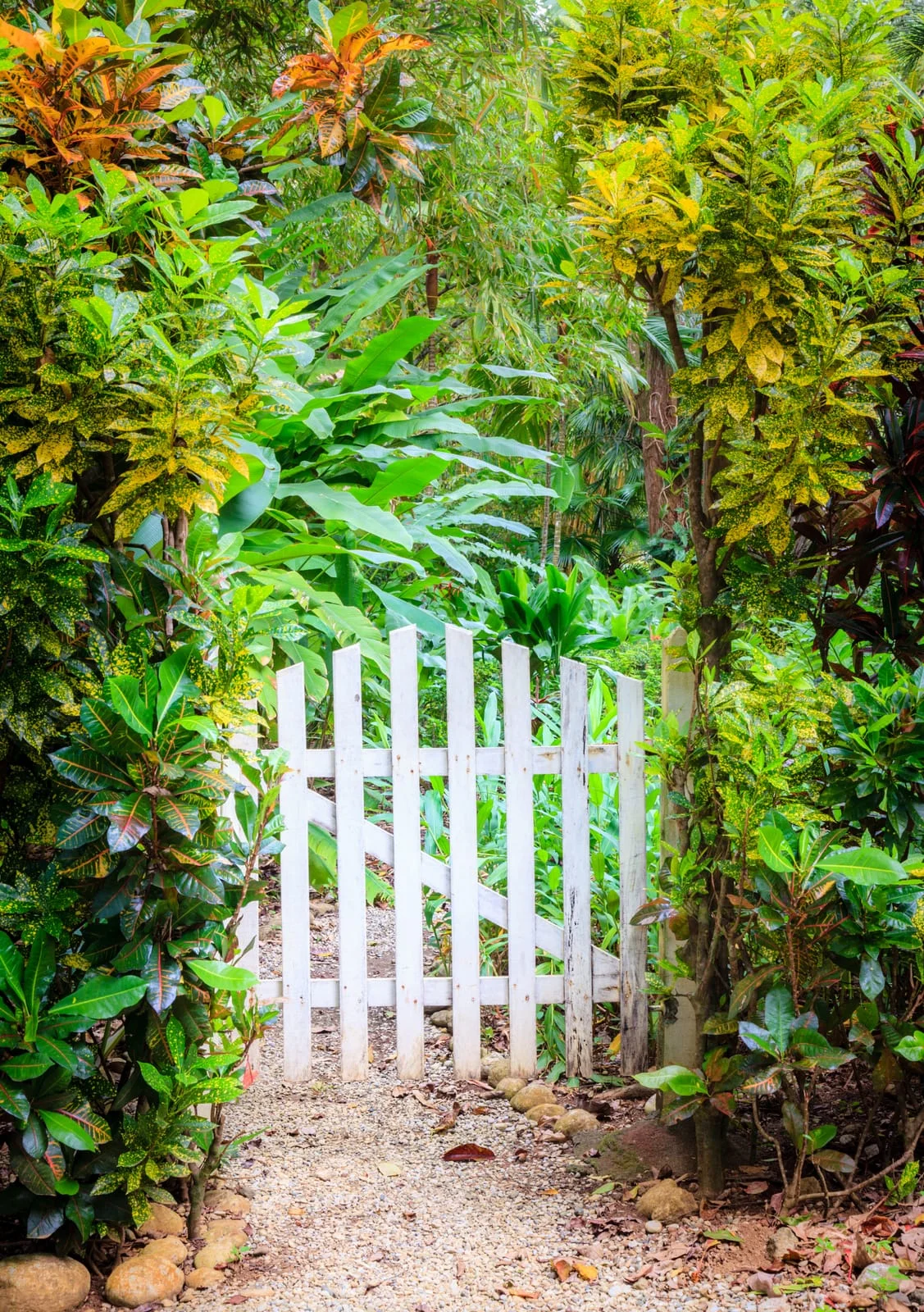
Conversely, more contemporary homes can carry sleeker, flat-framed designs with clean lines. A modern gate can integrate well with minimalist landscaping and metal or composite materials that echo the home’s architectural language. For cottage gardens or properties with a vintage vibe, decorative picket-style gates offer a charming touch that softens boundaries while still guiding guests along a path.
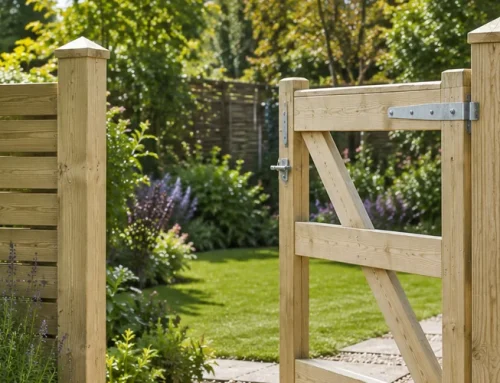
If you want to balance heritage and practicality, consider a hybrid approach: a traditional silhouette with modern materials or hardware that resist the weather and reduce maintenance. The key is to ensure the gate doesn’t clash with the house but instead enhances its character.
Consider the Width and Access Needs
Size matters when you’re choosing a gate. Measure your opening carefully before ordering to avoid awkward fits or rework later. A standard pedestrian gate is typically 0.9 to 1.0 metres wide, providing comfortable passage for people, pets, and everyday garden access. If you need vehicles or large equipment to pass through, you’ll need a double gate with a total width typically ranging from 2.4 to 3.0 metres.
Think about future needs as well. If you anticipate growing families, pet ownership, or regular deliveries, a slightly wider gate may save you from tight squeezes in years to come. If space is constrained but you want the appearance of a larger opening, you can opt for a visually wider gate by using proportionate framing and careful landscaping to draw the eye.
Hardware Matters – Hinges, Latch, and Lock
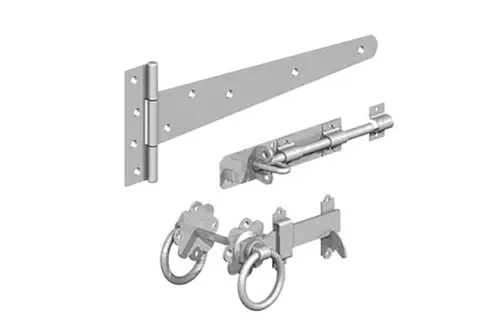
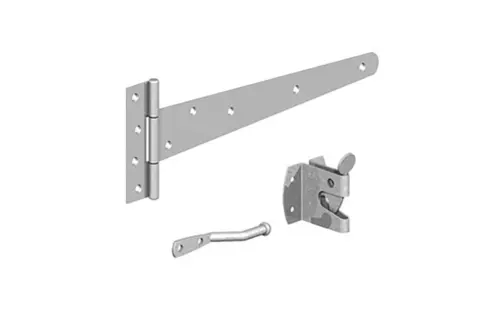
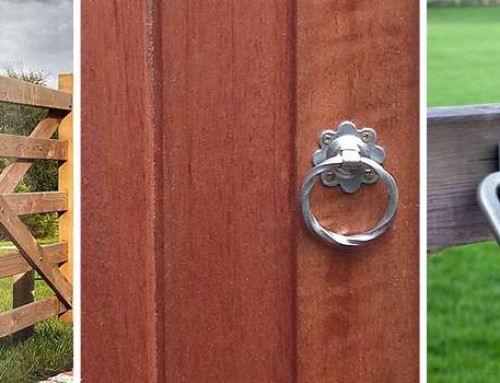
Don’t underestimate the importance of good-quality hardware. The right hinges, latch, and lock can extend the life of your gate and improve daily usability. Stainless steel fixings are preferable outdoors since they resist rust and staining, maintaining a clean appearance for longer.
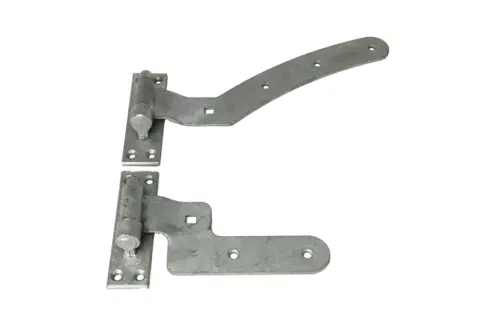
- Hinges: Ensure the hinges are rated for the gate’s weight and material. Heavier gates require heavier-duty hinges, possibly with stainless steel pins or self-closing mechanisms if you want the gate to shut consistently.
- Latch: A reliable latch is essential, especially for security gates. Choose one that’s easy to use from both sides and compatible with the gate’s design.
- Lock: If you require additional security, consider a padlock with weatherproof housing or a mortise lock suitable for exterior use. For high-security needs, consult a professional about integrated locking solutions that won’t compromise the timber or aesthetics.
For decorative gates, you may prioritise visual hardware details, such as reclaimed-style hinges or ornate latches, to enhance character without sacrificing functionality.
Maintenance Expectations
All timber gates require some maintenance, though some options offer lower upkeep. An annual treatment with stain or preservative helps protect against weathering, UV damage, and moisture intrusion. Regular checks of the hardware, hinges, latches, and locks prevent sagging and ensure smooth operation.
If you want something truly low-maintenance, ask about gates that are pre-treated or manufactured from low-maintenance materials such as composite or metal with timber-like finishes. These can offer long-lasting aesthetics with minimal ongoing upkeep. Consider the climate of your area: damp or coastal regions may demand more frequent maintenance or corrosion-resistant hardware.
Practical Tips for Selecting the Right Gate
- Assess your boundary or opening: measure width, height, and clearance. Account for ground slope and potential obstruction from plants or decorative fence panels features.
- Define the level of privacy and security you need: close-boarded designs are excellent for security, while decorative gates can be more open without sacrificing style.
- Choose materials aligned with climate and maintenance tolerance: timber for traditional warmth, metal or composite for durability, or a hybrid for balanced aesthetics.
- Plan for installation: ensure you have a level frame, appropriate post depth, and secure fixing points. If installing yourself, factor in gate weight and hinge alignment.
- Explore complete ranges: look for options that include matching 6ft fence panels, fence posts, and additional hardware to create a cohesive look.
Choosing the right garden gate is a blend of function, style, and practicality. Start with what the gate must do, security, access, or decoration, then match it to your home’s character, the necessary width, and reliable hardware. Regular maintenance will extend the life and beauty of your gate, ensuring it remains a welcoming and secure feature of your outdoor space for years to come. If you’re exploring options, browse a full range of traditional garden gates and decorative garden gates and consider speaking with a specialist who can advise on the right size and hardware for your opening. A well-chosen gate from Empress Fencing can be the finishing touch that ties your garden together, while also delivering everyday convenience and lasting value.