
A timber deck that becomes slippery after rain is a hazard rather than a pleasure, and in a climate like ours that is a real and recurring problem. Good timber decking maintenance is mostly about managing the algae and moss that thrive in damp, shaded conditions, and the good news is that a slip-free deck is entirely achievable with a routine that takes very little time. As a supplier of fencing and timber supplies in Clitheroe, we field this question every summer, because Lancashire delivers exactly the warm, wet spells that let a green film build up fast.
The slipperiness is almost never the timber itself. It is the thin layer of algae, moss or general grime that grows on the surface and turns greasy underfoot when wet. Remove that layer and keep it from returning, and the deck grips properly again.
Why Decking Gets Slippery and How to Stop It
Algae and moss need moisture, shade and an undisturbed surface to take hold, and a north-facing or tree-shaded deck offers all three. A deck in full sun that drains well stays clearer for longer, while one that sits damp under overhanging branches greens up quickly. Understanding that lets you tackle the cause as well as the symptom. Our timber decking range is selected for outdoor durability, but no timber surface is immune to surface growth in the right conditions.
Cleaning the Deck
The core job is a thorough clean. A stiff brush and a suitable deck cleaner lift the green film and the grime trapped in the grain and between the boards. Work along the length of the boards rather than across them, and pay particular attention to the gaps, where debris and moisture collect and feed the growth. Done once at the start of the season and again if growth returns, this single task does most of the work of keeping a deck safe.
Clearing the Gaps and Improving Drainage
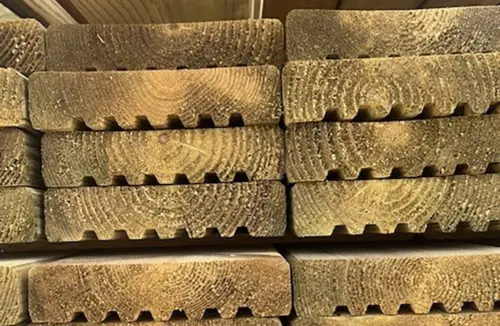
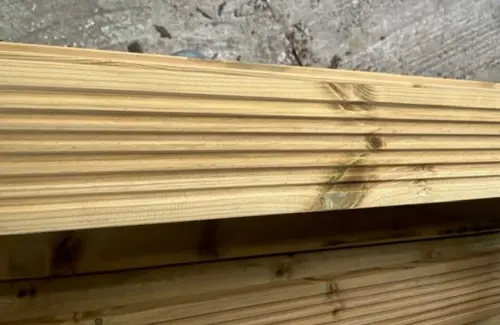
The gaps between decking boards exist to let water drain away, and they only work while they are clear. Leaves, moss and dirt packed into the gaps trap water on the surface, keeping the boards damp and feeding the very growth that makes them slippery. Running a thin tool along the gaps to clear them restores the drainage the deck was built to have. If your deck holds water in places, check that the frame beneath still lets air circulate, as a deck sitting permanently damp will always struggle.
Treating and Sealing
Once clean and dry, a coat of a suitable decking treatment or oil helps shed water and slows the return of algae. Some treatments include additives specifically aimed at resisting surface growth. Treatment also protects the timber from the bleaching and drying that summer sun causes, so it does double duty. The way outdoor timber responds to repeated wetting and drying is the same across all our timber products, and our explanation of how weather impacts timber over time puts the seasonal cycle in context.
Managing the Surroundings
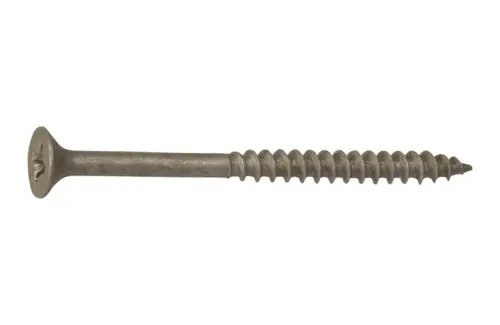
A little gardening helps the deck. Trimming back overhanging branches lets more light and air reach the surface, which dries it faster after rain and gives algae less chance to establish. Keeping the deck swept clear of fallen leaves through autumn pays off the following summer. For boards, fixings and the components to keep a deck sound, our decking supplies range has what a maintenance day calls for.
Timing the Maintenance
When you clean and treat matters as much as how. The ideal window is a dry spell in spring, before the deck sees heavy summer use, when the timber can dry fully between cleaning and treating. Treating damp timber traps moisture and undoes the work, so patience for a genuinely dry surface pays off. A second lighter clean later in the season catches any growth that returns, keeping the deck safe through the months it is used most.
Spotting Boards That Need Replacing
Cleaning often reveals boards that have reached the end of their life, with soft patches, splits or cupping that no amount of treatment will fix. Replacing a tired board promptly keeps the surface even and safe, and a single board swapped out is a quick job. Matching the replacement to the existing boards keeps the deck looking consistent, and our range covers the standard sections so a like-for-like swap is straightforward.
Keeping on Top of It Year to Year
A deck that is maintained little and often stays in far better condition than one left for years and then rescued. A seasonal clean, a periodic re-treat and a quick clear of the board gaps become a habit that takes an hour or two a year, and in return the deck stays safe underfoot and good to look at. The alternative, a green and slippery deck that has to be deep-cleaned and partly rebuilt, is far more work, so the small regular effort is the better investment.
If you need decking cleaner, treatment or replacement boards to keep your deck safe and sound, call us on 01200 449930. We offer free delivery on orders over £150 across all BB postcode areas, so your maintenance materials can arrive in a single order. Catching surface growth early, before it spreads across the boards, keeps a deck safe underfoot and saves the harder work of a full deep clean later in the year.