
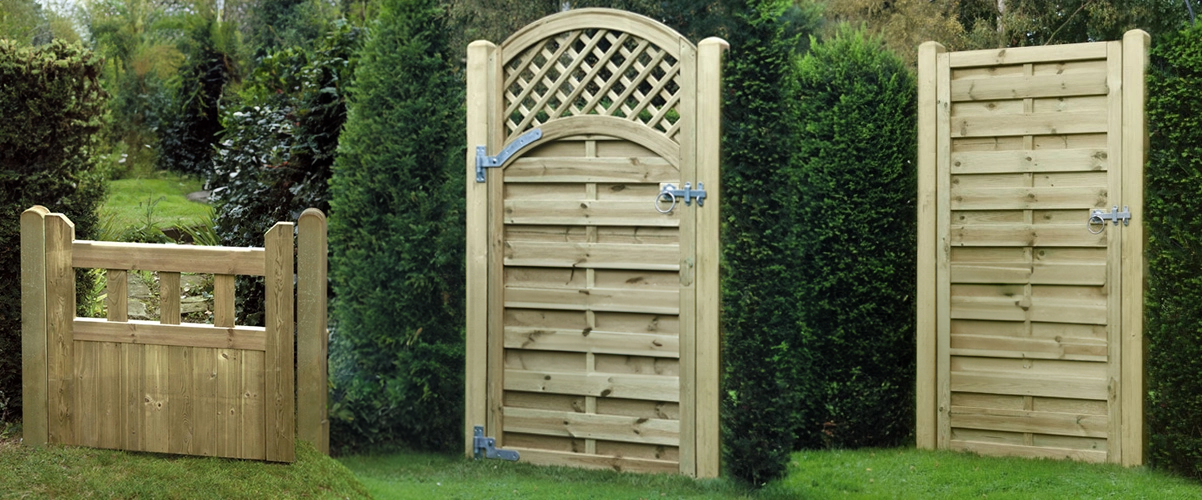
Choosing the correct fence height is one of the most important decisions when planning a new boundary. It affects privacy, security, appearance, and even planning compliance. In most UK residential gardens, 6ft fencing is the standard height for rear boundaries. This provides strong privacy while maintaining a balanced look. For front gardens, regulations typically limit fence height to around 1 metre unless planning permission is obtained. It’s always worth checking local guidance before committing to taller installations. In this post, we’ll explore How to Choose the Right Fence Height for Your Garden, while weaving in practical considerations and design ideas.
Why fence height matters – privacy, security, and aesthetics
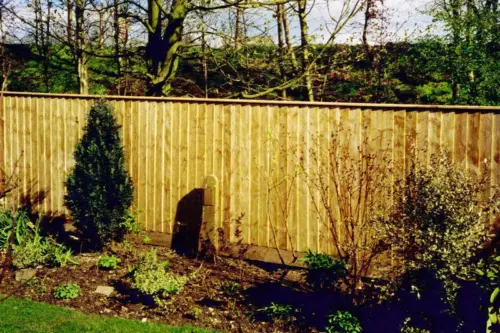
Privacy is often the main reason people opt for higher panels. If your garden backs onto a public footpath or neighbouring property, a 6ft panel provides seclusion and peace of mind. Beyond privacy, the height of your fence contributes to security by creating a physical barrier and a psychological deterrent to intruders. A well-chosen height also affects the overall look of your home, helping or hindering the balance between the house, garden, and street.
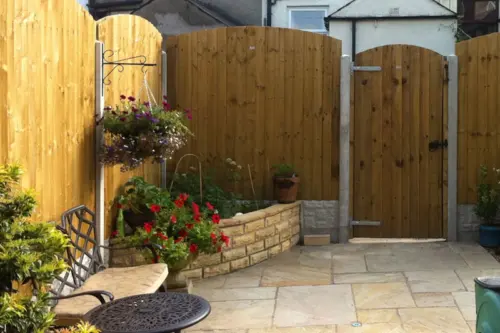
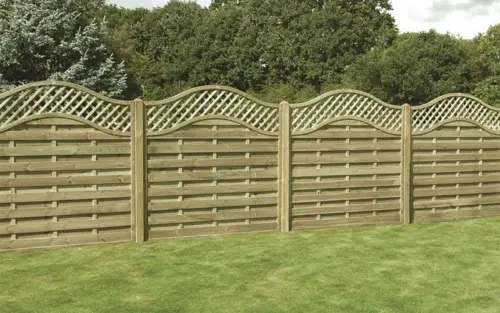
However, height isn’t the only factor. Panel style and positioning matter just as much as height. For example, trellis-topped panels can add additional screening without creating a solid, boxed-in feel. Decorative Garden Gates placed at entrances can complement a taller privacy fence, while still allowing light and air to pass through in a more open way. The style you choose, whether traditional or contemporary, should harmonise with the house’s architecture and the surrounding landscape.
Understanding local rules and practical constraints
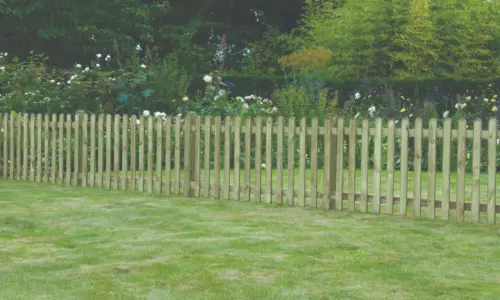
Front garden fencing is often subject to stricter guidelines than rear boundaries. In many parts of the UK, restrictions limit height to around 1 metre in front gardens unless planning permission is granted. Always check with your local planning authority or your homeowners’ association if applicable. Some areas allow negotiation or adoption of standard solutions, such as decorative fence panels or traditional garden gates, to maintain kerb appeal while staying within the rules.
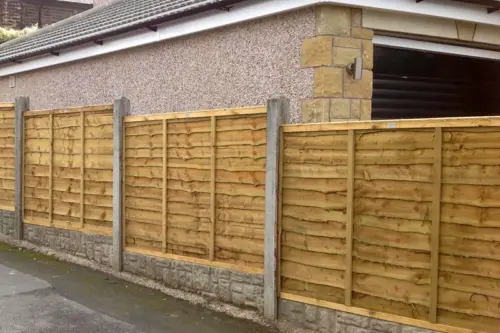
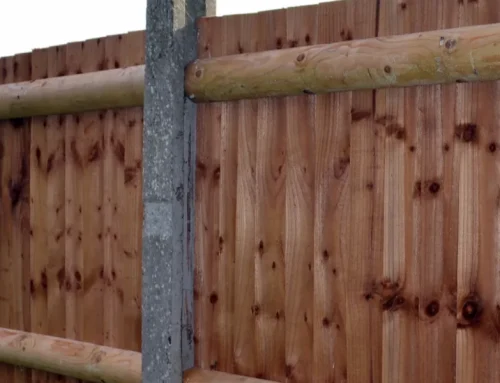
Wind exposure is another important consideration, especially for taller installations. Taller fences catch more wind, which increases pressure on posts and panels. In exposed areas, deeper post installation and stronger materials, such as closeboard fencing or concrete posts, can significantly improve durability. Choosing appropriate post spacing and robust railings helps ensure the fence remains upright through seasonal winds and storms.
Panel styles and how they affect perception and performance
The type of fence panel you select influences both appearance and function. Here are a few common options and what they bring to a garden:
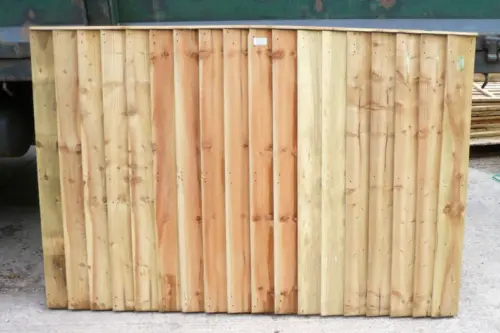
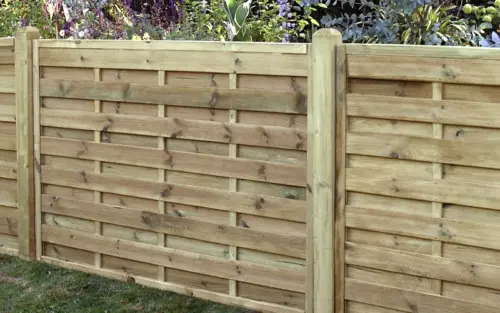
- 6ft fence panels: The classic choice for rear boundaries, offering strong privacy and a substantial look. They’re reliable for deterring casual intruders and providing a quiet retreat.
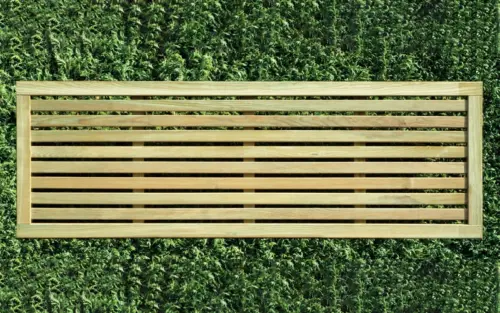
- Decorative Fence Panels: These panels offer a balance between privacy and light, often featuring cut-out patterns or intricate designs that soften a boundary’s appearance.
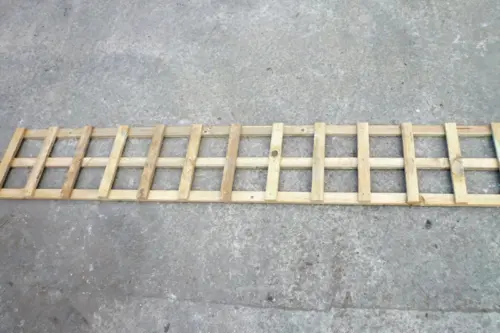
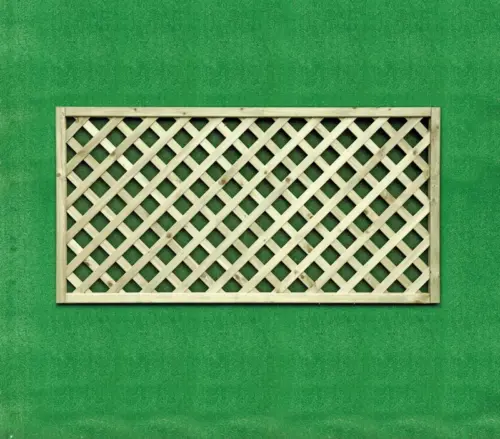
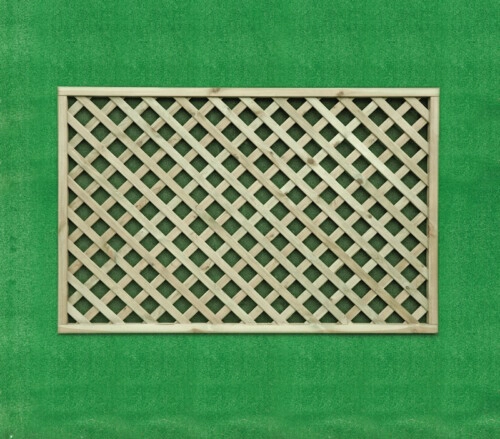
- Trellis-topped panels: A practical compromise that adds screening while allowing light to filter through at the top, preserving a sense of openness.
- Closeboard fencing: Known for durability and strength, ideal for windy, exposed locations and for creating a solid, secure boundary.
- Wooden panels with reinforced posts: A practical choice if you want a sturdy structure that ages well with regular maintenance.
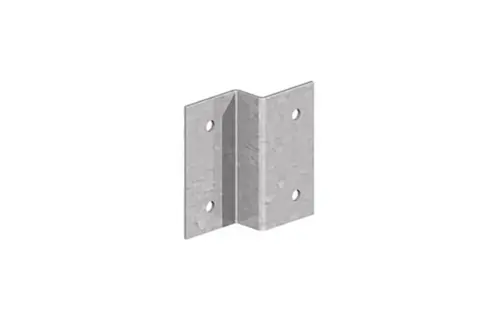
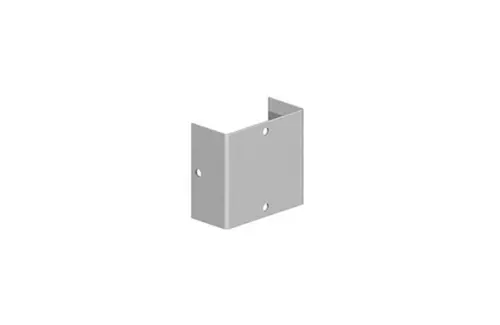
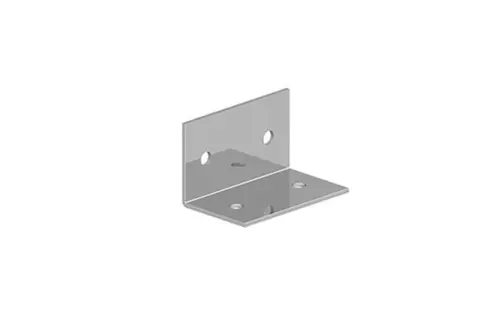
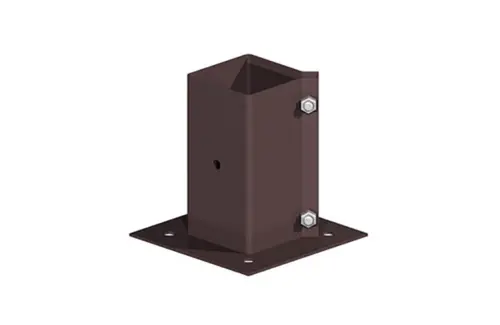
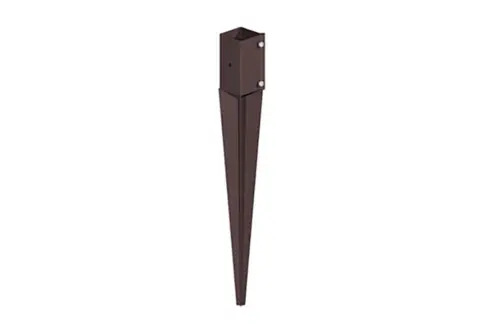
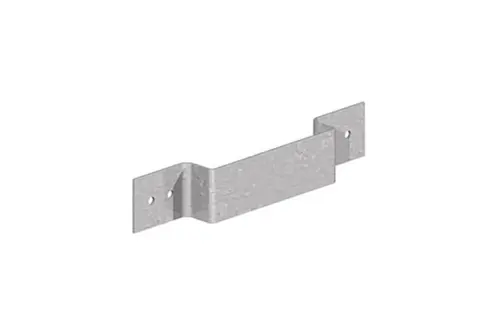
In addition to the panel itself, the hardware matters. Quality fence posts and matching hinges, latches, and fasteners prolong life and reduce maintenance costs. When you’re aiming for a taller installation (for privacy and security), consider using heavier gauge timber or composite options for longevity.
Planning your layout – positioning, gates, and access
Positioning your fence correctly is essential for usability and aesthetics. Consider the following when planning:
- Alignment with property boundaries: Misalignment can lead to disputes or planning issues. It’s worth getting a professional survey or a measured site plan if you’re unsure.
- Gate placement: If you’re incorporating decorative garden gates or Traditional Garden Gates, ensure the gate width allows easy access without compromising privacy. A well-placed gate should be proportionate to the fence height and visible from the street in an attractive way.
- Access for pets and people: If you have pets or children, consider whether you need a taller fence for containment or a lower panel with a secure gate for supervised access.
- Light and air flow: Height can block light to neighbouring properties if you’re planning a high boundary close to a window. This is another reason to weigh trellis-topped options or gaps within decorative panels to maintain a sense of openness.
Maintenance and longevity – keeping your fence looking good
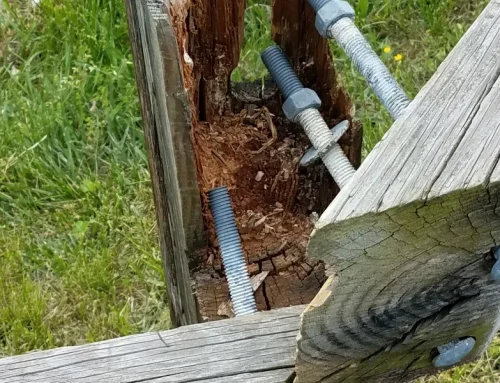
A fence is an investment that needs care to last. Regular maintenance extends the life of your fence posts and panels and keeps its appearance in check. Stain or paint every few years to protect timber from weathering. When you choose 6ft fence panels or taller options, inspect for signs of warping, loose posts, or rotting boards. Treating or replacing compromised sections promptly avoids more costly repairs later.
If your garden is prone to high winds, inspect the posts after severe storms, and consider reinforcement where necessary. In exposed locations, you may opt for thicker panels or alternative materials that perform better in windy conditions. The right maintenance plan helps ensure your fence remains functional and visually appealing for years.
Choosing the right fence height is about balancing privacy, security, and aesthetics with local regulations and practical realities. A typical UK rear boundary often uses a 6ft fence to provide privacy and a balanced look, while front boundaries may be limited to around 1 metre unless planning permission is secured. Remember that height is just one part of the equation; panel style, positioning, and the durability of posts and fixings all contribute to the long-term success of your boundary.
As you plan, ask yourself: what do I want from my exterior space? Is privacy the top priority, or is a lighter, more decorative boundary preferable? Do you need to tolerate wind exposure in your area? By considering these questions and exploring options like decorative fence panels, Decorative Garden Gates, and Traditional garden gates, you can design a boundary that complements your home and stands the test of time. Planning ahead ensures your fencing works for years to come, rather than becoming something you wish you’d done differently.