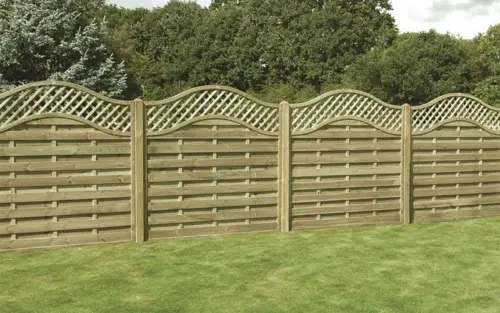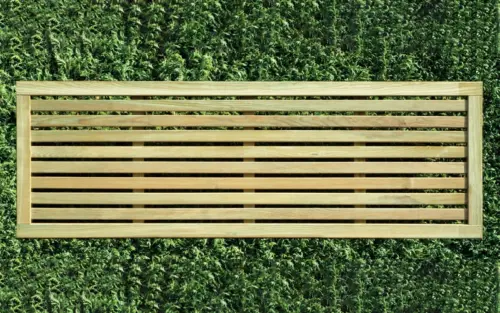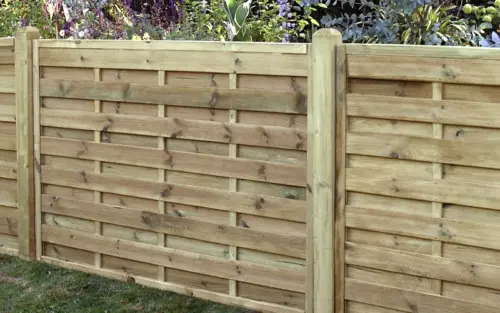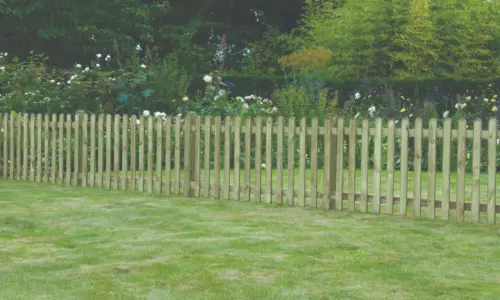

Preserving timber fencing isn’t just about choosing the right timber; it’s about ongoing care that respects the material and the outdoor environment. Pressure-treated timber is designed to withstand outdoor conditions, but that doesn’t mean it should be ignored completely. A little maintenance goes a long way in preserving both appearance and structure. In this post, we’ll explore practical strategies to keep your fence looking good and standing strong, with a focus on airflow, breathable treatments, and regular inspections.
Why airflow matters for timber fences
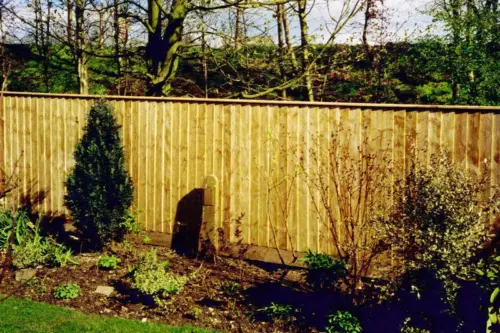
One of the most effective ways to protect fencing is to ensure airflow around it. Overgrown plants, ivy, and soil build-up trap moisture against the wood, accelerating decay. When moisture sits against timber, it invites rot, mould, and warping over time. By maintaining space between the fence and surrounding vegetation and by keeping the base clear, you reduce damp retention and improve ventilation.
Tips to improve airflow:
- Trim back any encroaching plants and remove ivy that clings to the fence.
- Keep soil away from the base of the posts; a small gap or gravel border helps prevent moisture transfer.
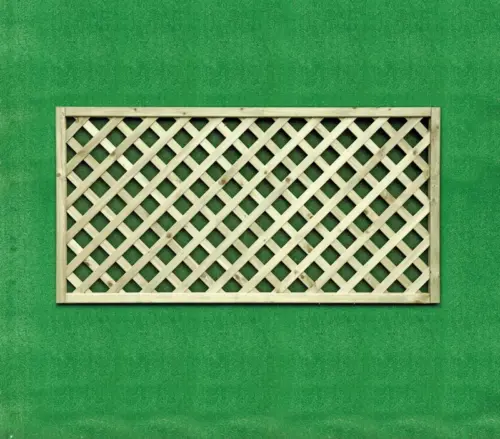
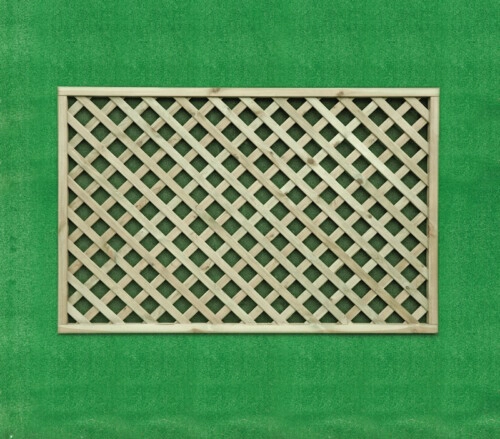
- If you have a decorative garden gate or decorative fence panels, ensure they aren’t tightly packed with foliage that blocks airflow.
- For longer spans, consider installing a modest clearance or edging to create a dry, breathable zone at the base.
Breathable finishes – choosing the right wood treatment
Applying a breathable wood treatment every few years can enhance water resistance and maintain colour without sealing in moisture. When selecting products, look for finishes labelled as breathable or water-repellent but vapour-permeable. These allow the timber to dry naturally after wet periods and reduce the risk of trapped moisture.
Guidelines for choosing a treatment:
- Opt for water-based finishes that offer UV protection to preserve colour and reduce greying.
- Avoid thick sealants that inhibit breathability; the aim is to slow water ingress while permitting moisture escape.
- Test a small, inconspicuous area first to ensure the colour and finish meet your expectations.
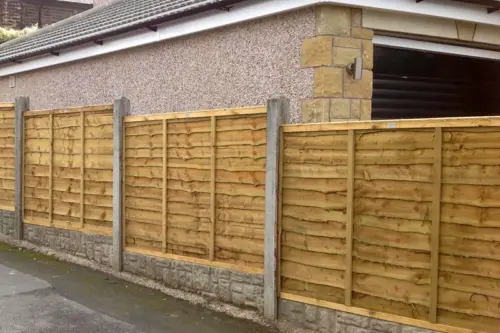
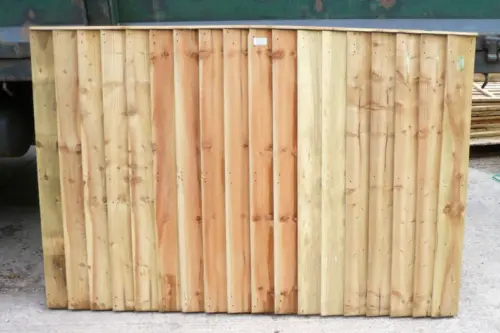
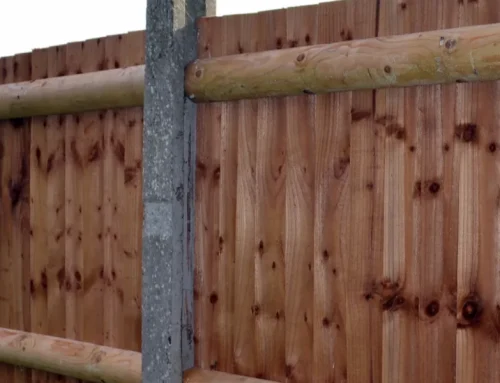
If you’re maintaining a 6ft fence panel setup or any standard height, the goal is uniform absorption of the treatment across all panels and posts to prevent uneven weathering.
Managing base and joints for longevity
The base of fencing is particularly vulnerable to damp and ground contact. Regular maintenance should address joints, fixings, and the bottom edge to prevent early deterioration.
Practical steps:
- Inspect and tighten loose fixings. Loose screws and nails are entry points for moisture and can compromise stability.
- Check posts for movement or tilt, especially after strong winds or ground settlements.
- Reapply a breathable treatment to any newly exposed wood after cleaning or renovation work around the base.
- If there is soil or mulch directly against a decorative fence panel, create a small gap and consider a edging treatment to keep moisture away.
Maintenance schedule – inspections and proactive care
Inspecting your fence at least twice a year helps catch early issues. A regular rhythm makes it easier to address problems before they escalate.
Suggested routine:
- Spring check: after winter, inspect for cracks, gaps, or movement in posts. Re-tighten fixings as needed.
- Autumn check: before heavy rains, review cleaning needs and reapply breathable finish in areas showing wear.
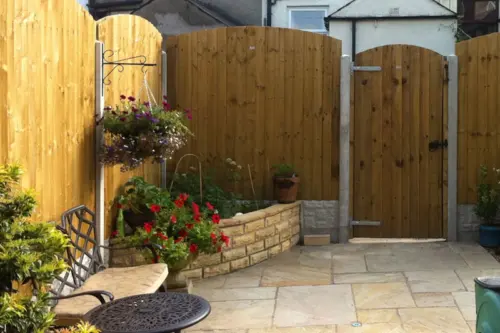
- Keep an eye on decorative elements like decorative garden gates and decorative fence panels; ensure hinges, latches, and supports are secure and functioning.
Early detection saves money and extends life. Look for cracks, loose fixings, or signs of movement in posts. Addressing small problems early prevents costly repairs later.
Cleaning and care without harsh methods
Gentle cleaning helps maintain the appearance without compromising the timber. Use a soft-bristle brush and mild detergent to remove dirt, algae, and grime. Rinse thoroughly and allow to dry completely before applying any treatment. Avoid high-pressure washing that can raise fibres and force water into the wood, which can compromise the timber’s integrity.
When brushing or cleaning decorative features such as decorative garden gates, take care around hinges and metal fittings to prevent rust or coating damage. Dry thoroughly before applying any protective treatment.
Real-world tips for different fence styles
- For a 6ft fence panels setup: ensure even spacing and check the top rails for warping or cracks. A consistent finish enhances the visual appeal and helps uniform moisture management.
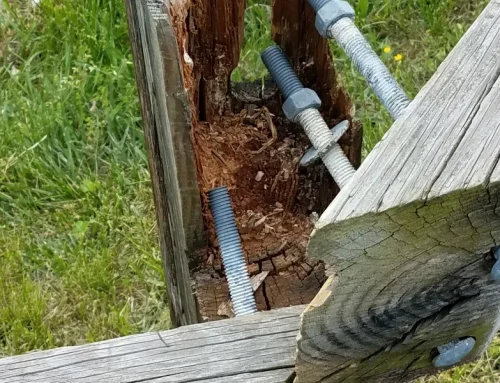
- For timber posts with decorative surrounds: inspect the base where the post meets the ground; check for signs of rot at the post-to-ground interface and reinforce as needed.
- If you have a mixed fence line with various panel styles, treat the timber with a consistent breathable finish across all sections to maintain a cohesive appearance and protection level.
Timber care is not a one-off task; it’s an ongoing practice that pays off through stronger structures and better aesthetics. Pressure-treated timber is inherently resilient, but neglecting airflow, moisture management, and regular inspections can shorten its lifespan. By keeping the base clear of soil and vegetation, choosing breathable wood treatments, and staying on top of maintenance checks, you’ll extend the life of your fence, gates, and panels.
Ultimately, the goal is a fence that not only looks good but performs well year-round. By integrating these Timber Care Tips to Protect Your Fence Year-Round with attention to detail around fence posts, decorative fence panels, decorative garden gates, and standard 6ft fence panels, homeowners can ensure their outdoor boundaries stay sturdy, attractive, and weather-resistant for many seasons to come.