
When your property is exposed to strong winds, fencing choice becomes critical. The wrong design can act like a sail, catching gusts and transferring wind pressure to the posts and panels. This makes selecting the right fence not just an aesthetic decision but a matter of long-term stability and cost efficiency. In this guide, we’ll explore practical options, including solid panels, closeboard fencing with concrete posts, and slatted designs, along with important installation tips such as post depth. We’ll also weave in ideas for decorative elements like decorative garden gates and decorative fence panels to help you balance form and function.
Why wind matters for fencing
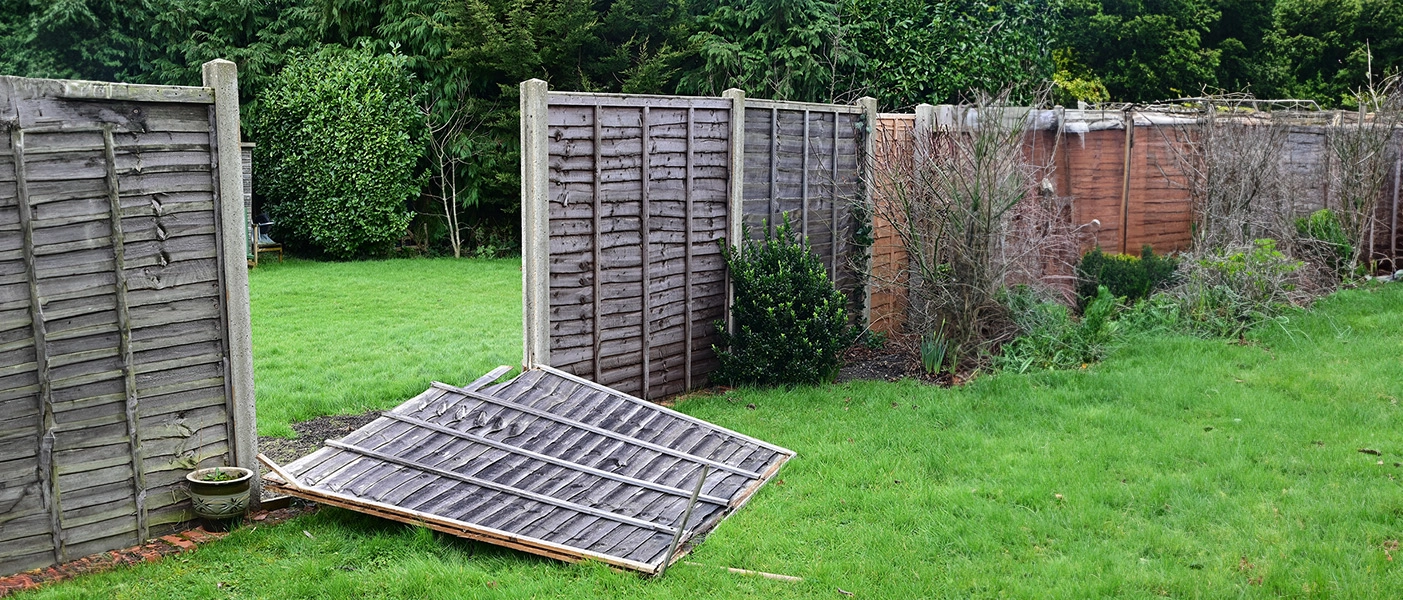
Wind is a constant force that can significantly impact fencing structures, especially in exposed locations. Solid panels are particularly prone to catching wind, which increases the load on each post and can lead to premature failure if the system isn’t designed to cope with it. In contrast, designs that allow wind to pass through can dramatically reduce the overall force exerted on the boundary. Understanding this dynamic is the first step to Choosing the Right Fence for Windy Areas.
Key takeaways:
- Windy environments demand fences with robust support and well-anchored posts.
- The balance between privacy, aesthetics, and wind performance should guide your choice.
- Proper installation, including concrete posts and sufficient post depth, is essential for longevity.
Solid panels vs. wind-pass designs
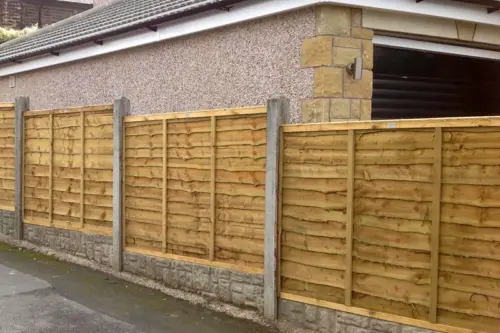
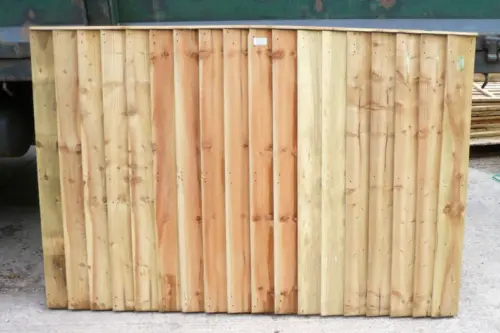
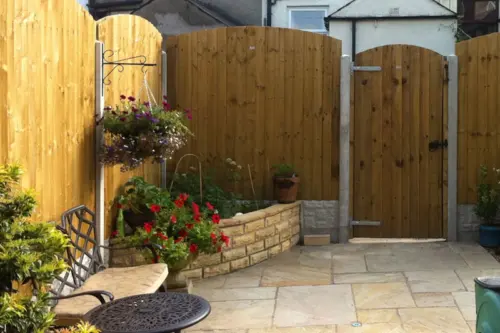
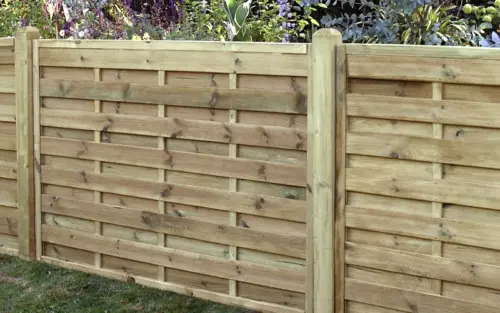
When considering solid panels, it’s important to recognise their advantages and drawbacks. Solid panels offer privacy and a clean, uniform look, and they can be highly decorative when paired with thoughtful gate designs. However, in exposed conditions, they can catch the wind like sails. To mitigate this, you might use them in combination with sturdy posts and adequate footing, or pair them with a supporting framework that distributes load more evenly. In some cases, a closeboard fencing system with reinforced concrete posts provides added stability because the weight and rigidity help resist bending and movement.
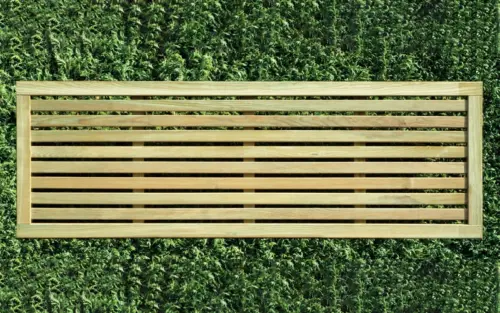
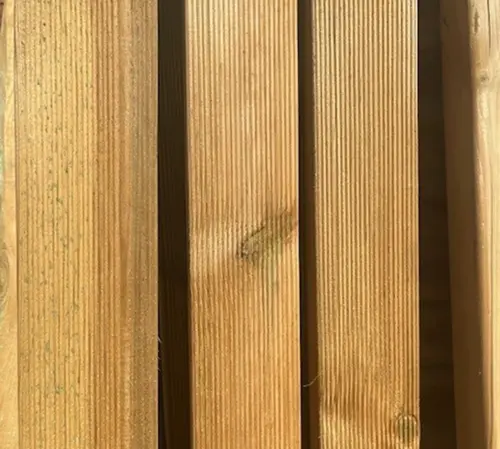
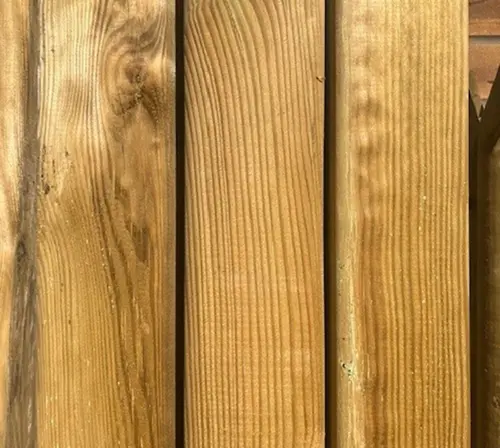
On the other side of the spectrum, wind-pass designs such as slatted fencing offer a practical solution for areas with strong gusts. Slatted panels allow air to flow through, reducing the overall wind pressure on the fence. This can minimise the risk of posts pulling from the ground or panels cracking under stress. If privacy is a concern, you can opt for narrower slat spacing or mix slatted sections with decorative elements to maintain a level of seclusion while preserving wind flow.
Closeboard fencing with concrete posts: high stability
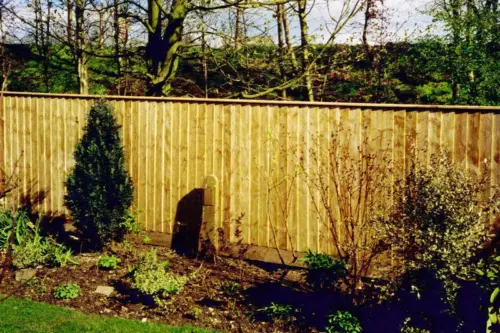
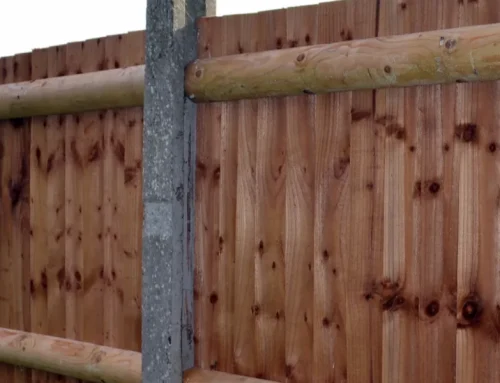
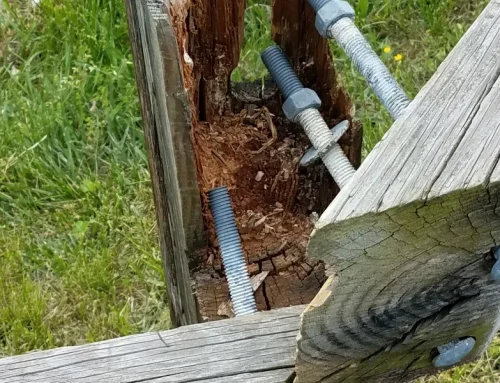
Closeboard fencing is a popular choice for exposed areas due to its solid construction and strength. When paired with concrete posts, the system gains superior anchorage and resistance to movement. Concrete posts reduce the risk of rotting and warping compared with timber posts, and they tend to perform better in windy conditions over the long term. For installations in windy locations, consider:
- Deeper post depth: In exposed areas, post depth plays a crucial role. A deeper setting improves leverage resistance and reduces pull-out risk.
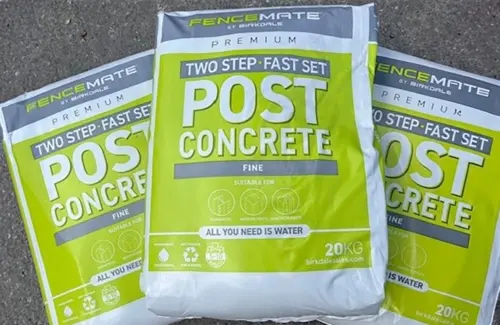
- Secure concreting: Proper concreting around posts creates a stable anchor that withstands windborne forces. Use high-quality concrete and ensure adequate curing time.
- Post spacing: Conservative spacing can help distribute wind loads more effectively and reduce stress on individual posts.
If you’re aiming for durability, ensure your 6ft fence panels are supported by a robust backbone. While 6ft fence panels are a common height for privacy and boundary definition, their performance in wind depends on the surrounding framework and the strength of the posts.
Slatted fencing – letting wind pass through
Slatted fencing provides an excellent compromise between privacy and wind management. By allowing air to pass through the gaps, slatted designs reduce the pressure exerted on the fence structure. This results in less movement and a longer life for the fence in windy climates. When selecting slatted fencing, consider:
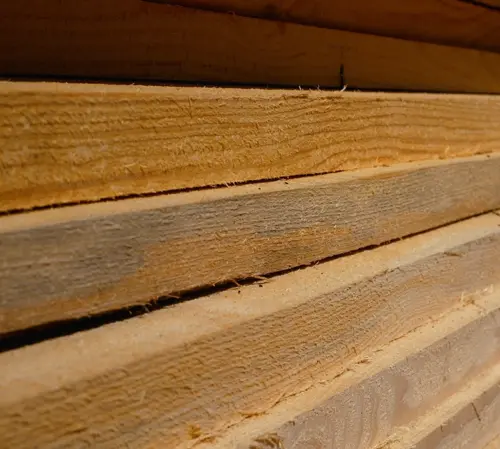
- Slat material and thickness: Durable woods or composite slats with weather-resistant coatings perform best in exposed areas.
- Gap width: Wider gaps improve wind passage but may compromise privacy; tailor spacing to your needs.
- Reinforcement: Even with slats, ensure posts and rails are strong and adequately anchored.
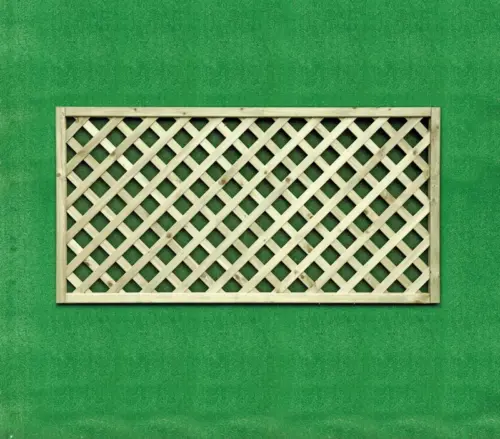
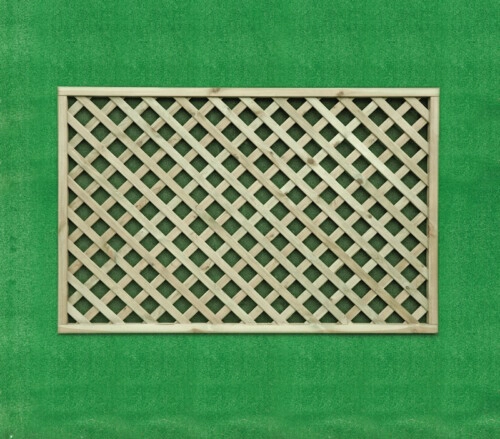
Decorative touches can be added without sacrificing wind performance. For example, decorative garden gates can be integrated into a slatted design, offering an aesthetically pleasing entry point that remains practical in windy settings.
Post installation depth and foundations
In windy locations, post installation depth is especially important. A deeper setting provides better resistance to overturning moments and reduces the likelihood of posts becoming loose over time. Practical guidelines include:
- Digging depth: Extend posts below the frost line where applicable, and aim for a depth that offers solid resistance to lateral forces.
- Concrete footings: Use reinforced concrete footings to anchor posts firmly. Ensure the footing width and depth are appropriate for the soil type and wind loads.
- Fixings and fittings: Choose robust screws, brackets, and rail supports designed for outdoor use and windy environments.
- Backfill considerations: Proper backfill around posts helps stabilise the structure and reduces settlement.
By prioritising depth and secure concreting, you prevent movement and elongate the life of your fencing, which translates into lower maintenance costs and fewer storm-related repairs.
Material choices for windy environments
Selecting materials suited to your environment is a proactive way to prevent repeated storm damage and reduce long-term costs. Consider factors such as:
- Weather resistance: Timber treated for outdoor use, metal alloys with rust protection, and composite materials that resist moisture.
- Maintenance needs: Some materials require more frequent sealing or repainting in exposed climates; others offer lower maintenance profiles.
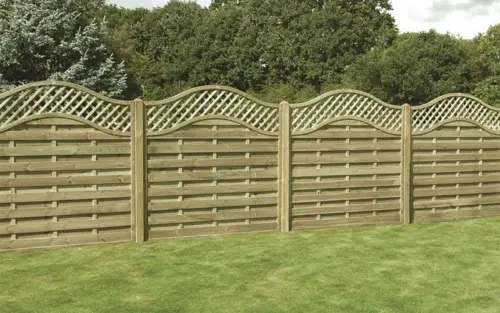
- Aesthetics: Decorative fence panels and decorative garden gates can complement the house while maintaining wind performance.
If privacy and appearance are priorities, you can combine wind-smart designs with tasteful decorative elements. For instance, decorative gate designs can mirror the style of the fence while ensuring that functional strength is not compromised.
Practical installation tips
- Plan the boundary with wind direction in mind to optimise fence orientation.
- Choose post types that suit your soil and wind conditions, such as concrete posts for added stability.
- Ensure drainage around foundations to prevent water-related issues that could undermine footings.
- Keep panel heights and post spacings consistent to distribute wind loads evenly.
- Schedule installation for dry periods to allow proper curing of concrete.
Choosing the right fence posts for windy areas is about balancing safety, longevity, and aesthetics. Solid panels can deliver privacy, but they require careful design to withstand wind pressures. Closeboard fencing with concrete posts offers added stability for exposed locations, while slatted fencing provides a practical alternative by letting wind pass through. Post installation depth and secure concreting are non-negotiable factors in preventing movement over time. By selecting materials suited to your environment and incorporating decorative touches such as decorative garden gates and decorative fence panels, you can achieve a durable, attractive boundary that stands up to the worst weather without compromising style.