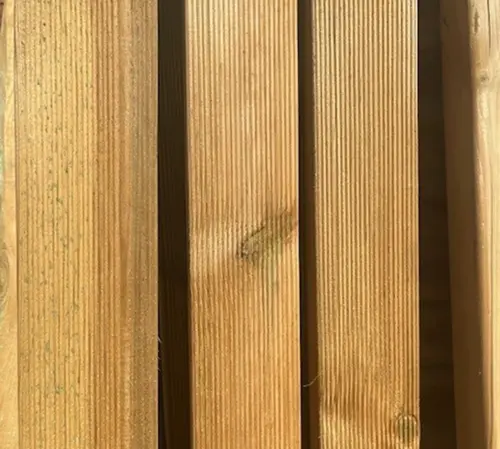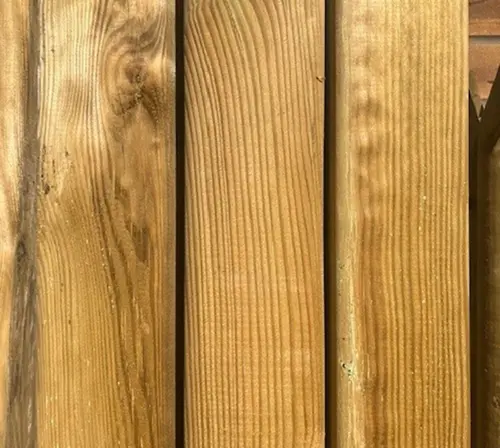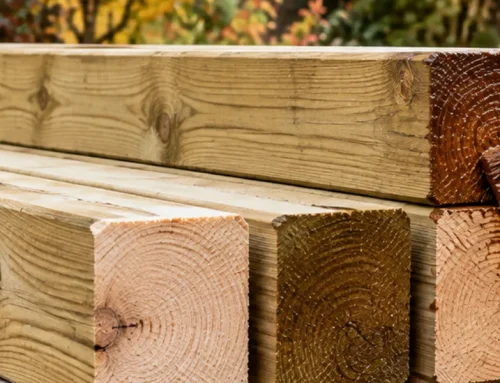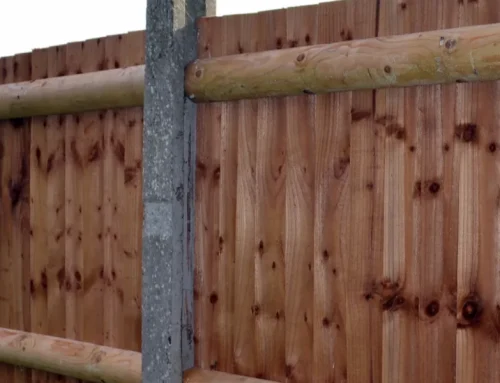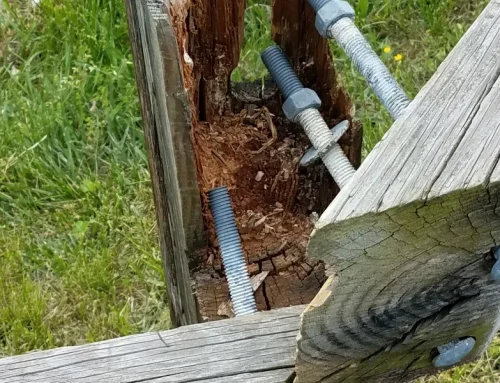

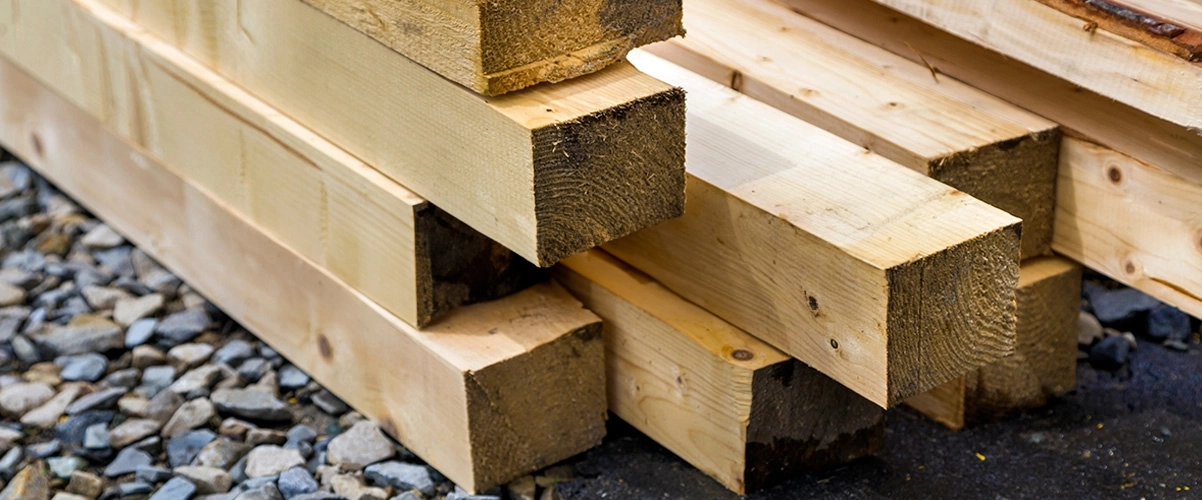
When planning outdoor projects, from decorative touches to sturdy structural elements, the material choice can make or break both longevity and cost. Pressure-treated timber is specifically designed to withstand outdoor conditions. The treatment process forces preservatives deep into the wood, protecting it against rot, decay, and insect damage. While untreated timber may appear cheaper initially, its shorter lifespan often results in higher long-term costs due to replacement. For fencing, posts and structural elements, pressure treatment offers significant advantages, especially in the UK’s wet climate. Quality materials are always more cost-effective over time.
Why pressure-treated timber matters in the UK climate
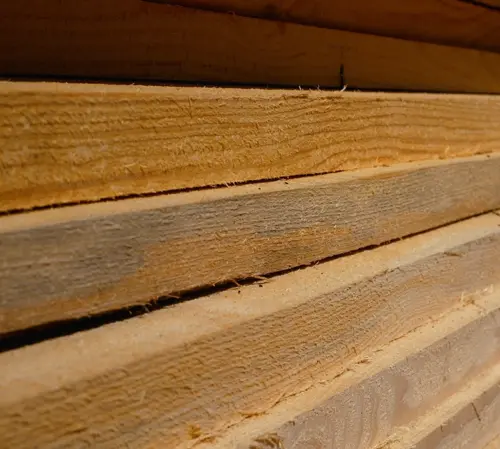
The United Kingdom is renowned for its damp, variable weather. Rain, humidity and temperature swings can take a toll on exposed timber if it is not protected. Pressure-treated timber is infused with preservatives under pressure, ensuring deeper penetration than surface coatings alone. This depth provides:
- Enhanced resistance to rot and decay
- Superior protection against wood-boring insects
- Improved dimensional stability in moist conditions
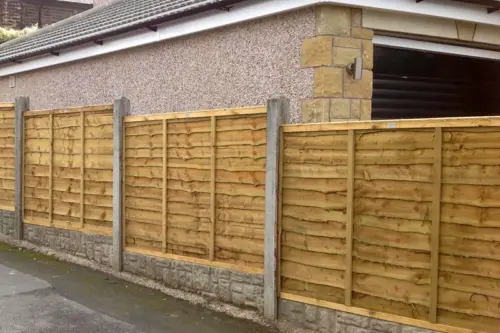
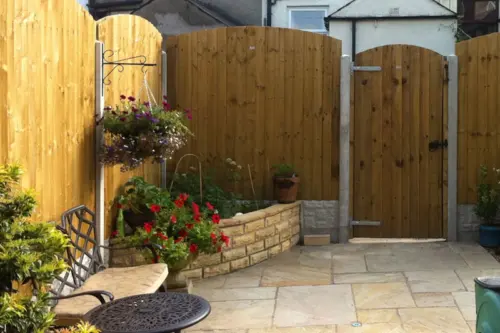
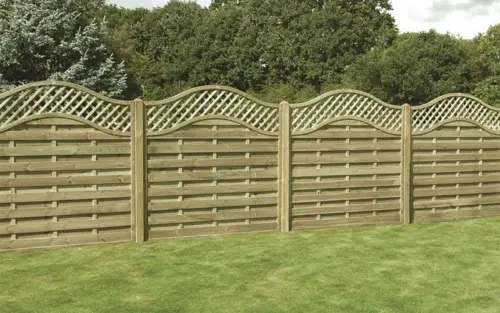
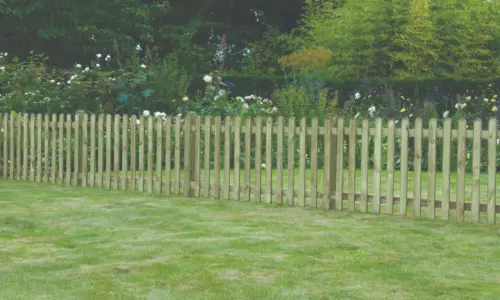
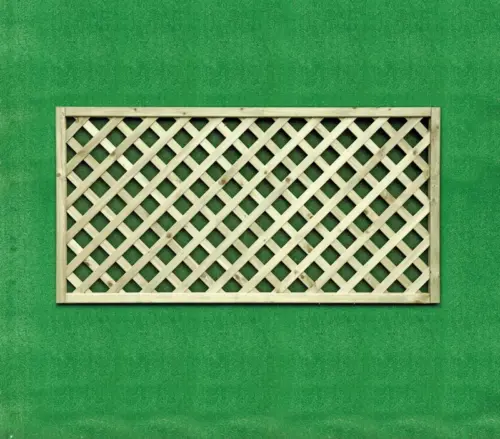
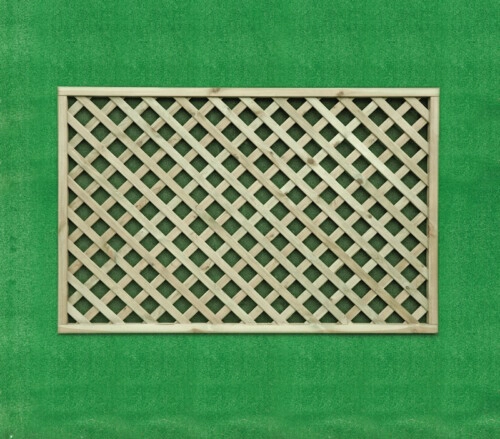
For outdoor projects like Decorative Garden Gates and Decorative Fence Panels, the aesthetic appeal is important, but so is durability. Pressure-treated timber keeps those features looking good for longer, reducing the need for frequent maintenance or replacement.
The long-term financial logic – upfront cost vs. life expectancy
A common question is whether pressure-treated timber is worth the initial outlay. Here’s how to think about it in practical terms:
- Upfront cost: Pressure-treated timber may cost more than untreated timber, but not by a prohibitive margin. The premium reflects the added protection and longer service life.
- Life expectancy: Treated timber often lasts several times longer than untreated wood when exposed to the elements, particularly in moist, UK conditions.
- Maintenance costs: With pressure-treated timber, you generally need less staining, sealing, or treating over the years, which translates to ongoing savings.
- Replacement frequency: For elements like Fence Posts and posts supporting gates or panels, the extended lifespan reduces the frequency of replacement projects.
Considering these factors, the total cost of ownership for pressure-treated timber tends to be lower over a typical 10–20 year horizon than for untreated timber.
Practical applications – best use cases for pressure-treated timber
Several common outdoor components benefit most from pressure treatment:
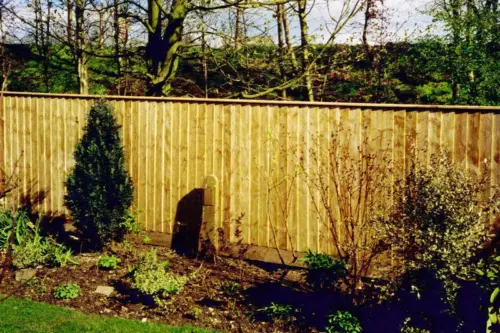
- Fence Posts: The vertical supports bear the largest moisture load and soil contact. Pressure-treated posts resist rotting at the base, extending their life.
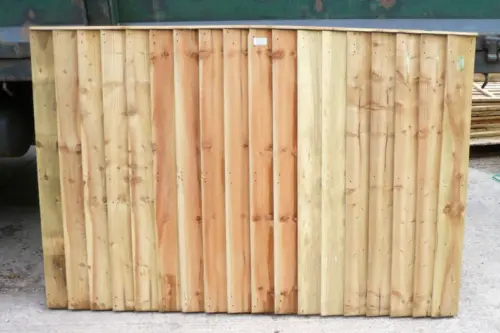
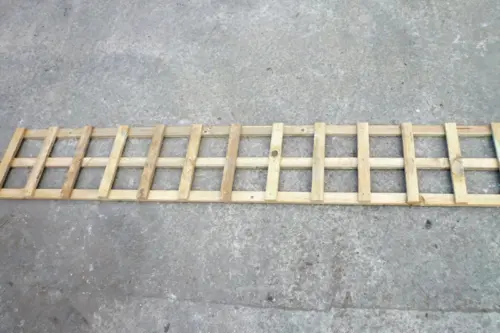
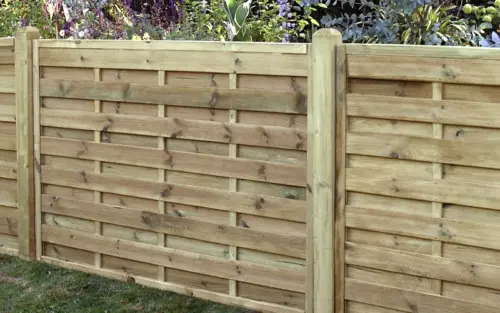
- 6ft Fence Panels: While the panels themselves can sometimes be protected with coatings, the framework and any wooden slats that face moisture are best safeguarded by treatment.
- Decorative Garden Gates: A gate sees regular exposure to rain, wind and sun. Treated timber helps maintain hinge alignment and weight-bearing integrity.
- General Structural Elements: Any load-bearing or brace components that stay outdoors benefit from the preservative infusion to resist decay and insect attack.
In all these cases, pairing treated timber with appropriate hardware and finishes helps amplify durability. For example, using corrosion-resistant fixings and weatherproof finishes complements the inherent protection of the timber.
Choosing the right grade and treatment level
Not all treated timbers are created equal. When selecting material, consider:
- Treatment type: There are different preservative formulations and penetration depths. Look for products rated for exterior use and long-term durability.
- Visual appearance: If you want a particular finish, you can opt for pre-stained or naturally pale timbers and apply your preferred decorative finish during installation.
- Post-installation maintenance: Even with treated timber, routine checks for loose fixings, rot at joints, or surface wear are wise.
For projects like Decorative Fence Panels and Decorative Garden Gates, a balance between appearance and longevity is essential. You can achieve a refined look with aesthetically pleasing profiles while still benefiting from pressure treatment.
Installation considerations and maintenance tips
To maximise the life of pressure-treated timber, follow best practices:
- Use appropriate fixings: Rust-resistant screws and galvanised nails reduce the risk of corrosion at exposed joints.
- Proper drainage and soil contact: Install posts with proper footing and ensure good drainage around the base to minimise water retention.
- Sealing and finishes: If you choose to stain or seal, select exterior-grade products compatible with treated timber and reapply as recommended by the manufacturer.
- Regular inspection: Check for loose joints, warped boards, or signs of rot in non-treated components integrated with the structure.
The UK’s climate makes routine maintenance a prudent part of keeping outdoor structures in top condition. However, compared to untreated timber, pressure-treated options still require far less frequent intervention.
The broader value proposition – aesthetics, durability, and peace of mind
Beyond sheer durability, pressure-treated timber supports a broad set of benefits:
- Aesthetics: Decorative Gate and Panel designs maintain their shape and alignment longer, preserving curb appeal.
- Peace of mind: Knowing your Gate, Fence Posts, and panels can withstand damp conditions reduces ongoing concerns about premature failures.
- Property value: Well-constructed, durable fencing and gates contribute positively to property value and street appeal.
In many garden projects, the initial investment in 6ft fence panels and related elements pays dividends through reduced maintenance costs and longer service life.
The Long-Term Value of Pressure-Treated Timber is clear. For UK gardens and outdoor environments where moisture and weather variation are constants, treated timber delivers superior rot, decay, and insect resistance. While untreated timber might seem cheaper upfront, its shorter lifespan often translates into higher long-term costs due to replacement and maintenance. For fencing, posts and structural elements that endure constant exposure to moisture, pressure treatment is a prudent choice. Whether you’re installing decorative garden gates, upgrading decorative fence panels, or setting up sturdy 6ft fence panels with solid fence posts, investing in treated timber provides peace of mind and greater durability. In the end, quality materials are consistently more cost-effective over time.