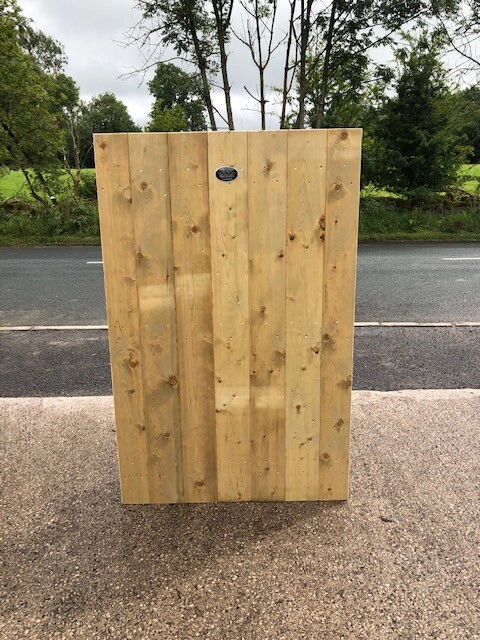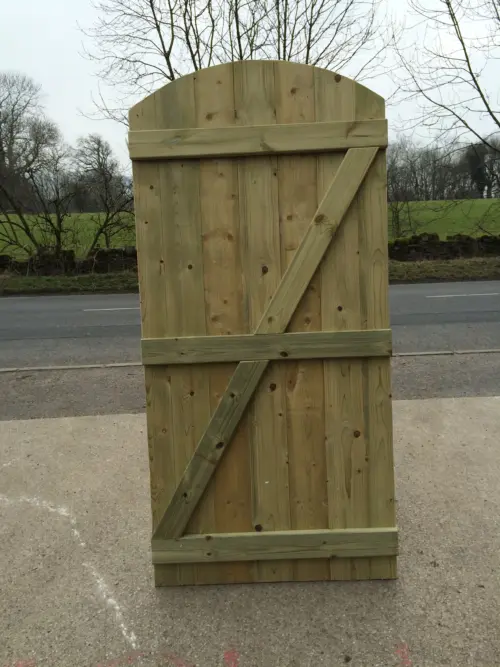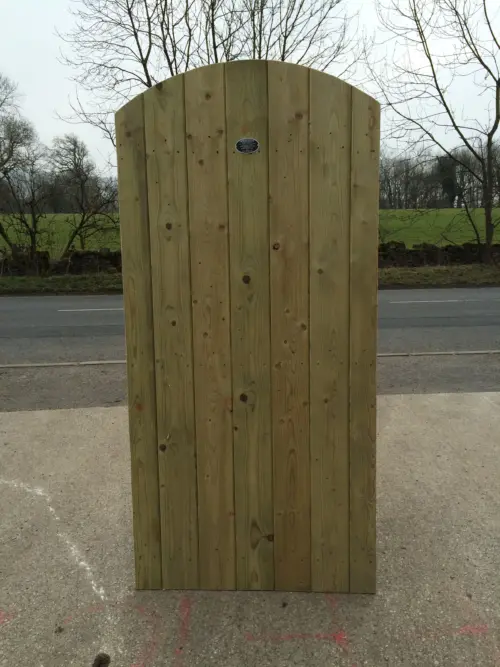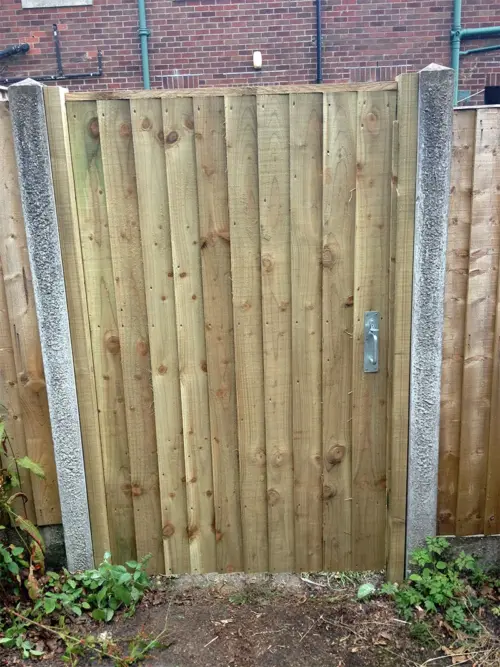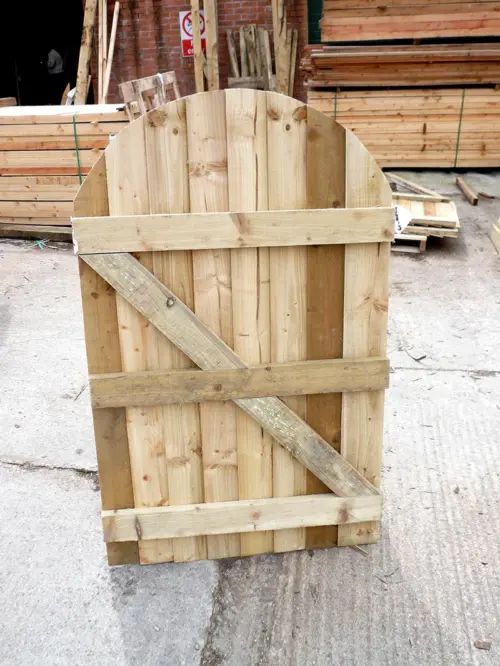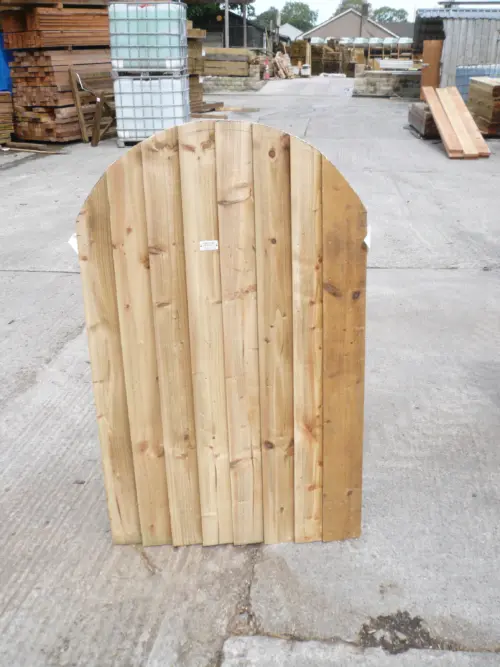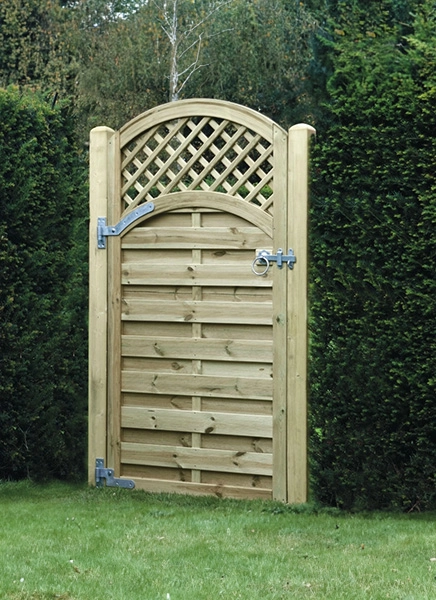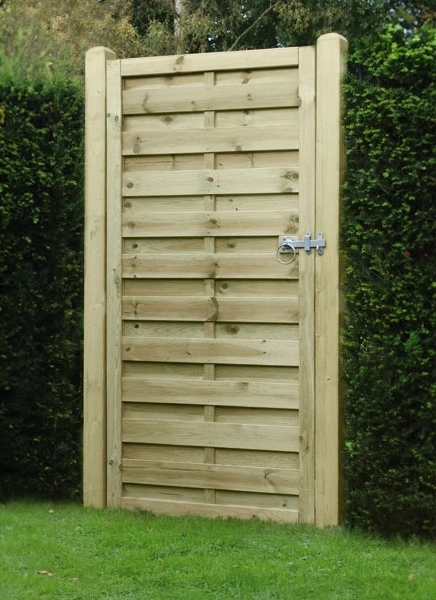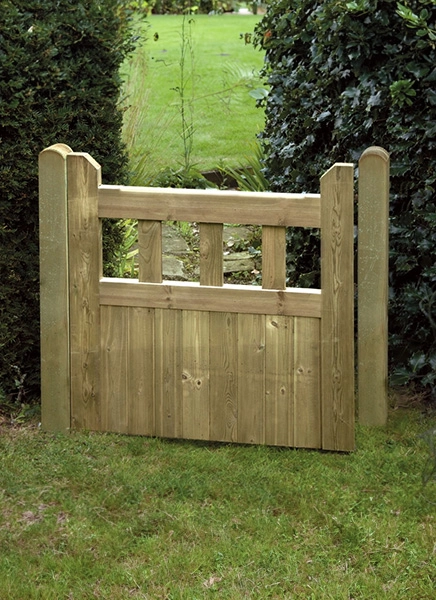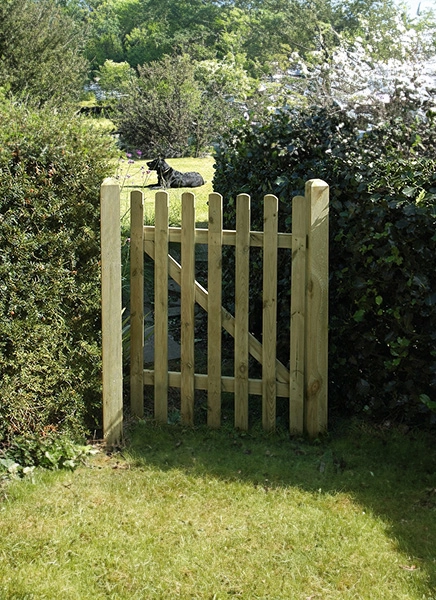

Choosing the right timber for a garden gate can feel like a tricky decision. With so many options, it’s easy to focus on aesthetics alone and overlook long-term durability, weight, and maintenance. This guide, inspired by Empress Fencing’s approach, digs into the most common timber species used for garden gates and how they compare. You’ll find practical advice on softwoods, oak, iroko and other hardwoods, and the important contrast between treated softwood and untreated hardwood. By the end, you’ll be equipped to pick the best timber for your gate, fence, and garden style.
Why timber choice matters for garden gates
When you install a gate, you’re not just adding a functional opening to your boundary; you’re investing in the longevity of your fence line, security, and curb appeal. The timber you choose influences
- durability against weather, rot, and pests
- weight and ease of operation for hinges and posts
- maintenance requirements and long-term cost
- the overall look, from rustic to premium
In many gardens, treated softwood gates offer exceptional value, while hardwoods like oak present a traditional garden gates premium option. Understanding the trade-offs helps you tailor a solution to your space and budget.
Softwoods – affordability, ease, and practicality
Softwoods are the backbone of many garden gates, especially when a balance of price and performance is desired. Here’s what to know:
- Cost and value: Softwoods are typically the most affordable option for garden gates. For homeowners seeking a practical solution that doesn’t break the bank, treated softwood is hard to beat.
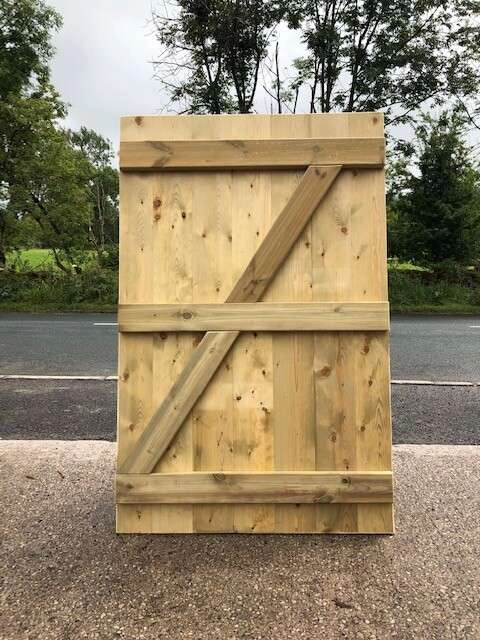
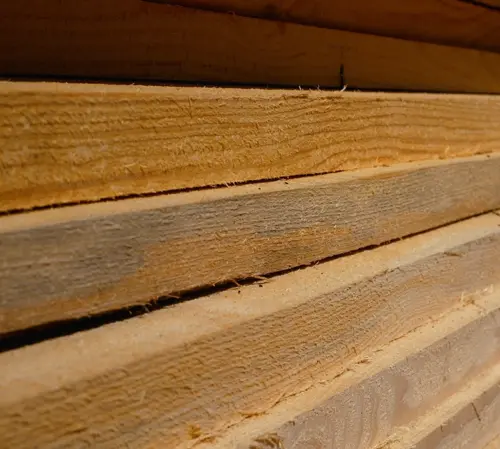
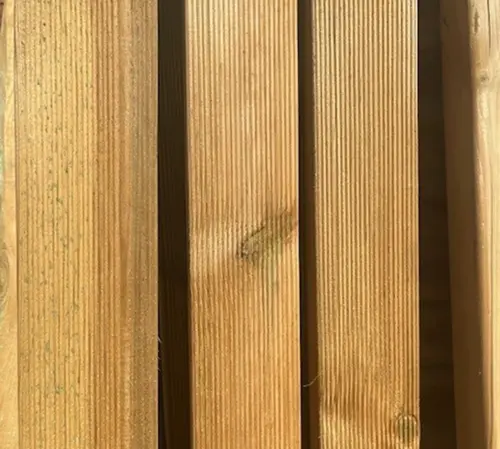
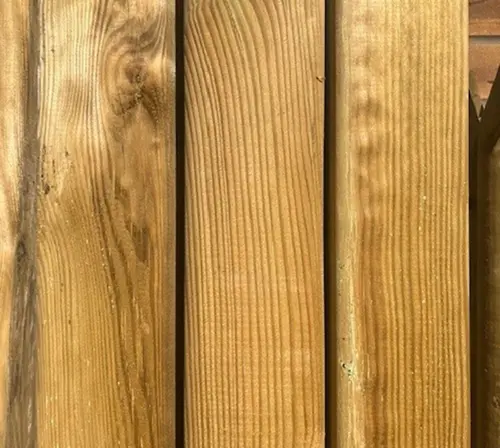
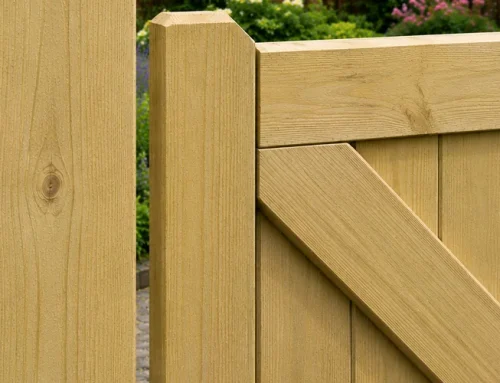
- Treatment and durability: Species such as Scandinavian redwood and whitewood are naturally suitable for pressure treatment. When properly treated, these woods resist moisture ingress and fungal decay, extending the life of your gate.
- Weight and handling: Softwoods are lighter than most hardwoods. This makes installation easier, and the gate is generally easier to operate, particularly on standard posts.
- Maintenance: Regular maintenance is key. Clean and re-treat every one to two years, and your gate will perform well for many years. With the right maintenance, a softwood gate can outlive expectations, especially in temperate climates.
- Aesthetics: Softwood gates offer versatility in finish. You can stain to a natural look, paint for color coordinate with your fence, or seal to highlight the wood grain.
In short, softwood gates are the best value option for most gardens. They balance cost, workability, and durability when treated correctly and kept up with a regular maintenance schedule.
Oak – the traditional premium choice
If you’re prioritising prestige and natural longevity, oak remains a timeless choice for garden gates.
- Durability and rot resistance: Oak is exceptionally hard and naturally resistant to rot and insects. Its dense grain helps it withstand the elements when cared for over time.
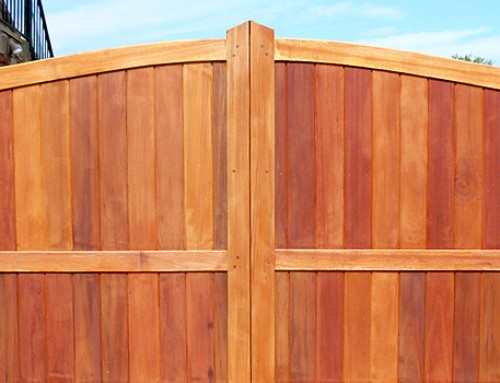
- Aesthetics: Oak ages beautifully, weathering to an elegant silver-grey patina that many homeowners admire. The visual appeal of oak gates often elevates the entire boundary.
- Longevity: Untreated oak can last for decades in outdoor conditions, making it a long-term investment.
- Weight and installation: The flip side of oak’s durability is weight. Oak gates are heavier, which means you must ensure your posts and hinges are up to the job. A stronger structural setup is typically required, along with robust fixings.
- Cost: Oak is significantly more expensive than softwood. If budget is a primary concern, an oak gate may be outside the plan, unless its premium look and longevity justify the extra spend.
Oak remains a staple for those who want a classic, durable gate with a premium feel. It is especially popular in traditional or heritage-style gardens.
Iroko and other hardwoods – durability with a different character
Beyond oak, tropical hardwoods like iroko offer a compelling combination of durability and style, often at a more favorable price point than oak.
- Durability: Iroko and similar tropical hardwoods provide excellent durability and rot resistance, making them a strong alternative to oak in many situations.
- Look and feel: The appearance of iroko is distinct from oak, offering a warmer, sometimes browner tone with different grain patterns. If you’re aiming for a specific aesthetic, the wood’s character matters as much as its performance.
- Sustainability: Always verify FSC certification or equivalent documentation to ensure your tropical hardwoods come from responsibly managed sources. This is crucial for environmental responsibility and long-term supply stability.
- Maintenance: Like other hardwoods, treated or naturally resistant species benefit from regular maintenance to preserve appearance and prolong life. Some tropical hardwoods may come with improved natural durability, reducing the frequency of treatment, but periodic checks and care are still recommended.
Selecting iroko or another hardwood can provide a high-end look with solid durability, especially for larger gates or designs that benefit from a robust, heavy-feel construction.
Treated softwood vs untreated hardwood – the maintenance mindset
A practical rule of thumb in this garden hardware space is straightforward: a well-treated softwood gate will almost always outlast an untreated hardwood gate. The key factors are:
- Initial treatment: Apply a high-quality preservative or paint/finish that suits your climate. This step is crucial to resist moisture and fungal attack.
- Regular re-treatment: Clean and re-treat every one to two years to maintain the protective barrier against the elements.
- Maintenance discipline: Regularly check for water damage, cracks, and hinge or post wear. Address issues promptly to prevent small problems from becoming large, costly repairs.
This approach makes treated softwood a reliable, long-lasting choice for most gardens. If your priority is a lower upfront cost with dependable performance, softwood is hard to beat. If you value timeless aesthetics and top-tier durability, oak or iroko could be worth the extra investment.
Practical considerations – installation, hardware, and long-term care
Choosing the timber is only part of the equation. The gate’s overall performance depends on how well you install and maintain it.
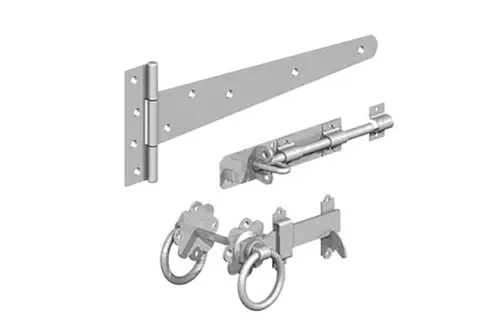
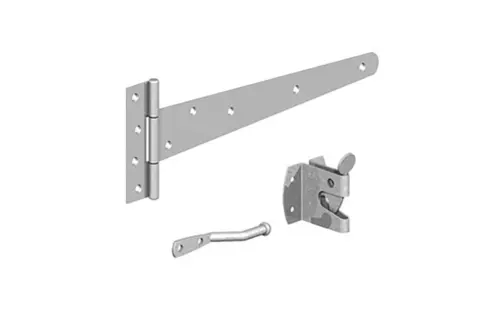
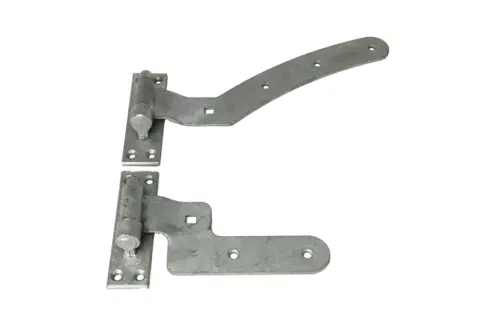
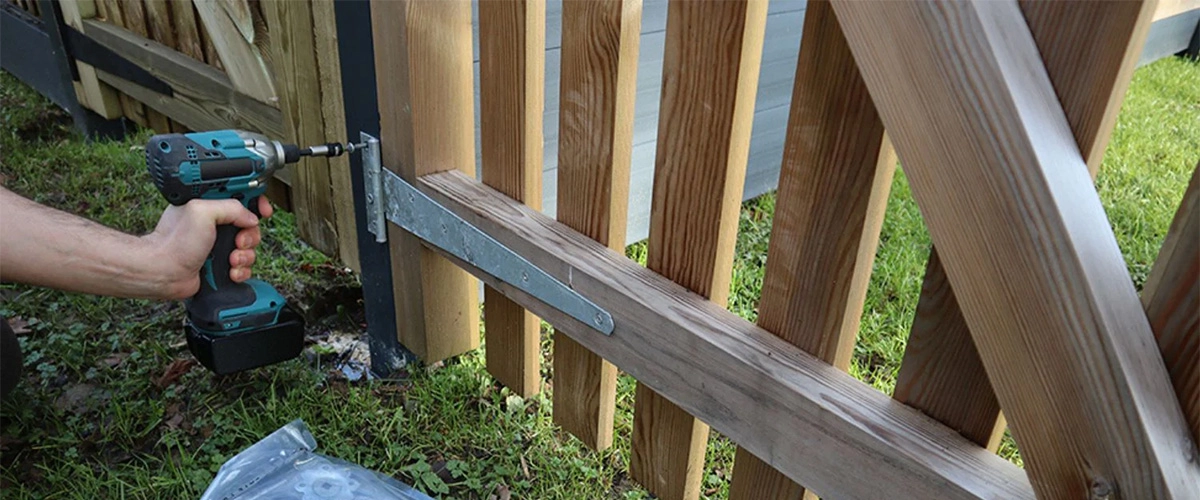
- Posts and hinges: The gate’s weight dictates the strength needed in posts and hinges. Heavier gates require sturdier posts, stronger fixings, and careful alignment to ensure smooth operation.
- Finishes: Use exterior-grade finishes designed for timber outdoors. Sealants, oils, or paints help repel moisture and minimize UV damage.
- Sizing and design: A 6ft fence panels setup with a matching gate requires precise measurements. Ensure the gate aligns with the posts and that there’s adequate clearance for hardware.
- Decorative elements: If you’re aligning your gate with decorative fence panels, consider how the timber species will respond to weather, ensuring a consistent visual style across the boundary.
Not all timber is equal when it comes to garden gates, but you don’t have to choose blindly. Whether you prioritize value, vintage charm, or premium durability, there’s a timber option that fits. Softwoods, especially when pressure-treated, provide an affordable, practical solution that suits most gardens. Oak offers a traditional, premium feel with exceptional durability, while iroko and other tropical hardwoods deliver a robust alternative with their own distinctive character. The choice between treated softwood and untreated hardwood hinges on your willingness to invest in maintenance and the gate’s expected lifetime.
If you’re unsure which path to take, Empress Fencing is a reliable partner for discussing the right timber choice for your gate. They understand the nuances of decorative garden gates, fence posts, and the fit of a 6ft fence panel layout within a cohesive boundary. By weighing durability, aesthetics, and maintenance, you can select the best wood for garden gates that aligns with your garden’s style, climate, and budget.