
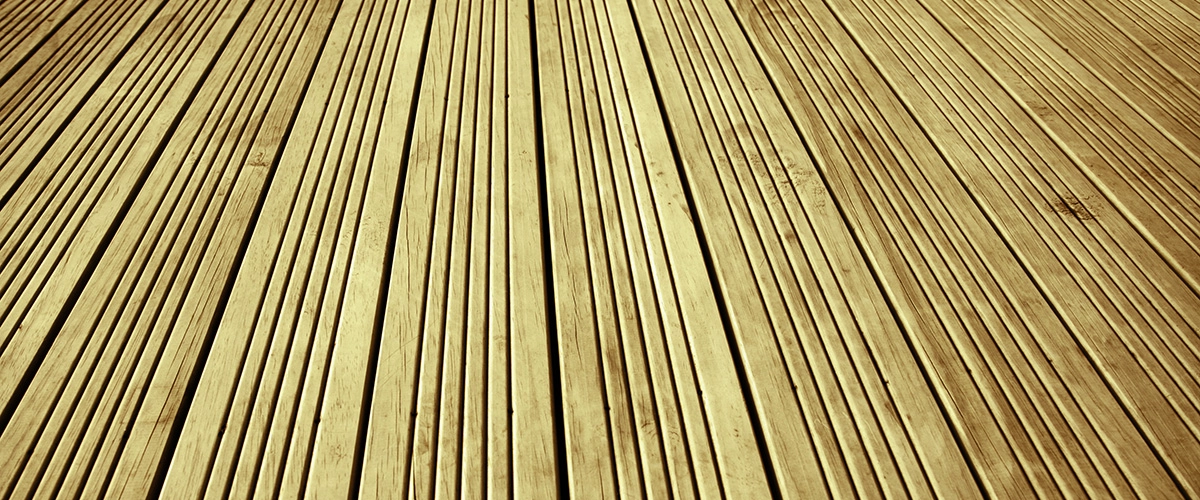
When you are planning a summer garden surface, the choice between timber decking and paving comes up early, and it is a genuine decision rather than a matter of taste alone. Garden decking and paving each have real strengths, and which one suits you depends on your ground, your budget and how you intend to use the space. As a supplier of fencing and timber supplies in Clitheroe, we help customers weigh this up regularly, and the right answer often comes down to the specifics of a particular Lancashire plot rather than any blanket rule.
The headline difference is how each handles changes in level. Decking is built on a frame, so it copes with sloped and uneven ground far more easily and cheaply than paving, which generally needs a level, prepared base beneath it.
Comparing Decking and Paving for a Local Garden
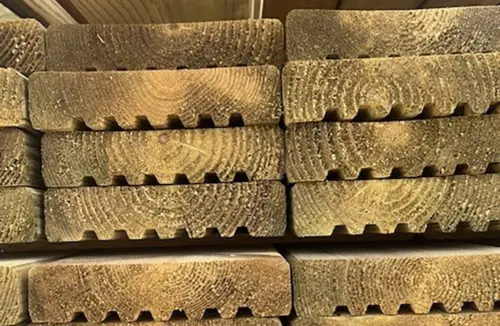
Many gardens across the Ribble Valley and wider Lancashire slope, sometimes considerably. On a sloped site, a timber deck on a designed sub-frame brings everything level with far less groundwork than building up and levelling a base for paving. That structural advantage is one of the main reasons decking suits so many gardens here. Our timber decking range is built for exactly this kind of work, raising a usable level surface above ground that would be awkward to pave.
Dealing With Drainage and Clay Soils
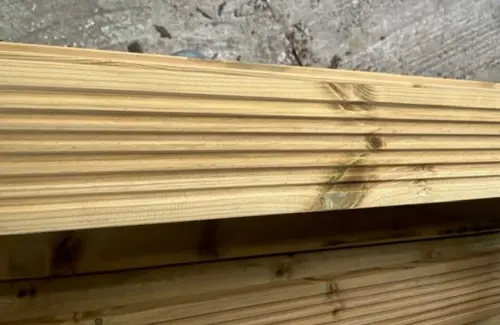
Drainage is the other local factor. Much of Lancashire sits on heavier, water-holding soils, and a paved area on poorly drained ground can leave water standing on the surface after rain. A timber deck, by contrast, drains through the gaps between the boards and sits raised above the ground with air moving beneath it, so surface water disappears quickly. Where ground stays wet, that free-draining quality is a strong point in decking’s favour, provided the frame is built to keep the structure clear of the damp.
Cost and Groundwork
On level ground, paving and decking can be fairly close on cost. On sloped or soft ground, the picture shifts, because the groundwork to prepare a level base for paving adds significantly to the job, while a deck frame absorbs the slope as part of its design. Factoring in the preparation, not just the surface material, gives a fairer comparison. Our decking supplies and decking boards cover the materials a deck needs, and buying local keeps both cost and lead time down, as our piece on why local timber suppliers offer better value explains.
Maintenance Over Time
Both surfaces need looking after, but in different ways. Paving needs occasional cleaning and the odd repointing, while timber decking needs a seasonal clean and periodic re-treating to keep it sound and slip-free. Neither is maintenance-free, and the timber route asks for a little more regular attention in exchange for the warmth, level finish and slope-handling it offers. The way decking timber behaves over the years follows the same pattern as our wider timber stock, so the care is familiar once learned.
The Look and Feel Underfoot
Beyond the practicalities, the two surfaces feel different. Timber is warmer underfoot, softer in appearance and reads as a natural extension of a garden, while paving is harder-wearing and more formal. For a summer space built around relaxing, dining and entertaining, many people find the warmth of timber more inviting, which is part of why decking remains so popular for garden seating areas.
Thinking About How Long You Will Stay
Your plans for the property can tip the decision. A deck delivers an attractive, usable surface quickly and at a sensible cost, which suits anyone wanting to enjoy the garden soon, while paving is a longer-term, lower-maintenance surface that some prefer for a forever home. Neither is wrong, and weighing how long you intend to enjoy the space against the upkeep each asks for helps point to the right choice for you rather than for a garden in general.
Combining Both Surfaces
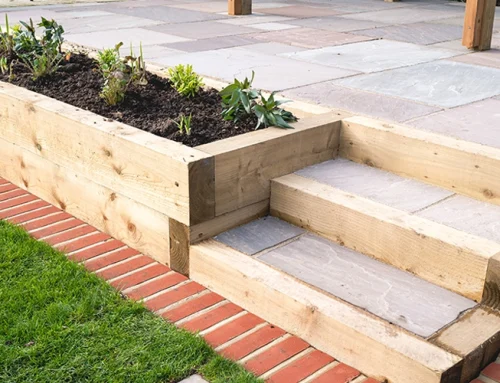
It is not always an either-or decision. Many gardens work best with both, using a deck for a raised seating area where the ground falls away and paving for a level path or patio nearer the house. Combining the two plays to the strength of each, letting decking handle the slopes and paving handle the heavy-traffic, level zones. A garden that uses each material where it works best often looks more considered than one that forces a single surface across the whole plot.
Getting the Sub-Base Right Either Way
Whichever you choose, the preparation underneath determines how well it lasts. Paving needs a firm, level, well-drained base to avoid sinking and pooling, while decking needs a sound frame that holds the structure clear of wet ground. Skimping on the groundwork shows up within a season or two in both cases, so budgeting for proper preparation, not just the visible surface, is what gives a result that stays true for years.
If you would like help deciding whether decking or paving suits your garden, call us on 01200 449930 and we will talk through your ground and your plans. We offer free delivery on orders over £150 across all BB postcode areas, so a decking project can reach you without added delivery cost. Whichever surface you settle on, getting the groundwork right beneath it is what gives a result that stays level, drains well and lasts for many summers to come.