
Raised beds built from timber sleepers are one of the most rewarding summer garden projects, giving you deep, well-drained growing space that warms quickly and is easy to work without bending double. Timber sleepers make ideal raised bed walls because they are substantial, stack solidly and hold back a good depth of soil. As a supplier of fencing and timber supplies in Clitheroe, we supply sleepers to growers across the Ribble Valley every spring and summer, and a well-built sleeper bed will serve you for many growing seasons.
The appeal is practical. A raised bed lifts the growing area above heavy or poor ground, gives you control over the soil you fill it with, and drains far better than a bed dug into wet Lancashire clay, which means earlier sowing and stronger roots.
Constructing a Sleeper Raised Bed That Lasts
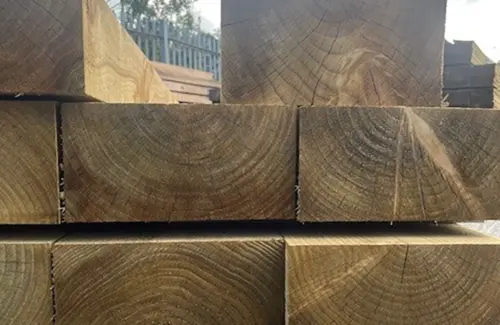
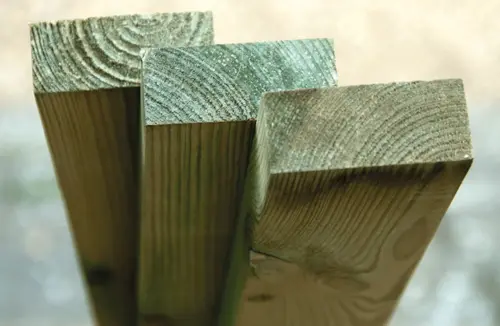
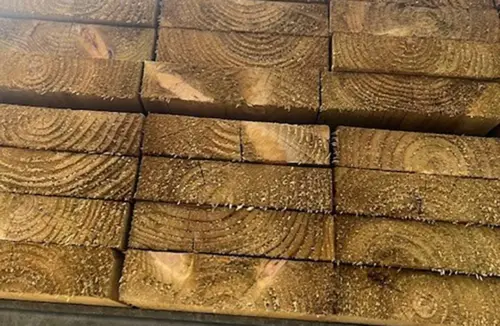
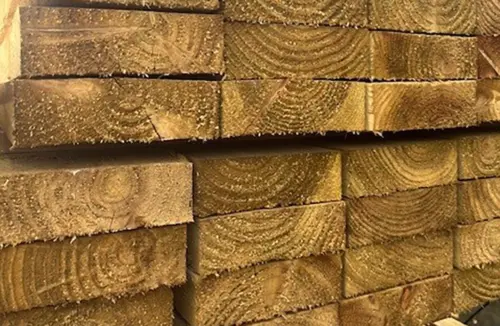
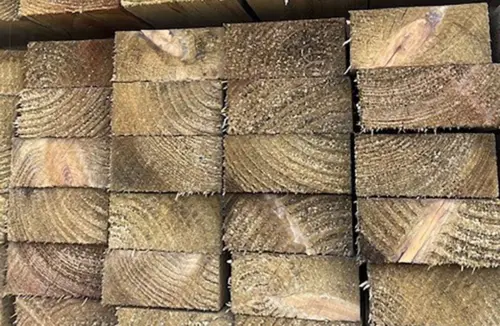
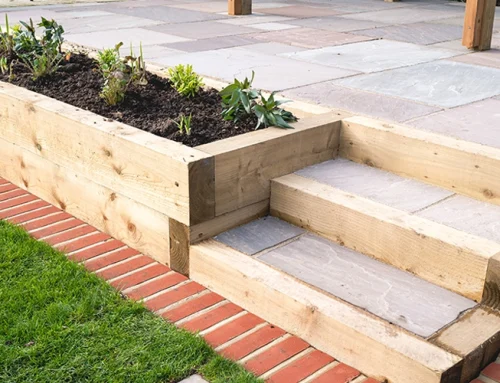
A sleeper bed is built by laying sleepers on edge or flat to form the walls, stacking courses to the height you want, and securing them so the soil pressure cannot push them apart. Even a single course gives a usable raised bed, while two or three courses create the deep beds favoured for root crops and intensive growing. Our timber sleepers are the substantial sections this kind of build needs, and they sit within our wider timber range.
Choosing the Right Sleepers
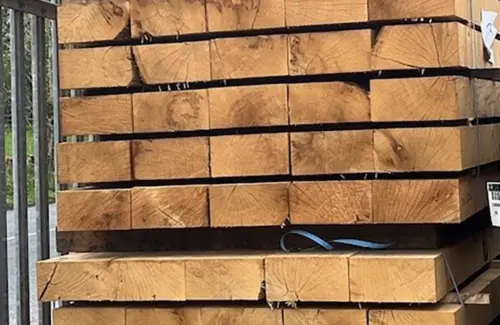
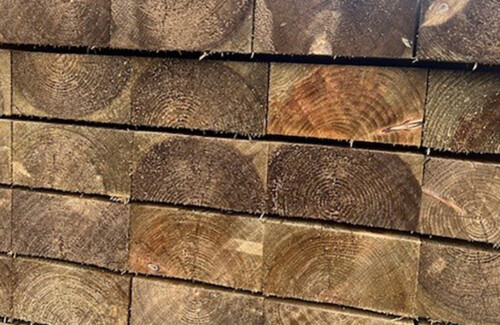
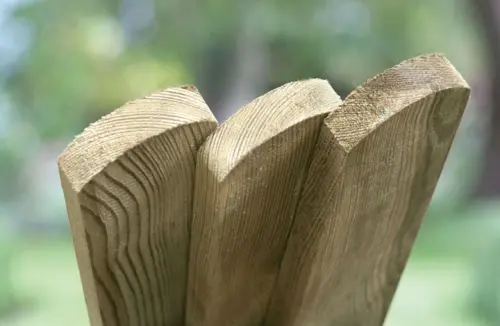
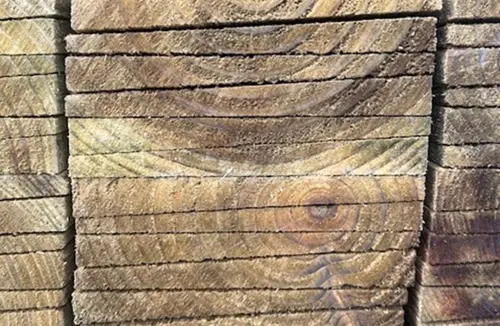
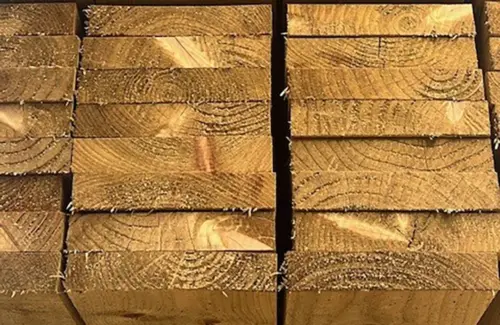
Sleepers come in softwood and hardwood, and the choice affects both cost and working life. Pressure-treated softwood sleepers are the popular, economical choice for raised beds and handle outdoor conditions well, while oak and other hardwood sleepers last longer and carry a heavier presence. Our comparison of oak vs softwood sleepers sets out the trade-offs in detail and helps you match the sleeper to the bed.
Securing the Courses
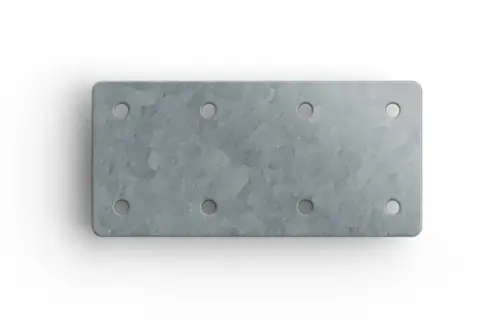
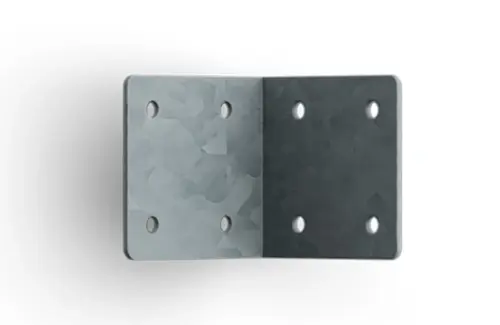
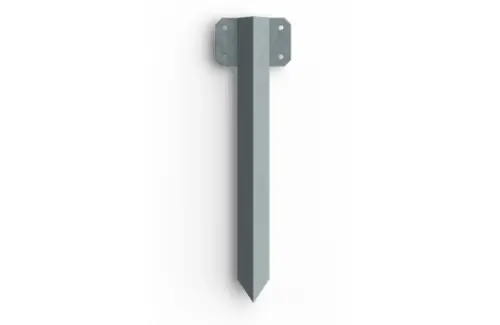
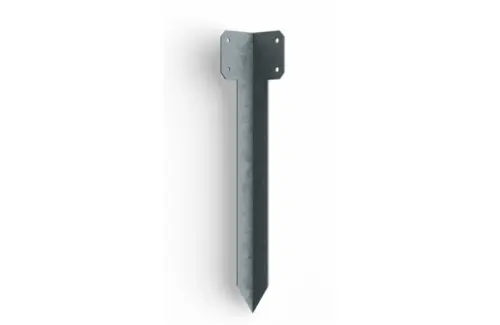
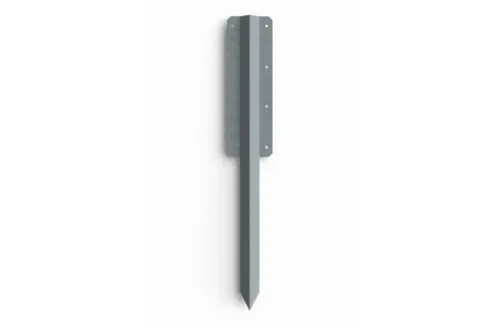
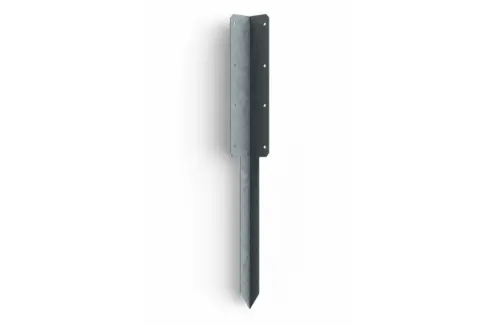
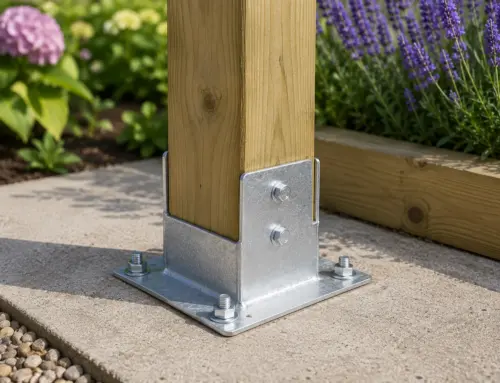
A single course of sleepers may sit happily under its own weight, but as soon as you stack courses or fill the bed with damp soil, the walls need holding together. Sleepers can be fixed to each other with long timber screws or landscaping fixings, and corners benefit from being tied so they cannot spread. For taller beds, stakes or posts driven inside or behind the sleepers brace the walls against the soil pressure. Our timber posts and fixings and accessories ranges cover the stakes and fixings a solid bed needs.
Lining and Drainage
Lining the inside face of the sleepers with a membrane keeps the soil off the timber and extends the bed’s life, while leaving the base open to the ground beneath allows worms and drainage to do their work. Good drainage is the whole point of a raised bed, so do not seal the bottom. On heavy ground, a layer of coarse material at the base helps water move away from the roots.
Positioning for a Productive Summer
Site the bed where it gets the most sun, as most summer vegetables crop best in an open, sunny position. Keep the bed narrow enough to reach the middle from either side without standing on the soil, which protects the structure and keeps the soil loose. A bed around a metre and a bit across suits most growers. Once built, a sleeper bed is a fixture you will use for years, and for more ways to use sleepers around the garden our other guidance is a useful reference.
Filling the Bed Well
A raised bed is only as good as what goes in it, and the depth a sleeper bed gives you is a chance to build a proper growing medium. A blend of good topsoil and well-rotted organic matter gives summer vegetables the root run and the feeding they need, and the raised structure keeps that soil warmer and better drained than ground-level beds. Filling in layers and letting the bed settle before planting avoids the sinking that catches people out a few weeks in.
Planning the Layout for Reach and Sun
Keep beds narrow enough to reach the centre from either side without treading on the soil, which protects the structure and keeps the soil open for roots. Orienting the beds to make the most of the sun, and leaving comfortable paths between them, makes summer tending easier and more productive. A well-planned set of beds is a pleasure to work and crops better for it, while beds that are too wide or too close together quickly become a chore.
Building Beds That Last Several Seasons
A sleeper bed is a long-term fixture, so it is worth building it to last. Securing the courses, bracing the corners against the outward push of damp soil, and lining the inner faces all add years to the structure. Pressure-treated softwood sleepers stand up well to the constant damp of a planted bed, and a bed built properly at the outset will serve through many growing seasons with little more than the occasional check that the fixings remain sound.
If you would like help working out how many sleepers your raised beds need, call us on 01200 449930 with your dimensions. We offer free delivery on orders over £150 across all BB postcode areas, so a full bed’s worth of sleepers can reach your garden without added delivery cost. Built and filled well at the outset, a sleeper bed rewards you with earlier, stronger summer crops and a structure that holds its shape season after season.