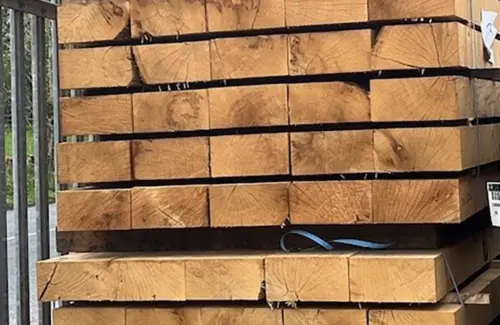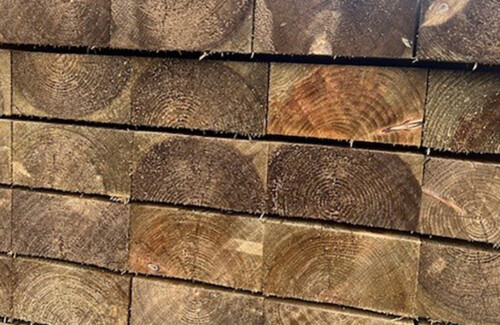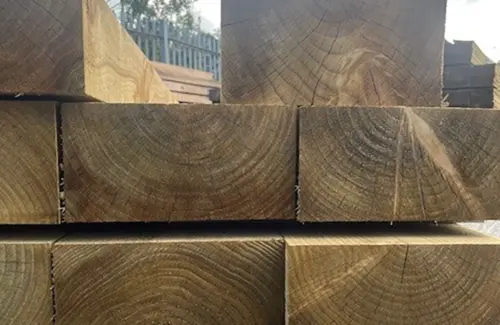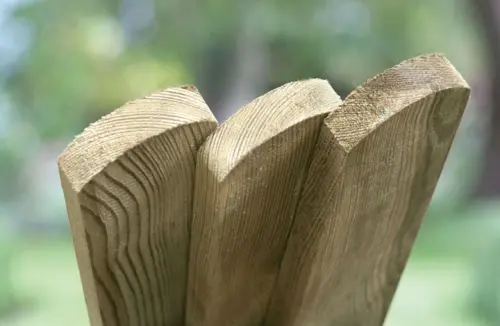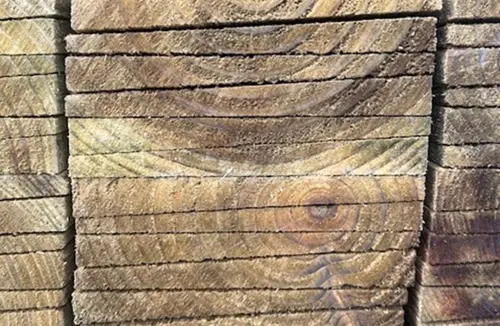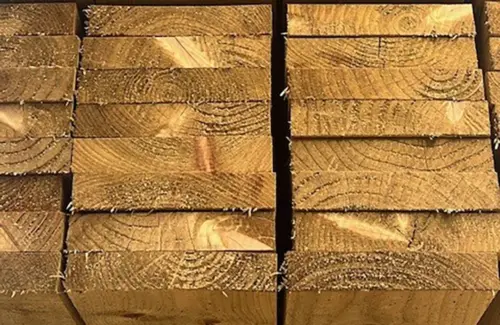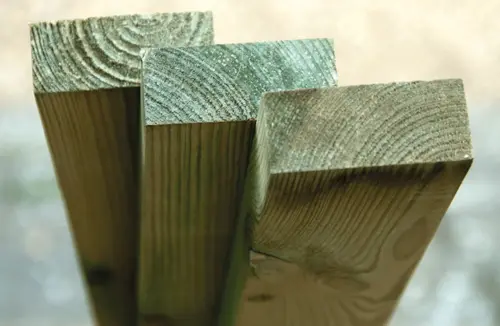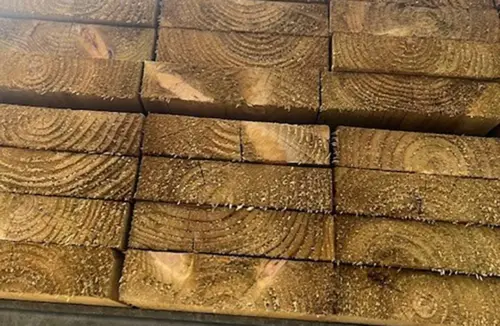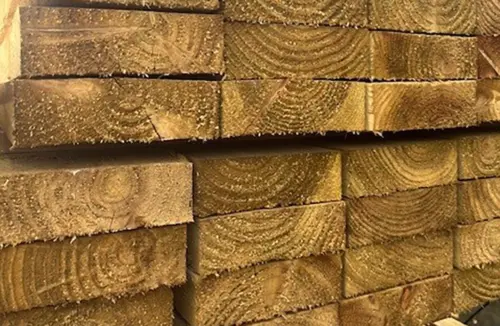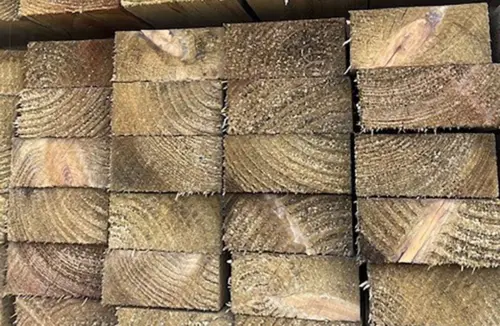

One of the first questions every sleeper project raises is what size to buy, and the answer genuinely depends on the job, because timber sleeper sizes are not interchangeable across different uses. A sleeper that is ideal for a low border looks lost in a tall retaining wall, and an oversized sleeper makes a simple edging project needlessly heavy and expensive. As a supplier of fencing and timber supplies in Clitheroe, we help customers match sleeper size to project every week, and getting it right at the ordering stage saves both money and effort.
Sleepers are described by their cross-section and their length, and both matter. The cross-section governs how much load a sleeper can hold and how substantial it looks, while the length determines how the runs and joints fall across your project.
Matching Sleeper Size to the Job
The heavier the duty, the larger the section you want. A retaining wall holding back a bank of wet soil needs a substantial sleeper that resists bending and sits with real weight, while a border edging or a mowing strip works perfectly well with a lighter section that is easier to handle and lay. Thinking about what the sleeper has to do, rather than reaching for the biggest available, gives a result that is both fit for purpose and sensibly priced. Our timber sleepers sit within the broader timber range, alongside the posts and boards a project often needs. Spending a little time on these decisions before you buy is what turns a vague idea of needing some sleepers into a precise order that matches the project, arrives complete, and lets the build run from start to finish without a single hold-up.
Sleepers for Raised Beds
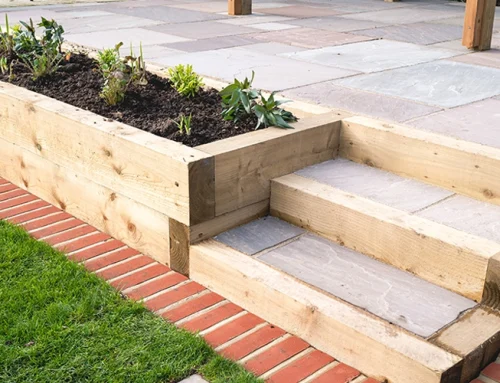
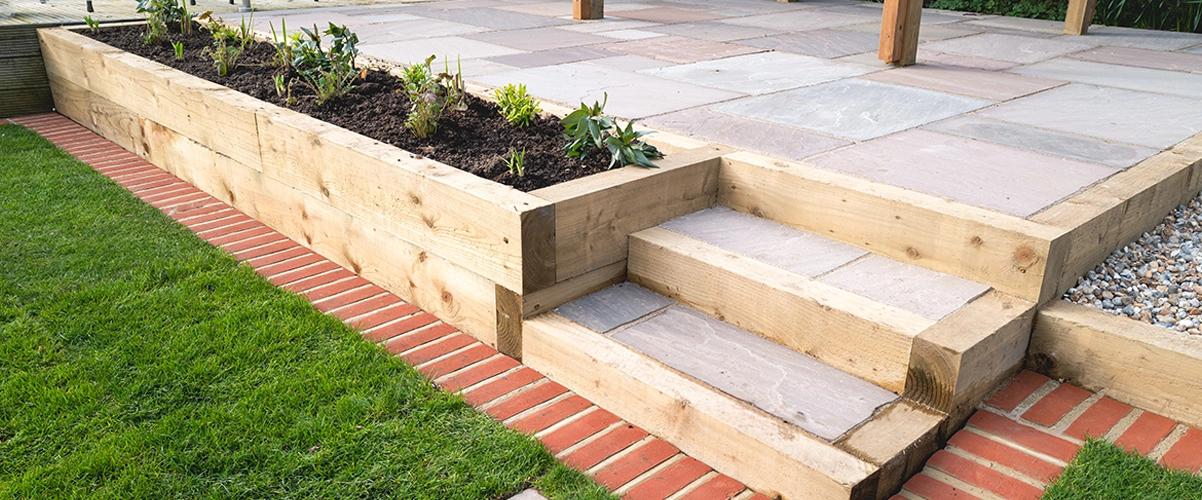
For raised vegetable and flower beds, a mid-range sleeper section strikes the right balance. It is substantial enough to hold a good depth of soil and stack into a solid wall, yet manageable to lift and position. The height of bed you want sets how many courses you stack, and the bed’s footprint sets how many sleepers each course takes. A taller bed of two or three courses asks for the courses to be fixed and braced, whatever the section.
Sleepers for Retaining Walls and Steps
Retaining work is where section size matters most. A wall holding back soil, or steps taking foot traffic, benefits from a heavier sleeper that resists the loads without flexing. The material matters too, as our comparison of oak vs softwood sleepers explains, because a denser hardwood sleeper carries more load and lasts longer in a structural role, while treated softwood serves well for lighter retaining at a lower cost.
Sleepers for Edging and Paths
Edging asks the least of a sleeper structurally, so a lighter or standard section does the job and is easier to lay neatly. For a mowing strip or border edge, you want enough width to give a clean line and enough weight to stay put, but you do not need the heavy sections retaining work demands. Pairing sleepers with slimmer timber boards or timber posts lets you build edging, capping and stakes from a coordinated set of materials.
Working Out Quantities From the Length
Once the section is settled, the length determines quantities. Measure your runs, divide by the sleeper length, and allow for the cuts and joints. Planning where the joints fall avoids awkward short offcuts in visible places and keeps waste to a minimum. A quick sketch with the sleeper lengths marked on it makes the order easy to get right first time.
How Section Size Affects Handling
Bigger is not always better when it comes to lifting and laying. A heavy sleeper section gives strength and presence but is genuinely two-person work to move and position, while a lighter section is far easier to handle for edging and low beds. Matching the section to both the structural need and the practicalities of building it yourself avoids ordering sleepers that are a struggle to manoeuvre into place. For a solo weekend project, a manageable section often makes more sense than the heaviest available.
Mixing Sizes Across a Project
A single garden scheme can sensibly use more than one sleeper size. Heavier sections for a retaining wall or steps, paired with a lighter section for the edging and borders that tie into it, give each element what it needs without over-specifying throughout. Planning the whole scheme together lets you order the right mix in one go, keeping the look consistent while matching each part of the project to the right sleeper for the job.
Allowing for Joints and Waste
Once the section is chosen, the length drives the order. Measuring the runs, planning where the joints fall, and allowing for the cuts gives an accurate count and avoids awkward short offcuts in visible places. A quick scale sketch with the sleeper lengths marked on it makes the order easy to get right first time, and a small allowance for waste means a mis-cut or a flawed end does not leave you a sleeper short partway through.
If you would like help choosing the right sleeper size for your project, call us on 01200 449930 and describe what you are building. We offer free delivery on orders over £150 across all BB postcode areas, so the right sleepers can reach your garden in a single order. Matching the section to the job, and ordering with the joints and waste planned in, means the right sleepers arrive ready to build with nothing left to chance.