

A swollen garden gate is a seasonal nuisance that catches out plenty of people each November. It swings sweetly all summer, then starts dragging on the latch post once the rain sets in. As a supplier of fencing and timber supplies in Clitheroe, we stock timber gates and fittings for exactly this kind of weather. This guide explains why it happens and how to deal with it.
Why Timber Gates Swell in Wet Months
Timber is a natural material that takes in and releases moisture. In a dry summer, boards shrink slightly. In a wet winter, they draw in water and expand.
Most of that movement happens across the grain rather than along it. So a gate made of vertical boards gets wider as it swells. Even a few millimetres per board soon adds up across a 0.9m gate.
Bowland villages see long spells of drizzle and mist. Consequently, gates there stay damp for weeks rather than drying out between showers.
Swelling or Sagging
Before fixing anything, work out which problem you have. A swollen garden gate catches along the whole latch edge, or at the top and bottom equally. It often frees up again in a dry spell.
A sagging gate behaves differently. It drops at the latch corner, so the bottom scrapes the ground or the latch misses its keep. It does not improve when the weather dries. Our guide on how to fix a sagging garden gate covers that problem in detail.
Sometimes both happen at once. In that case, sort the sag first. Then deal with any remaining swelling.
Why Planing a Swollen Garden Gate in Winter Backfires
The obvious fix for a swollen garden gate is to plane the sticking edge. However, doing that in mid-winter usually creates a new problem. When the gate dries out in summer, it shrinks back and leaves a wide gap.
That gap lets the latch rattle and lets small dogs squeeze through. Therefore, plane only as a last resort. If you must, take off the bare minimum and do it at the end of a dry spell.
Our article on timber shrinkage explains the summer side of this cycle.
Treating Every Edge Including the Bottom
Moisture gets in most through bare end grain. On a gate, the bottom edge is the worst offender. It sits just above wet ground and catches every splash of rain.
To stop a swollen garden gate returning, coat every face and every edge when you treat it. Lift the gate off its hinges if you can, so you reach the bottom rail properly. Our guide on how to look after your gates gives more advice on routine care.
Also check for standing water at the foot of the gate. A puddle or soggy patch keeps the bottom rail wet for months. A little gravel to aid drainage makes a real difference.
Adjusting the Hinges on a Swollen Garden Gate
Sometimes the gate is fine and the hinges have moved. Screws loosen as timber swells and shrinks each year. As a result, the gate drops slightly and binds on the latch side.
Tighten every hinge screw first. If the holes are worn, use slightly longer screws or move the hinge a few millimetres. A loose top hinge is the most common culprit.
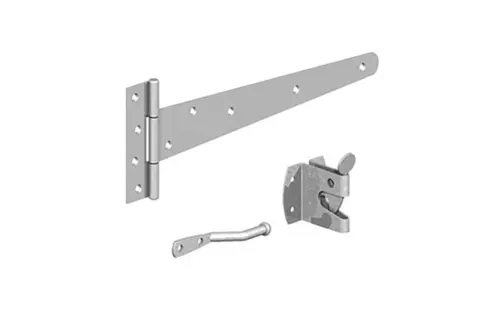
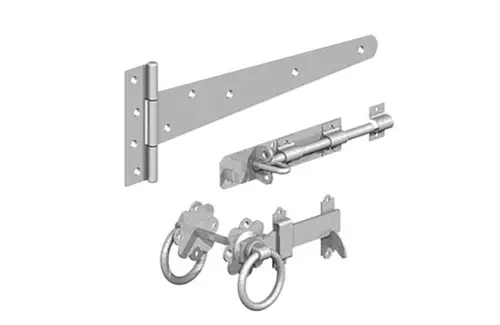
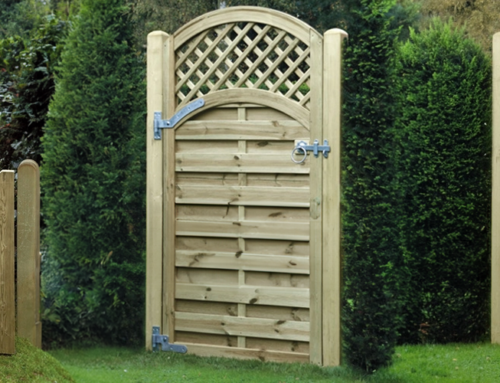
Our ring gate latch kit includes a pair of 16 inch medium tee hinges. Longer straps spread the load across more of the gate. That helps the gate hold its line through wet winters.
Tee Hinges Versus Curved Hinges
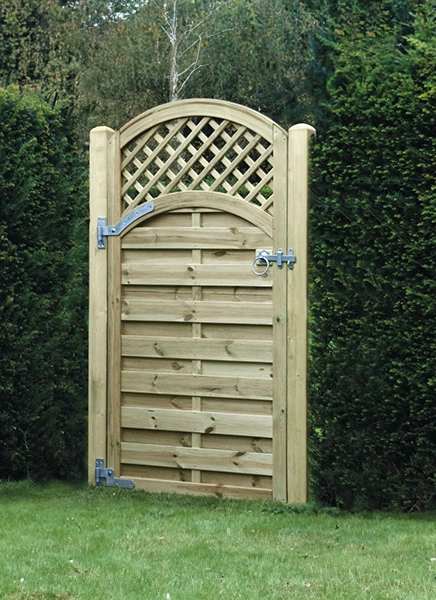
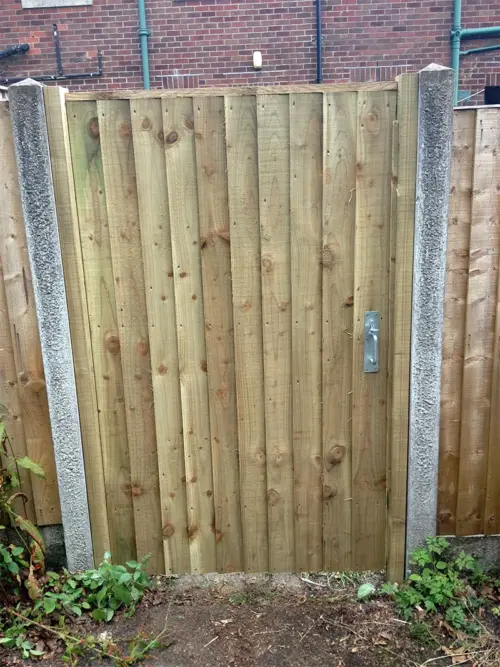
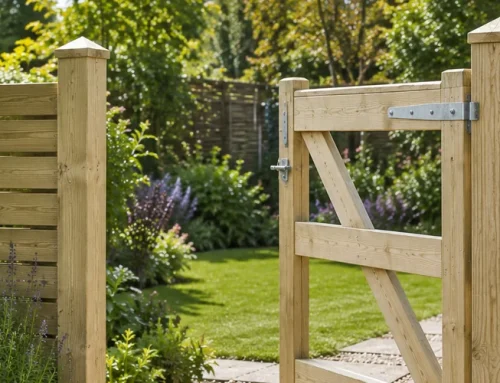
Tee hinges suit most straight-topped feather edge and tongue and groove gates. They bolt across the ledges and support the full width. However, arched gates have a different frame shape.
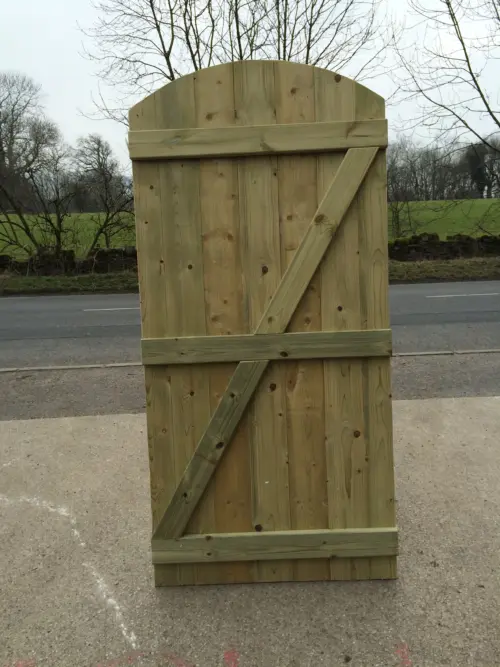
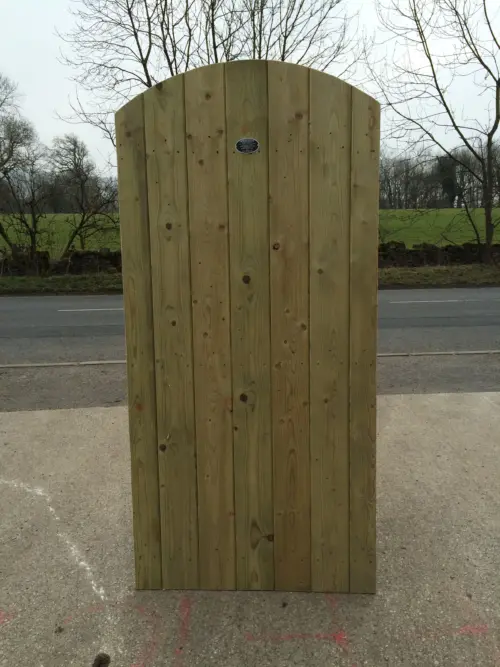
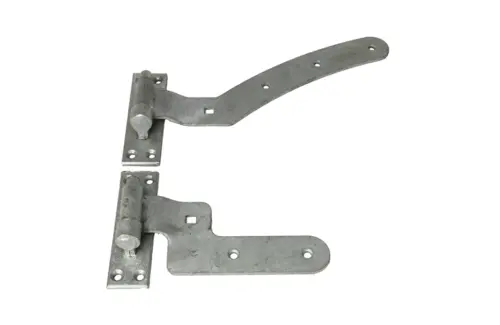
For arched gates, a curved hinge set fits the frame more neatly. Our set is a pair of 12 inch curved hinges, left or right handed. Using the wrong hinge on an arched gate often leads to twisting, which looks very like swelling.
You can see every option in our gate fittings range.
When the Gate Post Is Moving
Wet ground affects posts as well as gates. Clay soils across the Ribble Valley soften in winter and firm up in summer. Consequently, a gate post can lean slightly in wet months and straighten in dry ones.
Check the post with a spirit level in winter and again in summer. Mark the readings on a note so you can compare them later. If it moves, the gate will bind no matter how you trim it. A sturdier post, set deeper, is the lasting fix.
Replacing a Gate That Has Had Enough
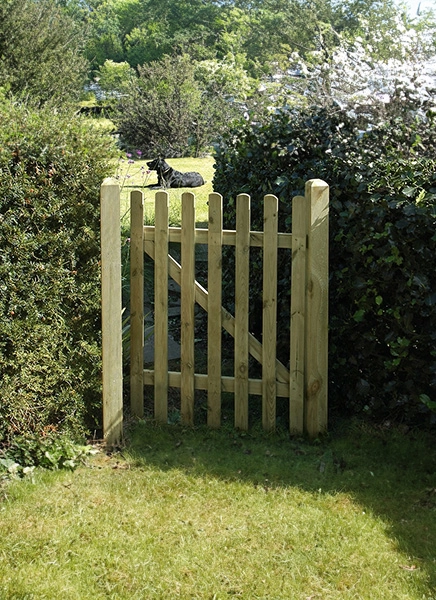
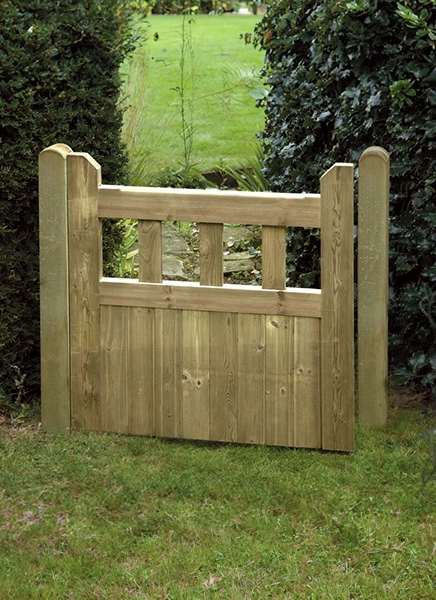
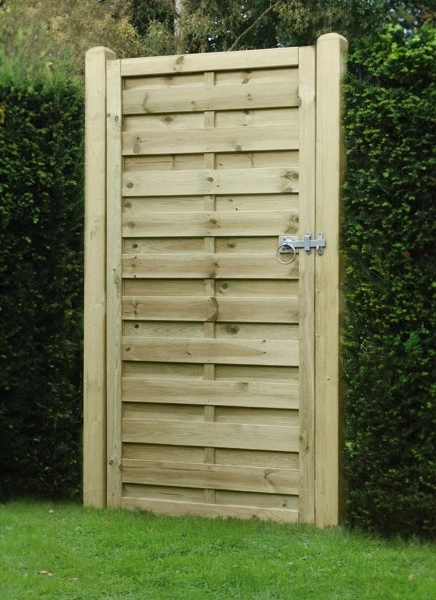
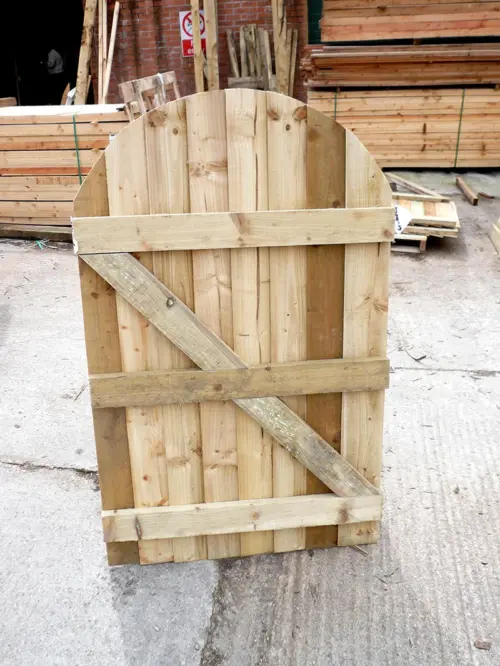
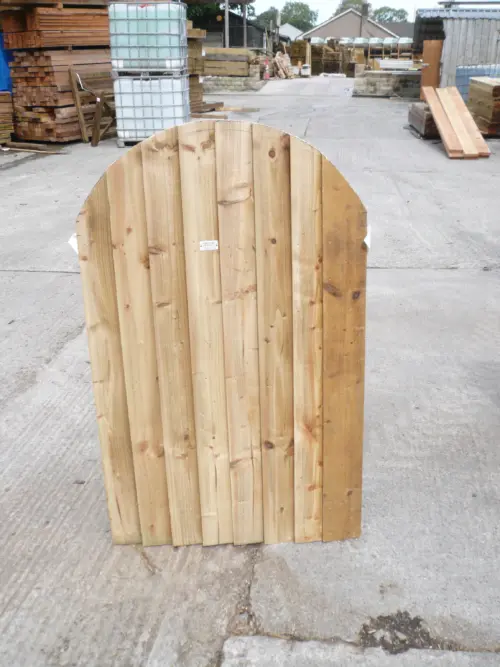
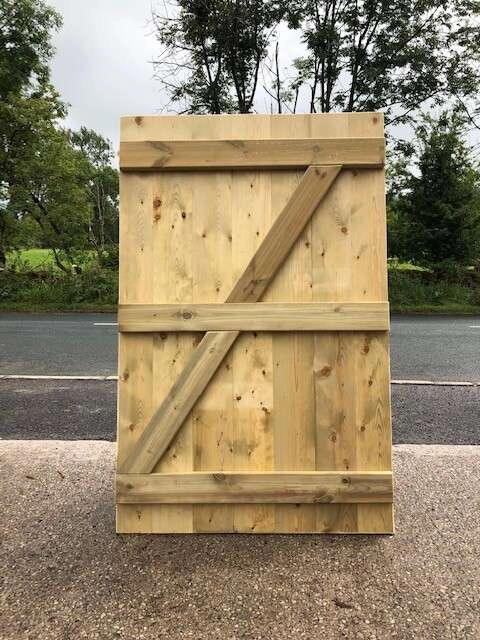
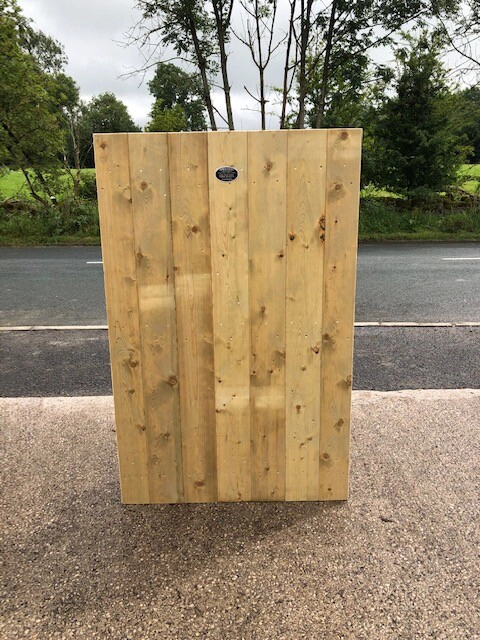
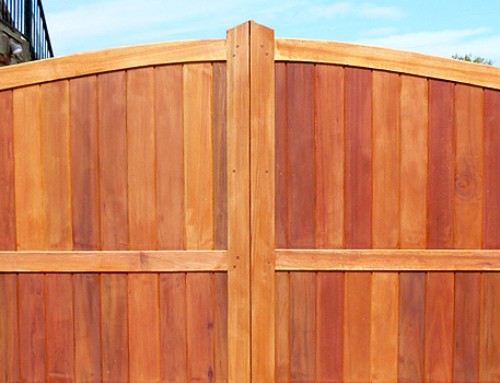
Eventually some gates swell, twist and crack beyond saving. If yours has soft or split boards, a replacement makes more sense. Our traditional garden gates are pressure-treated softwood in 0.9m x 1.8m sizes.
We supply many customers looking for Newton-in-Bowland wooden garden gates and Dunsop Bridge wooden garden gates. In such wet valleys, treating a new gate on every edge before hanging is well worth the effort.
Latches That Stop Lining Up
A swollen garden gate also affects the latch. As the gate widens, the latch bar may ride over its keep instead of dropping in. Consequently, the gate looks shut but blows open in the next gust.
This is a common winter complaint around Bowland, where gates stay damp for weeks. Before trimming the gate, try moving the keep a few millimetres. That is quicker and fully reversible. When the gate shrinks back in summer, you can move it back again.
Our post on gate hinges and latches that outlast the gate covers choosing fittings that cope with this movement. Good fittings will not stop swelling, but they make it far easier to live with.
If your swollen garden gate needs new fittings or replacing, call us on 01200 449930. We offer free delivery on orders over £150 across all BB postcode areas, and collection from our Clitheroe yard is also available.