
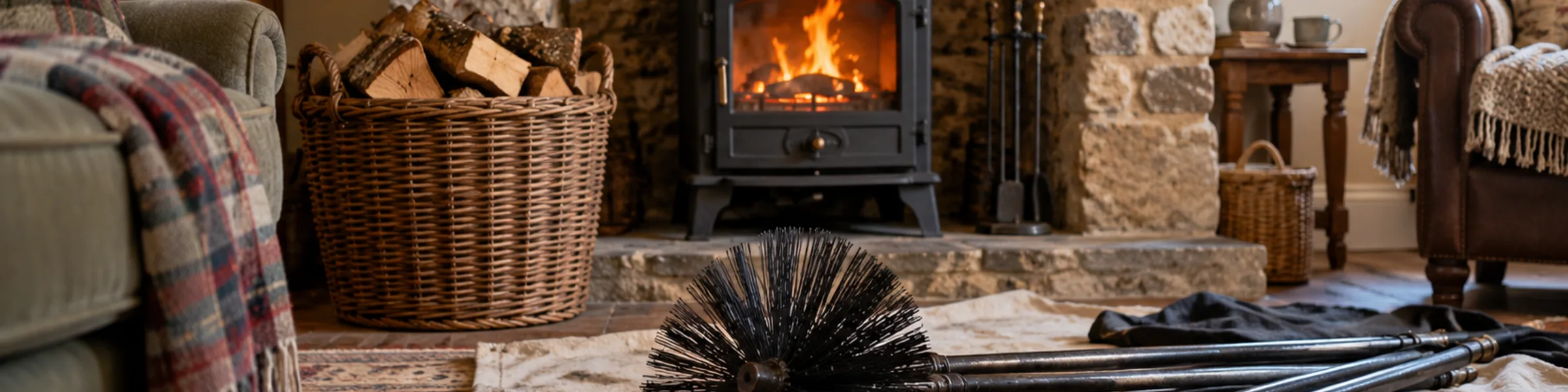
Creosote in a chimney is the sticky, tarry deposit that builds up when wood smoke cools before it leaves the flue. Left alone, it narrows the flue, smells unpleasant and can catch fire. As a supplier of fencing and timber supplies in Clitheroe and Ready to Burn certified firewood, we know your logs play a big part. This guide explains how and what to do about it.
How Creosote Forms Inside a Flue
Burning wood releases water vapour, gases and tiny particles of unburnt material. In a hot, lively fire, most of that burns off or leaves the chimney quickly. However, in a cool fire the smoke is thick and slow.
As it rises, the smoke meets the cooler flue walls. Then it condenses, much like steam on a cold window. The result is creosote in a chimney, a dark and sticky residue that hardens over time.
Wet Logs Are the Main Cause of Creosote in a Chimney
Freshly cut wood can hold a lot of water. When you burn it, the fire spends energy boiling that water off. Consequently, the firebox and flue stay cooler for longer.
Steam and smoke rise together and condense on the flue lining. That is the perfect recipe for tar. Our article on what happens if you burn wet logs goes into this in more detail.
Slumbering Fires Make It Worse
The second cause is a fire turned right down overnight. Many people close the air to keep the stove ticking until morning. However, a starved fire smoulders and produces dense, cool smoke for hours.
So, if you slumber the stove, do it with dry hardwood on a good ember bed. Open the air fully for a while in the morning to burn off any deposits. A short, hot burn limits creosote in a chimney far more than a long, smoky one.
Warning Signs of Creosote in a Chimney
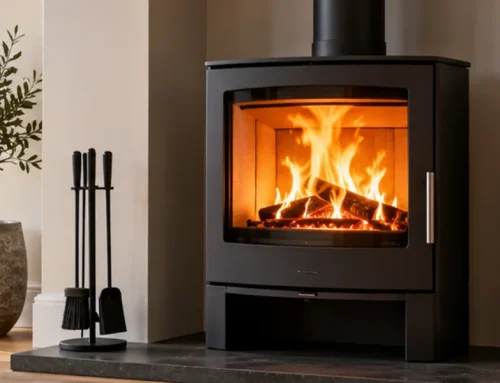
Creosote in a chimney gives a few clear warnings. First, look for black, tarry streaks on the stove glass that will not wipe off easily. Next, check the top of the stove pipe or the register plate for brown stains.
A strong, sour smell from the stove when it is cold is another sign. It is often worse on damp days when the air is heavy. In addition, a slow draw or smoke puffing into the room points to a partly blocked flue.
The most serious stage is glazed creosote. It looks like a shiny black coating, almost like varnish. This type is hard to remove and burns very fiercely if it ignites.
Why Sweeping Still Matters
Even with good logs, every chimney needs regular sweeping. A qualified sweep will remove soot and loose deposits and check the flue is clear. Many sweeps recommend at least once a year for wood burners, but ask yours for advice.
Book your sweep before the main burning season. Diaries fill up quickly once the clocks go back. Furthermore, a sweep can spot early signs of glazing that you might miss.
Ready to Burn Logs Under 20% Moisture
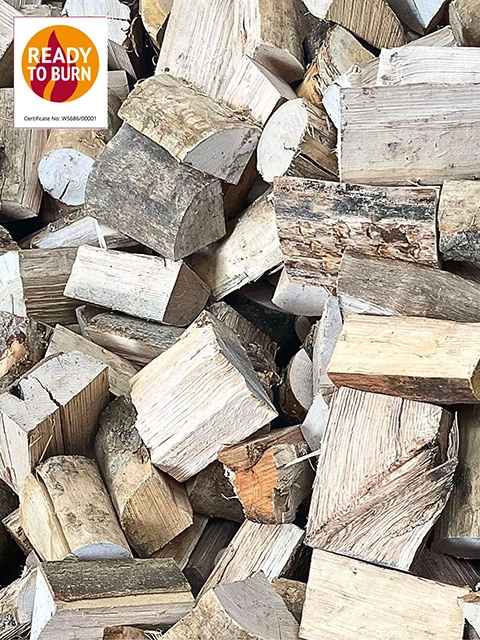
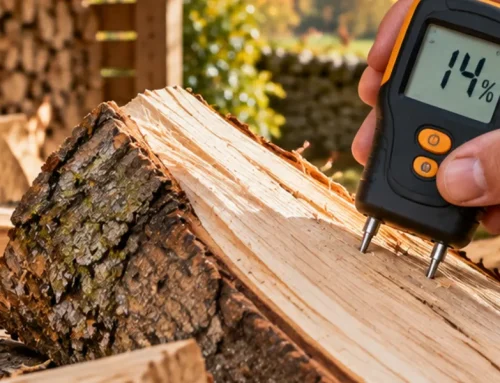
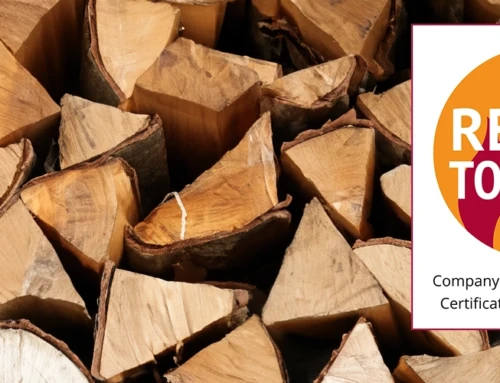
The simplest way to cut creosote in a chimney is to burn dry wood. All of our firewood is kiln dried to under 20% moisture content. That meets the Ready to Burn standard for wood sold in small quantities.
You can read about the scheme on our Ready to Burn certified logs page. In short, dry logs reach a hot, clean burn faster and spend less time producing thick smoke.
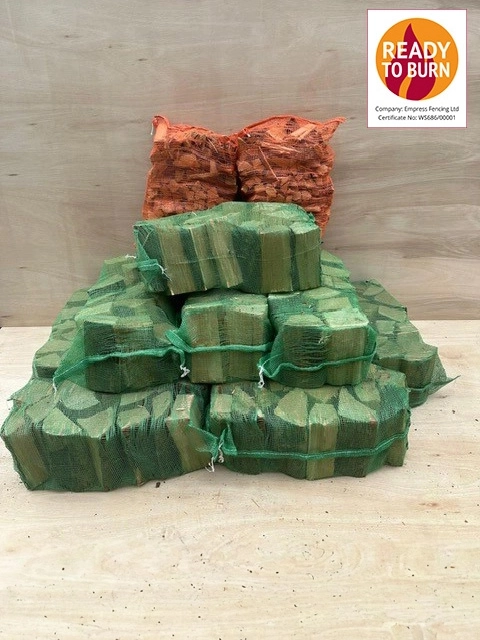
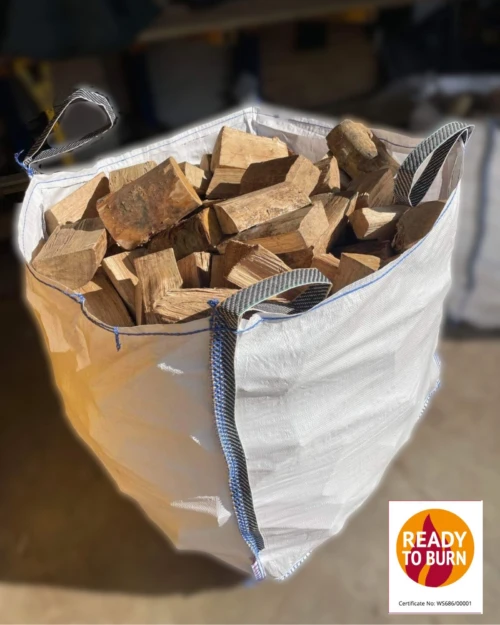
Our builders bag of logs holds about 0.6m3 of mixed hardwood in an 85cm bag. It suits homes with less storage space. The logs are cut on average to 8 inches, with a maximum diameter of 6 inches.
Lighting Hot From the Start
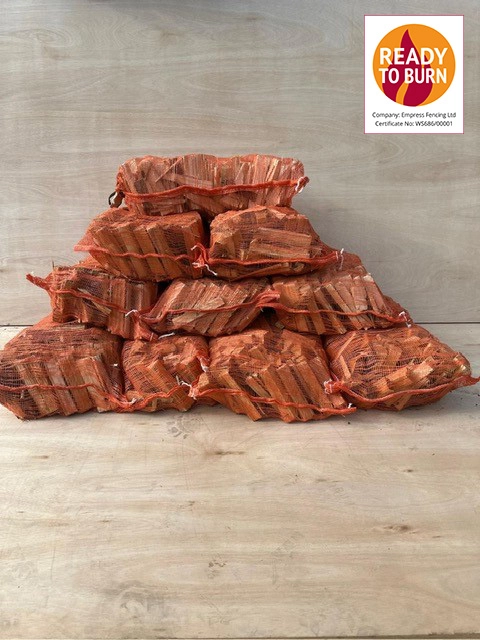
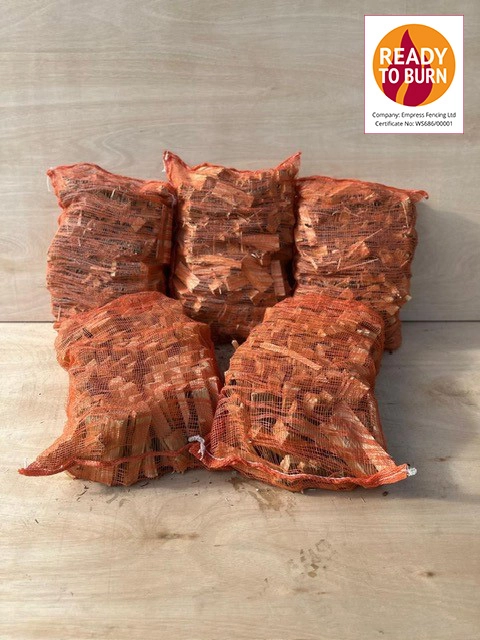
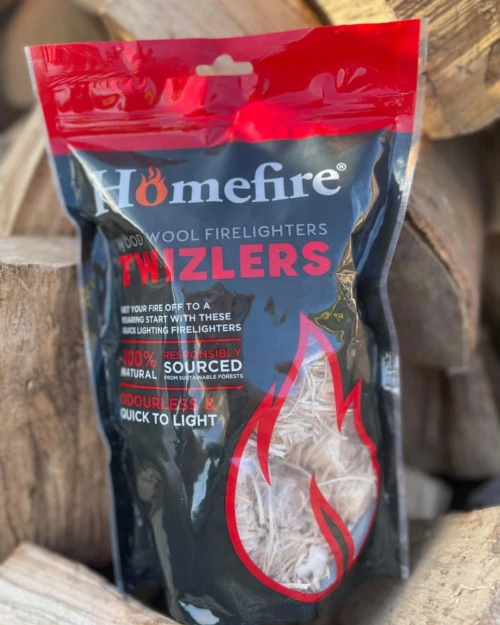
How you light the fire matters too. Use plenty of dry kindling and let it burn fiercely before adding logs. A net of kindling lights roughly 10 to 12 fires.
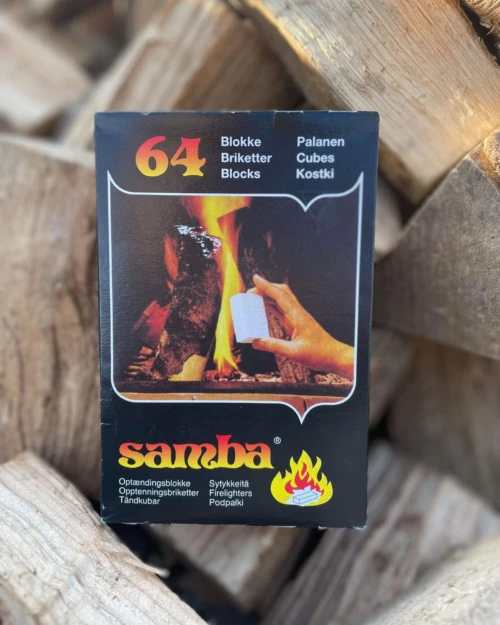
Samba firelighters help on cold mornings. Place one cube under the kindling, light it and wait about a minute. After that, the flames should be established and climbing.
Then add two or three logs once the kindling is roaring. Keep the air open until the logs are well alight. Only then start closing it down gradually.
Keeping Logs Dry in Rossendale Weather
The valleys around Haslingden and Helmshore see more than their share of rain. Logs arrive dry, but they can pick up moisture if stored badly. So keep them under a roof with open, slatted sides for airflow.
We deliver regularly to customers searching for logs for sale Haslingden and logs for sale Helmshore. Many homes there are terraced, with steep streets and tight access. Our small open-back transit and pickup help, but we cannot carry bags through houses or over walls.
Therefore, add any access notes when you order. A clear spot on the street or a back lane often works well.
What to Do If You Suspect a Chimney Fire
A chimney fire can sound like a roar or a rumble in the flue. You might also see sparks or flames from the chimney pot. In that case, close the stove air controls fully and call 999 straight away.
Leave the house if you feel at all unsafe. Do not throw water into a hot stove. Afterwards, have the flue checked by a qualified sweep before lighting the stove again.
Thankfully, chimney fires are rare when people burn dry wood and sweep regularly. Prevention is far easier than dealing with the aftermath.
To reduce creosote in a chimney with dry, Ready to Burn logs, call us on 01200 449930. We offer free delivery on orders over £150 across all BB postcode areas and aim to deliver within 5 working days.