
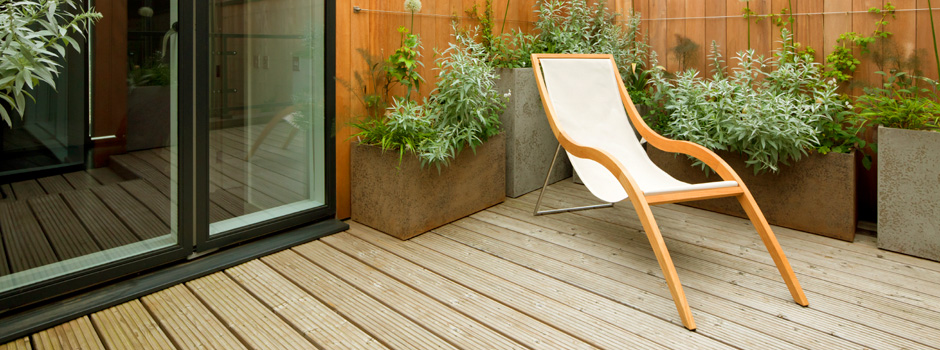
A row of timber planters can lift a patio, frame a seating area or bring colour to a yard that has no soil at all, and building them from timber boards is a satisfying summer project well within most people’s reach. Timber boards are ideal for planters because they are easy to cut, simple to join and give a clean, attractive finish that suits any garden style. As a supplier of fencing and timber supplies in Clitheroe, we supply the boards and fixings for planter projects throughout the growing season, and a well-built planter will hold its shape and its looks for years.
The key to a planter that lasts is treating the timber for outdoor life, lining it to keep wet soil off the wood, and building in drainage so the roots and the timber both stay healthy.
Constructing a Timber Board Planter
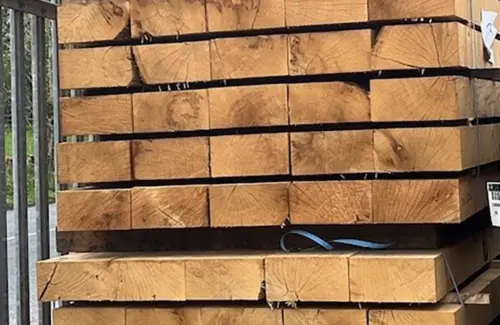
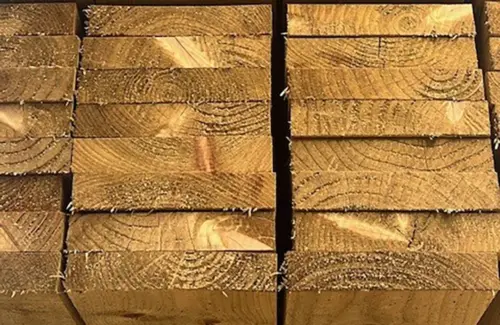
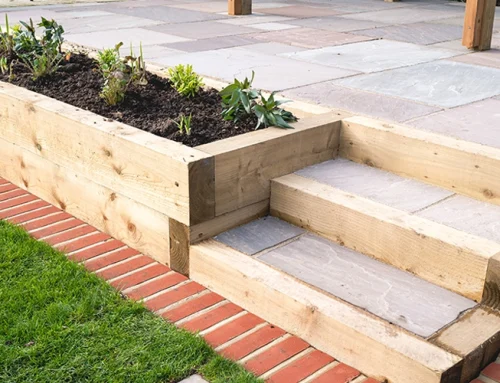
A simple planter is a box, built by joining boards to form four sides and a base, with corner supports to hold it square and strong. The size is yours to choose, from a compact trough for herbs to a deep planter for a small tree, and the boards cut and join easily to whatever dimensions suit your space. Our timber boards sit within our broader timber range, so the boards, corner posts and fixings can be sourced together.
Choosing and Treating the Boards
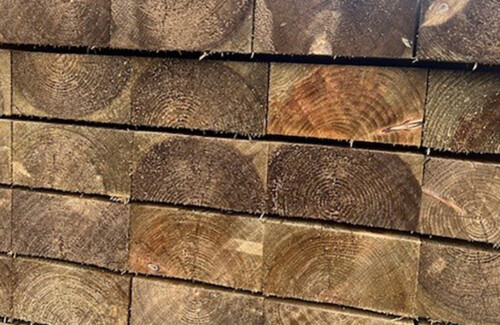
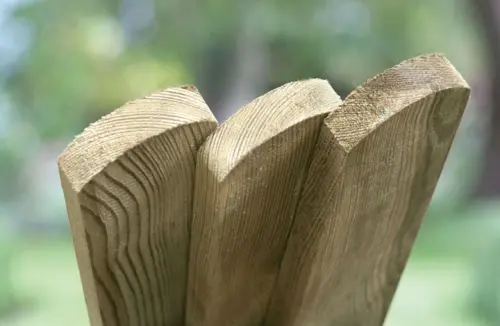
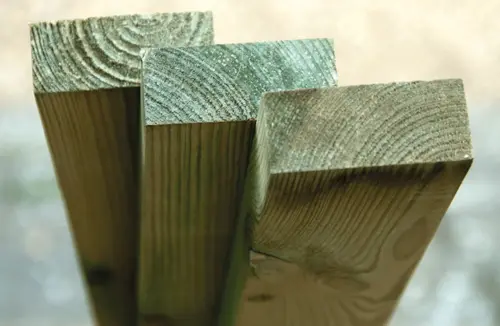
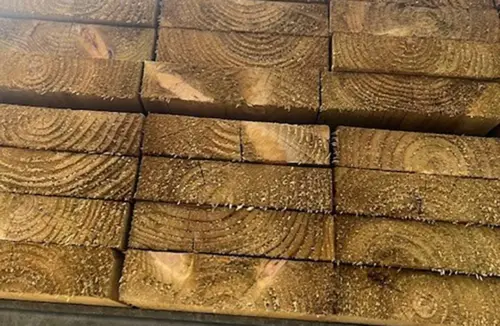
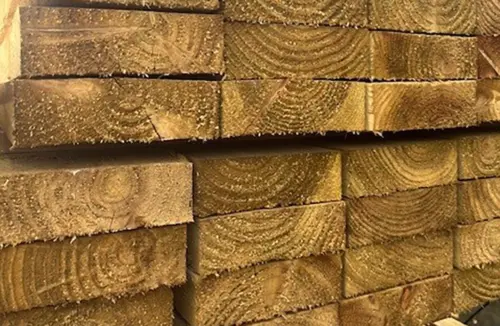
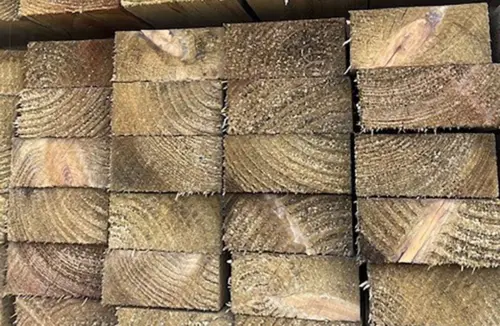
Pressure-treated boards are the sensible base, giving rot resistance from the outset. Because a planter holds damp soil against the timber constantly, the protection matters, and a planter is one of the more demanding homes for timber. A surface treatment on top adds colour and a water-shedding layer, and treating the boards before assembly lets you reach faces that are hard to coat once the box is built. The way treated timber resists moisture is covered in our guide to treating timber, and the same care that protects a fence applies to a planter, as our step-by-step on how to treat a new timber fence explains.
Corner Supports and Fixings
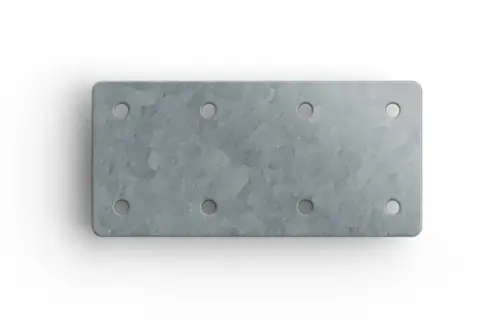
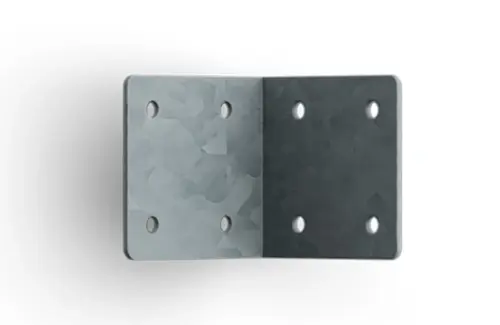
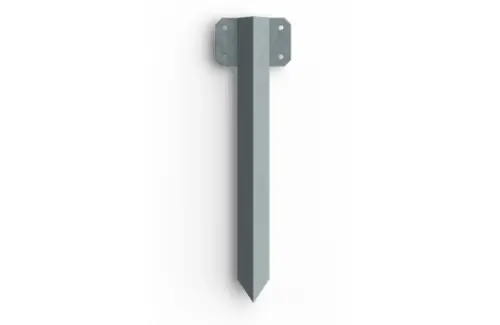
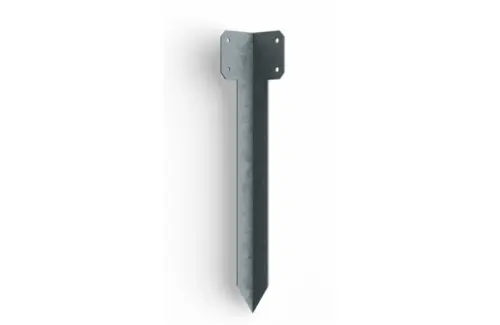
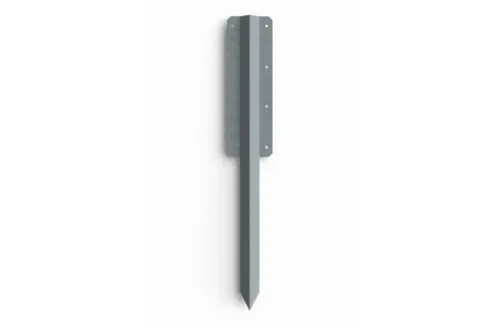
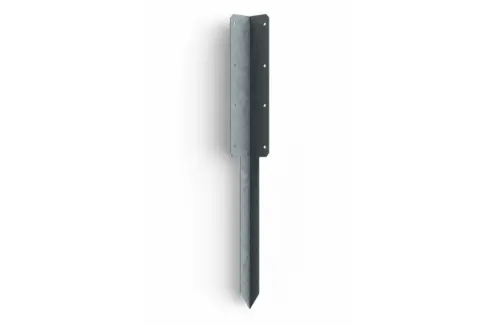
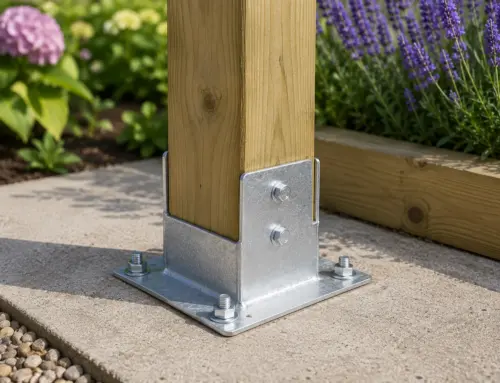
The corners are where a planter succeeds or fails. Corner posts or battens inside the box give the boards something solid to fix to and hold the whole thing square against the outward push of damp soil. Using the right outdoor fixings keeps the joints sound through the wet-and-dry cycles of the seasons. Our fixings and accessories range covers the screws and fittings a planter build needs, and good fixings here prevent the corners working loose later.
Lining and Drainage
Lining the inside with a membrane keeps wet soil off the timber and significantly extends the planter’s life, while leaving drainage holes in the base lets excess water escape so roots do not sit waterlogged. Punch the drainage holes through both the base boards and the liner, and raise the planter slightly off the ground on feet or battens so water flows away freely. A planter that drains well keeps both the plants and the timber healthy.
Sizing for the Planting
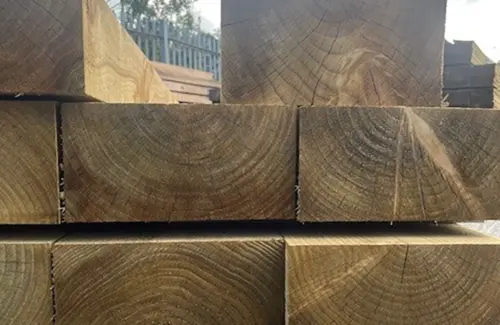
Match the planter depth to what you intend to grow. Herbs and bedding are happy in a shallow trough, while shrubs and small trees need real depth for their roots. Building the planter to suit the planting from the start avoids a box that is too shallow for its purpose. For taller or heavier planters, a more substantial board section gives the strength to hold the soil. Our timber sleepers offer an even more robust alternative for large, permanent planters.
Designing for the Plants You Want
Let the planting lead the design. Shallow troughs suit herbs, salads and bedding, while shrubs and small trees need real depth for their roots and a sturdier box to hold the weight of damp soil. Deciding what will grow in the planter before you build it means the finished box is fit for its purpose rather than too shallow or too flimsy. A planter built to suit its plants keeps them healthy and saves rebuilding a box that proves too small a season later.
Raising the Planter Off the Ground
A planter that sits flat on the ground traps water beneath it and holds damp against the base, shortening its life. Standing it on small feet or battens lifts the base clear, lets water drain freely from the holes you have made, and keeps air moving underneath. This small detail makes a real difference to how long a timber planter lasts, particularly on a patio or yard where water would otherwise sit against the base after every shower.
Grouping Planters for Effect
A single planter is useful, but a group can transform a space. Building a few in matching boards, at varying heights or sizes, creates a coordinated display that frames a seating area or screens a less attractive corner. Planning them as a set, and ordering the boards and fixings together, gives a consistent look and a more striking result than a collection of mismatched containers gathered over time.
If you would like help choosing boards and fixings for a planter project, call us on 01200 449930 with your sizes in mind. We offer free delivery on orders over £150 across all BB postcode areas, so a full planter project can arrive in one order. Built from treated boards, lined and drained, and raised off the ground, a timber planter keeps both its plants and its timber healthy for many growing seasons.