
The difference between a garden fencing project that runs smoothly and one that stalls halfway through is almost always the planning done before the first post goes in the ground. Working out exactly what you need, ordering it in good time and having everything on site before you start saves you the frustration of stopping mid-job to chase a missing gravel board. As a supplier of fencing and timber supplies in Clitheroe, we spend a lot of time helping customers across the Ribble Valley turn a rough idea of “I need a new fence” into a proper materials list they can rely on.
Start by Assessing What You Actually Have
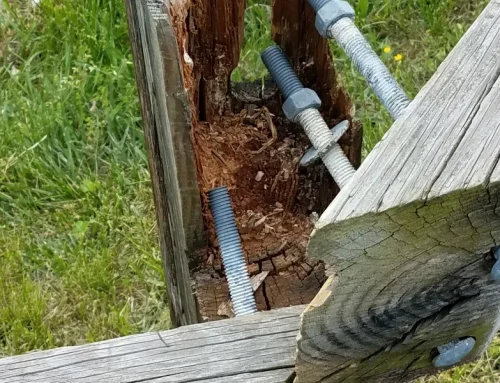
Before you measure for anything new, walk the boundary and look honestly at what is there. A fence that looks tired from the house may only need a few panels and a couple of posts replaced, while one with rotten posts below ground will keep failing no matter how many panels you change. Push each post firmly at the top – if it moves at ground level, the post is the real problem, not the panel. Check the bottom of the panels and the gravel boards for soft, dark, crumbling timber, and look along the run for any lean that suggests the posts are losing their grip in the ground.
This assessment decides the whole shape of the project. A like-for-like panel swap is a very different job from a full replacement with new posts, and knowing which one you are doing before you order means you buy the right quantities once, rather than guessing and topping up.
Measuring Up Without Guesswork
Measure the total length of the run you are fencing, then divide by the panel width you intend to use to work out how many panels and posts you need – remembering that a run of panels always needs one more post than the number of panels. Note the height you want, allowing for a gravel board at the base so the panel itself never touches the soil. If the ground rises or falls, plan to step the panels down the slope rather than trying to follow the gradient. Our simple guide on how much fencing do I need walks through the arithmetic so you can put together an accurate list before you order anything.
Choosing the Panels and Posts
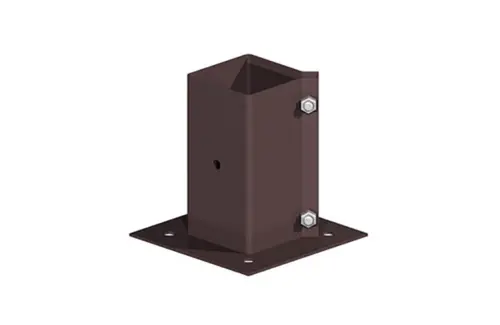
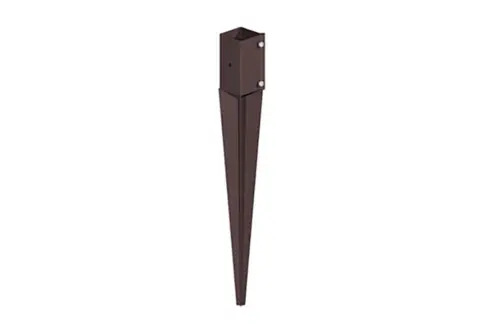
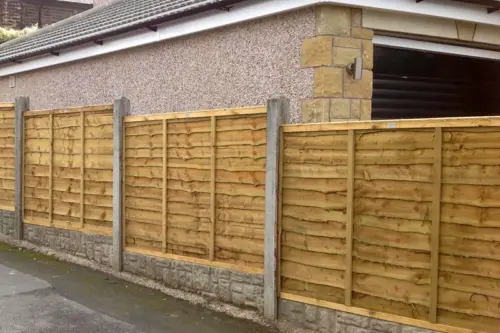
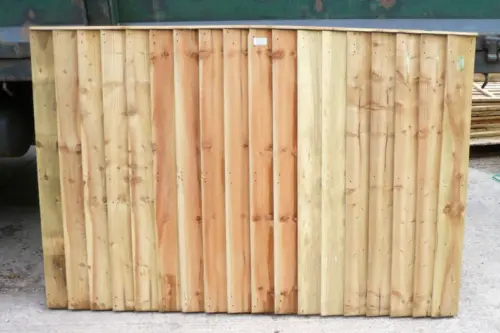
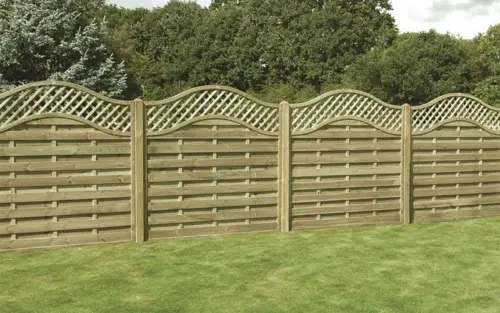
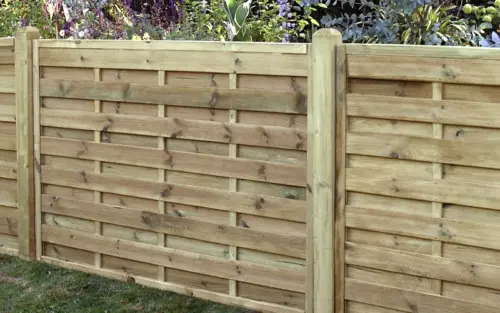
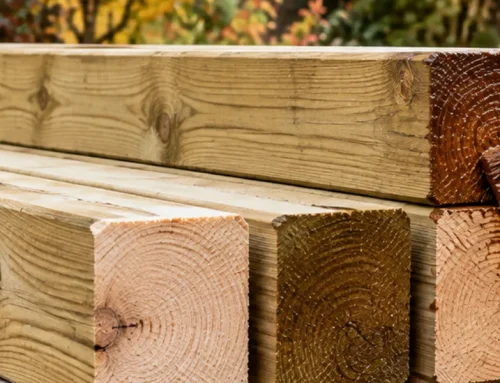
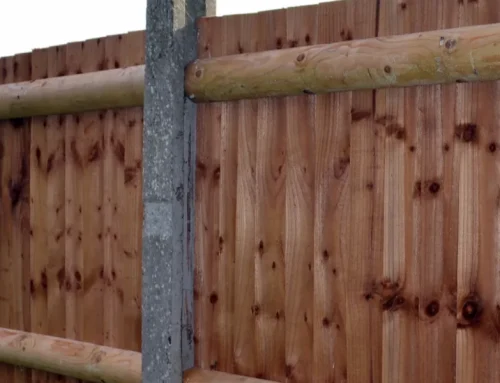
For the panels themselves, our traditional fence panels in lap and feather edge cover most domestic boundaries, with feather edge offering the greater strength and longevity where wind or privacy matter. For the posts, the choice between timber and concrete affects both the look and the lifespan of the run, and our fence posts page sets out the options so you can match the post to the panel and to your ground conditions. Whichever you choose, a gravel board at the base is the single most effective way to keep the bottom of the panels out of the wet and add years to the life of the fence.
Order in Good Time, Not at the Last Minute
Fencing materials are bulky, and a full boundary’s worth of panels, posts and boards is a significant load. Ordering a few days ahead of when you plan to start means everything is on site and ready, rather than the job waiting on a delivery. It also gives you time to check the load against your list when it arrives and to spot anything missing before the work begins. Our delivery charges page sets out exactly how delivery works across the region, and ordering everything together in one go is almost always more efficient than buying piecemeal.
Do Not Forget the Gravel Boards and the Extras
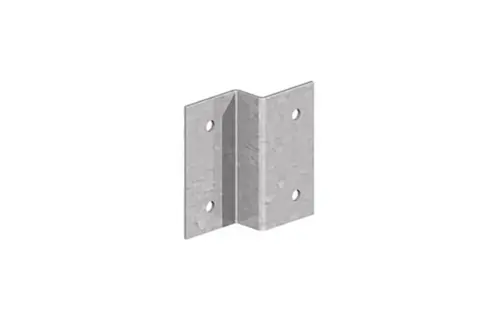
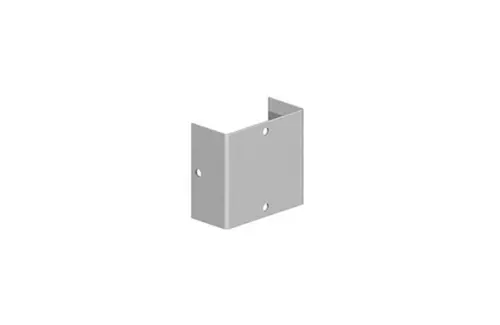
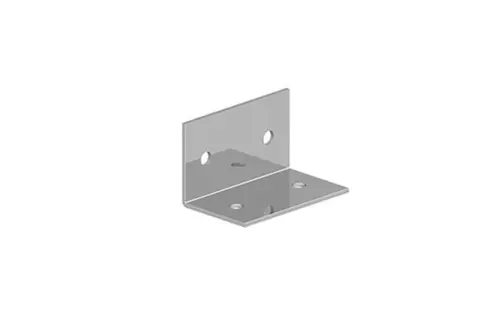
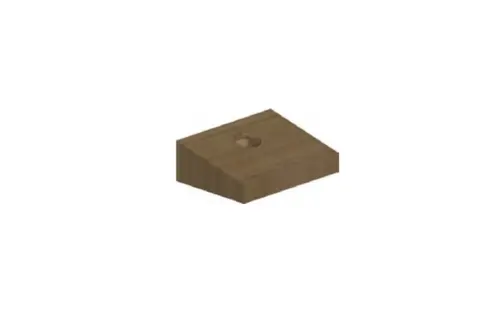
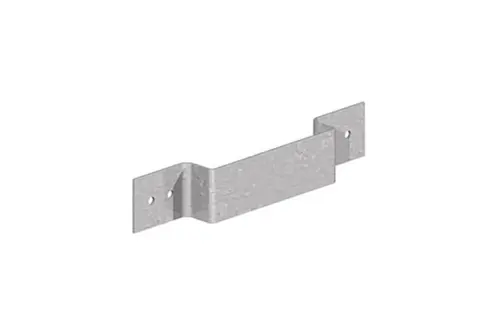
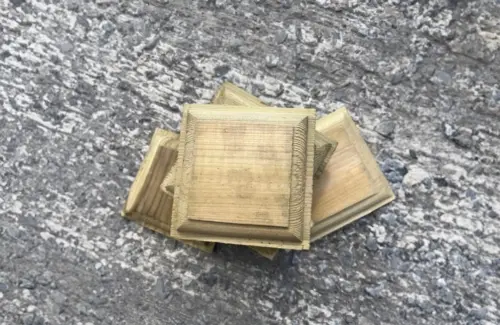
It is the small components that catch people out partway through a fencing project, not the panels and posts. A gravel board at the base of every panel keeps the timber clear of wet soil and is far cheaper to replace than a whole panel when it eventually weathers, so it belongs on the list from the start rather than as an afterthought. Post caps shed water off the top of timber posts and keep them looking tidy, while the right brackets, clips and fixings make the difference between a fence that goes up quickly and one that fights you at every panel. If your run includes a gate, allow for it in your measurements and order the gate, posts and fittings together so everything lines through. Putting every one of these items on a single list before you order means one delivery, one check against your list, and no mid-job trips for a forgotten part.
Local Knowledge Makes the Job Easier
Gardens across the Ribble Valley vary enormously, from compact town plots to exposed rural boundaries that take the full force of the weather. Customers planning fencing in Clitheroe fencing projects and across Whalley fencing jobs often face very different conditions, and the right specification reflects that – heavier posts and stronger panels where the wind is a factor, with a sensible eye on access for delivery on tighter properties. As a materials supplier, we are not fitting the fence for you, but we can make sure the materials you order are right for the boundary you are putting them in.
If you are planning a fencing project this year, the best first step is a proper materials list. Call our team on 01200 449930 to talk through panels, posts and quantities, or order online and take advantage of free delivery on orders over £150 across all BB postcodes.