
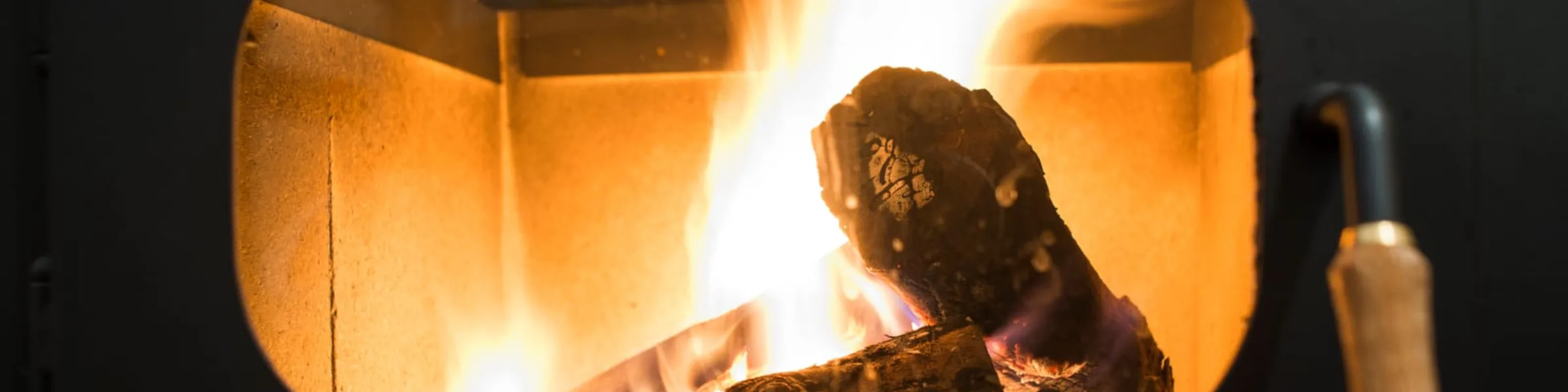
A worn stove door rope seal can quietly double the rate your logs disappear in January. As a supplier of fencing and timber supplies in Clitheroe, we deliver a lot of firewood, and we hear the same story every winter. Someone switches to good dry logs, yet the stove still roars through them. Very often, the problem is not the fuel at all. Instead, it is a tired rope around the door.
Why the Door Seal Matters More Than People Think
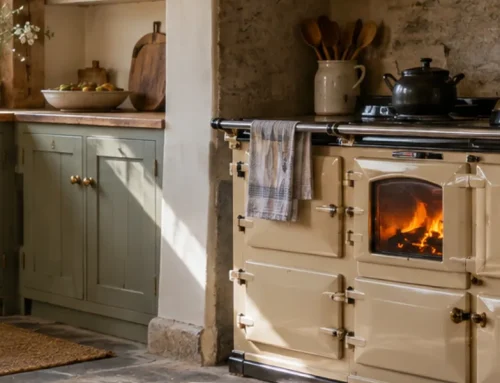
A wood burner is designed to control its own air. The primary and secondary air vents decide how much oxygen reaches the fire. As a result, you can turn the stove down and let it tick over for hours. However, that only works when the stove door rope seal keeps the door airtight.
Once the rope flattens or frays, air sneaks in around the edges. That air bypasses the controls completely. So the fire burns hotter and faster than you set it. In short, you lose control of your stove.
What a Leaking Seal Does to Your Logs
Uncontrolled air turns a slow, steady burn into a fast blaze. Consequently, a load that should last three hours might be gone in ninety minutes. You top up more often, and your log pile shrinks far quicker than expected.
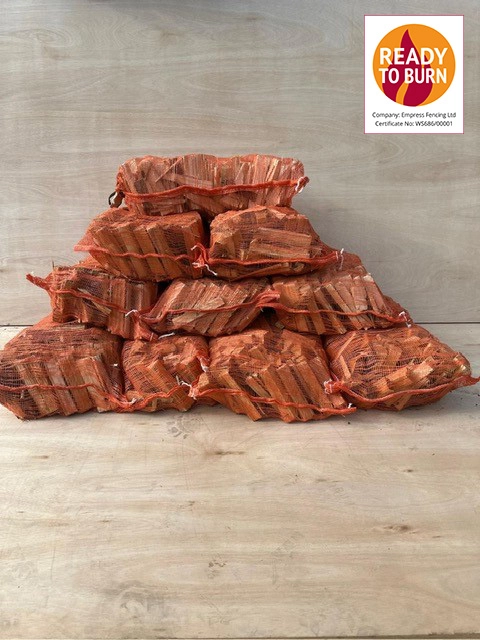
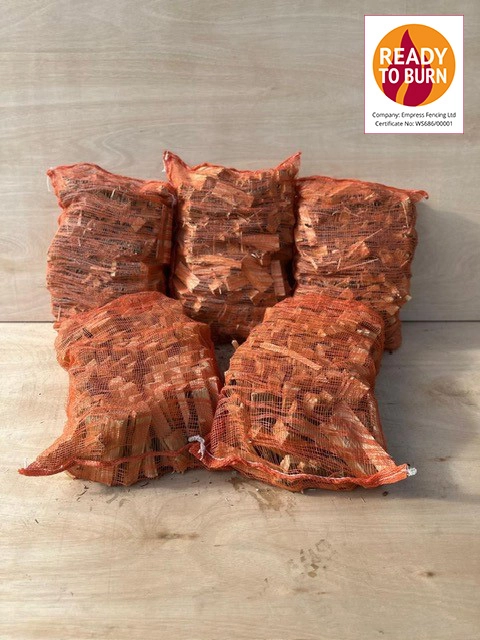
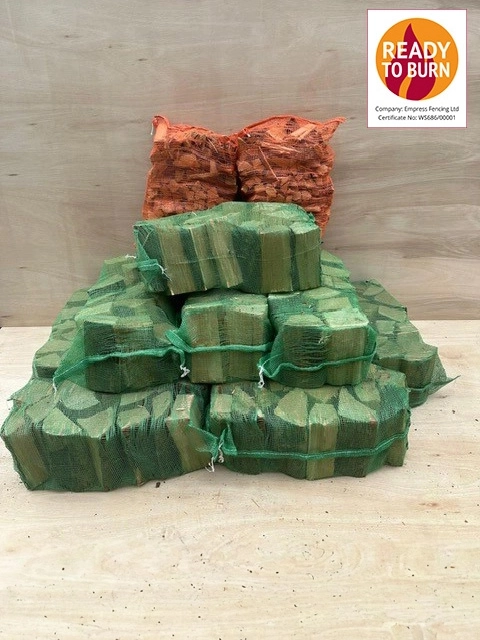
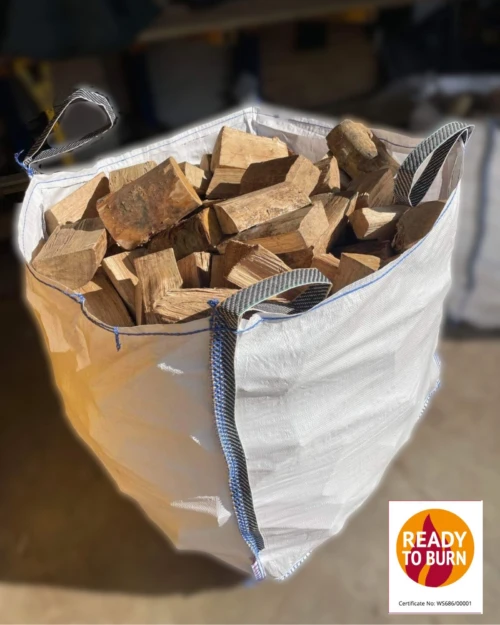
Our firewood is Ready to Burn certified and kiln dried to under 20% moisture content. That dry wood lights easily and burns cleanly. However, it also responds strongly to extra air. With a poor stove door rope seal, dry logs simply burn too quickly. Therefore, the seal and the fuel need to work together.
Other Signs the Seal Is Failing
There are a few clear warning signs. First, the air control stops making much difference. Second, you may notice dark streaks on the glass near the door edge. Third, a faint smoky smell can appear in the room when the fire is low.
You can also look at the rope itself. A healthy rope feels springy and stands proud of its channel. By contrast, a worn one looks flat, shiny and hard. Sometimes it has gaps, loose strands or sections hanging free.
The Paper Test for a Stove Door Rope Seal
The simplest check takes two minutes. Wait until the stove is completely cold. Then take a strip of ordinary paper and close the door on it. Next, try to pull the paper out.
If the paper resists firmly, that part of the stove door rope seal is doing its job. If it slides out easily, the rope is not sealing there. Repeat the test all the way round the door, including the hinge side and the corners. Corners and the bottom edge usually wear first.
Many stoves also have a seal around the glass panel. That one can fail too, so it is worth a look. Similarly, check the ash pan door if your model has one.
When to Replace a Stove Door Rope Seal
Rope seals are a wear part, just like brake pads on a car. How long they last depends on how hard the stove works. A stove lit every evening from October to April will wear its rope much faster than one used at weekends.
If the paper test fails in more than one spot, replacing the stove door rope seal is the sensible next step. We do not sell stove parts, so we always point people to their stove supplier. Alternatively, a HETAS registered engineer can check the seal during an annual service. They can also confirm the correct rope diameter for your model, which matters a great deal.
Ideally, get this done in autumn rather than mid winter. Engineers across the Ribble Valley get very busy once the first frosts arrive. Booking early also means your stove is ready for the coldest weeks.
Getting the Best From Dry Logs
With a good seal in place, kiln dried hardwood really shows its value. You can load the stove, let it catch, then turn the air down. The logs then burn steadily with a bright, clean flame.
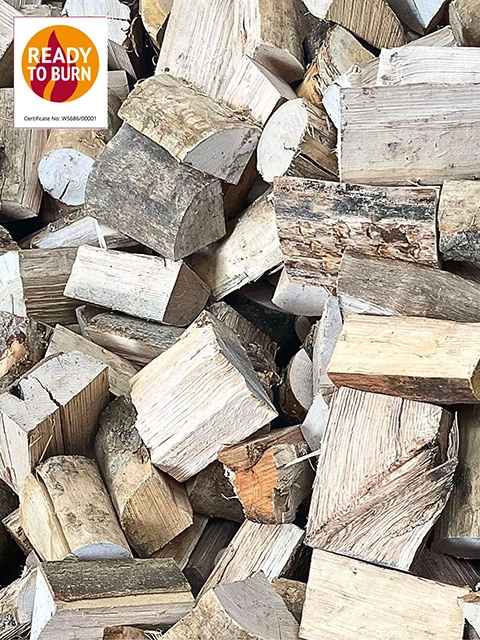
Our logs are cut on average to 8 inches long, with a maximum diameter of 6 inches. That size suits most domestic stoves. Moreover, it lets you load two or three logs at a time without crowding the firebox. Crowded fireboxes push flames against the door, which wears the rope faster.
If you are restocking, our kiln dried logs delivered page explains the options. For bigger households, 1m3 hardwood logs come tipped loose on your drive. The mix may include oak, ash, beech, birch, sycamore, alder and hornbeam. Every load is from our Ready to Burn certified logs range.
Glass, Tar and Other Clues
Blackened glass usually points to wet wood or a fire starved of air. A failing seal can cause the opposite problem. The fire runs hot, yet you may still see streaks where cold air leaks in. Our guide to stove glass going black explains how to read those marks.
Equally, if your stove sat idle all summer, give it a full check before relighting. Look at the rope, the baffle and the flue. Our article on the first fire of the season covers the rest of that routine.
Local Deliveries Around Clitheroe and Worston
Many of our customers live in older stone cottages around Pendle Hill. Those homes often rely on a wood burner as the main source of warmth. In that situation, every log counts. A sound stove door rope seal can make a delivery last noticeably longer.
We deliver dry firewood throughout the area. You can find details on our logs for sale Clitheroe page. Likewise, village customers can see our logs for sale Worston page. We aim to deliver within 5 working days, and we phone ahead with your delivery day. Please note that our driver cannot lift bags over walls or stack logs in your store.
Ready to restock before the coldest weeks? Call us on 01200 449930 to place an order or ask a question. We offer free delivery on orders over £150 across all BB postcode areas. Collection from our Clitheroe yard is also available if that suits you better.