
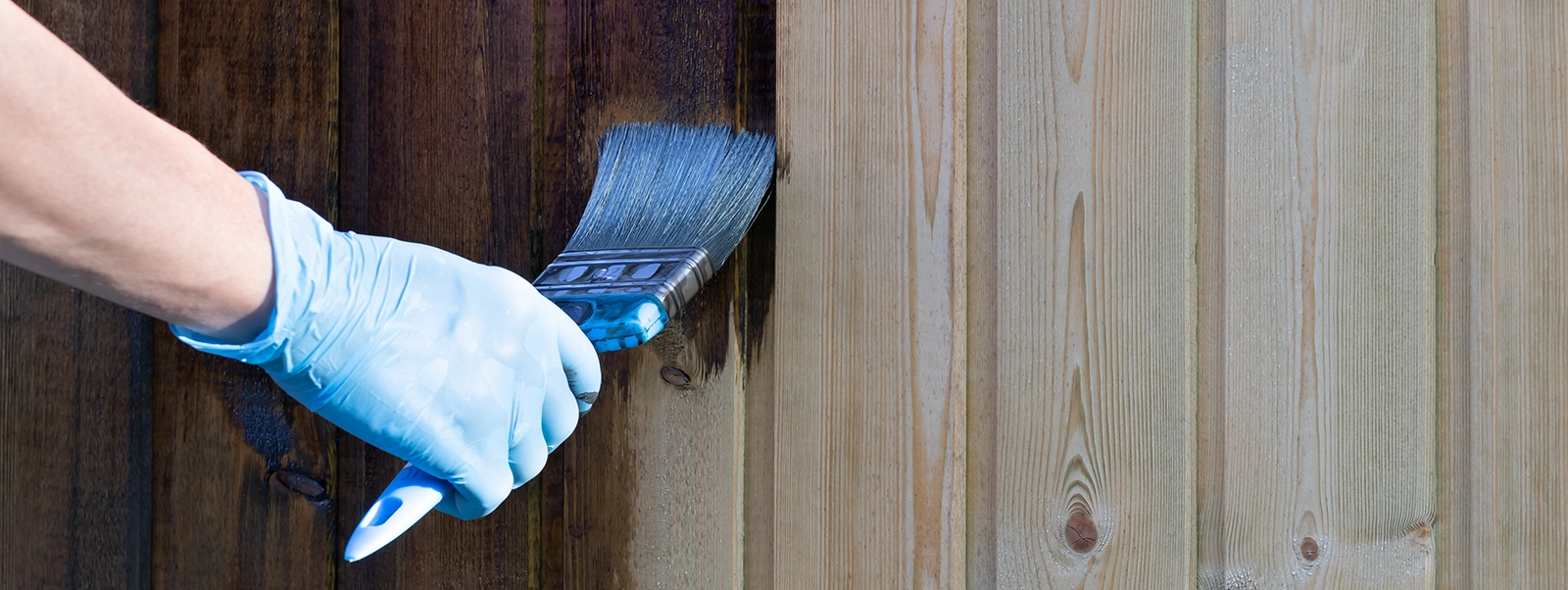
If you have ever wondered why a fence treatment never seems to “take” properly, the answer is usually the weather you applied it in. Treating fence panels in summer, when the timber is dry and the forecast is settled, gives a far better result than trying to do it in the cold, damp months when the wood is already saturated. As a supplier of fencing and timber supplies in Clitheroe, we always tell customers across the Ribble Valley the same thing – the warm, dry spell is your window, so use it while you have it.
Why Timber Has to Be Dry Before You Treat It
Wood is porous, and a treatment works by soaking into the surface and the cells just beneath it. If the timber is already full of water – as it usually is through a wet Lancashire winter – there is simply nowhere for the treatment to go, and most of what you brush on sits on the surface and runs off rather than penetrating. Apply it in summer, after a run of dry days, and the thirsty timber draws the treatment in deeply, which is exactly what gives you lasting protection. This is why a “cold months” approach so often disappoints, and why the dry season does the work for you.
It is worth understanding what you are protecting against. Even pressure-treated panels benefit from a surface treatment over time, because the factory treatment guards against rot from within while a brushed-on coat manages the colour, the water-shedding and the day-to-day weathering on the outside. Our explanation of the natural weathering process of timber sets out how panels change as they age and why a little maintenance keeps them looking their best.
Choosing Between Paint, Stain and Preservative
Not every product does the same job. A preservative protects the wood, a stain colours it while letting the grain show through, and an opaque paint gives a solid finish that hides the timber beneath. Each behaves differently as it weathers and each asks for a different re-coating routine, so picking the right one for the look you want and the upkeep you are willing to do matters as much as the application itself. Our honest guide on should I paint or stain my fence walks through the trade-offs so you choose with your eyes open.
Getting a Good Result on the Day
Pick a dry, mild day with no rain forecast for at least a couple of days afterwards, and avoid the harshest midday sun, which can dry the surface too fast for the treatment to soak in evenly. Brush the panels down first to remove dirt, cobwebs and any loose green growth, and let them dry fully. Pay particular attention to the end grain at the top and bottom of the boards and around the framing, because that is where water gets in and where rot starts. Two thinner coats almost always outperform one heavy one. Working the treatment well into the joints and the back of the panels, not just the face you see, is what makes the protection last.
When Panels Are Past Treating
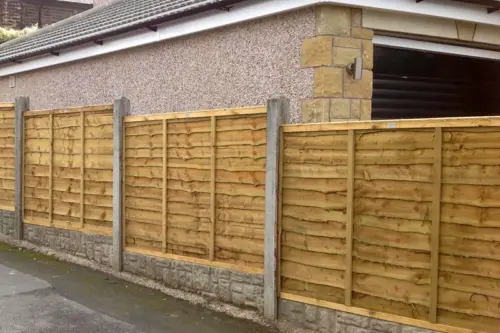
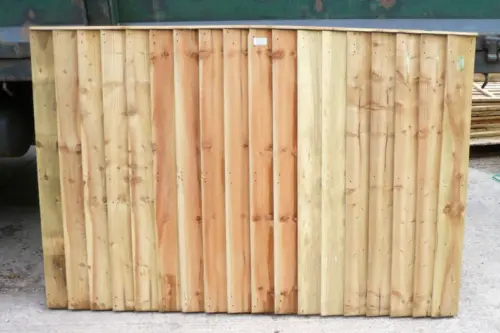
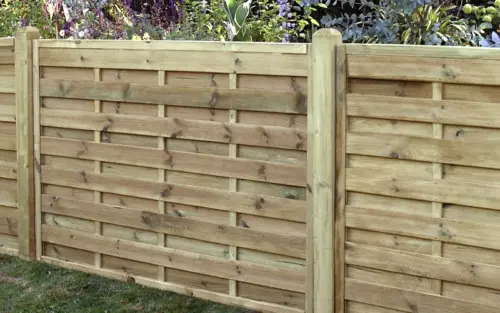
Summer is also the time to be honest about which panels are worth saving. A panel that is grey and weathered will come back to life beautifully with a clean and a coat of treatment. A panel that is soft, splitting and rotten along the bottom rail is past the point where any treatment will help, and the dry weather is the ideal time to replace it. Our 6ft fence panels are a straightforward replacement for a tired full-height panel, and if you are unsure which timber to choose for the conditions in your garden, our timber types page explains the options and how they perform outdoors.
How Often a Fence Really Needs Re-Treating
One summer treatment is not a job for life, but nor does a fence need doing every single year. As a rough guide, a quality stain or preservative on a well-prepared fence lasts a couple of years before it starts to fade and let water sit on the surface again, while a solid paint finish can go longer but is more work to refresh when it does need attention. The honest test is the wood itself – splash a little water on the panel, and if it beads and runs off the treatment is still doing its job, but if it soaks straight in the timber is asking to be re-coated. Tackling it again in a dry spell, before the surface has weathered back to bare grey, is far easier than stripping and starting over. A few minutes checking each summer tells you whether this is the year to get the brush out or whether the fence is good for another season.
Local Advice for Lancashire Gardens
Conditions vary across the region, and a fence in an exposed spot weathers faster than one tucked behind a house. Customers maintaining fencing on Blackburn fencing boundaries, across Burnley fencing projects and around Padiham fencing jobs all benefit from making the most of the dry summer window. As a materials supplier, we are not treating the fence for you, but we can make sure you have the right panels and the right information to do the job once and do it well.
If the weather is dry and your fence is due some attention, now is the time to act. Call our team on 01200 449930 for advice on panels and replacements, or order online and take advantage of free delivery on orders over £150 across all BB postcodes.